• KGS/USD = 0.01143 0%
  • KZT/USD = 0.00206 0%
  • TJS/USD = 0.10811 -0.09%
  • UZS/USD = 0.00008 0%
  • TMT/USD = 0.28571 0%
  • KGS/USD = 0.01143 0%
  • KZT/USD = 0.00206 0%
  • TJS/USD = 0.10811 -0.09%
  • UZS/USD = 0.00008 0%
  • TMT/USD = 0.28571 0%
  • KGS/USD = 0.01143 0%
  • KZT/USD = 0.00206 0%
  • TJS/USD = 0.10811 -0.09%
  • UZS/USD = 0.00008 0%
  • TMT/USD = 0.28571 0%
  • KGS/USD = 0.01143 0%
  • KZT/USD = 0.00206 0%
  • TJS/USD = 0.10811 -0.09%
  • UZS/USD = 0.00008 0%
  • TMT/USD = 0.28571 0%
  • KGS/USD = 0.01143 0%
  • KZT/USD = 0.00206 0%
  • TJS/USD = 0.10811 -0.09%
  • UZS/USD = 0.00008 0%
  • TMT/USD = 0.28571 0%
  • KGS/USD = 0.01143 0%
  • KZT/USD = 0.00206 0%
  • TJS/USD = 0.10811 -0.09%
  • UZS/USD = 0.00008 0%
  • TMT/USD = 0.28571 0%
  • KGS/USD = 0.01143 0%
  • KZT/USD = 0.00206 0%
  • TJS/USD = 0.10811 -0.09%
  • UZS/USD = 0.00008 0%
  • TMT/USD = 0.28571 0%
  • KGS/USD = 0.01143 0%
  • KZT/USD = 0.00206 0%
  • TJS/USD = 0.10811 -0.09%
  • UZS/USD = 0.00008 0%
  • TMT/USD = 0.28571 0%

Viewing results 1 - 6 of 2

Digital Diplomacy and Soft Power at TIIF 2026

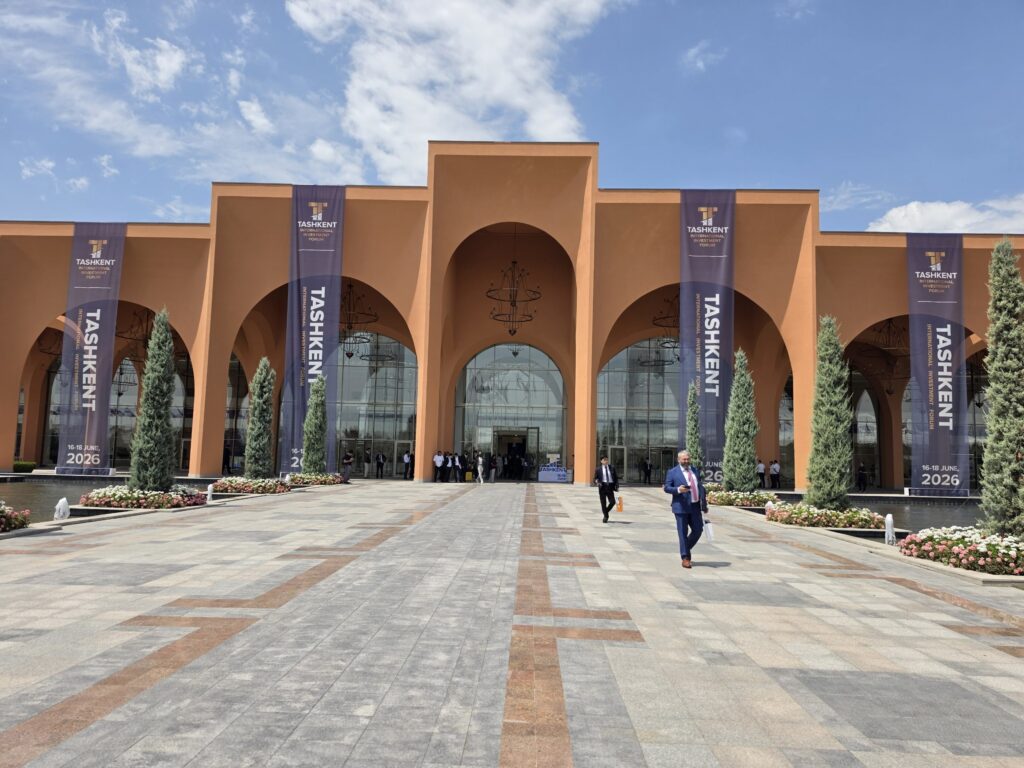
At the Tashkent International Investment Forum 2026, a panel on “Digital Diplomacy and Soft Power” examined how governments use online platforms, artificial intelligence and direct public communication to shape their international reputation and attract investment. Vladimir Norov, Uzbekistan’s former foreign minister, former secretary-general of the Shanghai Cooperation Organization and current chairman of the Central Asian Association for Artificial Intelligence, said diplomacy had changed sharply since he entered the profession in the 1990s. Governments that once had time to verify information and prepare formal responses now face pressure to communicate within minutes. “When I was appointed ambassador to Germany in 1998, we had no website,” Norov recalled. “We prepared one ourselves. At that time, communication was very different.” According to Norov, diplomacy has shifted to a model of permanent connectivity. Information spreads globally within minutes, often before governments have had time to verify facts or coordinate responses. For Norov, the today's challenge is "balancing speed with wisdom ... We must communicate promptly while ensuring accuracy and preserving dialogue." At the same time, he warned that governments also face serious challenges such misinformation campaigns, cyber threats, and the growing influence of large technology companies in shaping public narratives. Norov recalled that in previous years many government institutions were reluctant to communicate publicly. When he became director of Uzbekistan’s Institute for Strategic and Regional Studies in 2018, he discovered that the institution lacked a website and social media presence. “It was a challenge to convince people,” he said. “Many believed the information should remain internal.” [caption id="attachment_50731" align="aligncenter" width="1024"] Image: TCA[/caption] The discussion at TIIF extended beyond diplomacy to the broader question of how countries communicate economic reforms and investment opportunities. Abdulla Abdukadirov, acting director of the Agency for Strategic Development and Reforms, argued that one of the biggest challenges in attracting investment is the gap between ambitious promises and practical implementation. “Every investor’s main motivation is to make money, but the expectations of the hosting country are more to bring value,” he said. According to Abdukadirov, governments must avoid creating unrealistic expectations and should focus on commitments within their operational control. He stressed a shift in how Uzbekistan presents itself internationally. “We are not considering Uzbekistan as one unique country, but as a whole region, Central Asia,” he said. [caption id="attachment_50733" align="aligncenter" width="1024"] Image: TCA[/caption] The role of communication in shaping investor perceptions was also highlighted by Oybek Shaykhov, founder of EUROUZ and East-West Group. Drawing on his experience working with European businesses, Shaykhov argued that communication quality remains a critical factor in attracting long-term investment. He suggested that governments must respond more proactively to investor inquiries. “When a decision is taken, we have to give some reason why exactly this decision is taken,” Shaykhov said. Leandro Slovinski, editor-in-chief of The Investor, compared national investment promotion to the customer-service strategies used by luxury brands. According to Slovinski, governments should focus on highly targeted engagement with specific investors. “We should stop addressing foreign investors as a whole,” Slovinski said, stressing that investors often...

Telephone Scammers in Kyrgyzstan Begin Using AI Tools

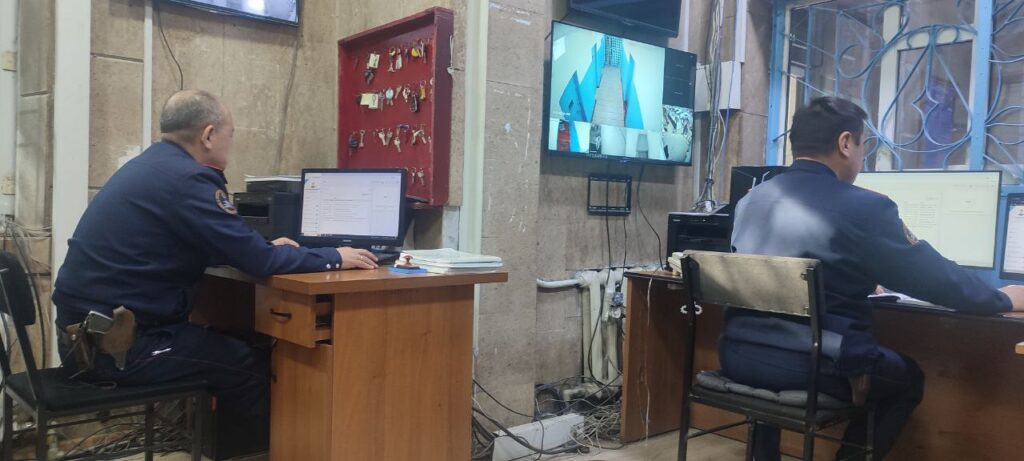
Kyrgyzstan has recorded an increase in telephone fraud cases involving AI. According to law enforcement agencies, dozens of citizens have fallen victim to such schemes, with total losses amounting to millions of soms. Fraudsters use AI tools to imitate voices and images, posing as law enforcement officers, representatives of the National Bank, or acquaintances of their targets. Police say international criminal groups most often target pensioners and public sector employees, including teachers, doctors, and other government workers, whom they consider more susceptible to social engineering tactics. Complaints are received on a regular basis, but in most cases the transferred funds cannot be recovered. Ulan Berdibayev, head of the Internal Affairs Department of Bishkek’s Leninsky district, told The Times of Central Asia that the schemes are organized and cross-border in nature. According to him, the networks involve multiple actors, including psychologists, call operators, and recruiters of so-called “droppers.” The latter are responsible for withdrawing funds and registering bank cards and SIM cards in their own names to facilitate the transit of money. A dropper is an individual whose bank details are used to transfer and cash out stolen funds. They are typically offered a small reward for their participation, while the bulk of the proceeds goes to the organizers of the scheme. Law enforcement officials acknowledge that apprehending the organizers, who are usually located abroad, is extremely difficult. After passing through several bank transfers, the funds are often converted into cryptocurrency, making them even harder to trace. At the same time, police report that several droppers have been detained within Kyrgyzstan. They face charges under Article 209 of the Criminal Code, which stipulates penalties including fines or imprisonment with terms ranging from five to ten years, depending on the scale of the damage. A recent case drew particular attention when fraudsters used AI to generate a fake image of former State Committee for National Security head Kamchibek Tashiev and circulated messages urging people to install a pirated application that granted access to users’ banking services.