• KGS/USD = 0.01144 0%
  • KZT/USD = 0.00215 0%
  • TJS/USD = 0.10641 0%
  • UZS/USD = 0.00008 0%
  • TMT/USD = 0.28530 0%
  • KGS/USD = 0.01144 0%
  • KZT/USD = 0.00215 0%
  • TJS/USD = 0.10641 0%
  • UZS/USD = 0.00008 0%
  • TMT/USD = 0.28530 0%
  • KGS/USD = 0.01144 0%
  • KZT/USD = 0.00215 0%
  • TJS/USD = 0.10641 0%
  • UZS/USD = 0.00008 0%
  • TMT/USD = 0.28530 0%
  • KGS/USD = 0.01144 0%
  • KZT/USD = 0.00215 0%
  • TJS/USD = 0.10641 0%
  • UZS/USD = 0.00008 0%
  • TMT/USD = 0.28530 0%
  • KGS/USD = 0.01144 0%
  • KZT/USD = 0.00215 0%
  • TJS/USD = 0.10641 0%
  • UZS/USD = 0.00008 0%
  • TMT/USD = 0.28530 0%
  • KGS/USD = 0.01144 0%
  • KZT/USD = 0.00215 0%
  • TJS/USD = 0.10641 0%
  • UZS/USD = 0.00008 0%
  • TMT/USD = 0.28530 0%
  • KGS/USD = 0.01144 0%
  • KZT/USD = 0.00215 0%
  • TJS/USD = 0.10641 0%
  • UZS/USD = 0.00008 0%
  • TMT/USD = 0.28530 0%
  • KGS/USD = 0.01144 0%
  • KZT/USD = 0.00215 0%
  • TJS/USD = 0.10641 0%
  • UZS/USD = 0.00008 0%
  • TMT/USD = 0.28530 0%

Viewing results 1 - 6 of 79

Air Pollution Research Center Opens at Osh State University with Japanese Support

A new Inter-Institutional Research Center for Air Pollution Studies (IRCAPS) has been inaugurated at Osh State University in southern Kyrgyzstan. The center is part of a five-year joint project between Osh State University and the Tokyo University of Science. Funded by the Japan International Cooperation Agency (JICA) and the Japan Science and Technology Agency (JST), the $5 million initiative includes full provision of technical equipment for the facility. The opening ceremony, held on November 18, was attended by Professor Nobutoshi Nawa, a leading scientist from the Tokyo University of Science, and Nishigato Kotaro, JICA’s representative in Kyrgyzstan. Osh State University Rector Kudaiberdi Kojobekov stated that the center's establishment represents a new phase in scientific and educational collaboration between Kyrgyzstan and Japan. The center will focus on studying the health impacts of air pollution. Monitoring equipment will be installed both indoors and outdoors in residential areas to assess air quality in Osh, Bishkek, and other regions. Japanese scientists will collaborate directly with Kyrgyz researchers, and the resulting data will be used to formulate policy recommendations for relevant institutions and stakeholders. The project is being carried out in coordination with the Ministry of Health, the Ministry of Natural Resources, Ecology, and Technical Supervision, the Hydrometeorological Service, the International Higher Medical School, the Osh City Administration, and various international partners. Air pollution remains a critical issue in Kyrgyzstan, particularly in its largest urban centers, Bishkek and Osh. Key sources include the widespread use of coal for heating and vehicle exhaust emissions.

Tashkent’s Air Pollution Crisis Sparks Public Concern and Expert Warnings

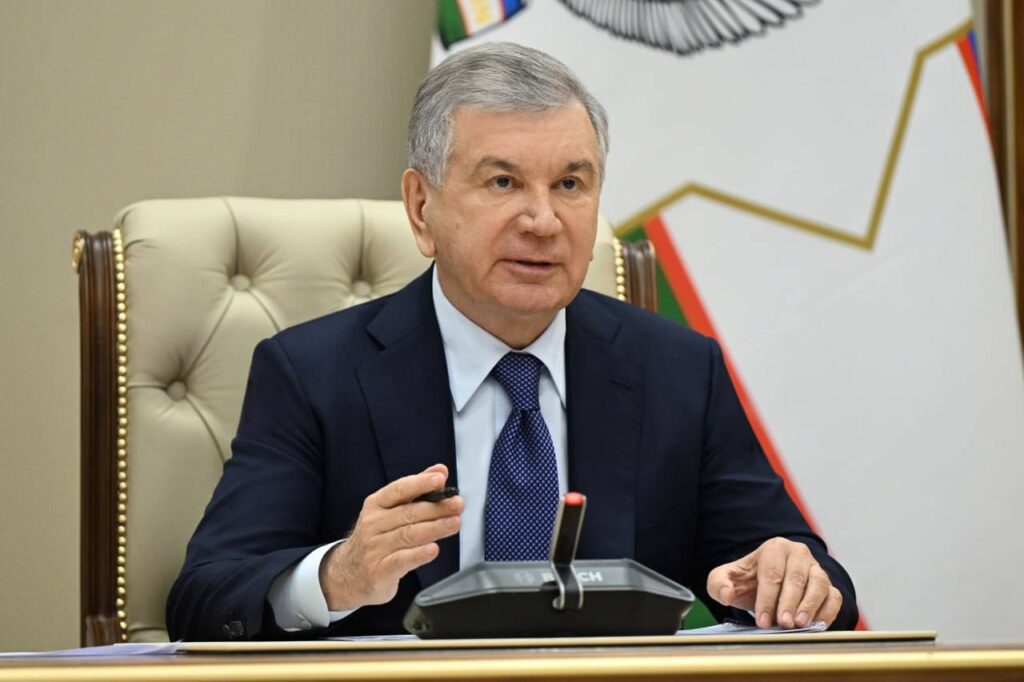
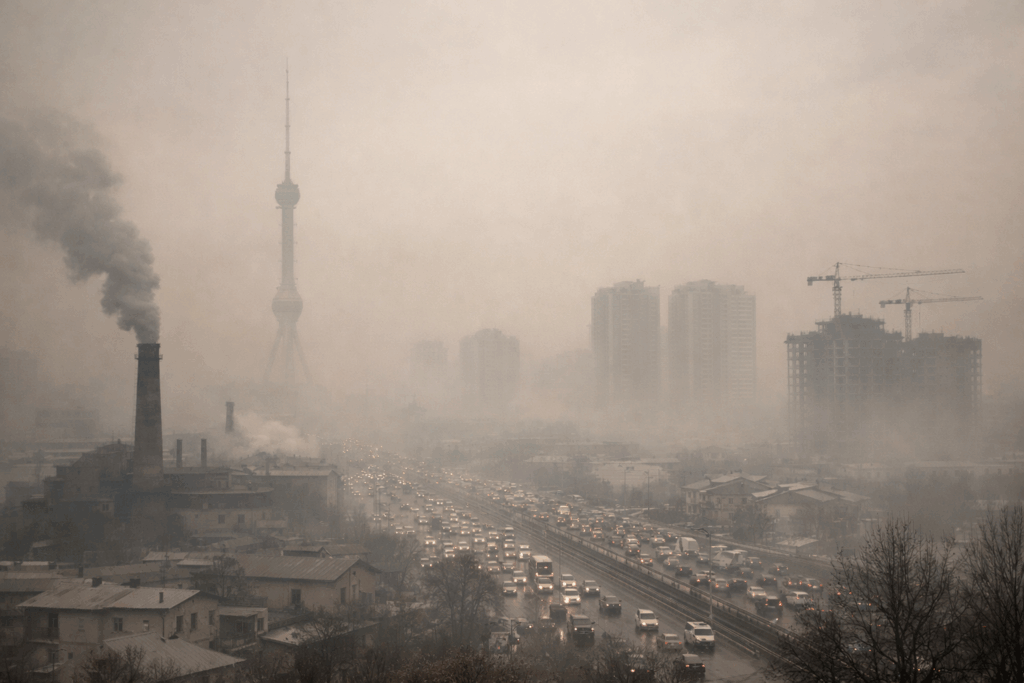
On November 20, local media reported that Tashkent briefly topped the global air pollution rankings compiled by IQAir, drawing urgent public attention to the capital’s worsening environmental conditions. According to IQAir, the city’s PM2.5 concentration reached 229 at 10:51 a.m. on November 21, placing Tashkent behind only Delhi and Lahore for hazardous air quality. Experts Warn of Long-Term Mismanagement Behind Toxic Air Environmental specialists attribute the crisis to deep-rooted structural mismanagement. Environmental advocate Mutabar Khushvaktova cited IQAir’s breakdown of primary pollution sources: summer dust storms (36%), heating systems running on coal and fuel oil in autumn and winter (28%), vehicle emissions (16%), and industrial activity (13%). Khushvaktova argued that ineffective oversight across construction, industry, transportation, and urban development has contributed to the current crisis. “Even after the Ministry of Ecology was established, conditions did not improve. Initially, the ministry reacted defensively to criticism but then stopped responding altogether. If this continues, public frustration will intensify and the economy will suffer. Illness will increase, productivity will fall, hospitals will be overwhelmed, and skilled professionals may leave the country,” she warned. She outlined several urgent steps: increased government transparency, expert-led planning, strict protection of green zones, enhanced oversight of construction sites, mandatory filtration at industrial plants, and boosted funding for water and glacier research. She also emphasized safeguarding forests, reservoirs, and nature reserves from tourism-related development and called for full reform of Tashkent’s landscaping department. “We need stable urban ecosystems, modern irrigation systems, restored canals, and composting initiatives. This work must be done in close cooperation with the Ecology Committee,” she said. Families in Tashkent Voice Growing Health Concerns Madina Mo‘minova, a writer and filmmaker known for her work on environmental themes in children’s literature, expressed grave concern for families in the capital. “Air quality in Uzbekistan, especially in Tashkent, has reached an unbearable level,” she said. “I fear for my children and grandchildren. People are afraid to open their windows or even go outside. Many are already thinking about leaving.” Mo‘minova noted that while the government has taken preliminary steps, the response needs to be more comprehensive and sustainable. “Greenhouses shouldn’t just be shut down, they need access to clean energy sources like natural gas to prevent recurring pollution after every inspection. We want to live in a safe, healthy country, not one teetering on ecological collapse,” she said. Urban Planners Call for Infrastructure Restoration and Stricter Oversight Temur Akhmedov, an expert on green urban development, stressed the importance of rehabilitating traditional infrastructure. “Restoring canals should be the top priority in Tashkent and other cities,” he said. “In many areas, the damage is extensive, but we must recover what we can.” He also advocated for halting new construction until a comprehensive environmental strategy is in place, along with enforcing dust-control measures at existing sites. These environmental concerns coincide with accelerated urban development plans. On November 20, President Shavkat Mirziyoyev signed a decree aimed at stabilizing the housing and mortgage markets. The initiative includes plans to double annual housing construction by 2040, reaching 421,000...

Kyrgyzstan Confronts Transport-Driven Air Pollution

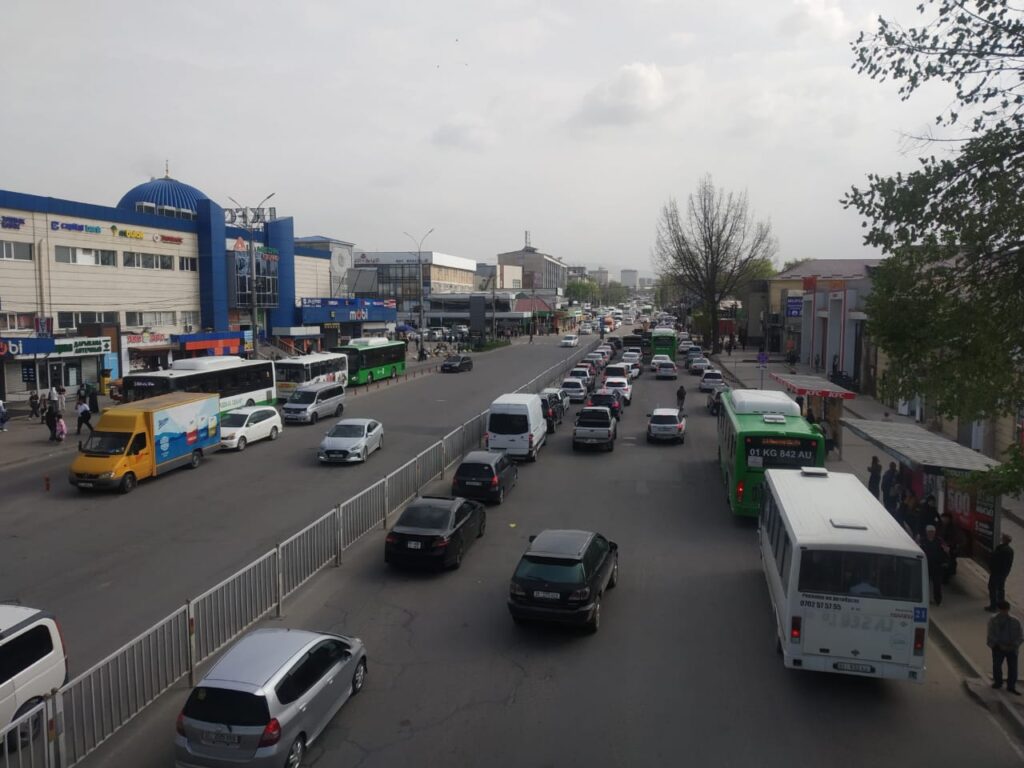
On October 21, Bishkek hosted the National Multi-Stakeholder Dialogue “Tackling Transport Air Pollution in Kyrgyzstan: Towards Clean Air in Cities All Year Round.” The event gathered representatives from government bodies, international organizations, environmental NGOs, academia, and civil society. Participants discussed coordinated actions and practical solutions to reduce air pollution and improve environmental conditions in Kyrgyz cities. Key proposals included transitioning to cleaner fuels, expanding public transport, improving energy efficiency, and implementing stricter emission standards. A systemic approach was emphasized, involving the promotion of electric vehicles, public environmental education, and robust air quality monitoring. Experts warned that transport-related pollution is a leading contributor to chronic diseases and premature death, particularly among vulnerable populations. Kyrgyz Minister of Natural Resources, Ecology and Technical Supervision, Meder Mashiev, highlighted that while previous efforts had focused on pollution during the heating season, new World Bank analysis shows that vehicle emissions significantly impact air quality year-round in Bishkek. According to the Ministry, vehicle emissions account for roughly 30% of air pollution in the capital. In 2024, 1,674,085 vehicles were registered in Kyrgyzstan, with 83% or 1,392,737, over 15 years old. In Bishkek, 426,946 vehicles were registered, including 333,801 older than 15 years, most of which do not meet modern environmental standards. The city administration reported that more than 750,000 vehicles operate on Bishkek’s roads daily, more than double the road network’s intended capacity of 350,000. This, combined with poor fuel quality and widespread reliance on private cars, has led to a systemic environmental challenge. Mashiev outlined several initiatives to address the issue. First, the city is transitioning to environmentally friendly public transport. Over 1,300 eco-friendly buses and 120 electric buses have been delivered to Bishkek. Each new bus replaces approximately four diesel buses, cutting diesel fuel consumption by around 100 tons per day. By the end of 2024, 3,535 electric vehicles were registered in the capital, and 44 charging stations had been installed. Second, modern air quality monitoring systems are being deployed to enable more accurate and responsive pollution tracking. Third, updates to the regulatory framework are being implemented to improve emission controls and compliance mechanisms. “We have already taken concrete steps to improve air quality in Bishkek, the use of low-quality coal has been banned, large-scale greening projects are underway, and an active transition to alternative energy sources is in progress,” said Mashiev. He concluded that similar measures would be introduced in other major cities across Kyrgyzstan, including Osh and Jalal-Abad.

Bishkek Authorities Ban Low-Quality Coal to Curb Air Pollution

On October 6, the Kyrgyz government banned the use of powder-like coal with particle sizes between 0-13 mm in Bishkek and the surrounding Chui region as part of a broader effort to combat air pollution and improve public health. According to the Ministry of Natural Resources, Ecology, and Technical Supervision, this fine-grade coal is inefficient for household heating and generates significant dust, contributing to particulate air pollution. The new regulation applies only to private households and does not affect heating plants or boiler facilities. As part of its wider decarbonization strategy, the Ministry of Finance has partnered with domestic banks to launch the Improving Air Quality project. This initiative supports the transition to modern, environmentally friendly heating systems and promotes cleaner household energy use. Funded through a $50 million loan from the International Development Association, the project will distribute $31.8 million in preferential loans via Aiyl Bank, Eldik Bank, and Bakai Bank. The program aims to reduce household coal consumption, promote energy-efficient heating, and expand access to cleaner technologies across the capital and beyond. Officials believe the project will help accelerate the adoption of eco-friendly heating solutions and improve urban air quality in Bishkek, a city of more than one million residents. Air pollution remains a chronic problem, particularly during winter months, when coal burning in households surges and accounts for an estimated 40% of the city's harmful emissions. Bishkek frequently ranks among the top 10 most polluted cities worldwide, according to IQAir’s global index.

Korean Firm to Reduce Emissions from Bishkek Heating Plant

On September 24, the Bishkek city administration and South Korea’s EcoMotion signed a memorandum of understanding aimed at cutting air pollution in the Kyrgyz capital. The agreement focuses on the introduction of advanced High Voltage Power Supply (HVPS) air purification technologies at the Bishkek Thermal Power Plant (TPP). The initiative begins with a preliminary feasibility study for installing high-voltage electrostatic precipitators, devices that use a strong electrostatic field to capture particulate matter such as dust and smoke from gas emissions. The technology is designed to reduce harmful pollutants produced by the thermal plant, which relies primarily on coal to generate electricity and heat for the city. The project forms part of the Bishkek City Development Program, which prioritizes clean air and improved environmental conditions. As previously reported by The Times of Central Asia, emissions from the Bishkek TPP account for approximately 15% of the city’s air pollution. The Bishkek thermal plant generates 13% of Kyrgyzstan’s electricity, the majority of which is otherwise supplied by hydropower, and provides heat and hot water to nearly two-thirds of the capital’s population. Air quality remains a serious concern in Bishkek, a city of over one million residents. Pollution levels spike during winter months, when widespread coal burning for residential heating significantly increases emissions. Bishkek frequently ranks among the top 10 most polluted cities worldwide, according to IQAir’s global air quality index.

Survey Reveals 41% of Bishkek Residents Use Private Cars, Exacerbating Air Pollution

As part of preparations for a new urban development plan, Bishkek’s municipal authorities have conducted a comprehensive survey to understand how residents of the capital and its suburbs navigate the city. According to the results, 41% of respondents rely on private transportation, including personal vehicles and taxis, while 38% use municipal public transport, primarily buses. The remaining 21% get around on foot, by bicycle, or by scooter, including electric scooters. The most frequented destination for city residents is the downtown area, which accounts for the majority of work-related and other daily trips. The Bishkek City Administration stated that the survey data will be used to design a more efficient and balanced urban transportation system aimed at enhancing public transit services. Traffic congestion remains a critical issue in Bishkek, a city experiencing rapid population growth. According to the Ministry of Natural Resources, Ecology, and Technical Supervision, motor vehicles, particularly older models lacking catalytic converters, are responsible for approximately 30% of the city’s air pollution. Vehicle numbers in the capital have surged in recent years. Bishkek now hosts more than 700,000 vehicles, nearly double the road infrastructure’s intended capacity of 350,000. Over 300,000 of these vehicles are more than 15 years old, making them significant contributors to harmful emissions. In response, the city has taken steps to modernize its public transportation fleet. Recent initiatives include replacing diesel-powered buses with larger, more environmentally friendly models powered by liquefied petroleum gas (LPG).