• KGS/USD = 0.01144 0%
  • KZT/USD = 0.00205 0%
  • TJS/USD = 0.10761 0%
  • UZS/USD = 0.00008 0%
  • TMT/USD = 0.28490 0%
  • KGS/USD = 0.01144 0%
  • KZT/USD = 0.00205 0%
  • TJS/USD = 0.10761 0%
  • UZS/USD = 0.00008 0%
  • TMT/USD = 0.28490 0%
  • KGS/USD = 0.01144 0%
  • KZT/USD = 0.00205 0%
  • TJS/USD = 0.10761 0%
  • UZS/USD = 0.00008 0%
  • TMT/USD = 0.28490 0%
  • KGS/USD = 0.01144 0%
  • KZT/USD = 0.00205 0%
  • TJS/USD = 0.10761 0%
  • UZS/USD = 0.00008 0%
  • TMT/USD = 0.28490 0%
  • KGS/USD = 0.01144 0%
  • KZT/USD = 0.00205 0%
  • TJS/USD = 0.10761 0%
  • UZS/USD = 0.00008 0%
  • TMT/USD = 0.28490 0%
  • KGS/USD = 0.01144 0%
  • KZT/USD = 0.00205 0%
  • TJS/USD = 0.10761 0%
  • UZS/USD = 0.00008 0%
  • TMT/USD = 0.28490 0%
  • KGS/USD = 0.01144 0%
  • KZT/USD = 0.00205 0%
  • TJS/USD = 0.10761 0%
  • UZS/USD = 0.00008 0%
  • TMT/USD = 0.28490 0%
  • KGS/USD = 0.01144 0%
  • KZT/USD = 0.00205 0%
  • TJS/USD = 0.10761 0%
  • UZS/USD = 0.00008 0%
  • TMT/USD = 0.28490 0%

Viewing results 1 - 6 of 8

From Culture to Critical Minerals: C5+1 Opens Busy U.S. Week in Central Asia

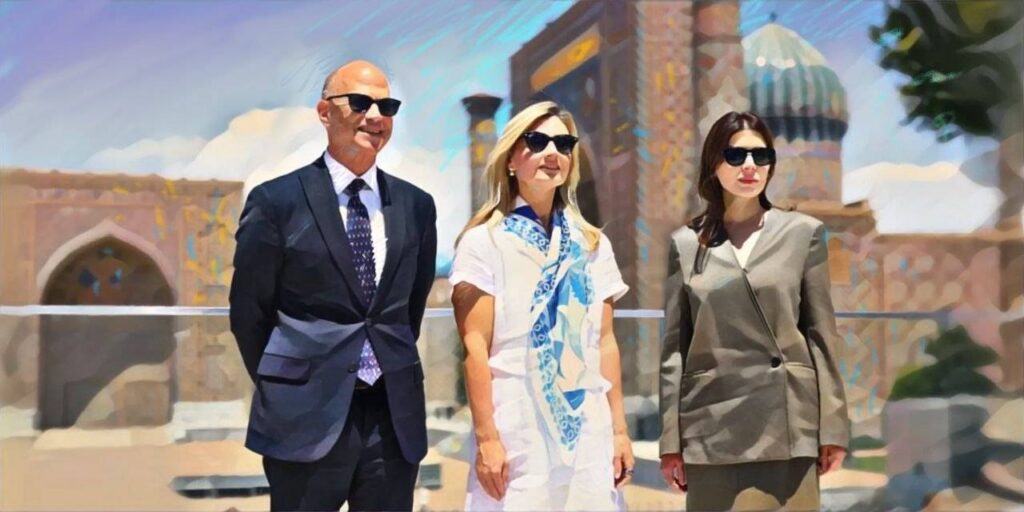
The United States and Central Asia moved another part of the C5+1 agenda into a working-level form on June 5, when culture officials from the five Central Asian states and Washington met in Tashkent. The meeting came just days before a separate C5+1 critical minerals session in Astana, giving the week a wider agenda: cultural heritage, public diplomacy, mining, investment, and supply chains are now moving forward in the same regional format. The Tashkent meeting brought together Uzbekistan's Minister of Culture Ozodbek Nazarbekov, Kazakhstan's Minister of Culture and Information Aida Balayeva, Kyrgyzstan's Minister of Culture, Information and Youth Policy Mirbek Mambetaliev, Tajikistan's Minister of Culture Matluba Sattoriyon, Turkmenistan's Deputy Minister of Culture Gurbanmurad Miradaliev, and Sarah Rogers, the U.S. Under Secretary of State for Public Diplomacy and Public Affairs. The agenda covered cultural and humanitarian cooperation, joint cultural projects, creative exchanges, and the protection and promotion of cultural heritage. Participants discussed a permanent C5+1 Working Group on Culture, a C5+1 Culture and Innovation Forum, closer cooperation in the creative industries, and more places for Central Asian cultural professionals in U.S. education and exchange programs. Uzbekistan also proposed joint English for Culture centers with U.S. partners at cultural education institutions. In practical terms, that could mean joint training for museum staff, touring exhibitions, film and music exchanges, English-language programs for curators and cultural managers, and U.S.-backed workshops for people working in heritage, tourism, and the creative industries. For Uzbekistan, the proposed centers would give the agenda a physical base inside cultural education institutions rather than leaving it at the level of declarations. The meeting ended with a protocol, which reaffirmed the parties' commitment to the cultural heritage agenda adopted after the Washington summit in November 2025. The International Institute for Central Asia said it covered cooperation through joint events and festivals in art, literature, theater, cinema, and music. Kazakhstan's side also tied the discussion to museum partnerships, digitization of heritage, professional exchanges, tourism routes, and digital projects. The Tashkent talks grew out of the C5+1 leaders’ meeting in Washington, where culture joined a wider list of priorities. That summit marked ten years of U.S. engagement with the region through the format, which began in 2015 and has since expanded from foreign-minister meetings to expert groups and presidential-level summits. The Times of Central Asia previously reported that the November 2025 summit shifted the format from broad diplomacy toward deliverable agreements, with critical minerals, aviation, supply chains, and business ties among the main areas of focus. Culture fits into that agenda, as Central Asian governments see heritage, tourism, film, music, museums, and the creative industries as economic sectors as well as identity markers. For the United States, public diplomacy gives Washington a way to stay active in the region outside security and energy talks. It also gives the C5+1 a soft-power layer, using language programs, museum links, heritage projects, and creative exchanges to build influence without framing the relationship only around security or resources. Heritage protection has a security side as well. Trafficking...

Astana Mining Congress to Highlight Kazakhstan’s Role in Critical Minerals

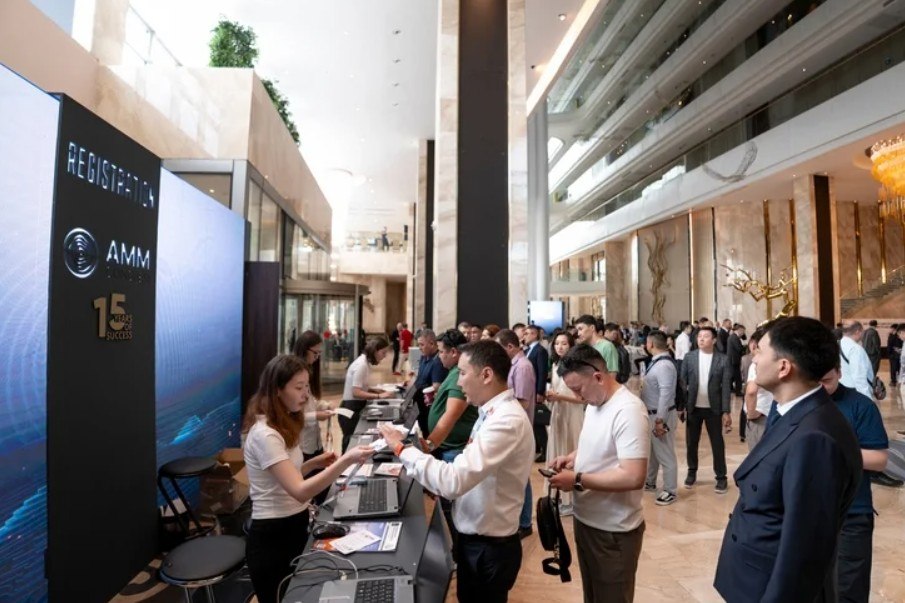
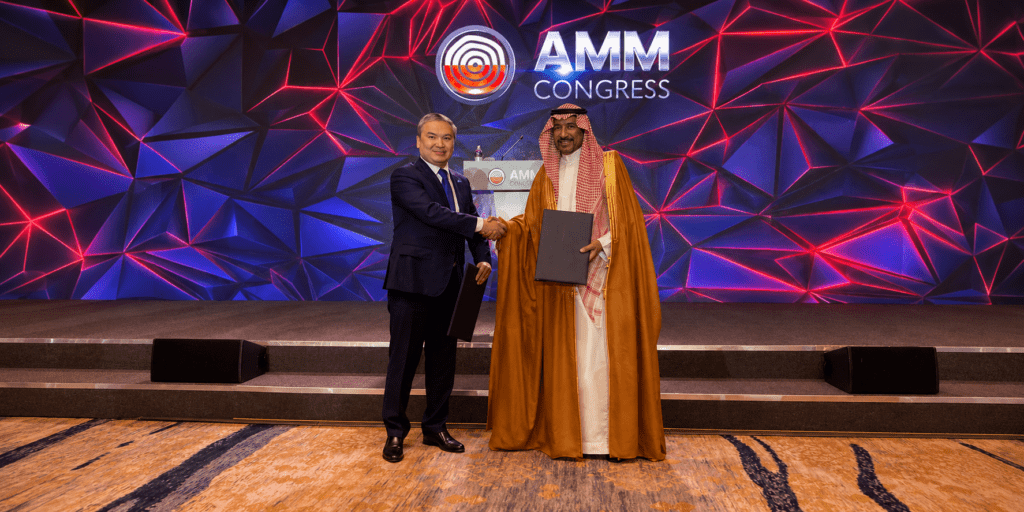
The 16th International Mining and Metallurgy Congress and Exhibition, Astana Mining & Metallurgy (AMM) 2026, will take place on June 11-12 at the Hilton Astana, bringing together mining and metals companies, investors, technology suppliers, government officials, and industry experts. The forum comes as Kazakhstan is trying to strengthen its position in the global critical minerals race. The country already has a large extractive base, but officials and industry groups are increasingly focused on processing, technology, and investment partnerships rather than raw-material exports alone. Kazakhstan’s appeal lies not only in the size of its mineral base, but also in the timing. The U.S. Department of Commerce says the country has substantial reserves of rare earth elements, copper, lithium, tungsten, tantalum, and other materials used in clean energy, advanced manufacturing, and defense technologies. The European Union has also signed a strategic partnership with Kazakhstan on raw materials, batteries, and renewable hydrogen, underscoring Astana’s growing role in efforts to diversify supply chains away from dominant producers. According to Kazakhstan's Bureau of National Statistics, the country's industrial production index reached 107.5% in 2025. Mining and quarrying grew by 9.4%, driven by higher production of coal, crude oil, natural gas, and other minerals. Organizers said the wider mining and metallurgical complex, including related industries such as mechanical engineering, logistics, energy, and industrial services, may account for up to a quarter of Kazakhstan's economy. Against that backdrop, they said the sector needs new investment, technological solutions, and expanded international partnerships. Alongside the congress, an international specialized exhibition dedicated to mining and metallurgical technologies will be held. The exhibition will feature solutions for geological exploration, extraction and processing of raw materials, industrial automation, and workplace safety. Companies from Germany, Kazakhstan, Canada, China, Russia, Saudi Arabia, Finland, France, the Czech Republic, and Sweden are expected to participate. National delegations from Canada, Saudi Arabia, the United States, and Sweden are also expected to attend. Among the new participants announced by organizers are INCO Engineering, ABP Engineering, David Brown Santasalo, and Actuator Service. Last year's event attracted about 2,900 industry professionals, while 50 companies participated in the exhibition. The business program will be held under the slogan “From the Depths of the Earth to the Heights of Intelligence,” with a focus on digitalization and technological transformation in the industry. The first day will include a plenary session on global partnerships in mining and metallurgy, as well as panel discussions on international metals trade, the investment climate, taxation, and critical minerals. Particular attention will be paid to copper's role as a strategic metal. Copper is central to electrification, grid expansion, and data infrastructure, making it one of the metals most closely tied to the energy transition. The critical minerals component gives the event a wider geopolitical significance. Kazakhstan's Foreign Ministry said in April that Astana had invited the U.S. Under Secretary of State for Economic Affairs Jacob Helberg to participate in AMM and the first C5+1 Critical Minerals Dialogue, both scheduled for June in Astana. The C5+1 format brings together the...