• KGS/USD = 0.01144 0%
  • KZT/USD = 0.00203 0%
  • TJS/USD = 0.10563 -0.09%
  • UZS/USD = 0.00008 0%
  • TMT/USD = 0.28490 0%
  • KGS/USD = 0.01144 0%
  • KZT/USD = 0.00203 0%
  • TJS/USD = 0.10563 -0.09%
  • UZS/USD = 0.00008 0%
  • TMT/USD = 0.28490 0%
  • KGS/USD = 0.01144 0%
  • KZT/USD = 0.00203 0%
  • TJS/USD = 0.10563 -0.09%
  • UZS/USD = 0.00008 0%
  • TMT/USD = 0.28490 0%
  • KGS/USD = 0.01144 0%
  • KZT/USD = 0.00203 0%
  • TJS/USD = 0.10563 -0.09%
  • UZS/USD = 0.00008 0%
  • TMT/USD = 0.28490 0%
  • KGS/USD = 0.01144 0%
  • KZT/USD = 0.00203 0%
  • TJS/USD = 0.10563 -0.09%
  • UZS/USD = 0.00008 0%
  • TMT/USD = 0.28490 0%
  • KGS/USD = 0.01144 0%
  • KZT/USD = 0.00203 0%
  • TJS/USD = 0.10563 -0.09%
  • UZS/USD = 0.00008 0%
  • TMT/USD = 0.28490 0%
  • KGS/USD = 0.01144 0%
  • KZT/USD = 0.00203 0%
  • TJS/USD = 0.10563 -0.09%
  • UZS/USD = 0.00008 0%
  • TMT/USD = 0.28490 0%
  • KGS/USD = 0.01144 0%
  • KZT/USD = 0.00203 0%
  • TJS/USD = 0.10563 -0.09%
  • UZS/USD = 0.00008 0%
  • TMT/USD = 0.28490 0%
20 February 2026

Viewing results 1 - 6 of 9

Why Kazakhstan Is Not Celebrating Its Multi-Billion-Dollar Win in the Karachaganak Oil Arbitration Just Yet

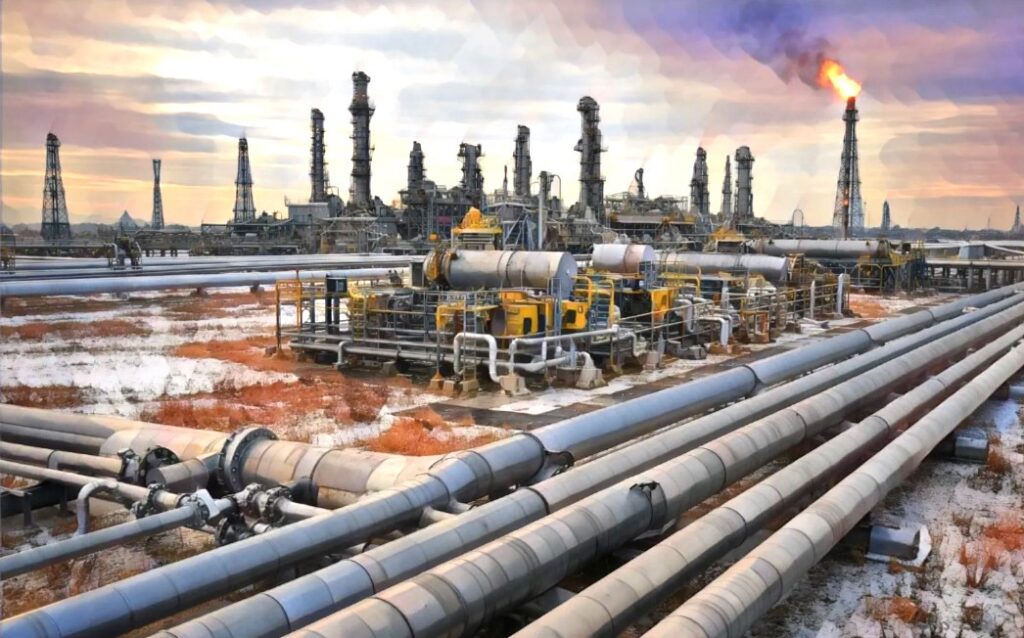
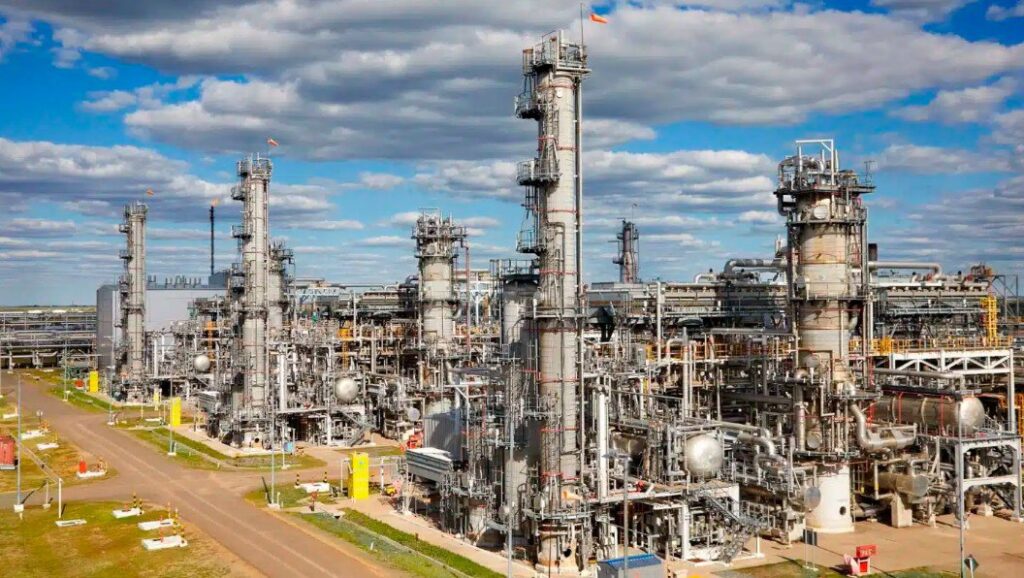
In late January 2026, international media reported that Kazakhstan had won a significant arbitration case against the shareholders of the Karachaganak oil field, with compensation estimated between $2 billion and $4 billion. The Ministry of Energy has not commented on the substance of the ruling, citing confidentiality, though experts say it strengthens Kazakhstan’s position in ongoing legal proceedings related to the Kashagan oil field. According to Bloomberg and Reuters, the Kazakh government initiated legal action in 2023 over what it described as unjustified cost deductions. Originally filed for $3.5 billion, the claim later expanded to include additional allegations, such as inflated expenses tied to corruption. In 2025, the shareholders of Karachaganak Petroleum Operating proposed settling the dispute by financing a domestic gas processing plant in Kazakhstan. The government rejected the proposal, however, and arbitration continued, resulting in a ruling in favor of Kazakhstan. Sources familiar with the proceedings said the consortium, led by Eni and Shell, has been ordered to pay compensation of up to $4 billion. The tribunal has yet to finalize the exact amount. As the arbitration process remains confidential, sources requested anonymity, noting that the Karachaganak consortium still has the option to appeal. While the ruling represents a partial victory, Kazakhstan had originally sought a significantly higher sum; the tribunal accepted the government's core argument: under the production sharing agreement (PSA), the consortium charged the state for unapproved and non-reimbursable expenses. Kazakhstan’s external legal advisers estimate the final payment will range between $2 billion and $4 billion. According to sources familiar with the proceedings, the recovery mechanism will likely involve revisions to the oil distribution formula within the PSA. In its written decision, the tribunal referenced Kazakhstan’s own admission that it had tolerated “corruption and kleptocracy” until 2022. A source familiar with the ruling said Kazakh officials had accepted bribes to approve inflated costs at Karachaganak, expenses that were then inappropriately reimbursed by the state. During the arbitration, Kazakhstan’s legal team presented documents from criminal proceedings in Italy. These revealed that, in 2017, several Italian contractors pleaded guilty to bribing Kazakh officials to secure contracts at both Karachaganak and the Kashagan offshore field. Oil and gas analyst Olzhas Baidildinov said the ruling gives Kazakhstan a stronger position in the Kashagan case. He asserted that Kazakhstan can now “firmly defend its rights in major oil and gas projects,” and that the "decades of privileged status enjoyed by foreign oil and gas majors in Kazakhstan's oil industry are over.” Baidildinov added that the operating models at Karachaganak and Kashagan are likely to be restructured and possibly “de-Italianized”. He also criticized the national oil company, KazMunayGas, for its silence on the Tengizchevroil (TCO) expansion project, whose capital expenditure has surged from $12 billion to $48.5 billion. Drawing comparisons to Uzbekistan, Baidildinov noted that former Uzbekneftegaz head Bahodir Sidikov was dismissed in December 2025 and later detained on corruption charges. In the same month, presidential energy adviser Alisher Sultanov was also removed. “I’m astonished that, while regional Kazakh officials are being...

Shell and Eni Face Up to $4 Billion Payout to Kazakhstan After Arbitration Ruling

Oil and gas majors Shell and Eni, key stakeholders in Kazakhstan’s Karachaganak field, have lost a key stage in an international arbitration case in London and may be required to pay the Kazakh government between $2 billion and $4 billion in compensation. The decision was first reported by Bloomberg. According to the ruling, the arbitration panel upheld Kazakhstan’s argument that the project operators had charged the state under a production sharing agreement (PSA) for unapproved cost overruns and other ineligible expenses. The tribunal found that a significant share of the disputed costs should not have been recovered from the state, siding with Kazakhstan on the central legal question. The arbitration proceedings were conducted behind closed doors, in line with standard practice for PSA disputes. The final compensation amount has yet to be determined, and the ruling remains subject to appeal. However, Bloomberg reported that the tribunal concluded the consortium must return a substantial portion of the contested funds, a decision that could require changes to the PSA’s oil and gas distribution formula. Karachaganak is one of Kazakhstan’s largest oil and gas projects and a cornerstone of the country’s energy sector. The field is operated by the Karachaganak Petroleum Operating consortium, which includes Shell, Eni, Chevron, Kazakhstan’s national oil and gas company KazMunayGas, and Russia’s Lukoil. The Kazakh government initially sought more than $6 billion in compensation, arguing that improper cost recovery had reduced state revenues over several years. The dispute was formally launched in 2023 and followed a broader effort by Kazakhstan to assert stricter oversight over major hydrocarbon projects governed by PSAs. In 2024, international partners reportedly proposed resolving the dispute by constructing a long-delayed gas processing plant at Karachaganak to supply the domestic market, an offer seen as an attempt to reach a negotiated settlement. The plant has long been a point of contention, with Kazakhstan pushing for increased gas processing capacity inside the country rather than exporting raw gas. Kazakhstan’s Ministry of Energy has declined to provide further details on the arbitration, citing confidentiality provisions. In response to an inquiry from BAQ.KZ, the ministry said: “All arbitration materials are subject to the confidentiality of the production sharing agreement and the arbitration agreement between the parties. Until the restrictions are lifted, it is not possible to provide any information.” The ruling marks one of the most significant recent legal setbacks for foreign oil companies operating in Kazakhstan in recent years and could have broader implications for how costs are approved and recovered under PSAs across the country’s energy sector.

Uzbektelecom Responds to Arbitration Case Filed by Humans Mobile

Following the news that Humans Mobile Ltd has launched an international arbitration case against Uzbekistan, state-owned telecom operator Uzbektelecom has publicly denied any wrongdoing and accused the company of failing to pay its contractual debts. On June 3, the International Centre for Settlement of Investment Disputes (ICSID), part of the World Bank Group, registered the case filed by Humans Mobile Ltd, a subsidiary of the Singapore-based Humans Group. The company alleges that Uzbekistan violated a 2003 bilateral investment treaty between the two nations. According to Humans Mobile, actions taken by Uzbek authorities disrupted its business operations and undermined the investment climate. In response, Uzbektelecom issued a detailed statement rejecting the accusations. The company stated that Humans Mobile has been using Uzbektelecom’s infrastructure since 2020 without developing its own network, unlike other mobile operators in the country. “Humans continues to earn money by using our mobile network but delays payment for the services,” Uzbektelecom said. The operator claimed that repeated warnings were issued to Humans about possible service disconnection due to unpaid debts. In turn, Humans filed a complaint with the Committee on Competition, alleging unfair treatment. Some media outlets have suggested that Uzbektelecom may be leveraging its dominant market position to exert pressure on the Humans Group. Uzbektelecom dismissed these claims, asserting that Humans Group is free to contract with other providers such as Ucell, Beeline, or Mobi.uz. The company emphasized that no legislation mandates virtual mobile operators to exclusively use Uzbektelecom’s infrastructure. Uzbektelecom also highlighted its broader contributions to national digital development. Between 2017 and 2024, the company claims it reduced the cost of 1 Mbps of internet bandwidth for local providers by a factor of 40. Despite what it describes as repeated contractual violations by the group, Uzbektelecom says it continued to provide service in order to avoid disruption for end-users, including those who are not direct customers. On May 8, the Tashkent Economic Court ruled in favor of Uzbektelecom, ordering Humans Group to settle its outstanding debt. The company said it may pursue additional legal action to protect its reputation should misinformation continue to circulate. Uzbektelecom concluded its statement by reaffirming its commitment to fair competition, transparency, and open dialogue with all market participants, including Humans Mobile,  provided contractual obligations are met.

Humans Group Files Arbitration Against Uzbekistan Over Alleged Investment Violations

Humans Mobile Ltd, a subsidiary of the Singapore-based Humans Group, has initiated arbitration proceedings against Uzbekistan at the World Bank’s International Centre for Settlement of Investment Disputes (ICSID). The case, registered under ARB/25/24, alleges that Uzbekistan violated a 2003 bilateral investment treaty between the two countries. According to an official statement published by Bilaterals, Humans Mobile seeks compensation for damages it claims were caused by the actions of several Uzbek state authorities. The company argues that these actions disrupted its operations and compromised the rule of law in the country. “We have always believed in Uzbekistan and its citizens,” said Vladimir Dobrynin, CEO and founder of Humans Group. “But transformation efforts must be supported by fair and predictable rules. Arbitration is a standard process to protect investors against unfair treatment.” Dobrynin added that the arbitration aims not only to secure compensation but also to promote legal stability and strengthen the investment climate in Uzbekistan. Humans Group operates in the United States, Uzbekistan, Poland, Singapore, and Germany. Its Uzbek venture, Humans.uz, functions as a “super app” combining financial services, mobile communications, grocery delivery, and online retail. Market Dispute with Uzbektelecom In a separate but related development, Humans filed a complaint on May 8, 2025, with Uzbekistan’s Antimonopoly Committee, requesting an investigation into the state-owned telecom operator Uzbektelecom. The company accuses Uzbektelecom of abusing its dominant market position by maintaining high internet prices. As a Mobile Virtual Network Operator (MVNO), Humans relies on Uzbektelecom’s infrastructure under a contract signed in May 2020. According to the complaint, while global internet prices have declined since 2021, Uzbektelecom has not adjusted its rates accordingly. Humans argues that despite lowering its own prices to stay competitive, unchanging infrastructure costs now account for 58% of its total service costs, making its business model unsustainable. “There is no economic reason to maintain such high prices. Uzbektelecom is receiving unjustified profit at the expense of infrastructure users like us,” the company stated in its complaint, as quoted by Spot. Humans also revealed that it has incurred significant debt due to what it describes as “monopoly-level pricing.” In a March 27, 2024, warning letter, Uzbektelecom demanded repayment of 532 billion Uzbek soums, comprising 361 billion in outstanding payments and over 170 billion in penalties. The company warned that internet speeds would be throttled starting March 1, 2025, with full disconnection by June 1 if the debt remains unpaid. Legal action may also follow. Uzbekistan’s Track Record in Arbitration This is not the first time Uzbekistan has faced international arbitration. The Times of Central Asia previously reported that Uzbekistan won a case brought by Turkish textile firm Bursel Tekstil, which had sought $700 million in damages over alleged breaches of cotton pricing and tax policy commitments. The tribunal ultimately ruled in favor of Uzbekistan and ordered Bursel to pay legal costs. In another high-profile case reported by The Times of Central Asia, the ICSID ruled in May 2024 that Kyrgyzstan must return four resorts to Uzbekistan. The tribunal found that Kyrgyzstan...

Uzbekistan Wins Arbitration Case Against Turkish Textile Company

On October 10, 2024, the International Centre for Settlement of Investment Disputes (ICSID) announced its decision in the case between Turkish company Bursel Tekstil Sanayi ve Dış Ticaret A.Ş. and Uzbekistan. According to Uzbekistan’s Ministry of Justice, the tribunal rejected all claims made by Bursel Tekstil. The dispute began in July 2017, when Bursel Tekstil accused the Uzbek government of breaching promises related to cotton pricing and tax policies, actions the company claimed had led to its bankruptcy. Bursel Tekstil sought approximately $700 million in compensation. However, the tribunal ruled in favor of Uzbekistan and ordered Bursel Tekstil to cover the country's legal costs. Bursel Tekstil had invested in Uzbekistan’s textile industry in the early 2000s, helping to build a textile plant in Tashkent with funding from the OPEC Fund for International Development and the European Bank for Reconstruction and Development. By 2011, the company operated three factories in Uzbekistan. Uzbekistan was represented in the arbitration by the Ministry of Justice and the American law firm White & Case. Under ICSID rules, the tribunal’s decision is final and binding. Previously, The Times of Central Asia reported on another ICSID decision in May 2024, ordering the return of four resorts in Kyrgyzstan to Uzbekistan. In that case, Uzbekistan successfully argued that Kyrgyzstan had violated a 1992 agreement among former Soviet Union countries, which stipulates that property belonging to one country but located on the territory of another remains the property of the original owner.