• KGS/USD = 0.01143 0%
  • KZT/USD = 0.00213 0%
  • TJS/USD = 0.10593 0.47%
  • UZS/USD = 0.00008 0%
  • TMT/USD = 0.28571 0%
  • KGS/USD = 0.01143 0%
  • KZT/USD = 0.00213 0%
  • TJS/USD = 0.10593 0.47%
  • UZS/USD = 0.00008 0%
  • TMT/USD = 0.28571 0%
  • KGS/USD = 0.01143 0%
  • KZT/USD = 0.00213 0%
  • TJS/USD = 0.10593 0.47%
  • UZS/USD = 0.00008 0%
  • TMT/USD = 0.28571 0%
  • KGS/USD = 0.01143 0%
  • KZT/USD = 0.00213 0%
  • TJS/USD = 0.10593 0.47%
  • UZS/USD = 0.00008 0%
  • TMT/USD = 0.28571 0%
  • KGS/USD = 0.01143 0%
  • KZT/USD = 0.00213 0%
  • TJS/USD = 0.10593 0.47%
  • UZS/USD = 0.00008 0%
  • TMT/USD = 0.28571 0%
  • KGS/USD = 0.01143 0%
  • KZT/USD = 0.00213 0%
  • TJS/USD = 0.10593 0.47%
  • UZS/USD = 0.00008 0%
  • TMT/USD = 0.28571 0%
  • KGS/USD = 0.01143 0%
  • KZT/USD = 0.00213 0%
  • TJS/USD = 0.10593 0.47%
  • UZS/USD = 0.00008 0%
  • TMT/USD = 0.28571 0%
  • KGS/USD = 0.01143 0%
  • KZT/USD = 0.00213 0%
  • TJS/USD = 0.10593 0.47%
  • UZS/USD = 0.00008 0%
  • TMT/USD = 0.28571 0%

Viewing results 1 - 6 of 32

Kyrgyzstan Faces Elite Realignment as Tashiyev Network Comes Under Pressure

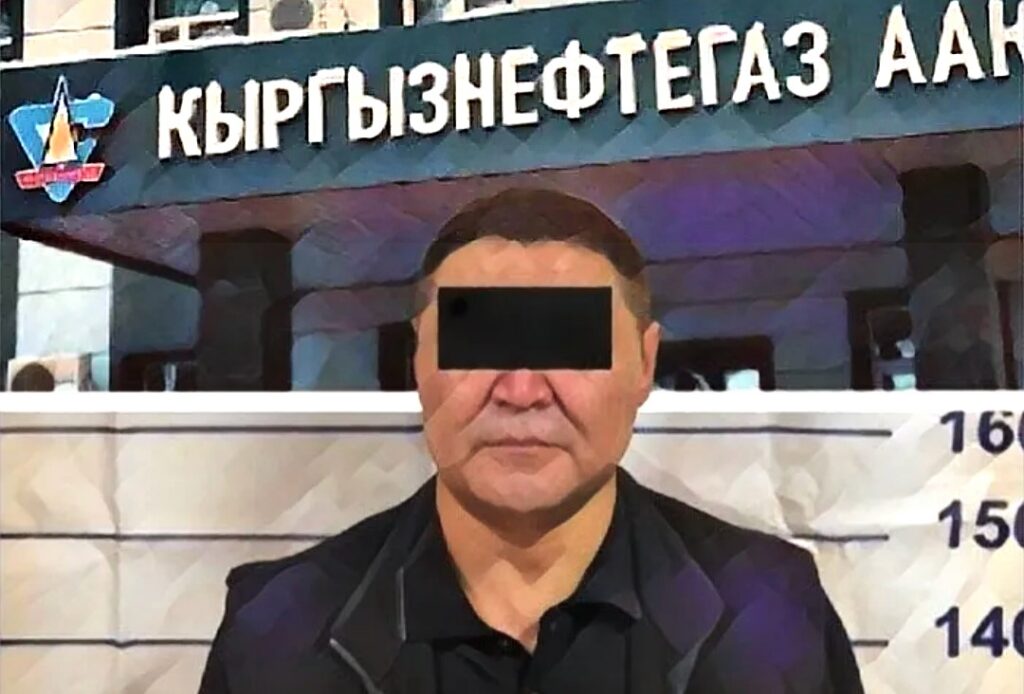
In the last week, political tensions in Kyrgyzstan have risen following the arrest of Shairbek Tashiyev, the brother of Kamchybek Tashiyev, the former head of the State Committee for National Security (GKNB). Shairbek, a former member of the Jogorku Kenesh, Kyrgyzstan’s parliament, was detained on April 1 following questioning at the Ministry of Internal Affairs. The case unfolds against the backdrop of a widening rift between President Sadyr Japarov and his once long-time ally Tashiyev, who played a key role in helping Japarov consolidate power following the political upheaval of October 2020. After coming to power, President Japarov and Tashiyev built one of the most consolidated political tandems in Kyrgyzstan’s post-Soviet history, concentrating authority across the presidency, parliament, and security structures. In February, Tashiyev was removed from his position, followed by what observers described as a broader sidelining of his allies within security structures and parliament. This fueled speculation about a breakdown in the political partnership that had underpinned relative stability in recent years. Shairbek Tashiyev is now a central suspect in a corruption investigation involving the state-owned company Kyrgyzneftegaz. The Ministry of Internal Affairs announced the criminal case on March 17, following materials released by the State Tax Service alleging financial misconduct within the company. According to investigators, former executives of Kyrgyzneftegaz and affiliated private entities were detained shortly after the case was opened. A criminal case was initiated under Article 336 of the Criminal Code, alleging “Corruption.” Among those detained was former National Bank head Melis Turgunbayev, whose pretrial detention was later changed to house arrest by a court in Bishkek. It later emerged that another of those initially detained was Baigazy Matisakov, identified as a nephew of Kamchybek Tashiyev. He was subsequently released after reportedly reaching an agreement with investigators. On April 2, a court ordered Shairbek Tashiyev to remain in custody until May 16, 2026. His lawyer stated that he denies the charges and considers them unfounded. The investigation, led by the State Tax Service and the Ministry of Internal Affairs, covers Kyrgyzneftegaz’s operations from 2021 to 2025. Authorities allege total financial violations amounting to 4.1 billion soms (approximately $46.5 million), including lost profits and unpaid taxes. Investigators have outlined three main alleged schemes that they are continuing to investigate. The first involved intermediary companies allegedly linked to individuals close to the Tashiyev family, which resold oil to the Kyrgyz Petroleum Company refinery. The second involved the write-off of raw materials, with around 20,000 tons of oil reportedly classified as “technological losses” beyond established norms. The third concerned preferential sales, with diesel and fuel oil allegedly sold at below-market prices to favored companies. The case is being watched closely in Kyrgyzstan, where elite reshuffles have historically signaled broader political realignments rather than isolated legal actions. It remains unclear whether the investigation will expand further and implicate additional individuals connected to Tashiyev or what the potential impact could be on the broader political environment within the country. 

Tajik Citizens Arrested in U.S. in Connection with ATM Cyberattack

U.S. authorities have charged two Tajik nationals and one Iranian citizen with orchestrating a cyberattack on ATMs to steal cash using a method known as "jackpotting." Two of the suspects have already been apprehended. Law enforcement in Lincoln County, North Carolina, identified the suspects as 26-year-old Nurmuhammad Rahmonzoda, 35-year-old Firdavs Rajabov, and 36-year-old Milod Avazdavani of Iran. The crimes reportedly occurred in February 2025 in the state of Maine. Investigators were able to identify the suspects using CCTV footage and license plate recognition systems. The group allegedly employed jackpotting, a cyber intrusion technique that manipulates ATMs into dispensing cash without recording a legitimate transaction. The investigation was launched after multiple banks reported technical issues with their self-service terminals. Authorities later determined the cyberattacks had been premeditated and synchronized across several ATM locations. In total, the group is accused of stealing more than $10,000. Avazdavani was arrested on March 13, 2025, in Charleston, South Carolina. Rahmonzoda was detained two weeks later in Florida and transferred to Maine. Authorities have not confirmed whether Rajabov has been taken into custody. Rahmonzoda has been formally charged with theft. A court has ordered him to pay $38,480 in restitution to the victims. If he fulfils the court’s compensation order, the felony charge may be downgraded to a misdemeanor, though full criminal liability will still apply. Further proceedings in the case are set to continue in Florida. Previously, U.S. media reported the arrests of other Tajik citizens in unrelated cases involving terrorism and immigration violations.

Turkish Police Detain Teenagers Linked to ISIS, Including Turkmen Citizen

Turkish security forces have detained two teenagers in Istanbul, one identified as a Turkmen national, on suspicion of planning terrorist attacks and communicating with members of the so‑called Islamic State (ISIS), Turkish press reported. The arrests were carried out in two Istanbul districts after police discovered evidence of contact with ISIS operatives on encrypted messaging apps. Authorities say a search of one suspect’s computer turned up files with instructions for making Molotov cocktails and explosives, materials on assembling long‑barreled weapons and shooting training, and a large volume of ISIS‑related propaganda and instructional videos. A court ordered that teenager held in custody. The same reporting says a separate case in July involved a 14‑year‑old Turkmen national, identified by initials D.R., who was detained in the Maltepe district after allegedly being radicalized online. Investigators reportedly found “training materials” on bomb‑making, assassination techniques, videos on using drones and attack vehicles, and other instructions. The court placed that teenager under house arrest. Turkish media cited broader figures showing intensified counter‑terror operations: 3,686 people suspected of links to ISIS have been detained in Turkey over the past nine months, with 784 formally arrested, the reporting states. Earlier cases involving Central Asian nationals have also drawn attention. The Times of Central Asia previously reported that Turkish police had detained a Tajik man (named in reporting as Faziljon A.) and a Kyrgyz woman (named as Zulfiya S.) on suspicion of planning attacks for ISIS; authorities said they found police uniforms, emergency lights, knives and other equipment in the apartment where the suspects were hiding.

Former Afghan Deputy Speaker “Abbas Dollar” Arrested in Tashkent

Abbas Ibrahimzada, a former deputy speaker of Afghanistan’s parliament, was arrested in Tashkent on September 24, according to sources cited by Amu. Despite reportedly posting bail of more than $350,000, he has remained in custody for over a week. His arrest follows multiple complaints filed by business rivals. Local sources indicate that Ibrahimzada has invested more than $50 million in Uzbekistan over the past four years, with ventures spanning commercial transport and flour production. His detention has raised concerns about potential disruptions to his extensive business interests. Ibrahimzada has not publicly commented on the case. A prominent representative from Balkh province during the 16th term of Afghanistan’s parliament, Ibrahimzada is widely known by the nickname “Abbas Dollar”, a nod to his reputation as one of Afghanistan’s wealthiest private investors. In addition to his political career, Ibrahimzada has long been active in business. According to Afghan-Bios, he heads the Ibrahimzada Group, which operates across multiple sectors, including energy, infrastructure, and education. His arrest in Uzbekistan adds a new layer of complexity to his cross-border business profile, drawing attention to the intersection of political and commercial interests in Central Asia. The case also highlights the legal uncertainties foreign investors may encounter in the region. Authorities have not released an official statement regarding the specific charges or the status of his business operations in Uzbekistan.

Kazakh Businessman Almaz Zaripov Detained in Bishkek

The State Committee for National Security of Kyrgyzstan (SCNS) has confirmed the detention of Kazakh citizen Almaz Zaripov, president of the Agrarian and Industrial Union of Kazakhstan, in Bishkek. The arrest, which occurred at the end of August, followed a public appeal by Zaripov’s wife to President Kassym-Jomart Tokayev, which garnered widespread attention on social media. According to Kyrgyz authorities, the case stems from a March 2025 complaint by two Bishkek residents. The complainants allege that a 51-year-old man offered them a “lucrative business” opportunity involving grain imports from Kazakhstan. After transferring $2.5 million, the alleged supplier ceased communication and disappeared. Zaripov's wife claims the charges are fabricated and alleges the real motive is to seize the company’s assets and extort a large sum of money. The SCNS rejected these accusations, stating that a criminal case was opened based on a Kyrgyz citizen’s complaint of embezzlement. “During the investigation, this fact was confirmed. The citizen of the Republic of Kazakhstan was detained, charged, and the court imposed a preventive measure in the form of detention for the duration of the investigation. The investigation is being conducted in full compliance with the legislation of the Kyrgyz Republic,” the agency said in a statement. The committee added that Zaripov has pleaded guilty and has begun compensating the victims. Authorities are considering whether to revise the conditions of his detention. This is not the first time a Kazakh national has faced legal trouble in Kyrgyzstan. Earlier, businessman Kamalutin Khalikov was placed on a wanted list on charges of financing the criminal group led by Kamchybek Asanbek, also known as Kamchy Kolbayev, who was killed during a police operation on October 4, 2023.

UN Rules Gulnara Karimova’s Arrest Was Unlawful and Arbitrary

The United Nations Working Group on Arbitrary Detention has determined that the 2014 arrest of Gulnara Karimova, daughter of Uzbekistan’s late President Islam Karimov, was both unlawful and arbitrary. The finding was published in a recent report on the website of the Office of the UN High Commissioner for Human Rights. The Working Group reviewed the case under its standard communications procedure following a petition submitted in late 2024. According to the report, Karimova was detained in February 2014 without a warrant and held under varying conditions, including 18 months of house arrest alongside her child. Her first judicial appearance occurred only on August 21, 2015, reportedly in a hearing conducted in her kitchen. During this period, she was denied a genuine opportunity to contest her detention or understand the charges brought against her. The UN body concluded that Uzbekistan violated several provisions of the International Covenant on Civil and Political Rights, including the rights to prompt judicial review, to be informed of the charges, and to access legal counsel. International and Domestic Legal Violations Parallel to domestic proceedings, legal action in a third country led to convictions of several co-defendants for laundering over $600 million through companies connected to Karimova. Although her legal team contested asset forfeitures abroad, Karimova has alleged that Uzbek authorities pressured her lawyers to withdraw their motions. The Working Group has called on the Uzbek government to provide Karimova with reparations, including financial compensation, and to conduct a “full and independent investigation” into her arbitrary detention. It also urged accountability for those responsible. The UN panel initially requested the government’s response by February 24, 2025. However, Uzbekistan submitted its response one day late, rendering it procedurally invalid. As a result, the Group issued its opinion based solely on the information available. Both the Uzbek government and the petitioner have been requested to submit updates within six months. These should address whether compensation has been provided, whether an investigation has been conducted, and whether any legal reforms have been implemented in response to the ruling. The decision strengthens the UN’s ongoing calls for Uzbekistan to bring its judicial practices in line with international human rights standards, including the Universal Declaration of Human Rights and the International Covenant on Civil and Political Rights. Asset Recovery Agreement with Switzerland In a related development, Uzbekistan and Switzerland signed an agreement in February 2025 to return approximately $182 million in assets confiscated from Karimova. The funds had been frozen by Swiss prosecutors in 2012 as part of a wide-ranging corruption investigation. Under the agreement, the funds will be transferred to Uzbekistan through the UN-administered Uzbekistan Vision 2030 Fund. This follows an earlier accord in August 2022 to return $131 million, bringing the total amount of repatriated assets to $313 million. The case of Gulnara Karimova continues to draw comparisons to that of Dariga Nazarbayeva, the eldest daughter of former Kazakh President Nursultan Nazarbayev. While Karimova faced prosecution and widespread asset seizures, Nazarbayeva retained her political influence and substantial wealth.