• KGS/USD = 0.01144 0%
  • KZT/USD = 0.00205 0%
  • TJS/USD = 0.10785 0.09%
  • UZS/USD = 0.00008 0%
  • TMT/USD = 0.28571 0.28%
  • KGS/USD = 0.01144 0%
  • KZT/USD = 0.00205 0%
  • TJS/USD = 0.10785 0.09%
  • UZS/USD = 0.00008 0%
  • TMT/USD = 0.28571 0.28%
  • KGS/USD = 0.01144 0%
  • KZT/USD = 0.00205 0%
  • TJS/USD = 0.10785 0.09%
  • UZS/USD = 0.00008 0%
  • TMT/USD = 0.28571 0.28%
  • KGS/USD = 0.01144 0%
  • KZT/USD = 0.00205 0%
  • TJS/USD = 0.10785 0.09%
  • UZS/USD = 0.00008 0%
  • TMT/USD = 0.28571 0.28%
  • KGS/USD = 0.01144 0%
  • KZT/USD = 0.00205 0%
  • TJS/USD = 0.10785 0.09%
  • UZS/USD = 0.00008 0%
  • TMT/USD = 0.28571 0.28%
  • KGS/USD = 0.01144 0%
  • KZT/USD = 0.00205 0%
  • TJS/USD = 0.10785 0.09%
  • UZS/USD = 0.00008 0%
  • TMT/USD = 0.28571 0.28%
  • KGS/USD = 0.01144 0%
  • KZT/USD = 0.00205 0%
  • TJS/USD = 0.10785 0.09%
  • UZS/USD = 0.00008 0%
  • TMT/USD = 0.28571 0.28%
  • KGS/USD = 0.01144 0%
  • KZT/USD = 0.00205 0%
  • TJS/USD = 0.10785 0.09%
  • UZS/USD = 0.00008 0%
  • TMT/USD = 0.28571 0.28%

Viewing results 1 - 6 of 122

Kyrgyzstan and Tajikistan Discuss Border Agreement in Parliament

The head of the State National Security Committee of Kyrgyzstan, Kamchybek Tashiev, has detailed a draft agreement on border delimitation and demarcation with Tajikistan during a speech in the Jogorku Kenesh (parliament) on February 27. He specifically addressed the issue of territorial exchanges, though the Tajik government has yet to issue an official statement on the intergovernmental commission's progress. Parliamentary Review of Border Agreements During a joint session of multiple parliamentary committees, lawmakers reviewed and approved several documents related to the Kyrgyz-Tajik border. The committees involved included: Committee on International Affairs, Defense, Security, and Migration. Committee on Fuel and Energy Complex, Subsoil Use, and Industrial Policy. Committee on Constitutional Legislation, State Structure, Judicial and Legal Issues, and the Rules of Procedure of the Jogorku Kenesh. Committee on Agrarian Policy, Water Resources, Ecology, and Regional Development. Committee on Law and Order, Fight Against Crime, and Anti-Corruption. Committee on Transport, Communications, Architecture, and Construction. Following committee approval, the documents were submitted for full parliamentary review. Key Agreements Under Discussion The reviewed documents included: A draft agreement between Kyrgyzstan and Tajikistan on state border delimitation. A draft agreement on the construction and use of highways and border crossings. A draft agreement between the Kyrgyz Cabinet of Ministers and the Tajik government on access to water and energy facilities. Tashiev, who also serves as Deputy Chairman of the Cabinet of Ministers, led the presentation of these agreements. The decision to hold the joint committee meeting was made earlier on February 27, during a session of the Jogorku Kenesh.
Russian or Kazakh? Questions, Security Concerns About Man Detained at U.S. Border

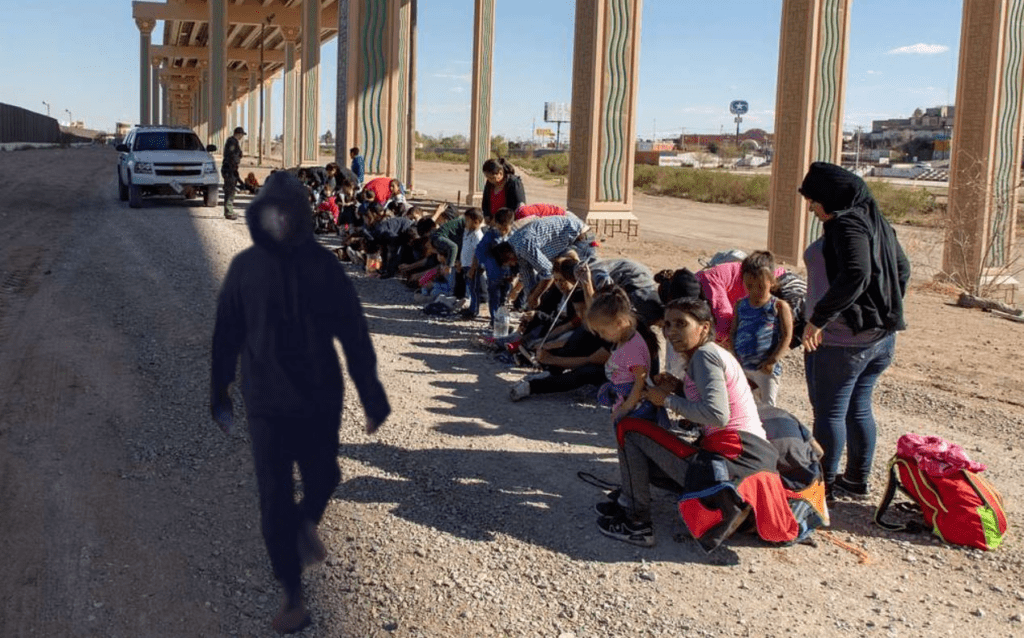
A man who said he is a citizen of Kazakhstan pleaded guilty this week to illegally entering the United States at the southern border with Mexico. But U.S. prosecutors said he was also carrying a Russian passport and that he admitted to being a member of the Wagner Group, a Russia-backed mercenary organization that is a target of U.S. sanctions, according to a media report in Texas. A criminal complaint filed on Jan. 5 against the man, Timur Praliev, says U.S. Border Patrol agents encountered him on the previous day. “When questioned as to his citizenship, defendant stated that he was a citizen and national of Kazakhstan, who had entered the United States illegally on January 4, 2025 by crossing the Rio Grande River near Roma, Texas,” read the complaint, which was filed in federal court in McAllen, Texas. However, the ValleyCentral.com news site, which covers the Rio Grande Valley in south Texas, reported that Praliev was carrying both Russian and Kazakh passports, a total of about $7,000 in U.S. dollars and Mexican pesos and also had a drone in his backpack. The news site attributed information about Praliev to Assistant U.S. Attorney Amanda McColgan. The federal prosecutor requested that Praliev be sentenced to 15 days in prison because of concern about his association with Wagner, which has fought in Western-backed Ukraine and also projected Russian power in Syria and several African countries, with sometimes brutal methods. On Jan. 7, Praliev pleaded guilty to illegal entry into the United States and U.S. Magistrate Judge J. Scott Hacker sentenced him to time served, meaning that he had completed his prison sentence while waiting in detention for the hearing. Dave Hendricks, the journalist who reported on the case for ValleyCentral.com, said on X that “he'll almost certainly remain in federal custody until he's deported.”

Underground Smuggling Tunnel Uncovered on Uzbek-Kazakh Border

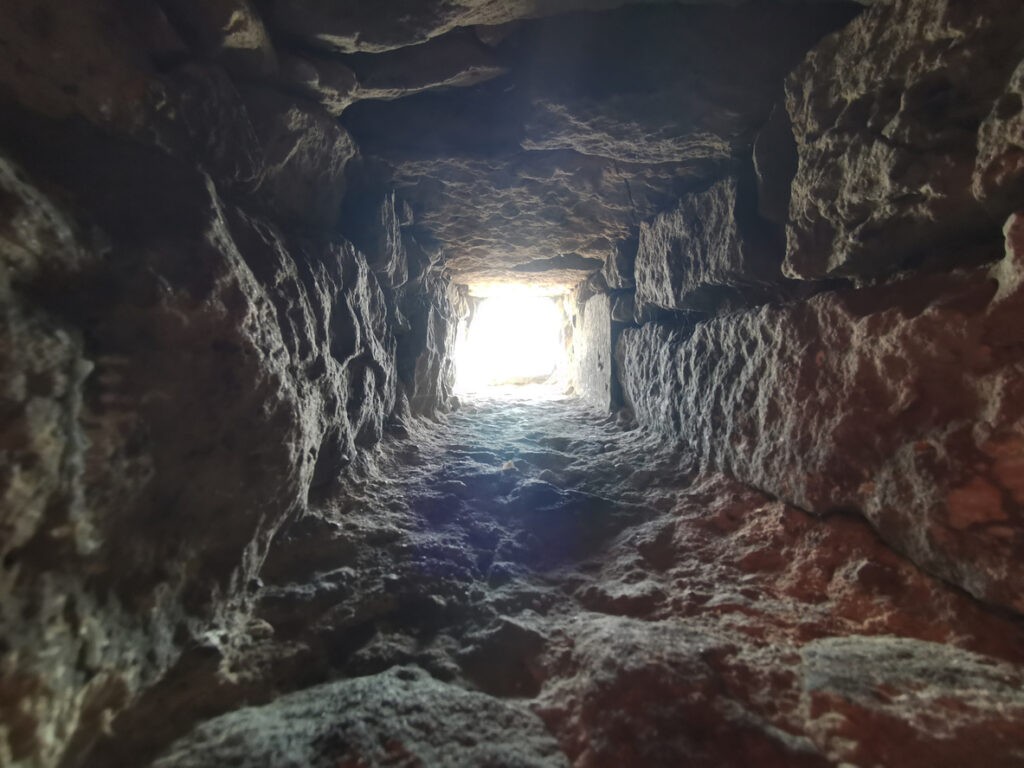
Under the coordination of Kazakhstan’s Turkestan Region Prosecutor’s Office and in cooperation with Uzbek law enforcement, authorities dismantled a criminal group and shut down a tunnel used for smuggling petroleum products. One tunnel, stretching 450 meters between the two countries, was used to smuggle 5–7 tons of fuel and lubricants daily. The smuggling operation had been active for two months before being brought to an end. Investigations revealed that a well-organized transnational criminal group was behind the tunnel, using it to facilitate the illicit transfer of goods and funds between Kazakhstan and Uzbekistan. Meanwhile, Uzbekistan’s State Security Service (DXX) uncovered another illegal underground tunnel on the Tashkent-Kazakhstan border. Working in coordination with the Tashkent-Aero customs complex, border troops, and military personnel, the DXX exposed a cross-border smuggling operation involving large quantities of substandard drugs imported from India into Uzbekistan via Kazakhstan. In a related case, a similar underground passage was discovered in April in Kyrgyzstan’s Jalal-Abad region. This tunnel was being used to smuggle people and contraband goods into Uzbekistan.

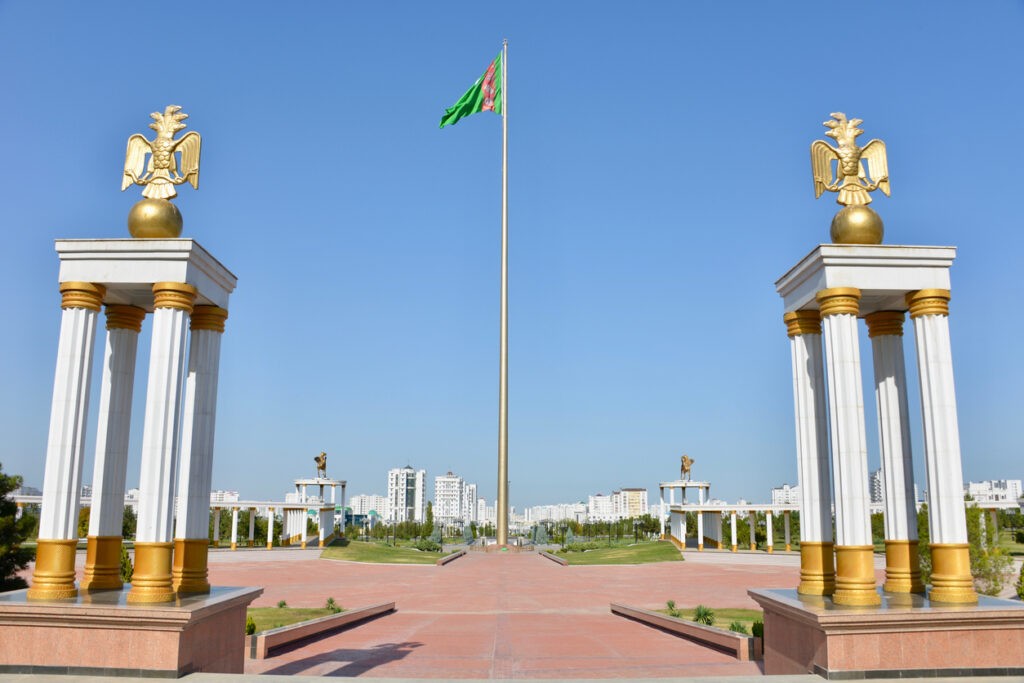
Turkmenistan Tightens Border Rules to Limit Trips to Uzbekistan

Turkmenistan is imposing stricter regulations on cross-border tourism with Uzbekistan, reportedly to conceal its struggles to provide basic goods and services to its citizens, according to Eurasianet. In 2024, an increasing number of Turkmen citizens have been traveling to Uzbekistan to purchase food and essential items that are scarce in their own country, a reflection of Turkmenistan’s ongoing economic crisis. Over the past month, customs officials have introduced new rules aimed at curbing these cross-border trips, according to Radio Free Europe/Radio Liberty (RFE/RL). Travelers are now required to present a variety of documents, including marriage certificates and proof of residency, to cross the border. Residents of the Dashoguz Region have reported that dozens of people were denied exit for failing to provide all the necessary paperwork. RFE/RL suggests that the government views these trips as a source of embarrassment, highlighting the reliance of its citizens on Uzbekistan for basic necessities. To counter this perception, Turkmen authorities are tightening border controls. However, the report also notes that corruption persists; intermediaries can reportedly facilitate crossings for a $50 bribe. “Customs officers accuse these citizens of shaming the country by engaging in trade, and under this pretext, they stop them at customs,” RFE/RL quoted one individual as saying. Turkmenistan’s efforts to stem cross-border movement reflect its struggle to address domestic shortages while grappling with the broader implications of its economic challenges.

Chinese Foreign Ministry Condemns Attack on Tajik-Afghan Border That Killed a Chinese Citizen

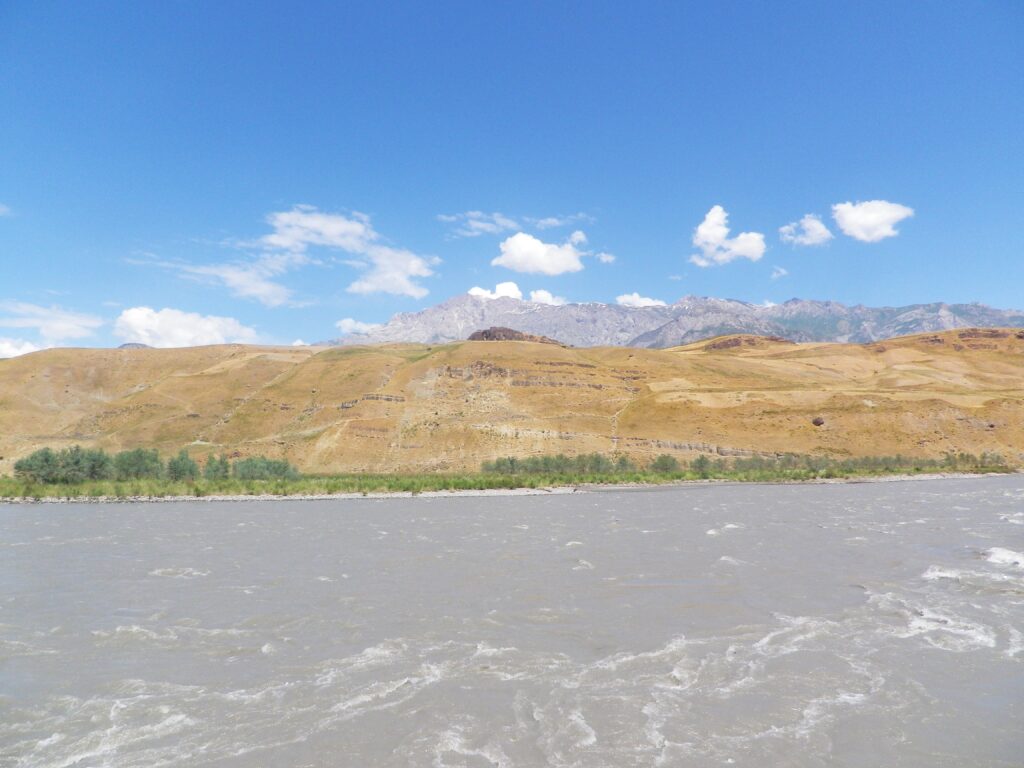
The Chinese Foreign Ministry has confirmed the death of one Chinese citizen and the injury of four others following an attack near the Tajik-Afghan border. The incident, which occurred on November 18, targeted a camp operated by a private Chinese company on the Tajik side of the border. “China strongly condemns this brutal attack, expresses deep sorrow for the victims, and extends sincere condolences to the families of the victims,” stated the ministry. A working group from the Chinese Embassy in Dushanbe has arrived at the site to provide assistance and coordinate further actions. Rising Security Concerns Chinese companies, particularly those involved in mining activities such as gold extraction, are active in the region. The Chinese Foreign Ministry has urged the Tajik authorities to expedite investigations to determine the circumstances of the attack. “Given the security situation in the Tajik-Afghan border area, we remind Chinese citizens and enterprises in the region to pay special attention to security,” the ministry warned. The incident took place in the Shamsiddin Shokhin area along the 1,350-kilometer Tajik-Afghan border. Initial reports suggest the attack was carried out by armed individuals crossing from the Afghan side during the night of November 17–18. Motives Remain Unclear As The Times of Central Asia previously reported, the incident occurred in the Shamsiddin Shokhin area on the 1,350-kilometer-long Tajik-Afghan border. The attackers' motives and identities remain unknown. Local sources indicate that the incident may be linked to either militant activity or drug smuggling, but no official confirmation has been provided. In addition to the Chinese casualties, a local resident was also wounded. All injured individuals have been taken to the Shamsiddin Shokhin District Hospital for treatment. The Tajik authorities have yet to issue an official statement regarding the attack.

Kazakhstan Abandons Universal Income Declaration Plan

Kazakhstan Scraps Universal Tax Declarations Amid Public Concerns In a surprising move, the Kazakh government has proposed canceling the universal tax declaration system set to take effect in 2025. The decision, aimed at alleviating public anxiety amid worsening economic conditions, will exempt over 90% of the population from filing declarations. Experts argue that this adjustment is necessary and practical, as the reform would otherwise add unnecessary strain on taxpayers without significantly benefiting state revenues. Public Backlash and Policy Reassessment The Universal Declaration initiative was intended to include approximately 8 million additional citizens in 2025, encompassing private sector employees, pensioners, and students. However, widespread public concern about the burden on taxpayers and tax authorities prompted a reevaluation. Finance Minister Madi Takiyev announced the exemption on November 19, citing the country's advanced digital infrastructure, which already tracks key financial data. Prime Minister Olzhas Bektenov echoed these sentiments, directing the Ministries of Finance, National Economy, and Justice to draft legislative amendments within three days. He emphasized that the reform had “caused concern of the population, which was brought to the attention of the head of state.”  He added that a widespread income declaration is unnecessary because the databases of state agencies in Kazakhstan are "highly digitized." Streamlined Tax Obligations The revised approach retains declaration requirements for specific groups, including: Citizens with assets abroad. Individuals making significant purchases (exceeding 74 million KZT, or approximately $149,000, in 2024). Those receiving income are subject to independent taxation. Voluntary declarations will remain an option for all citizens. A Phased Reform The universal declaration system began in 2021 and was implemented in stages. Initially, it targeted government officials and their spouses. The requirement extended to public sector employees and the quasi-public sector in subsequent phases. By 2024, business leaders, entrepreneurs, and their spouses were included. The final stage, which aimed to include the broader population, faced criticism for being outdated in the digital era. President Kassym-Jomart Tokayev acknowledged this, stating, “It is planned that about 8 million more people will submit declarations next year. However, we should consider that the concept of universal income declaration was adopted 14 years ago. During this time, the country has made significant progress in digitalization and fintech. Databases of various government agencies have been integrated. Financial and tax control has been strengthened. Given these large-scale changes, the question arises as to whether it is advisable for citizens falling under the fourth and final stage to submit declarations. The government needs to work out a solution to this.” Expert Analysis Political scientist Gaziz Abishev highlighted the effectiveness of the reform's earlier stages, which targeted those most likely to influence public funds or earn significant income. “The first three stages have already included bureaucrats, civil servants, quasi-public sector employees, and businesspeople. Everyone who manages public funds or earns a considerable income within Kazakhstan’s economy has already been required to report and will continue to submit declarations,” Abishev explained. The fourth stage, set to include around 8 million additional citizens, drew criticism for its lack...