• KGS/USD = 0.01144 0%
  • KZT/USD = 0.00211 0%
  • TJS/USD = 0.10803 0%
  • UZS/USD = 0.00008 0%
  • TMT/USD = 0.28490 -0.28%
  • KGS/USD = 0.01144 0%
  • KZT/USD = 0.00211 0%
  • TJS/USD = 0.10803 0%
  • UZS/USD = 0.00008 0%
  • TMT/USD = 0.28490 -0.28%
  • KGS/USD = 0.01144 0%
  • KZT/USD = 0.00211 0%
  • TJS/USD = 0.10803 0%
  • UZS/USD = 0.00008 0%
  • TMT/USD = 0.28490 -0.28%
  • KGS/USD = 0.01144 0%
  • KZT/USD = 0.00211 0%
  • TJS/USD = 0.10803 0%
  • UZS/USD = 0.00008 0%
  • TMT/USD = 0.28490 -0.28%
  • KGS/USD = 0.01144 0%
  • KZT/USD = 0.00211 0%
  • TJS/USD = 0.10803 0%
  • UZS/USD = 0.00008 0%
  • TMT/USD = 0.28490 -0.28%
  • KGS/USD = 0.01144 0%
  • KZT/USD = 0.00211 0%
  • TJS/USD = 0.10803 0%
  • UZS/USD = 0.00008 0%
  • TMT/USD = 0.28490 -0.28%
  • KGS/USD = 0.01144 0%
  • KZT/USD = 0.00211 0%
  • TJS/USD = 0.10803 0%
  • UZS/USD = 0.00008 0%
  • TMT/USD = 0.28490 -0.28%
  • KGS/USD = 0.01144 0%
  • KZT/USD = 0.00211 0%
  • TJS/USD = 0.10803 0%
  • UZS/USD = 0.00008 0%
  • TMT/USD = 0.28490 -0.28%

Viewing results 1 - 6 of 14

Kyrgyz-Tajik Villages to Be Relocated as Part of Border Resolution

Kyrgyz President Sadyr Japarov recently spoke with the Kabar news agency about progress in resolving the Kyrgyz-Tajik border dispute. He also addressed plans for the relocation of villages and homes situated in the checkerboard-like border areas. Progress Toward Resolution Japarov provided an update on the status of negotiations, commenting: “The border issue is almost resolved. Right now, both sides are working on documenting the agreement. After this, the intergovernmental commissions will sign the documents, followed by the foreign ministers. Then, the parliaments of both countries will ratify the agreement. Finally, the presidents of Kyrgyzstan and Tajikistan will sign it, and the process will conclude with an exchange of notes.” Japarov noted, however, that the process would take time to finalize. “It will take another 1-2 years to carry out demarcation work before the issue is fully settled. The most important thing is that we have reached a bilateral agreement,” he said. Addressing Checkerboard Villages When asked about the fairness of the border resolution, Japarov highlighted the balanced nature of the agreement: “In border disputes, it’s impossible to consider only one side’s interests. Decisions are made by considering the needs of both countries. For instance, some disputed sections of the border were split equally. In cases where houses were mixed, like in checkerboard villages, we resolved these issues too.” To address these mixed-border settlements, Japarov explained that families whose homes fall on the other side of the border will be relocated. Tajik families residing on Kyrgyz land will be moved by Tajikistan, and Kyrgyz families on Tajik land will be relocated by Kyrgyzstan. “We will build new homes for them elsewhere, considering the size of their land,” Japarov assured. Peaceful Resolution a Priority Japarov emphasized the importance of resolving the dispute through peaceful and cooperative means. He underscored that resolving border issues would improve border management, avoid future tensions, and build trust between the two nations. Once the demarcation process began, Japarov promised full transparency and regular updates for the public. Historical Context Tensions along the Kyrgyz-Tajik border have been ongoing for decades, with significant disputes intensifying in the late 2000s and early 2010s. In these areas, infrastructure complications have exacerbated the problem. Both countries began constructing alternate roads to avoid crossing into each other’s territory, but rugged terrain and limited financial resources have slowed progress. One of the most challenging areas is the road connecting Batken to the Kyrgyz village of Ak-Sai and the Tajik enclave of Vorukh. This road weaves through Kyrgyz and Tajik territory several times, and in some sections, the road itself serves as the border.

Underground Smuggling Tunnel Uncovered on Uzbek-Kazakh Border

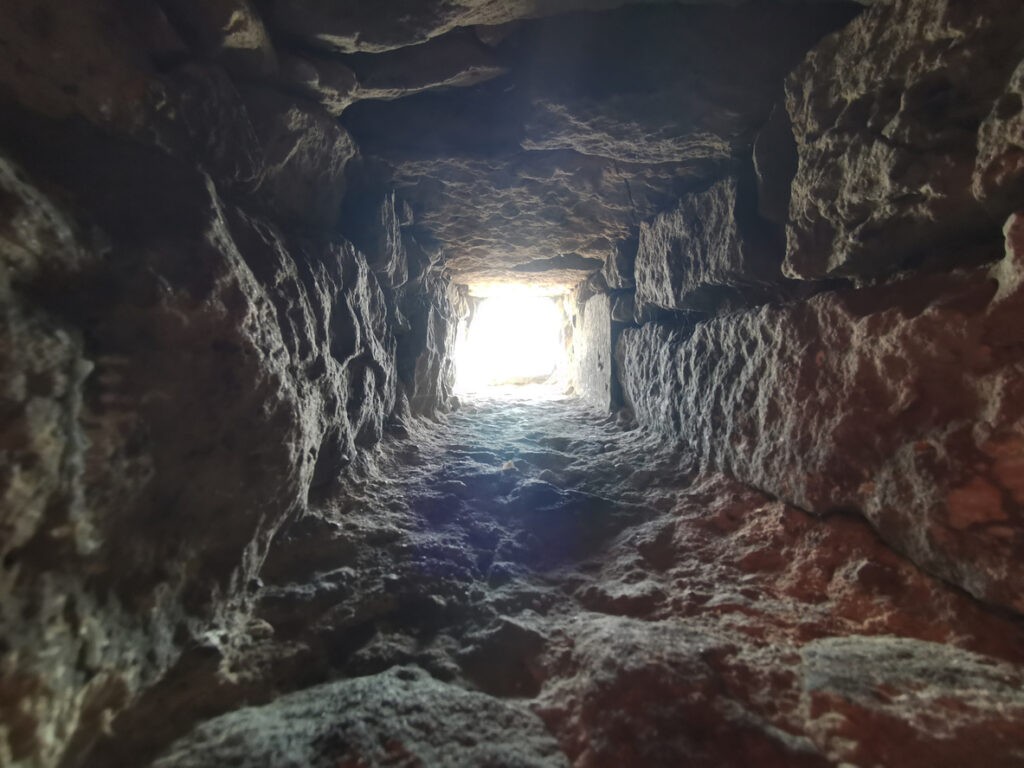
Under the coordination of Kazakhstan’s Turkestan Region Prosecutor’s Office and in cooperation with Uzbek law enforcement, authorities dismantled a criminal group and shut down a tunnel used for smuggling petroleum products. One tunnel, stretching 450 meters between the two countries, was used to smuggle 5–7 tons of fuel and lubricants daily. The smuggling operation had been active for two months before being brought to an end. Investigations revealed that a well-organized transnational criminal group was behind the tunnel, using it to facilitate the illicit transfer of goods and funds between Kazakhstan and Uzbekistan. Meanwhile, Uzbekistan’s State Security Service (DXX) uncovered another illegal underground tunnel on the Tashkent-Kazakhstan border. Working in coordination with the Tashkent-Aero customs complex, border troops, and military personnel, the DXX exposed a cross-border smuggling operation involving large quantities of substandard drugs imported from India into Uzbekistan via Kazakhstan. In a related case, a similar underground passage was discovered in April in Kyrgyzstan’s Jalal-Abad region. This tunnel was being used to smuggle people and contraband goods into Uzbekistan.

EU-Funded Electronic Queue Management System Aims to End Border Delays in Kyrgyzstan

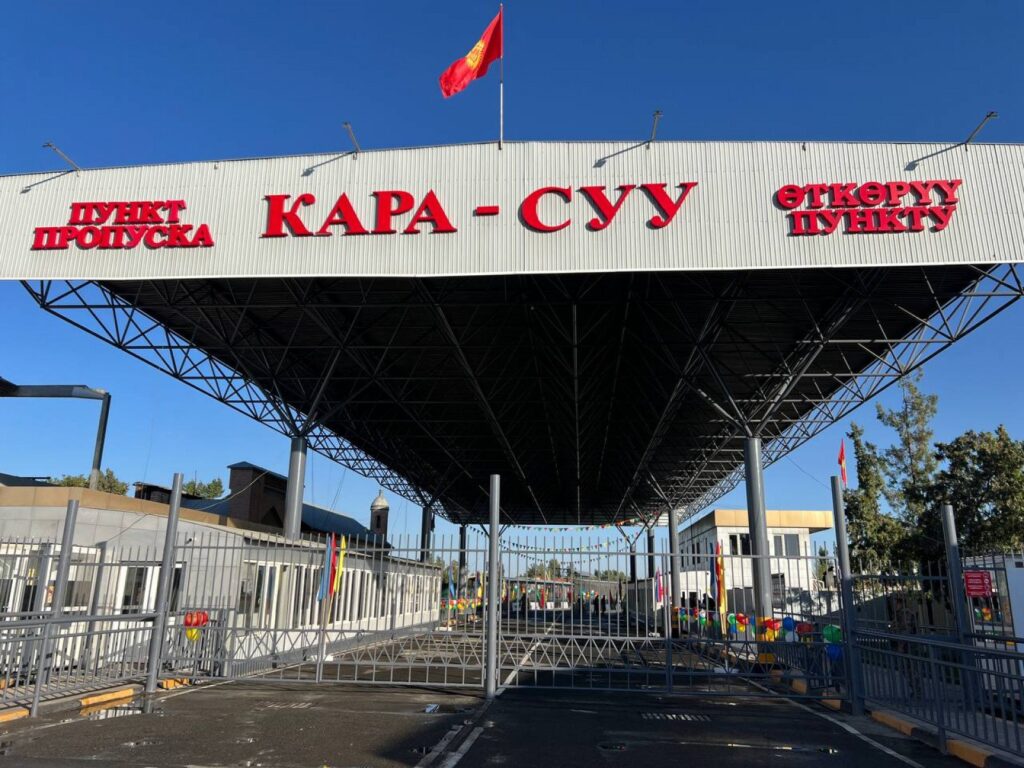
Kyrgyzstan’s State Customs Service has launched a pilot Electronic Queue Management System (eQMS) at the Kyzyl-Kiya road border crossing with Uzbekistan. The system is designed to simplify and expedite border-crossing procedures for truck drivers. Using the eQMS website, drivers can reserve time slots and access a designated waiting zone at their scheduled time, according to the Delegation of the European Union to the Kyrgyz Republic. European Union Support Funded by the European Union, the eQMS is part of Kyrgyzstan’s broader effort to enhance economic and regional trade integration. The initiative is implemented with technical support from the International Trade Centre (ITC), a United Nations agency, under the Ready4Trade Central Asia: Fostering Prosperity Through the Trans-Caspian Transport Corridor project. Marilyn Josefson, Ambassador of the European Union to the Kyrgyz Republic, emphasized the significance of the initiative: “The European Union is proud to support Kyrgyzstan's efforts to modernize its border management through the eQMS pilot initiative. Improving soft connectivity and facilitation of trade and border procedures is a crucial step in advancing the operational efficiency of the Trans-Caspian Transport Corridor and supporting the internationalization of Central Asian businesses, ultimately fostering sustainable economic development and stronger regional integration,” said Josefson. Advancing Border Efficiency Almaz Saliev, deputy chairman of the State Customs Service of Kyrgyzstan, highlighted the transformational nature of the project: “This system is not only an operational improvement but also a commitment to a modern, user-centered approach to border management.” The new system addresses longstanding issues faced by Kyrgyz exporters and freight forwarders, particularly delays at border crossings. While the pilot project focuses on the Uzbekistan border, border delays have also been a recurring problem for Kyrgyz trucks crossing into Kazakhstan. These delays have disrupted goods transit to Russia and other destinations, prompting periodic complaints from Kyrgyzstan about excessive queues. The eQMS pilot project marks a significant step toward more efficient, transparent, and reliable border management, paving the way for smoother trade flows and stronger regional connectivity.

Kazakhstan to Crack Down on Motor Fuel Smuggling to Kyrgyzstan

On October 8, Kazakhstan’s Financial Monitoring Agency held a meeting on strengthening control over the smuggling of motor fuel from the country’s border regions. As gasoline prices in Kazakhstan are significantly lower than in neighboring Kyrgyzstan, gasoline is transported from the southern regions of Kazakhstan to northern Kyrgyzstan in passenger car gas tanks. In practical terms, drivers fill up their cars at Kazakh gas stations close to the border, then enter Kyrgyzstan and redistribute the gasoline. According to the Financial Monitoring Agency, up to 10,000 tons of fuel are exported this way monthly through the Kazakh-Kyrgyz border. Fuel is also illegally exported by railway tanks, with documents indicating other contents inside the tanks. At the meeting, the Kazakh government and law-enforcement agencies developed an algorithm of action to prevent the illegal export of motor fuel. Since the beginning of this year, Kazakh law enforcers have filed 21 criminal cases concerning the illegal export of almost 3,500 tons of fuel. Kazakh gasoline is sold in plastic bottles on northern Kyrgyzstan's roadsides and around Bishkek. The most popular gasoline, AI-92, is sold by roadside traders for 58 KGS per liter ($1 = 85 KGS), while authorized gas stations sell it for 67 KGS per liter. In 2023, Kyrgyzstan’s Tax Service confiscated 9,599 liters of illegal fuel, up from 3,422 liters in 2022.