• KGS/USD = 0.01144 0%
  • KZT/USD = 0.00191 -0%
  • TJS/USD = 0.10840 0.37%
  • UZS/USD = 0.00008 0%
  • TMT/USD = 0.28571 0%
  • KGS/USD = 0.01144 0%
  • KZT/USD = 0.00191 -0%
  • TJS/USD = 0.10840 0.37%
  • UZS/USD = 0.00008 0%
  • TMT/USD = 0.28571 0%
  • KGS/USD = 0.01144 0%
  • KZT/USD = 0.00191 -0%
  • TJS/USD = 0.10840 0.37%
  • UZS/USD = 0.00008 0%
  • TMT/USD = 0.28571 0%
  • KGS/USD = 0.01144 0%
  • KZT/USD = 0.00191 -0%
  • TJS/USD = 0.10840 0.37%
  • UZS/USD = 0.00008 0%
  • TMT/USD = 0.28571 0%
  • KGS/USD = 0.01144 0%
  • KZT/USD = 0.00191 -0%
  • TJS/USD = 0.10840 0.37%
  • UZS/USD = 0.00008 0%
  • TMT/USD = 0.28571 0%
  • KGS/USD = 0.01144 0%
  • KZT/USD = 0.00191 -0%
  • TJS/USD = 0.10840 0.37%
  • UZS/USD = 0.00008 0%
  • TMT/USD = 0.28571 0%
  • KGS/USD = 0.01144 0%
  • KZT/USD = 0.00191 -0%
  • TJS/USD = 0.10840 0.37%
  • UZS/USD = 0.00008 0%
  • TMT/USD = 0.28571 0%
  • KGS/USD = 0.01144 0%
  • KZT/USD = 0.00191 -0%
  • TJS/USD = 0.10840 0.37%
  • UZS/USD = 0.00008 0%
  • TMT/USD = 0.28571 0%
14 November 2025

Viewing results 1 - 6 of 7

Opinion: A Railway to the Future – Uzbekistan’s Bold Path to Connectivity and Carbon Cuts

I still remember the thrill of boarding the sleek high-speed train from Tashkent to Bukhara. What could have been an ordinary journey turned into something unforgettable - the kind of experience that stays alive in the memory long after the trip ends. The speed, the comfort, and above all, the hospitality of Uzbekistan Railways revealed more than just modern engineering; it was a glimpse into the vision of a country determined to connect its people and its future to the wider world. The resonance of this project is deep. The Silk Road was once the artery of global exchange, moving not just goods but ideas, cultures, and entire civilizations between East and West. From Xi’an to Samarkand, Bukhara, and Tashkent, caravans carried silk, porcelain, and paper eastward, while wool, stones, fruits, and glassware travelled west. The CKU Railway is not simply another infrastructure project; it is the revival of this legacy, adapted for the 21st century. By shortening transport routes by nearly 900 kilometers and halving transit times, it promises to transform Uzbekistan’s geographic disadvantage into a strategic strength. For a landlocked country, this is more than steel on tracks - it is a lifeline to global markets. That is where railways carry an underappreciated advantage. Beyond the economics, rail is also a climate solution. The International Energy Agency (IEA) has found that rail freight is three to four times more energy-efficient than trucks. Trains use 65–80% less fuel per kilogram of cargo. The European Environment Agency calculates that a ton of freight moved by train emits 14–20 grams of CO₂ per kilometer, while the same tonnage on trucks produces 60–120 grams. That is a four- to fivefold difference. If the 20th century belonged to highways, the 21st must belong to railways. To grasp what this means for Central Asia, consider the region’s emissions profile. According to the EDGAR 2023 dataset, annual greenhouse gas emissions (excluding LULUCF, 2022) stand at roughly 320 MtCO₂e for Kazakhstan, 214 MtCO₂e for Uzbekistan, 99 MtCO₂e for Turkmenistan, 22 MtCO₂e for Kyrgyzstan, and 21 MtCO₂e for Tajikistan. Transport is responsible for around a tenth of that, and road freight dominates. The opportunity for reductions through a modal shift is therefore enormous. Take Uzbekistan as a case in point. The country moves about 90 billion ton-km of freight annually, within a regional total of some 350 billion. At present, 70% of this moves by road and 30% by rail. Imagine that by 2035, half of current road freight shifts to electrified rail - around 32 billion ton-km. On trucks, that freight would generate 2.9 MtCO₂e per year. On electrified trains, it would produce only 0.54 MtCO₂e. The savings: 2.4 MtCO₂e annually, or more than 1% of Uzbekistan’s entire national emissions. For a single infrastructure project, that is an extraordinary return in climate terms. The regional potential is just as striking. If similar shifts occurred across Central Asia, annual savings would reach 7–9 MtCO₂e by 2035 - the equivalent of removing two million cars from the road....

Kazakhstan Considers Carbon Accounting System to Boost Emissions Transparency

Aydar Kazybayev, co-founder of the National Academy of Corporate Governance, has proposed the introduction of a carbon accounting system in Kazakhstan. He argues that such a system would enable the automatic calculation of greenhouse gas emissions at industrial enterprises and ensure more transparent and objective reporting. “Today in Kazakhstan, greenhouse gas emission reports remain virtually unchanged, and in some cases have worsened. This is due to different companies conducting annual verifications without a unified verification history,” Kazybayev said at the Central Asia Thermal Power Forum. He announced that a digital platform is scheduled for launch by the end of the year, aimed at integrating all combined heat and power (CHP) plants into a single emissions database. The system would allow companies to maintain carbon records independently via an aggregator or delegate the task to operators managing centralized “carbon accounts.” “Our main objective is to reduce the administrative burden on companies required to submit such reports,” Kazybayev emphasized. According to Kazakhstan’s most recent official submissions to the UN Framework Convention on Climate Change (UNFCCC), total greenhouse gas emissions stood at 375.4 million tons in 2020, declined to 328.4 million tons in 2021, and rose again to 353 million tons in 2022. The energy sector remains the largest contributor, accounting for 288.5 million tons in 2020, 251.4 million in 2021, and 281.9 million in 2022. Kazybayev also cited technological innovations in China as potential models. Specifically, he highlighted China’s Smart Green Energy platform, which enables real-time monitoring of coal consumption and emissions, and generates both daily and annual reports. This system, currently in use at all coal-fired power plants in China, costs approximately $30,000. “Such tools would be highly beneficial for Kazakhstan. They help accurately estimate resource usage and identify inefficiencies,” Kazybayev explained. He also pointed to China’s modernization of coal-fired thermal power plants, where heat pumps and geothermal technologies are being adopted. These systems extract thermal energy from the air, ground, or water and integrate it into heating networks. Air pollution remains a critical concern across Central Asia. As previously reported by The Times of Central Asia, the World Bank has attributed over 65,000 premature deaths annually to regional air pollution.

Kyrgyzstan Approves Plan to Achieve Carbon Neutrality by 2050

On July 3, Kyrgyzstan’s Cabinet of Ministers approved the Concept for Achieving Carbon Neutrality of the Kyrgyz Republic along with the action plan for its initial implementation phase. The approval marks a significant step in the country’s climate policy, setting long-term guidelines for sustainable development and signaling Kyrgyzstan’s political commitment to global climate goals. The concept outlines a phased transition to a carbon-neutral economy, targeting key sectors such as energy, transport, industry, agriculture, waste management, and forestry. It aims to reduce greenhouse gas emissions, promote renewable energy, enhance energy efficiency, restore forest ecosystems, adopt digital and innovative technologies, and integrate climate risk into state planning processes. The government sees the concept as a foundation for attracting climate finance, creating green jobs, and ensuring environmental security for future generations. It also reinforces Kyrgyzstan’s status as an active and responsible participant in the international climate framework under the Paris Agreement. Kyrgyzstan has pledged to achieve carbon neutrality by 2050, a commitment first announced by President Sadyr Japarov at the 2021 World Leaders Summit during the UN Climate Change Conference in Glasgow. The country has also set a target to reduce greenhouse gas emissions by 44% by 2030.

Kazakhstan, with China’s Help, Plans to Export Green Energy to Europe

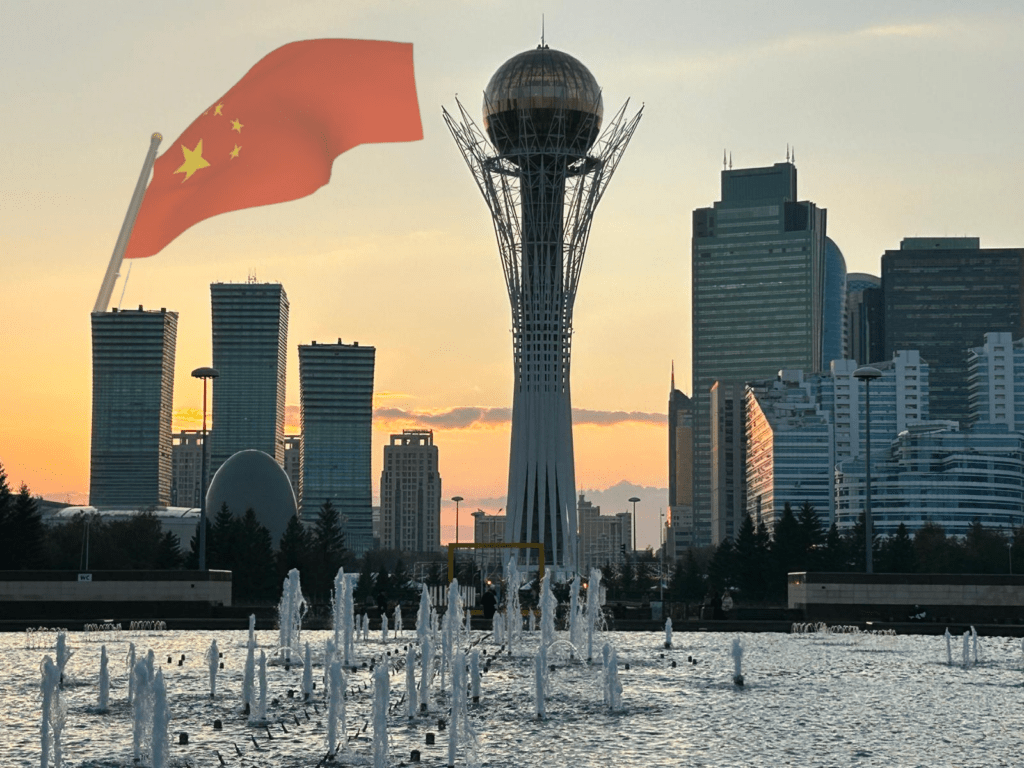
Although Kazakhstan is a major producer of all fossil fuels – coal, crude oil, and natural gas – it also has the capacity to secure its energy future by prioritizing renewable energy. Fully aware of that, the European Union – one of the former Soviet republic’s most significant trade partners – aims to strengthen its energy ties with Astana, hoping to begin importing not only “green electricity” from the Central Asian nation, but also green hydrogen. On November 25, at Nazarbayev University in Astana, the “Energy in Transition – Powering Tomorrow” traveling exhibition was held, and one of the major topics discussed by energy experts was green hydrogen – hydrogen produced using renewable energy sources such as solar and wind power. It is unlikely a pure coincidence that the German Federal Foreign Office initiated the event. Over the past few years, Germany has shown interest in the development of the Kazakh green hydrogen sector. The most prominent green hydrogen project in Kazakhstan is currently being developed by Hyrasia One, a subsidiary of the German-Swedish energy company, Svevind. In 2021, the company announced its plans for €50 billion ($55 billion) green hydrogen project in the Mangystau Region in western Kazakhstan. It is expected that Hyrasia One will begin the production of green hydrogen in 2030, and the power plant will reach full capacity by 2032. Meanwhile, the authorities in Astana will need to find a way to export this form of renewable energy to Europe, a major energy market for Kazakhstan. Although Astana and Brussels signed a strategic partnership on the production of green hydrogen in November 2022, several challenges remain in the implementation of the deal. Issues such as the high cost, water scarcity in the largest Central Asian state (with water being the key component of green hydrogen production), and a lack of transport infrastructure, are significant barriers to exporting hydrogen from Kazakhstan to Europe. Using Russian gas pipeline systems for transportation of the Kazakh green hydrogen to Europe is not an option given current geopolitical circumstances. To resolve this transportation issue, the Kazakh authorities and their European partners could build hydrogen pipelines across the Caspian Sea, the Caucasus and Turkey to reach southern European countries. The problem is that building such a pipeline infrastructure is very expensive, and it remains uncertain who would be willing to fund such a project. That, however, does not mean that Kazakhstan cannot become Europe’s major green hydrogen supplier. What Astana would have to do, according to experts, is to convert the green hydrogen into green ammonia and then export it to Europe via the Middle Corridor – running through Kazakhstan, the Caspian Sea, Azerbaijan, and Georgia. On the Black Sea coast, ammonia would be loaded onto ships and transported past the Bosphorus to EU members such as Greece, Romania, and Bulgaria. From there, it would be sent further north, where green hydrogen would eventually be extracted from the ammonia. This is a rather complex process, and it is unclear how feasible and...

Kazakhstan to Plant Forests to Reduce Carbon Dioxide Emissions

On November 18, the British company SEFE Marketing & Trading Ltd. and Kazakhstan’s SAFC LLP signed an emission removal purchase agreement, marking the launch of the country’s first forest climate project. The project aims to plant 3.3 million trees across 1,500 hectares in the Almaty region. According to forecasts, the initiative will achieve an average annual reduction of 26 tons of CO₂ per hectare. Over the 30-year project period, this is expected to remove 1.2 million tons of carbon dioxide from the atmosphere. Additionally, the project is designed to promote agroforestry, ecotourism, and job creation in the region. During a meeting with one of SEFE's Vice-Presidents, Alexander Demidov, and SAFC's CEO Yuri Kim, Kazakhstan’s Prime Minister Olzhas Bektenov emphasized the government’s commitment to supporting environmental initiatives. “We strive to create favorable conditions for attracting foreign investment in environmental projects. The government supports projects aimed at restoring ecosystems, reducing carbon footprint, and developing a green economy,” he stated. Kim added: “This project was supported by the President of Kazakhstan and the Atameken National Chamber of Entrepreneurs, and now we are starting its practical implementation. By combining the competencies of SEFE and SAFC, we will demonstrate Kazakhstan's broad capabilities for attracting foreign investment.” According to Atameken, the project not only lays the groundwork for others to follow suit but also leads the way for new investment opportunities in carbon farming. This approach marks a new stage in diversifying Kazakhstan’s economy, creating potential revenue streams from agricultural production and greenhouse gas emission trading. Kazakhstan’s forest climate initiative demonstrates the country’s commitment to sustainability while attracting foreign investment to bolster its green economy.

ADB to Help Kazakhstan Move Away from Coal Power Generation

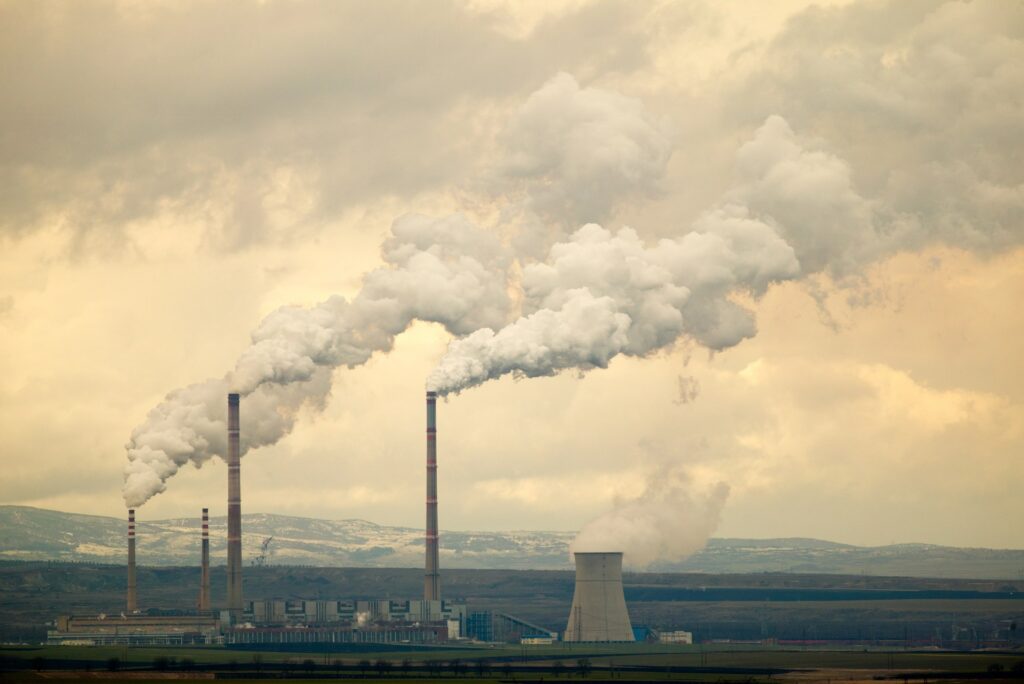
Kazakhstan’s Ministry of Energy and the Asian Development Bank (ADB) have signed a memorandum of understanding, moving closer to the possible early retirement of a coal plant in Kazakhstan under the bank’s Energy Transition Mechanism (ETM) program. Under the memorandum, the ministry and ADB will work toward a pilot transaction that will demonstrate a pathway to significantly reduce Kazakhstan’s greenhouse gas emissions by decommissioning pilot coal plants for renewables or other low-c or repurposing carbon energy technologies. A feasibility study will determine which of the country’s coal-fired power generation, combined heat and power plants and heat-only boilers could be the most viable for early retirement. ADB and Kazakhstan have also agreed to analyze the potential impact of early decommissioning or repurposing of a plant on the country’s power and heat supply, develop the country’s renewable energy generation capacity, and promote regional energy trade. ADB Director General for Central and West Asia Yevgeniy Zhukov commented: “Keeping 1.5 degrees alive means moving away from fossil fuels and toward clean energy as quickly as possible—and ADB’s ETM program aims to do that in a way that considers each country’s energy and socioeconomic development needs. As Asia and the Pacific’s climate bank, we are committed to helping Kazakhstan inclusively decarbonize its economy, and we aim to demonstrate how the clean energy transition can be accelerated in Central Asia.” Minister of Energy of Kazakhstan Almassadam Satkaliyev added, “Kazakhstan will need to develop a new approach in the power, heating, and water sectors as a single technological system, and we rely on ADB’s support and experience. I hope this program will demonstrate new systems' technological shift and reliability through ETM, which can then be replicated in other plants and regions.” Kazakhstan is a major consumer of coal, with 25 billion tons of coal reserves estimated to be the eighth largest worldwide. About 70% of the country’s electricity is produced from coal, while energy-related activity, including heat and electricity production, accounts for more than 80% of the country’s total greenhouse gas emissions. Kazakhstan’s long-term strategy for achieving carbon neutrality by 2060 involves reducing its use of fossil fuels and increasing its renewable power generation capacity.