• KGS/USD = 0.01144 0%
  • KZT/USD = 0.00215 0%
  • TJS/USD = 0.10691 0.09%
  • UZS/USD = 0.00008 0%
  • TMT/USD = 0.28530 0%
  • KGS/USD = 0.01144 0%
  • KZT/USD = 0.00215 0%
  • TJS/USD = 0.10691 0.09%
  • UZS/USD = 0.00008 0%
  • TMT/USD = 0.28530 0%
  • KGS/USD = 0.01144 0%
  • KZT/USD = 0.00215 0%
  • TJS/USD = 0.10691 0.09%
  • UZS/USD = 0.00008 0%
  • TMT/USD = 0.28530 0%
  • KGS/USD = 0.01144 0%
  • KZT/USD = 0.00215 0%
  • TJS/USD = 0.10691 0.09%
  • UZS/USD = 0.00008 0%
  • TMT/USD = 0.28530 0%
  • KGS/USD = 0.01144 0%
  • KZT/USD = 0.00215 0%
  • TJS/USD = 0.10691 0.09%
  • UZS/USD = 0.00008 0%
  • TMT/USD = 0.28530 0%
  • KGS/USD = 0.01144 0%
  • KZT/USD = 0.00215 0%
  • TJS/USD = 0.10691 0.09%
  • UZS/USD = 0.00008 0%
  • TMT/USD = 0.28530 0%
  • KGS/USD = 0.01144 0%
  • KZT/USD = 0.00215 0%
  • TJS/USD = 0.10691 0.09%
  • UZS/USD = 0.00008 0%
  • TMT/USD = 0.28530 0%
  • KGS/USD = 0.01144 0%
  • KZT/USD = 0.00215 0%
  • TJS/USD = 0.10691 0.09%
  • UZS/USD = 0.00008 0%
  • TMT/USD = 0.28530 0%

Viewing results 1 - 6 of 27

Kazakh Rituals Included in UNESCO’s Intangible Cultural Heritage List

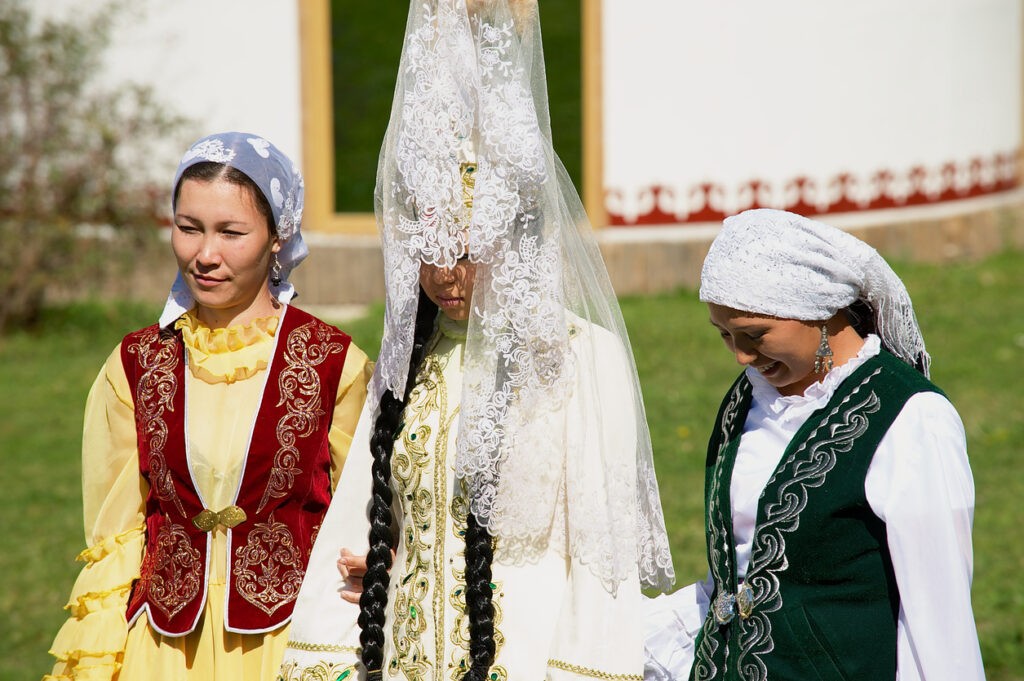
The Kazakh wedding ritual of Betashar has been officially recognized by UNESCO as part of the Representative List of the Intangible Cultural Heritage of Humanity. This inclusion highlights the enduring beauty and cultural significance of Kazakhstan's ancient traditions. In this article, we explore the Betashar ritual, other celebrated customs, and the challenges posed by certain archaic practices in modern times. Betashar: Revealing the Bride's Face During the UNESCO Committee for the Safeguarding of the Intangible Cultural Heritage meeting in Asunción, Paraguay, Betashar was officially added to the list of intangible cultural heritage. State Counselor Yerlan Karin announced the decision, which underscores Kazakhstan's commitment to preserving its rich cultural legacy. Kazakhstan ratified UNESCO’s Convention for the Safeguarding of the Intangible Cultural Heritage in 2011, pledging to protect and promote cultural traditions. Today, 13 Kazakh practices are on UNESCO’s list, including kiiz үi (yurt), kүi (instrumental music), aitys (improvised poetry duels), Nauryz (spring festival), kүres (wrestling), and togyzkymalak (a traditional board game). Betashar—literally "revealing the face"—is a wedding rite introducing the bride to her husband's family. Historically, the bride spent three days secluded with the women of her community before being ceremonially presented to her new family. Her face, hidden under a large cloth, was uncovered in front of the gathered relatives while a zhirshy (singer-improviser) performed the betashar zhyry, a song introducing the family members. In return, they pledged gifts to the couple. The ritual concluded with the bride serving tea to her in-laws. While modern weddings often simplify Betashar, its symbolic meaning remains deeply cherished. Preserving Other Traditions Another ritual presented to UNESCO is Salburyn, an ancient hunting custom. Hunters once gathered on horseback for multi-day expeditions, accompanied by falcons and hounds. These hunts began with feasts and competitions, emphasizing camaraderie and skill. Today, while hunting is less necessary, Salburyn is celebrated as part of cultural events, such as during the Nauryz festivities in Kyzylorda region. The custom of Tusau Kesu—cutting a child’s “fetters”—is a joyous milestone in Kazakh culture. When a child begins to walk, their legs are symbolically tied with a colorful string, which is then cut by a respected relative. The ceremony includes laying out a symbolic “white path” (ak zhol), representing a prosperous future. Items such as money, a whip, a dombra, or a book are placed along the path to hint at the child’s potential destiny. Addressing Harmful Practices Not all traditions are compatible with contemporary values or legal norms. Bride kidnapping, an archaic practice still occurring in some regions, has drawn criticism and calls for stricter legal measures. Mazhilis deputy Murat Abenov recently urged tougher penalties for bride abduction, highlighting gaps in the Criminal Code that leave many cases unresolved. “Many victims are coerced into claiming they went voluntarily,” Abenov explained, citing examples where cultural products like songs and videos romanticize the practice. Despite its criminalization after the October Revolution, the issue persists. In 2023, there were 13 officially recorded cases of bride abduction, though Abenov believes the real figure is higher due to...

XVII Eurasia International Film Festival Kicks Off in Kazakhstan

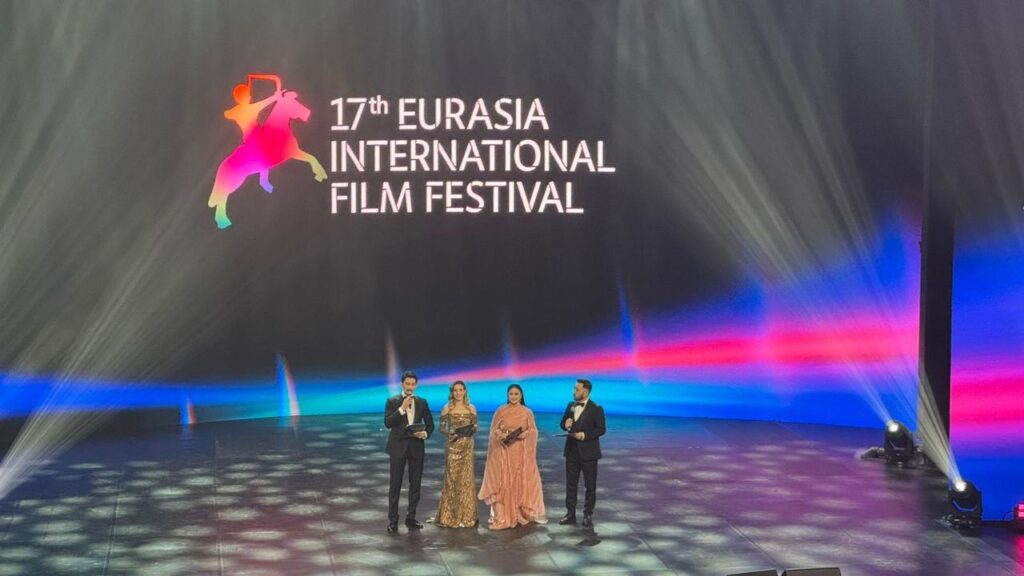
On November 24, Almaty hosted the opening ceremony of the XVII Eurasia International Film Festival, which will run until November 30. The event brings together representatives from more than 15 countries, highlighting its global significance. As part of the competition, audiences will enjoy 12 films from around the world, including entries from Bangladesh, South Korea, Austria, and Qatar. Participants from Europe, Asia, and the Middle East will showcase their works, delving into universal themes through a regional lens. Kazakhstan's President, Kassym-Jomart Tokayev, addressed festival participants in a congratulatory letter. “This year's event coincides with two significant anniversaries: the 110th birthday of Shaken Aimanov, a pioneer of Kazakhstani cinema, and the 90th anniversary of the Kazakh film studio. This is symbolic, as cinematography unites society, fosters creativity, and strengthens intercultural ties,” the letter stated. Tokayev emphasized the growing recognition of Kazakhstani cinema on the international stage. “I am confident that the Eurasia Festival will provide a platform for outstanding projects that will resonate deeply with audiences and inspire reflection on important topics,” Tokayev concluded. The Eurasia International Film Festival is Central Asia's largest film forum and holds accreditation from the International Federation of Film Producers Associations (FIAPF). Established in 1998 with support from the Government of Kazakhstan, the festival was initially hosted in Almaty before moving to Astana in 2018. This year, the festival returns to Almaty, providing a rich program designed to serve as a cultural bridge between East and West. It also includes retrospectives of works by celebrated directors.

Asia Now Creating a Market for Central Asian Art in Paris

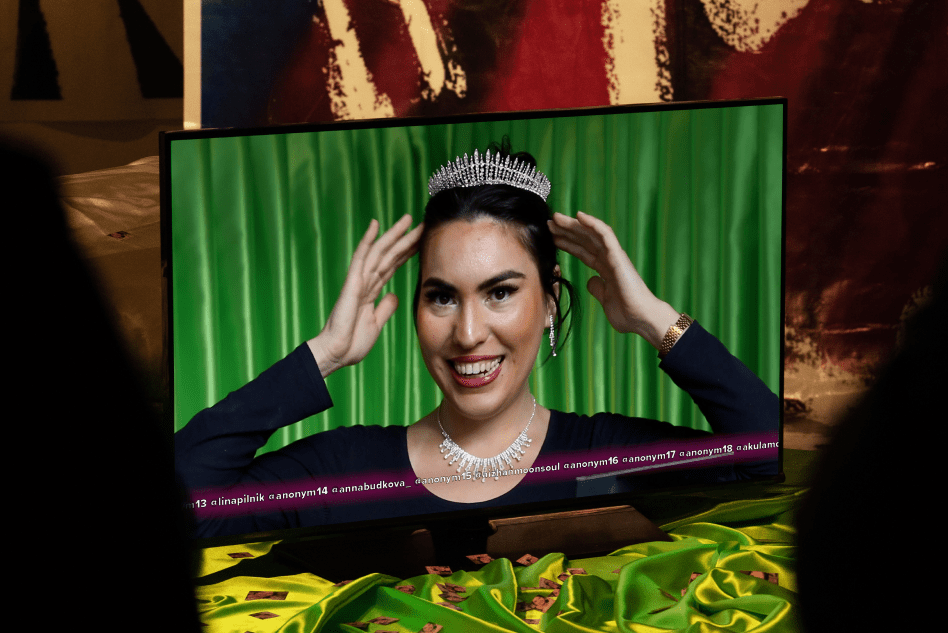
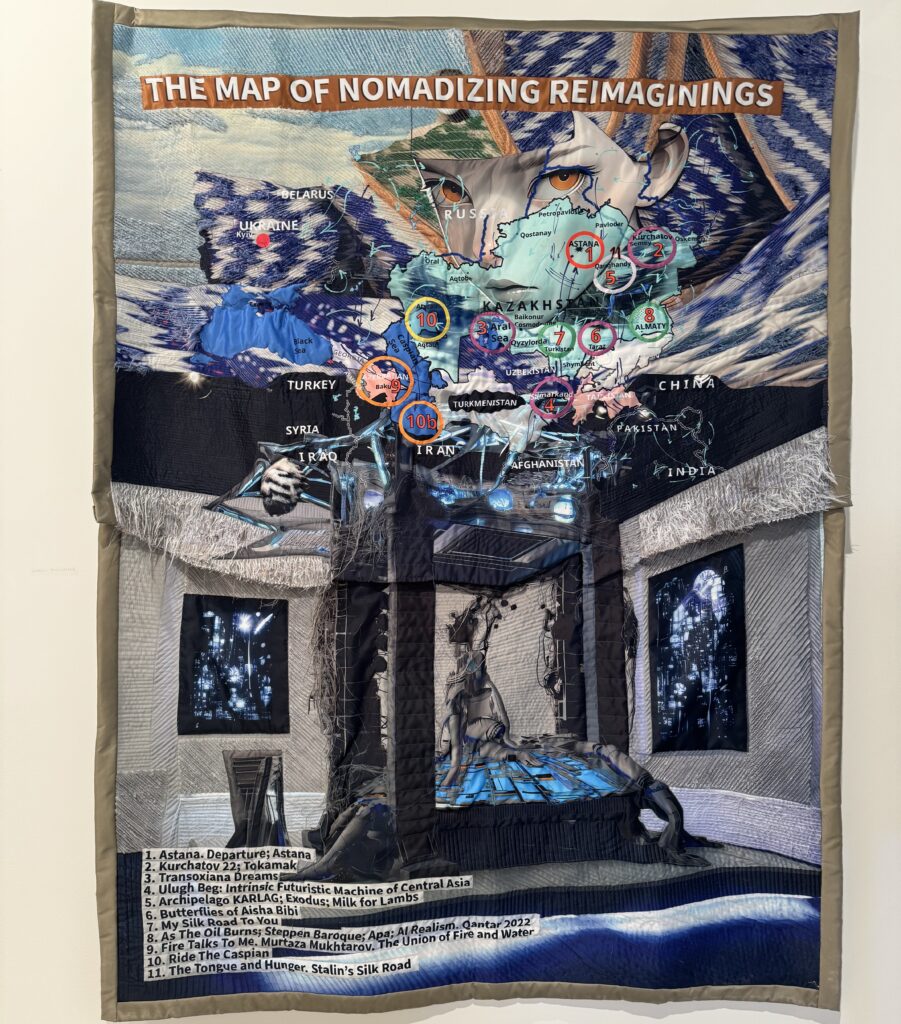
When we think about spreading knowledge of Central Asian art in Europe, we might think of exhibitions, of festivals, of panels and talks, not necessarily of an art fair. However, in the contemporary art world, it is today the market, more than art critics, which dictates the emergence of certain art scenes as a whole. For the historically underrepresented Central Asian art market, smaller fairs represent today an important alley, more than the big fairs such as Art Basel – which just had its second Paris iteration this October. Smaller “boutique fairs,” as they are called, often present curated programming which allow a wide public – not just collectors and buyers – to enjoy the art as it was an exhibition. A selling one, of course.  In Paris, the most relevant fair which has historically presented Central Asian artists to the European public is called Asia Now, and it took place in Paris from October 17 to 20. Entirely dedicated to Asian art, the fair has historically tried to fill the gap for Central Asian art in the European market in the past ten years of its existence. The fair has selected more than 70 leading and emerging contemporary art galleries from all over the world, presenting more than 220 artists coming from 26 territories from all over Asia and its diaspora, stretching from Central Asia to the Asia-Pacific, including West, South, South-East, and East Asia. Their commitment to expanding knowledge of Central Asian art in Europe culminated last year in a show which was indeed focused on Central Asia, and curated by the artist group Slav and Tatars. While seminal Central Asian galleries such as the Aspan Gallery from Almaty and Pygmalion Gallery from Astana didn’t return to Asia Now this year, the fair still presented a number of Central Asian artists and practices, interspersed between the main show, and the booths.    Central Asian Artists in the Radicant’s Main Show The main exhibition of Asia Now was curated by Radicants, a collective founded by art critic Nicolas Bourriaud, and it was centered on sacred ceremonies seen as a powerful tool for re-examining societal structures and reconnecting with ancestral roots. Called “Ceremony,” the main show was co-curated by Nicolas Bourriaud and Alexander Burenkov, a curator of Russian origins who has been working for a long time with Central Asian narratives, which are also featured prominently in the show. [caption id="attachment_25510" align="aligncenter" width="2560"] Image: TCA, Naima Morelli[/caption] The idea of ceremony ties to the tenth anniversary of the art fair, but at the same time the curators opted to explore the nuances of ritual as both a "celebration of ancestral wisdom" and a "critical tool for interrogating and redefining established traditions and power dynamics." As Burenkov noted, the decision to use the theme of ceremony emerged after conversations with Asia Now director Alexandra Fain. “The choice fell on ‘ceremony’ in all its variability and polysemy [was used] to explore the non-obvious meanings of ritual through the eyes of contemporary artists...