• KGS/USD = 0.01144 0%
  • KZT/USD = 0.00212 0%
  • TJS/USD = 0.10780 0%
  • UZS/USD = 0.00008 0%
  • TMT/USD = 0.28490 0%
  • KGS/USD = 0.01144 0%
  • KZT/USD = 0.00212 0%
  • TJS/USD = 0.10780 0%
  • UZS/USD = 0.00008 0%
  • TMT/USD = 0.28490 0%
  • KGS/USD = 0.01144 0%
  • KZT/USD = 0.00212 0%
  • TJS/USD = 0.10780 0%
  • UZS/USD = 0.00008 0%
  • TMT/USD = 0.28490 0%
  • KGS/USD = 0.01144 0%
  • KZT/USD = 0.00212 0%
  • TJS/USD = 0.10780 0%
  • UZS/USD = 0.00008 0%
  • TMT/USD = 0.28490 0%
  • KGS/USD = 0.01144 0%
  • KZT/USD = 0.00212 0%
  • TJS/USD = 0.10780 0%
  • UZS/USD = 0.00008 0%
  • TMT/USD = 0.28490 0%
  • KGS/USD = 0.01144 0%
  • KZT/USD = 0.00212 0%
  • TJS/USD = 0.10780 0%
  • UZS/USD = 0.00008 0%
  • TMT/USD = 0.28490 0%
  • KGS/USD = 0.01144 0%
  • KZT/USD = 0.00212 0%
  • TJS/USD = 0.10780 0%
  • UZS/USD = 0.00008 0%
  • TMT/USD = 0.28490 0%
  • KGS/USD = 0.01144 0%
  • KZT/USD = 0.00212 0%
  • TJS/USD = 0.10780 0%
  • UZS/USD = 0.00008 0%
  • TMT/USD = 0.28490 0%

Viewing results 1 - 6 of 32

Kyrgyzstan Wants to Fine Emigrants Who Leave Their Children at Home

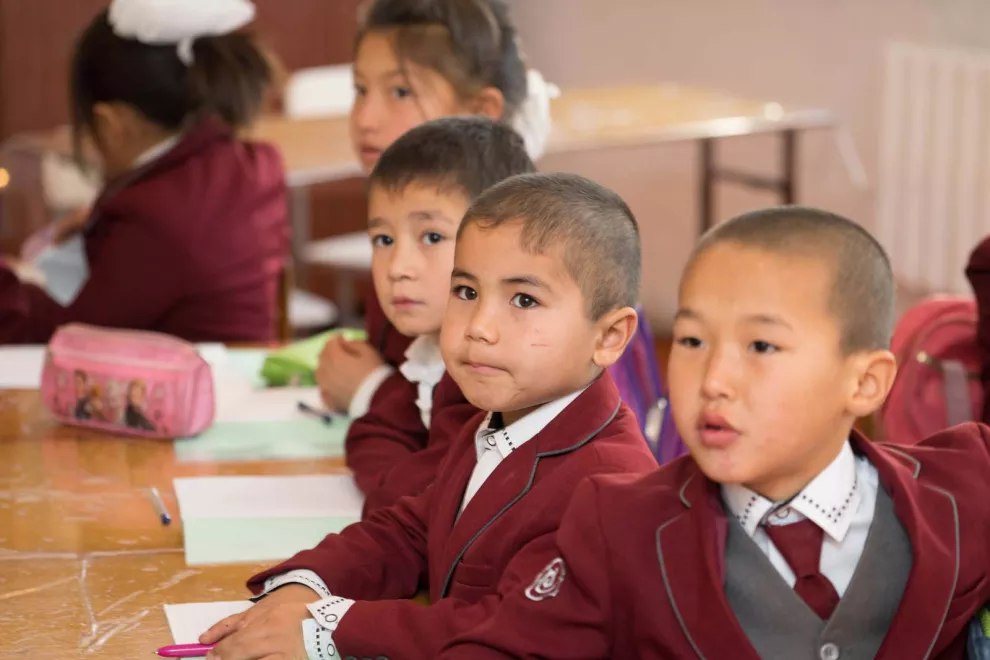
Kyrgyzstan has proposed introducing liability for parents who go to work abroad and leave their children without proper custody. The bill was initiated by the Ministry of Labor and has been submitted for public discussion. It is planned to introduce the concept of “children of migrant workers” into the Children's Code. According to the Ministry of Labor, in the first quarter of this year, about 85,000 children were identified, half of whom are with relatives without legal guardianship. The Ministry emphasizes that parents' absence leads to a lack of love and care; many are forced to work and do not attend school. The new bill proposes fines of 15,000 KGS ($181) for parents who leave their children in the care of relatives, neighbors, children, or acquaintances without notifying the guardianship authorities. Similar measures to protect migrant children exist in other countries. For example, in Uzbekistan, a project was launched in 2018 to support children left behind by parents who go to work abroad. The project is supported by UNICEF and funded by the European Union. It aims to provide social and legal assistance to children without officially appointed guardians. According to the research data, many children are left with relatives without legal guardianship, leading to various social problems that require state support.

Tajikistan Bans Corporal Punishment for Children

Tajikistan has become the 67th country to ban corporal punishment of children. This law, enacted in June, protects the country's 4 million children from any violent discipline at home or school. “These new policy changes represent a remarkable advancement in child protection in Tajikistan and demonstrate the Government’s strong commitment to respecting children's dignity and physical integrity. The legislative changes are a major step forward. Still, much work remains to ensure that these measures lead to positive change in every child’s life,” said Arthur van Diesen, UNICEF Representative for Tajikistan. Corporal punishment affects approximately 330 million children worldwide, and has severe consequences for their health, development, and emotional wellbeing. This can impair the development of the brain and nervous system, leading to long-term behavioral and mental health problems. The economic cost of child abuse is $7 trillion a year, or about 8% of global GDP. Tajikistan will take part in the upcoming Global Ministerial Conference on Ending Violence against Children, which will be held on November 7-8, in Bogota, Colombia.

Taking the Necessary Steps to Curb Child Abuse in Kazakhstan

In Almaty, a young woman threw herself off a Ferris wheel, falling to her death. Before committing suicide, she had strangled her five-year-old daughter. The number of children in Kazakhstan has soared over the past decade, but so have the number of crimes committed against minors. When Mom and Dad are the murderers In 2023, twenty-five children were murdered in Kazakhstan, seven of them by their relatives according to the country’s children's ombudsman, Dinara Zakiyeva. This year, Kazakhstanis were shocked by numerous horrifying cases of child abuse. According to relatives and neighbors, the family of the woman who strangled her daughter lived in the Ile District of Almaty Region and were financially secure and successful. The regional commissioner for children's rights, Aigul Yesimbekova, explained that the woman had confesses her crime to her sister before committing suicide. “The child had Down's syndrome. The mother was most likely in an internal crisis and despair when she decided to do this,"Yesimbekova explained. "She went to her sister and told her that she was going to kill herself. When her sister tried to calm her down, she went to the park (the Central Park of Culture and Leisure in Almaty). Her husband is an IT specialist, and the financial component [of her life] was fine. She was not registered with psychiatrists, her husband makes money, and everything seemed fine, but the child was sick. Probably, her soul was in such a state of crisis; it is hard when a child is sick. Maybe she murdered the child in a rush of emotion, and then, unable to cope with the guilt, she took the step she did.” According to Zakiyeva, such families are in critical need of psychological support, and child protective services should supervise them. However, the situation with psychologists and child social workers in Kazakhstan is poor. At the end of June, a court in the Turkestan Region convicted a mother of killing her two children. Their bodies were found in a rented apartment in February 2024 in the city of Turkistan. The mother was sentenced to 15 years in prison. After killing her children, the woman called her friend and told her what she'd done. Even against the backdrop of Kazakhstan’s high birth rates, the Turkestan Region - as is the entire south of the country - is an outlier. The percentage of people under the age of 18 in Kazakhstan stands at 34.1%, whereas in the Turkestan Region, this figure is 43.3%, followed by the Mangystau Region at 41.9%, and the federal city of Shymkent at 40.6%. Experts say that it is in the regions with the highest birth rates that the highest rates of violence against children are recorded. In September of last year, a pedophile raped and brutally murdered a five-year-old girl who lived next to him in the village of Zhibek Zholy in the Turkestan Region. He was sentenced to life imprisonment and chemical castration. News of the murder almost sparked a riot and deadly reprisals against the rapist;...

Turkmenistan Province Bans Child Labor in Cotton Harvesting

The Chronicle of Turkmenistan reported that on 3 June, the governor of Lebap Province called a meeting with heads of agricultural associations of etraps - administrative-territorial units - to discuss issues regarding the production of cotton and in particular, the growing employment of children in harvesting. In order to halt this worrying trend, he warned, "If children are seen in the fields, the heads of the agricultural associations will be held responsible and as such, should advise parents of the inadmissibility of child labor." He also recommended that families of tenants on neighboring plots form brigades and cooperate in agro-technical activities on each other's plots. In addition, heads of the associations were promised that if their tenants bought fertilizers at their own expense and provided receipts, the agricultural enterprise would provide compensation when paying for the harvest.