• KGS/USD = 0.01144 0%
  • KZT/USD = 0.00212 0%
  • TJS/USD = 0.10829 0.19%
  • UZS/USD = 0.00008 0%
  • TMT/USD = 0.28571 0%
  • KGS/USD = 0.01144 0%
  • KZT/USD = 0.00212 0%
  • TJS/USD = 0.10829 0.19%
  • UZS/USD = 0.00008 0%
  • TMT/USD = 0.28571 0%
  • KGS/USD = 0.01144 0%
  • KZT/USD = 0.00212 0%
  • TJS/USD = 0.10829 0.19%
  • UZS/USD = 0.00008 0%
  • TMT/USD = 0.28571 0%
  • KGS/USD = 0.01144 0%
  • KZT/USD = 0.00212 0%
  • TJS/USD = 0.10829 0.19%
  • UZS/USD = 0.00008 0%
  • TMT/USD = 0.28571 0%
  • KGS/USD = 0.01144 0%
  • KZT/USD = 0.00212 0%
  • TJS/USD = 0.10829 0.19%
  • UZS/USD = 0.00008 0%
  • TMT/USD = 0.28571 0%
  • KGS/USD = 0.01144 0%
  • KZT/USD = 0.00212 0%
  • TJS/USD = 0.10829 0.19%
  • UZS/USD = 0.00008 0%
  • TMT/USD = 0.28571 0%
  • KGS/USD = 0.01144 0%
  • KZT/USD = 0.00212 0%
  • TJS/USD = 0.10829 0.19%
  • UZS/USD = 0.00008 0%
  • TMT/USD = 0.28571 0%
  • KGS/USD = 0.01144 0%
  • KZT/USD = 0.00212 0%
  • TJS/USD = 0.10829 0.19%
  • UZS/USD = 0.00008 0%
  • TMT/USD = 0.28571 0%

Viewing results 1 - 6 of 32

Uzbek Blogger Prosecuted for Post about Daughter’s Birth

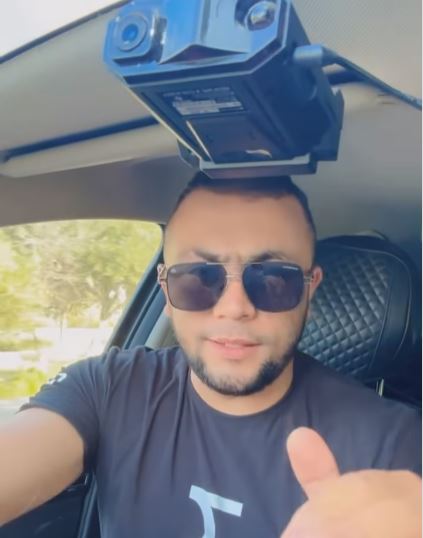
A criminal case has been opened against Kashkadarya-based blogger Sardor Safarboyev, aka 'Sardor Gangster', on account of his statement on TikTok that he does not want to have a daughter. “I'm not having a daughter. If a daughter is born, I'll throw my wife out. I don't need a daughter... if it's a girl, I'll throw it straight into the dustbin. I don't need a daughter. Even if I go to hell, I will [have] a son,” Safarboyev said on air. Following heavy criticism from social media users and activists, the blogger apologized, saying that his words had been provoked by live comments on air. A girl who participated in the broadcast also spoke in Safarboyev's defense, stating that users of the site had deliberately provoked him. Iroda Rasulova, head of the press service of the Kashkadarya Oblast Department of Internal Affairs, announced that the Nishan District Department of Internal Affairs had opened a case under Article 140, Part 2 of the Uzbek Criminal Code. This article deals with insults published in the media or on the internet and provides for punishments such as a fine, community service, or correctional labor.  Investigative work into the case is ongoing. Prior to TikTok being blocked in Uzbekistan, Safarboyev had over 700,000 followers on the platform and over 500,000 on Instagram. This recent incident is not the first time the blogger has been condemned. As recently as February, Safarboyev was arrested for ten days after being found guilty of petty hooliganism and manufacturing, possession, or distribution of materials propagandizing national, racial, ethnic, or religious hatred. In Uzbekistan, the preference for the birth of sons persists due to traditional attitudes and gender stereotypes. This problem, characteristic of many Asian countries, is deeply rooted in cultural and social norms. According to reports by international organizations such as UNFPA, the preference for sons leads to gender imbalance, limits women's rights, and is an issue frequently raised in international forums concerning the combating of gender discrimination.
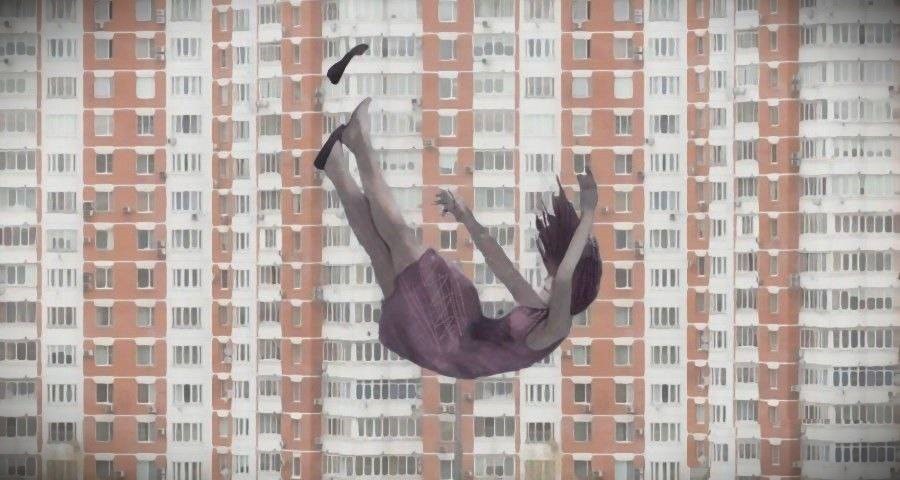
Kazakhstan’s Youth Suicide Crisis: Unraveling the Complex Web of Societal Challenges

A wave of suicides among teenagers and young adults has swept across Kazakhstan. Parents and the Children's Ombudsman have said children were provoked to do dangerous things by the internet, and deputies have demanded that social networks should be blocked. The media, meanwhile, has been accused of creating a “Werther effect,” fixating on the rash of suicides and thus encouraging teenagers to repeat these acts of self-harm. However, experts believe the cause is much more nuanced and cannot be eliminated by blocking harmful content alone. Chronicle of a Fateful September On September 13, a teenager fell from an eighth-story window in Astana. The boy died of his injuries. The very next day, a schoolgirl plummeted from a fifth-floor window in Shchuchinsk. The 12-year-old girl is in hospital, and the causes of both incidents are still under investigation. On September 16 in Almaty, two seventh-grade students from school No. 25 named after the writer I.Esenberlin, left class and climbed to the attic of a neighbor's apartment complex. The girls both fell to their death from the roof. “I came, and I saw two girls lying there. They had jumped from the roof," an eyewitness stated. "The girls were about 13 years old; seventh graders. One had a backpack next to her, and the other had no shoes and was wearing black tights. She had taken her shoes off and placed them neatly. One fell on a car, and her body rolled away. The second was immediately killed on the asphalt.” Later, it became known that one of the girls was the daughter of a famous Almaty ecologist and artist. Deputy Interior Minister Igor Lepekha said that what happened "is a suicide; the case was opened based on it being suicide." On September 21, another schoolgirl fell from a high-rise in Almaty. Allegedly, the girl left the house to perform a routine task, but climbed to the 13th floor, from where she plunged. The Almaty Police Department confirmed the girl's death and has opened a criminal case. By this time, in schools, online, and on social networks, parents had started to spread panicked rumors about the impact on children of a particular computer game, similar to the semi-mythical game “Blue Whale.” In the past, Blue Whale has been decried as a malicious game which encourages teenagers to commit suicide and acts of violence, but no convincing evidence has ever been presented. The Almaty police stated that gossip regarding the involvement of dangerous internet games in the girls' deaths is not valid and reminded the public about their responsibility vis-à-vis spreading false information. On September 22, in the yard of a multi-story residential building in Almaty, the body of a 3rd-year cadet from the Border Academy of the National Security Committee (NSC) who was on regular leave was found. “The cause of death was a fall from a height,” the NSC press service reported. On September 23, also in Almaty, multiple sources reported that a young man had tumbled from a high-rise building. Police...

Tashkent Teacher at Center of Political Debate Arrested for Second Violent Outburst

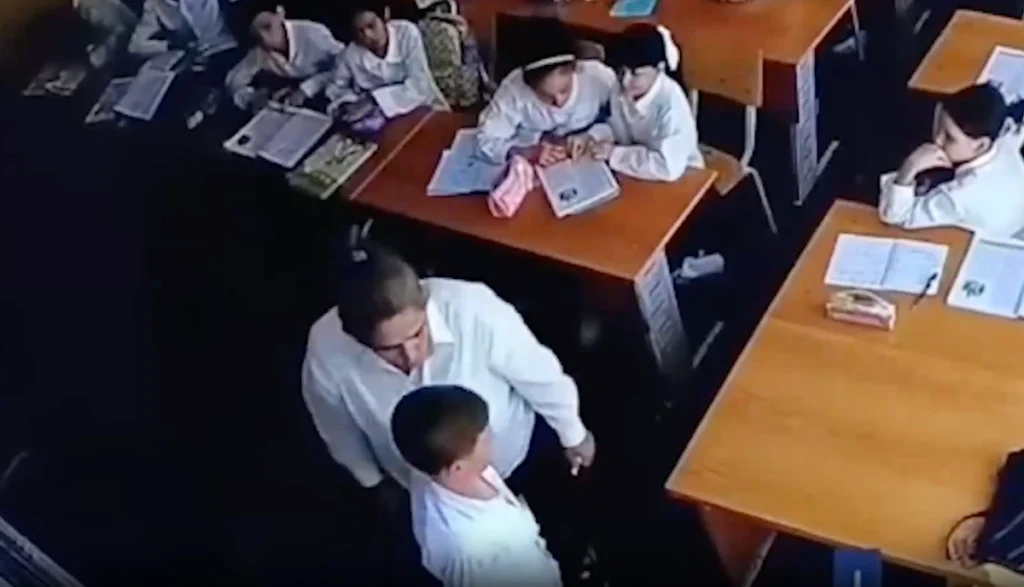
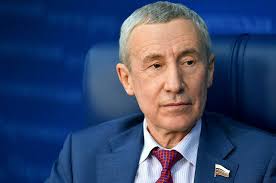
The Times of Central Asia previously reported that оn September 23, a teacher at a school in Tashkent’s Chilonzor district was filmed slapping a student when the child asked for the Russian language class to be taught in Russian. The Children’s Ombudsman of Uzbekistan, Surayyo Rahmonova, has begun an investigation into the incident. The spokesperson for Russia's Ministry of Foreign Affairs, Maria Zakharova, said that she was worried about the content of the video published online, and asked Uzbekistan to make a legal assessment of this incident. In response, Alisher Qodirov, the leader of Uzbekistan’s Milli Tiklanish (National Revival) party and deputy speaker of the lower house of parliament, urged Russia not to interfere in Uzbekistan's domestic affairs, commenting that “it would be better for [Russia] to deal with their own affairs [which are] full of problems than to deal with our internal issues." Russian Senator Andrei Klimov reponded to Qodirov’s statement, saying that “inter-ethnic relations are very delicate” between Uzbeks and Russians. He called the teacher’s actions “an offense, maybe more” and expressed bewilderment at Qodirov’s remarks. The teacher has since committed other offenses. On September 24, she went to her daughter’s school in another district of Tashkent, where she argued with the school administration and used physical force against the deputy director. When officers from the National Guard and the Interior Administration intervened to restore order, the teacher resisted their demands. She was later sentenced to seven days of administrative detention and fined.

Fallout From Assault on Tashkent Schoolboy Reaches Russian Foreign Ministry

On September 23 a teacher at a school in Tashkent's Chilonzor district slapped a student when the child asked for the Russian language class to be taught in Russian. The Children’s Ombudsman of Uzbekistan, Surayyo Rahmonova, has begun an investigation into the incident -- but not before news of the assault reached Russia. Maria Zakharova, the spokesperson for the Russian Ministry of Foreign Affairs, said that she was concerned about the content of a video of the slap that was posted on social media. “We have requested official clarification from the Uzbek side,” Zakharova commented. “The Uzbek side is urgently asked to give the media material a legal assessment and, if justified, to take action against the perpetrator of cruel treatment of the child. We are keeping this issue under the closest attention.” The leader of Uzbekistan’s Milli Tiklanish (National Revival) party and deputy speaker of the lower house of parliament, Alisher Qodirov commented on Telegram that “it would be better for [Russia] to deal with their own affairs [which are] full of problems than to deal with our internal issues. The violation of rights of an Uzbek child at a school in Uzbekistan will be investigated in accordance with Uzbek laws.” A vocal critic of Russian influence, earlier this year Qodirov proposed a ban on the provision of public services to persons who don’t speak the Uzbek, and the promotion of Soviet ideology and symbols in Uzbekistan.

Woman in Uzbekistan Tries to Exchange Daughter for a House

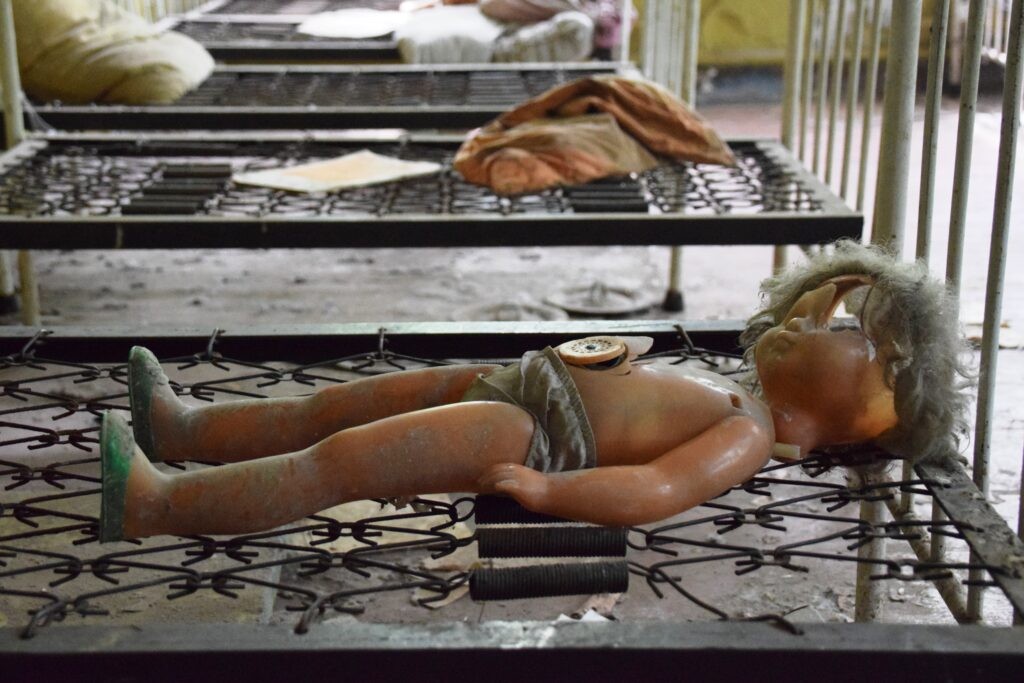
A 41-year-old woman who tried to exchange her 13-year-old daughter for a house in Samarkand has been sentenced to 5 years and two months in prison. The woman, who had come to Samarkand to work, said that the family had no housing when she received an offer to exchange one of her three children for a house worth $25,000. She agreed and gave the person her middle daughter. After receiving some money, the woman went to a restaurant to celebrate the deal, where she was apprehended by law enforcement. This is the woman's second conviction. As a result, her children, including the 13-year-old girl, were put into under state guardianship. This case has had repercussions around the country, with citizens raising questions about the need to strengthen child protection and anti-trafficking measures in Uzbekistan. Child trafficking in Uzbekistan remains a severe problem, despite government efforts to reduce it. According to the Trafficking in Persons Report, in 2019-2020, about 43% of reported trafficking offenses involved children. These cases often include the sale of infants and the involvement of medical personnel in illegal schemes. There has also been an increase in child trafficking in recent years due to economic hardship, especially in rural areas.

Central Asian Countries Unite To Support Women and Children Repatriated From Conflict Zones

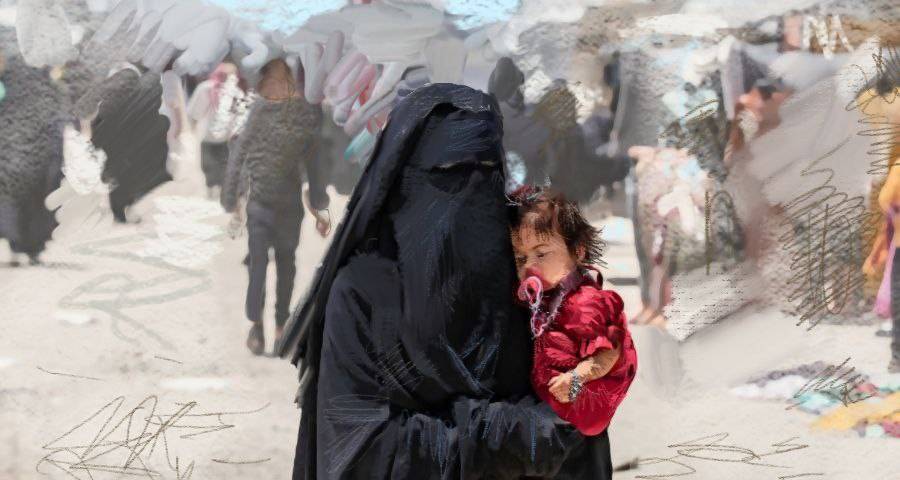
UNICEF Uzbekistan reports that Kazakhstan, Kyrgyzstan, Tajikistan, and Uzbekistan are actively working to improve the support system for women and children returning from conflict zones, such as Iraq and Syria. In support of the European Union's project “The second phase of EU-UN support to Central Asian states for their citizens returning from conflict zones,” delegations from the above met to discuss their shared experiences and means of providing necessary support and services for successfully reintegrating women and children into society. Uzbekistan was one of the first countries in Central Asia to start repatriating its citizens from conflict zones. Since 2019, the country has undertaken several missions to return women and children stranded in conflict zones as part of operations known as “Mehr” (“kindness” in Uzbek). The “Mehr-1” and “Mehr-2” operations have enabled the Government of Uzbekistan to repatriate many of its citizens, and in cooperation with the government of Iraq and UNICEF, offer a safe haven in their motherland for children deprived of basic necessities such as food, clean water, and medical care while living in war zones and refugee camps. On their return, repatriated citizens are placed in special sanatoriums where they are provided with hot food, clothing, and the services of doctors, therapists, and teachers. To date, Uzbekistan has successfully repatriated 531 citizens, including 331 children, 125 women, and 27 men. The country's initiative has been praised internationally and noting  its focus on the interests of children and supporting the family unity and society, Ní Aoláin, a UN expert has stateed that, “The Uzbek model of repatriation and reintegration provides a roadmap for other governments to return their nationals from conflict zones." Kazakhstan, likewise, has committed to the repatriation of its citizens from areas previously controlled by the Islamic State, and has launched operations “Jusan” and “Rusafa”, implemented with a high level of coordination between various government agencies, including national security services, diplomats, and the military. One of the most essential repatriations took place within the framework of the “Jusan” operation, launched in 2019. The name “Jusan” means bitter wormwood; native to Kazakhstan and a symbol of homesickness. Through this operation, hundreds of women and children were rescued from dangerous refugee camps in Syria, including the notorious Al-Hol Camp. Maryam, one of the women repatriated during the “Jusan” operation, said that the "first time a delegation from Kazakhstan arrived was to collect data on Kazakh citizens in the Al-Hol Camp. They promised to come back for us soon. A month of waiting felt like an eternity to us.” According to women from the tent camp, the shortage of drinking water and provisions, essential medicines, and the unbearable heat aggravated the situation and led to constant conflicts between residents. The humanitarian operations “Jusan” and “Rusafa” enabled the return of 725 people to Kazakhstan, including 188 women and 522 children, most of whom were under twelve years of age. Kazakhstan's success in such operations has been  attributed to the high level of investment by the state. According to Gabit Konusov,...