• KGS/USD = 0.01144 0%
  • KZT/USD = 0.00213 0%
  • TJS/USD = 0.10792 -0.28%
  • UZS/USD = 0.00008 0%
  • TMT/USD = 0.28490 0%
  • KGS/USD = 0.01144 0%
  • KZT/USD = 0.00213 0%
  • TJS/USD = 0.10792 -0.28%
  • UZS/USD = 0.00008 0%
  • TMT/USD = 0.28490 0%
  • KGS/USD = 0.01144 0%
  • KZT/USD = 0.00213 0%
  • TJS/USD = 0.10792 -0.28%
  • UZS/USD = 0.00008 0%
  • TMT/USD = 0.28490 0%
  • KGS/USD = 0.01144 0%
  • KZT/USD = 0.00213 0%
  • TJS/USD = 0.10792 -0.28%
  • UZS/USD = 0.00008 0%
  • TMT/USD = 0.28490 0%
  • KGS/USD = 0.01144 0%
  • KZT/USD = 0.00213 0%
  • TJS/USD = 0.10792 -0.28%
  • UZS/USD = 0.00008 0%
  • TMT/USD = 0.28490 0%
  • KGS/USD = 0.01144 0%
  • KZT/USD = 0.00213 0%
  • TJS/USD = 0.10792 -0.28%
  • UZS/USD = 0.00008 0%
  • TMT/USD = 0.28490 0%
  • KGS/USD = 0.01144 0%
  • KZT/USD = 0.00213 0%
  • TJS/USD = 0.10792 -0.28%
  • UZS/USD = 0.00008 0%
  • TMT/USD = 0.28490 0%
  • KGS/USD = 0.01144 0%
  • KZT/USD = 0.00213 0%
  • TJS/USD = 0.10792 -0.28%
  • UZS/USD = 0.00008 0%
  • TMT/USD = 0.28490 0%

Viewing results 1 - 6 of 3

Kanybek Kalmatov Interview: Kyrgyz Director Takes on Chinghiz Aitmatov

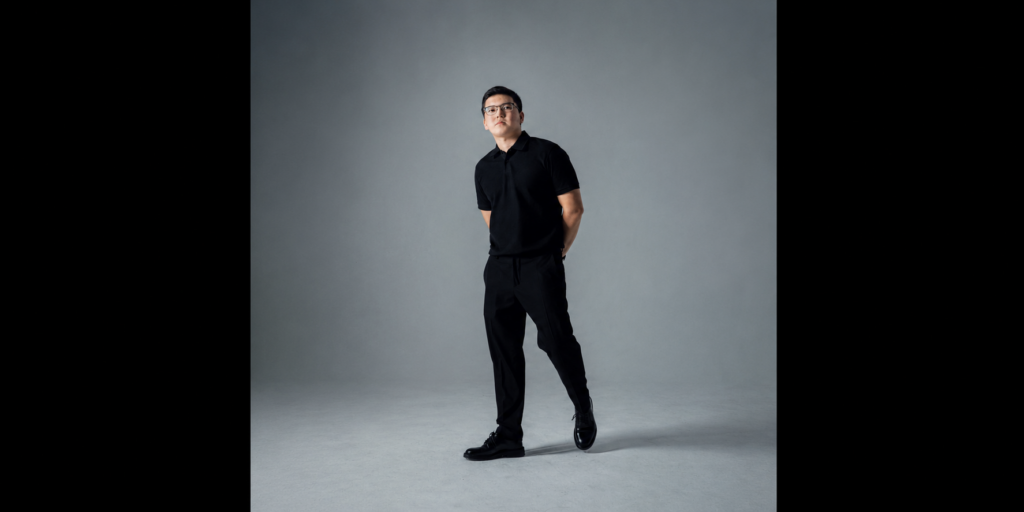
At 25, Kanybek Kalmatov is taking on a subject many older directors might have avoided: Chinghiz Aitmatov, Kyrgyzstan’s most internationally recognized writer and a figure deeply embedded in the country’s cultural identity. Kalmatov, a cinematographer and graduate of VGIK, the prestigious Moscow film school, is making his directorial debut with Aitmatov, billed as Kyrgyzstan’s first full-length feature film about the writer’s life and career. The project has already drawn attention beyond Kyrgyzstan, not least because Russian actor Sergey Bezrukov has joined the cast. For Kalmatov, the film is also personal. He first encountered Aitmatov as a schoolboy through The Little Soldier, and later found that even at film school in Moscow, Kyrgyzstan was often viewed through the writer’s name. Now, after months of research and nearly a year spent developing the screenplay, he says he is ready to take on a life that one film can only partly contain. The Times of Central Asia spoke with Kalmatov about why he chose a biopic rather than an adaptation, how he approached Aitmatov’s life at such a young age, and why he hopes the film will send younger viewers back to the writer’s books.   TCA: You have chosen an ambitious project for your directorial debut. How did the film come about? Kanybek Kalmatov: Since childhood, there have been two stories I always dreamed of filming. The first is about my parents, because they have an incredible love story. The second is about Aitmatov. It wasn’t only his works that fascinated me. It was the scale of his personality, how determined he was and how many different things he managed to do at the same time. I fell in love with Aitmatov when I was about 12, after reading The Little Soldier.  It’s about a boy whose father died in the war. Since then, Aitmatov’s works have always stayed with me. Even at VGIK, where I studied, people often saw me through that lens: “You’re from Kyrgyzstan? The homeland of Aitmatov?” For us, he’s not just a writer; he’s part of our cultural code. So I felt that, sooner or later, this film was bound to enter my life. TCA: Were you afraid the project might not work? Kanybek Kalmatov: No. Probably because I believe strongly in intention. Any big undertaking starts with that. If your motivation is right and you understand why you’re doing it, things begin to fall into place. From the start, my intention was pure. I never saw this film as a way to gain fame or prove something to anyone. I wanted to tell the story honestly of someone who means so much to our culture. TCA: Don’t you think one has to “grow into” Aitmatov first? Kanybek Kalmatov: There are topics you need to mature into. But if you wait for the perfect moment, you may never make anything at all. Maybe if I waited another 15 years, I would approach this story differently. Or maybe I’d never dare. Personally, I respect people who aren’t afraid...

From From Global Streaming to International Productions: Kazakhstan Filmmakers Go International

Makpal Kursabayeva is a sound engineer whose work has increasingly extended beyond Kazakhstan’s local film industry. Over the years, she has contributed to projects with international teams, from working alongside The Matrix cinematographer Bill Pope to taking part in series produced for global streaming platforms. Her career highlights the expanding role of Kazakhstani professionals in international production and shows that local crews can compete with their Western counterparts. Her work includes on-set recording, post-production, and sound capture in environments ranging from military airbases and nighttime steppes to urban locations. In an interview with The Times of Central Asia, she discusses how the industry works and why crews from Kazakhstan are competitive in international productions. TCA: You are a highly experienced sound engineer, but most of your work has been on local projects. Do you think Kazakhstani specialists are competitive in the global market? Makpal: I have no doubt about it, however confident that may sound. Recently, we worked on an international series filmed in Kazakhstan by Turkish filmmakers. Many department heads were Turkish, but I led the sound department. We worked and communicated seamlessly; there were no barriers at all. And that’s always the case. I also worked on a commercial project for Chevron, where the cinematographer was Bill Pope, who shot the legendary film The Matrix, the Ant-Man films, Shang-Chi, and more. TCA: Was the entire crew international as well? Makpal: The second director was American. Playback equipment was brought from Moscow. It was a mix, bringing together the best. The Russian team even said that such sound equipment isn’t available in Moscow. Technically, we are not lagging behind at all. We also have plenty of talented and highly skilled professionals. TCA: Were they at all arrogant? Makpal: Not at all. Bill Pope was great to work with. He’s like a rock star, very open, loves music. We talked about ethnic music; I let him listen to the band Turan. He even asked me to play the dombra. I was a bit nervous because the executive producer was very strict, and I thought she might say I was disrupting the workflow. But he went to her himself and asked, and then she was the one chasing me to make it happen, so the question isn’t whether we can work at a Western level; we already do. TCA: You’ve also worked with German teams on Emir Baigazin’s films, and with French teams on projects by Yermek Shinarbayev and Akan Satayev’s epic Myn Bala: Warriors of the Steppe? Makpal: Yes. There was an interesting experience with one Western specialist, I won’t say from which country. I thought they had a different school and that I could learn from him. But while he was good on set, he wasn’t very strong in post-production. It even got to the point where I was teaching him, explaining how to properly edit sound and the technology behind it. Sometimes I would suggest something, and the next day those ideas would be presented as his own....

From VHS Tapes to Cannes and the Academy: Kazakh Cinematographer Yerkinbek Ptyraliyev on His Craft

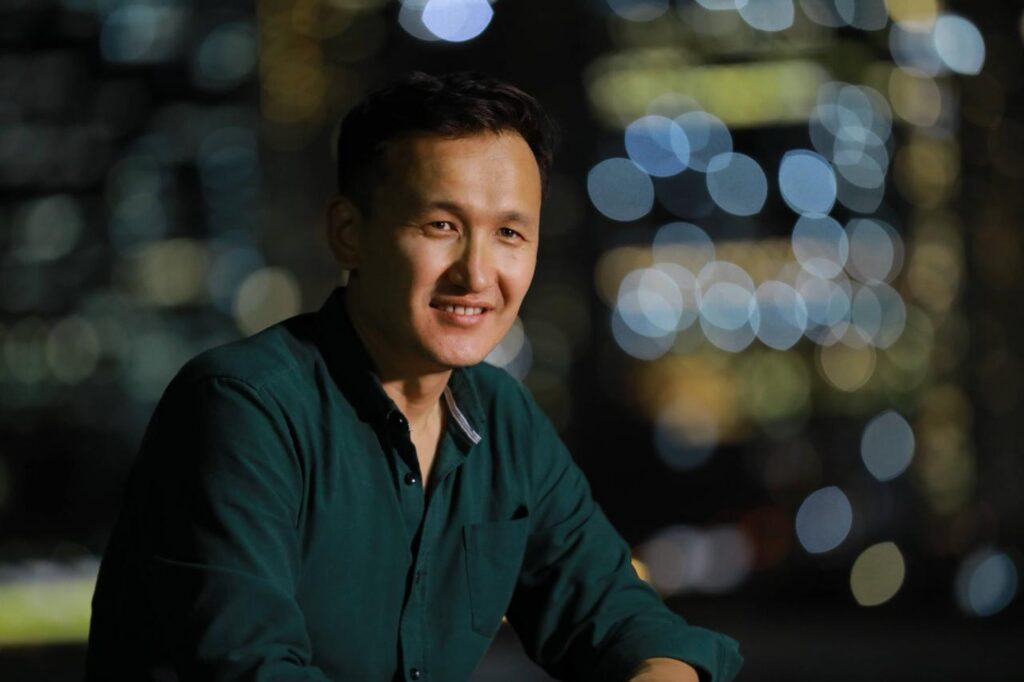
Kazakh cinematographer Yerkinbek Ptyraliyev has built an international reputation through his collaborations with director Adilkhan Yerzhanov. Their film The Masters, released in 2014, was selected for the Cannes Film Festival and later screened at major festivals in Venice, Berlin, and other international venues. In 2024, Ptyraliyev became the first Kazakh cinematographer invited to join the Academy of Motion Picture Arts and Sciences. In an interview with The Times of Central Asia, he spoke about the role of a cinematographer, the technical challenges of filming night scenes in the steppe, and why the Kazakh school of cinematography is increasingly recognized as a distinct brand. TCA: You recently returned from the Berlin International Film Festival, where your team’s new film, Adilkhan Yerzhanov’s Turghaud, was screened. What are your impressions? Yerkinbek: Very positive. Our film was received very warmly. There was an engaging discussion after the screening, and it is always valuable to receive immediate feedback rather than hearing reactions later. We sat in the theater and listened to what the audience was saying. It was especially interesting to hear their interpretations. There were many different perspectives. TCA: Does the perception of foreign audiences differ significantly from that of Kazakh audiences? When I watched the film, it seemed primarily aimed at a domestic audience. Yerkinbek: I think every filmmaker wants their work to be seen everywhere. I am convinced that cinema has no borders. This year, the Golden Bear at the Berlinale went to a Turkish film, a movie entirely in Turkish, about Turks and Turkey, but shot in Berlin. That did not prevent it from winning. Language and national context are not limitations; on the contrary, they are resources. We need to support them both in everyday life and in cinema. Adilkhan’s films are universal precisely because he speaks about issues that matter to any modern person. That is why they resonate beyond our own country. TCA: I remember receiving accreditation for the Cannes Film Festival as a journalist when Adilkhan Yerzhanov was invited there for the first time with the film The Hosts, which you shot. Did that open the door to major cinema for you? Yerkinbek: Absolutely. It was my debut film and such an immediate success. After that project, foreign directors began to notice me. For example, I started receiving invitations to work in Turkey, where I shot two contemporary dramas. The first passed relatively quietly, but the second attracted significant attention from Turkish audiences. It was directed by Nazif Tun. Until then, he had spent his career making television films and series, but that project was his feature-film debut. I watched his previous work, it was very close to cinematic language, even though he himself insisted it was television rather than cinema. TCA: Did you ever consider moving to Turkey? The market there is still larger than ours. Yerkinbek: No. In recent years I have not even had the opportunity to go there. First, the timing has not worked out. Second, not every story resonates with me. So far,...