
• KGS/USD = 0.01144 0%
  • KZT/USD = 0.00215 0%
  • TJS/USD = 0.10680 0.19%
  • UZS/USD = 0.00008 0%
  • TMT/USD = 0.28530 0%
  • KGS/USD = 0.01144 0%
  • KZT/USD = 0.00215 0%
  • TJS/USD = 0.10680 0.19%
  • UZS/USD = 0.00008 0%
  • TMT/USD = 0.28530 0%
  • KGS/USD = 0.01144 0%
  • KZT/USD = 0.00215 0%
  • TJS/USD = 0.10680 0.19%
  • UZS/USD = 0.00008 0%
  • TMT/USD = 0.28530 0%
  • KGS/USD = 0.01144 0%
  • KZT/USD = 0.00215 0%
  • TJS/USD = 0.10680 0.19%
  • UZS/USD = 0.00008 0%
  • TMT/USD = 0.28530 0%
  • KGS/USD = 0.01144 0%
  • KZT/USD = 0.00215 0%
  • TJS/USD = 0.10680 0.19%
  • UZS/USD = 0.00008 0%
  • TMT/USD = 0.28530 0%
  • KGS/USD = 0.01144 0%
  • KZT/USD = 0.00215 0%
  • TJS/USD = 0.10680 0.19%
  • UZS/USD = 0.00008 0%
  • TMT/USD = 0.28530 0%
  • KGS/USD = 0.01144 0%
  • KZT/USD = 0.00215 0%
  • TJS/USD = 0.10680 0.19%
  • UZS/USD = 0.00008 0%
  • TMT/USD = 0.28530 0%
  • KGS/USD = 0.01144 0%
  • KZT/USD = 0.00215 0%
  • TJS/USD = 0.10680 0.19%
  • UZS/USD = 0.00008 0%
  • TMT/USD = 0.28530 0%

Viewing results 1 - 6 of 6

The Astana-Tashkent Tandem: A Developing Partnership Based on Mutual Interest

On April 11, Kazakhstan’s President Kassym-Jomart Tokayev paid a working visit to Uzbekistan, where he was hosted in Bukhara by President Shavkat Mirziyoyev. The historic city provided the setting for discussions that increasingly reflect a broader regional agenda. A second informal meeting in just over a year suggests this format may be gaining weight in relations between Central Asia’s two largest economies. “The informal format is of strategic importance, since such meetings make it possible to discuss sensitive issues without protocol constraints, build personal trust between leaders, which plays a key role in Central Asia, and align positions ahead of official negotiations,” said Uzbek political analyst Ravshan Nazarov. He added that such meetings reflect a growing intra-regional focus, reduced dependence on external actors, and the strengthening of the “Tashkent-Astana” tandem. During the talks, Tokayev emphasized the importance of the visit “given the current unstable geopolitical situation.” The two sides reviewed bilateral cooperation across multiple sectors. Trade turnover reached $5 billion last year, with both countries aiming to double this figure to $10 billion in the near term. Joint projects are already underway in automotive manufacturing, infrastructure, logistics, electrical engineering, and construction materials. The discussion also extended to other sectors, including energy and industrial cooperation. Both Presidents stressed the need to modernize border infrastructure, eliminate bottlenecks, and develop efficient transport corridors to external markets. They also discussed accelerating major regional projects, including the construction of the Kambarata hydropower plant and advancing “green” energy exports. Tokayev also voiced his support for Uzbekistan’s “Clean Air” initiative, highlighting environmental challenges in Almaty. “I share your concern regarding the environmental condition of Tashkent. We have a very difficult situation in Almaty. Unfortunately, Almaty has entered the list of the most polluted major cities in the world, and urgent measures must be taken. Therefore, we could propose the joint implementation of the ‘Clean Air’ initiative under presidential patronage,” Tokayev said. The reference to Almaty also recalled the setting of the previous informal meeting on March 29, 2025. During that visit, Mirziyoyev toured the Medeu high-mountain sports complex and visited the National Museum of Arts, where an exhibition featuring works by Abilkhan Kasteev and Ural Tansykbayev was organized. That visit drew attention to the city’s preparedness for high-level events. Tokayev subsequently instructed then-Mayor of Almaty, Yerbolat Dossayev, to improve conditions in the city and report regularly on progress. In May 2025, Dossayev was dismissed as mayor and reassigned to the Presidential Administration. He was later also relieved of that post. In contrast, the Bukhara program was more extensive. Mirziyoyev presented industrial and technological projects, including a cotton-textile cluster, an artificial intelligence hackathon, and several cultural landmarks, including the mausoleum of Bahauddin Naqshbandi, founder of the Naqshbandi Sufi order. The discussions themselves also appeared more substantive, covering areas such as rare earth metals, transport, energy, and information technology. “When discussions include not only trade but also rare earths, transport, energy, and IT, it indicates a shift toward strategic thinking. The focus is no longer just on trade turnover,...

Uzbekistan Launches “Clean Air” Project to Cut Pollution by 2030

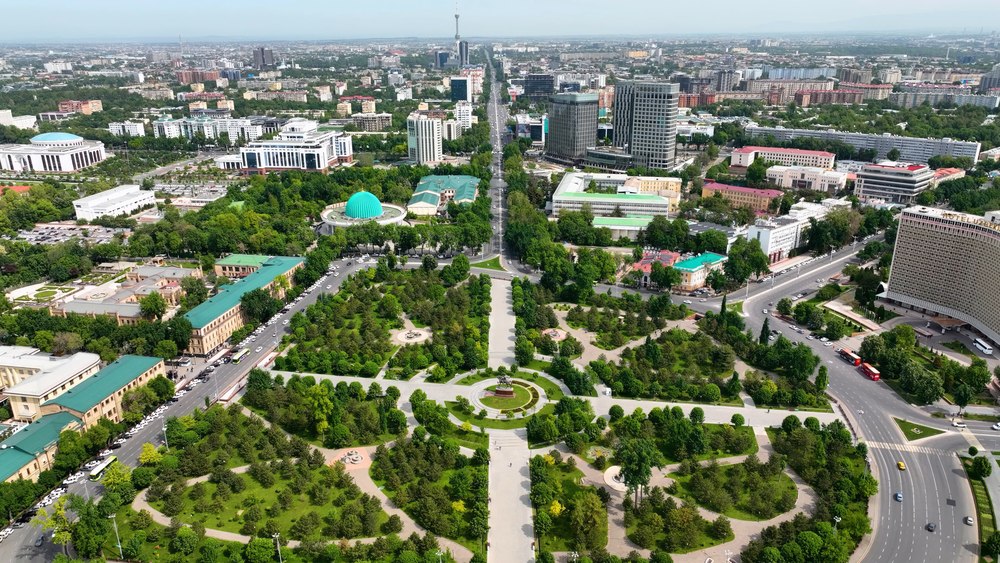
Uzbekistan has approved a nationwide environmental initiative aimed at improving air quality and reducing pollution over the next five years, according to a presidential decree published on March 25. The decree outlines the implementation of the “Clean Air” national project for 2026-2030. The program sets a target of reducing harmful emissions into the atmosphere by 10.5% and strengthening environmental monitoring across key industrial sectors. Under the plan, enterprises classified as having a significant environmental impact will be required to install automatic monitoring systems, as well as dust and gas purification equipment. The initiative also aims to reduce the number of days when air pollution levels, particularly fine particulate matter (PM2.5), exceed national safety standards. Special attention is being given to the capital. Authorities have extended the mandate of a government commission tasked with addressing environmental challenges in Tashkent until March 1, 2027. The body has also been elevated to a national-level commission, reflecting its expanded scope of responsibility. From April 1, 2026, a moratorium will be introduced on the creation of new industrial zones in Tashkent, with no specified end date. The measure is intended to limit additional pressure on the city’s already strained air quality. The decree also introduces stricter environmental requirements in the construction sector starting June 1. Developers will be required to equip building sites with environmental monitoring systems linked to a centralized database managed by the Ecology Committee. In addition, construction sites must install online surveillance cameras to ensure compliance with environmental standards. Companies found to be in violation of environmental regulations will face penalties through a rating system within the national “Transparent Construction” platform. Environmental impact assessments will also become mandatory for all major construction and urban planning projects. New building designs exceeding specified size thresholds must allocate at least 30% of land area to green spaces, reflecting a broader effort to expand urban greenery. In recent years, air quality in Tashkent has deteriorated significantly. Experts attribute the problem to industrial emissions, seasonal dust storms, rapid urban development, and the loss of green spaces. Despite a formal ban, an estimated 49,000 trees have been cut down since 2019. According to the Ministry of Ecology, PM2.5 levels in the capital frequently exceed World Health Organization guidelines. During severe smog episodes in early 2024, pollution levels reached up to 22 times the recommended annual limits, posing serious risks to public health.