Uzbekistan has approved a nationwide environmental initiative aimed at improving air quality and reducing pollution over the next five years, according to a presidential decree published on March 25.
The decree outlines the implementation of the “Clean Air” national project for 2026-2030. The program sets a target of reducing harmful emissions into the atmosphere by 10.5% and strengthening environmental monitoring across key industrial sectors.
Under the plan, enterprises classified as having a significant environmental impact will be required to install automatic monitoring systems, as well as dust and gas purification equipment. The initiative also aims to reduce the number of days when air pollution levels, particularly fine particulate matter (PM2.5), exceed national safety standards.
Special attention is being given to the capital. Authorities have extended the mandate of a government commission tasked with addressing environmental challenges in Tashkent until March 1, 2027. The body has also been elevated to a national-level commission, reflecting its expanded scope of responsibility.
From April 1, 2026, a moratorium will be introduced on the creation of new industrial zones in Tashkent, with no specified end date. The measure is intended to limit additional pressure on the city’s already strained air quality.
The decree also introduces stricter environmental requirements in the construction sector starting June 1. Developers will be required to equip building sites with environmental monitoring systems linked to a centralized database managed by the Ecology Committee. In addition, construction sites must install online surveillance cameras to ensure compliance with environmental standards.
Companies found to be in violation of environmental regulations will face penalties through a rating system within the national “Transparent Construction” platform. Environmental impact assessments will also become mandatory for all major construction and urban planning projects.
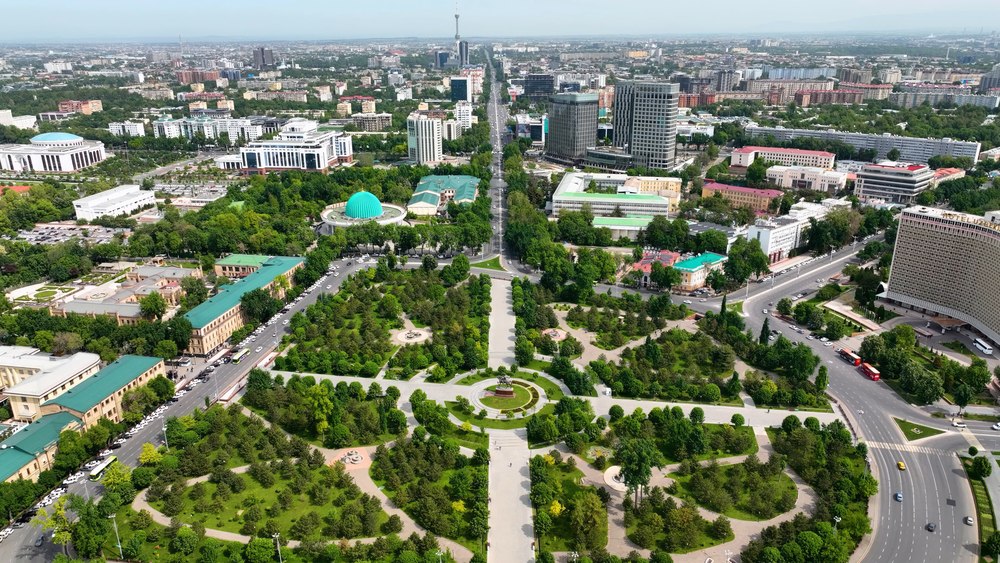
New building designs exceeding specified size thresholds must allocate at least 30% of land area to green spaces, reflecting a broader effort to expand urban greenery.
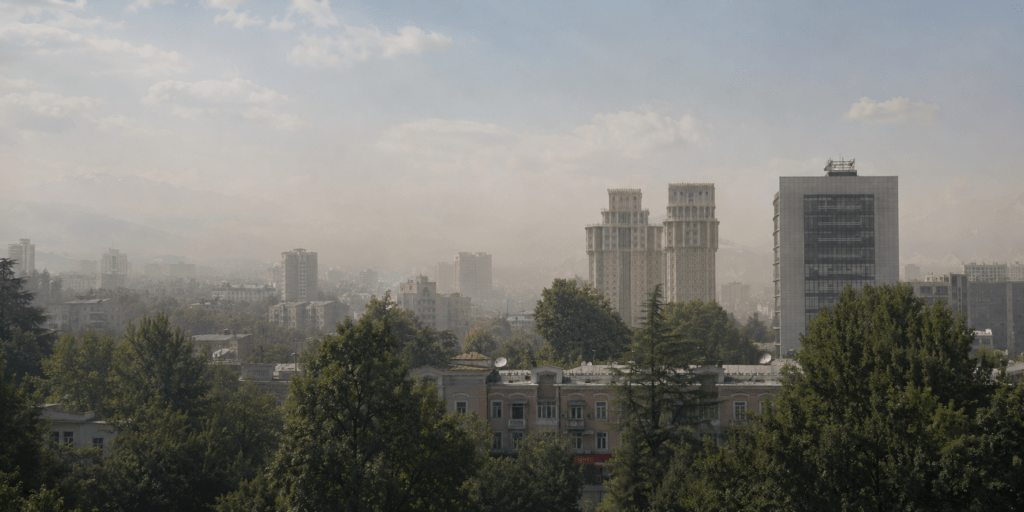
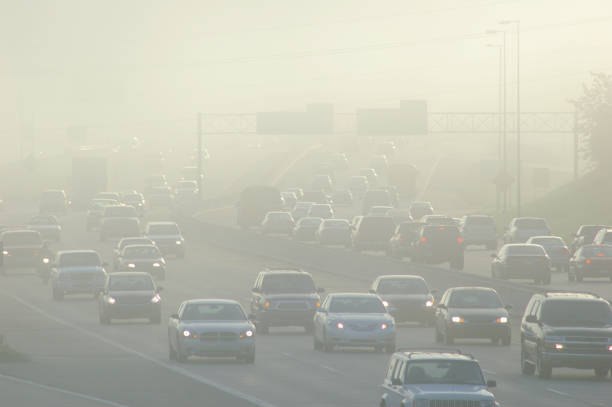
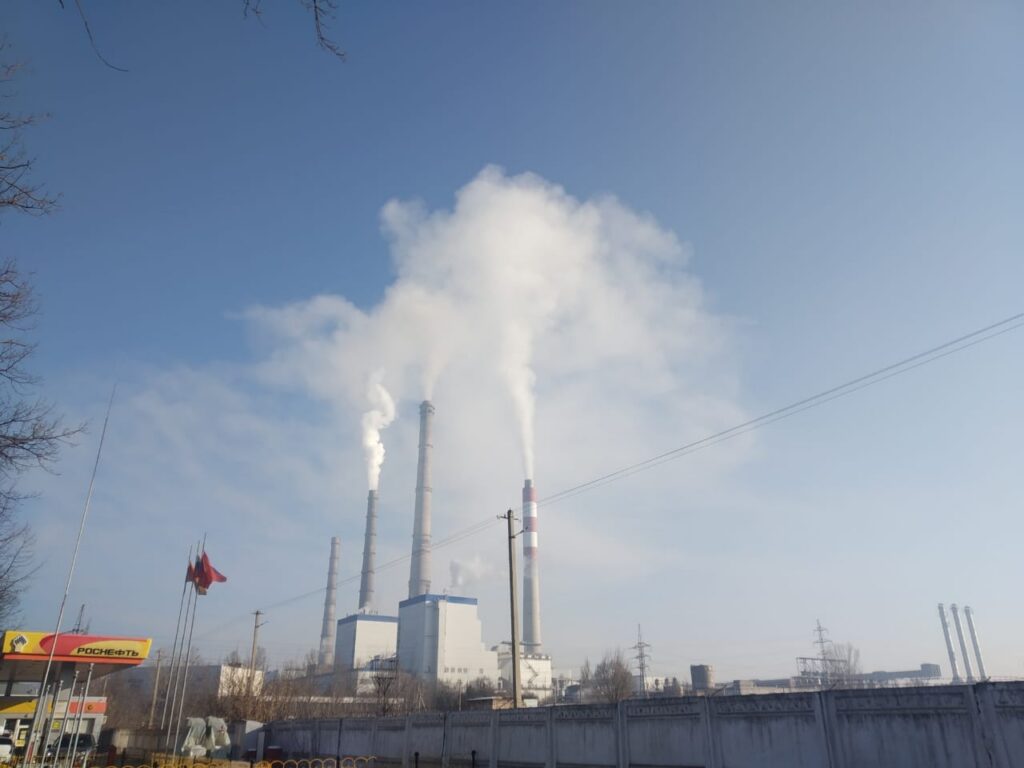
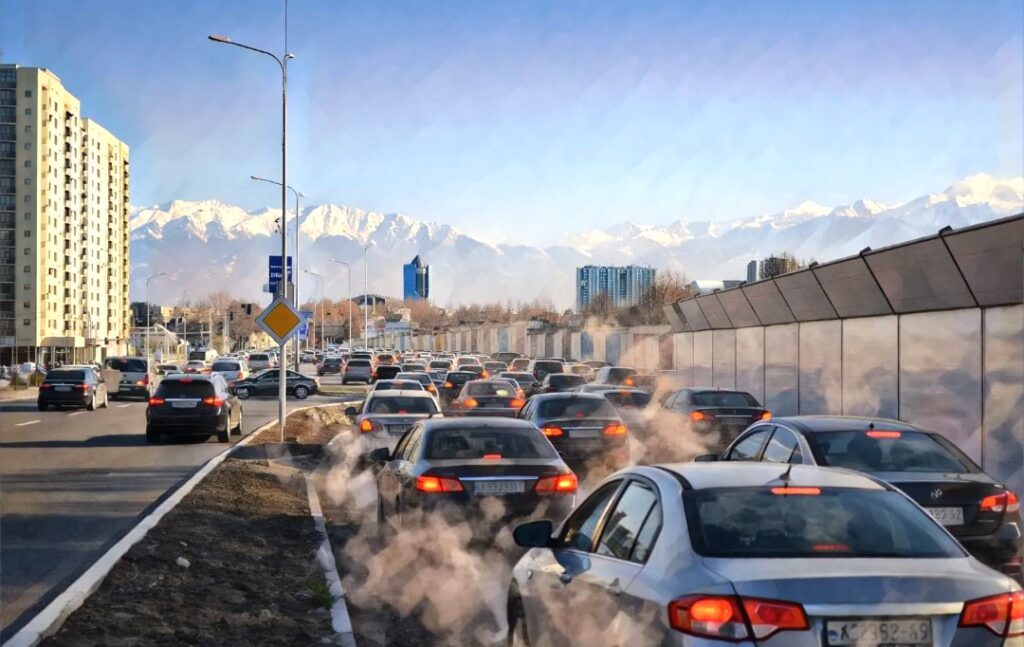
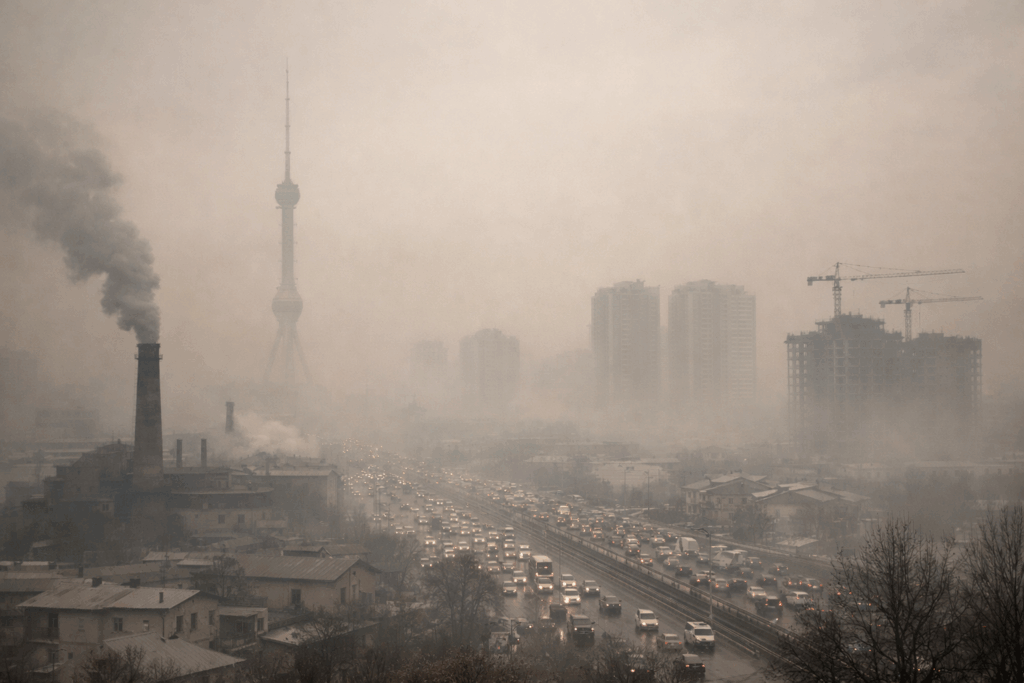
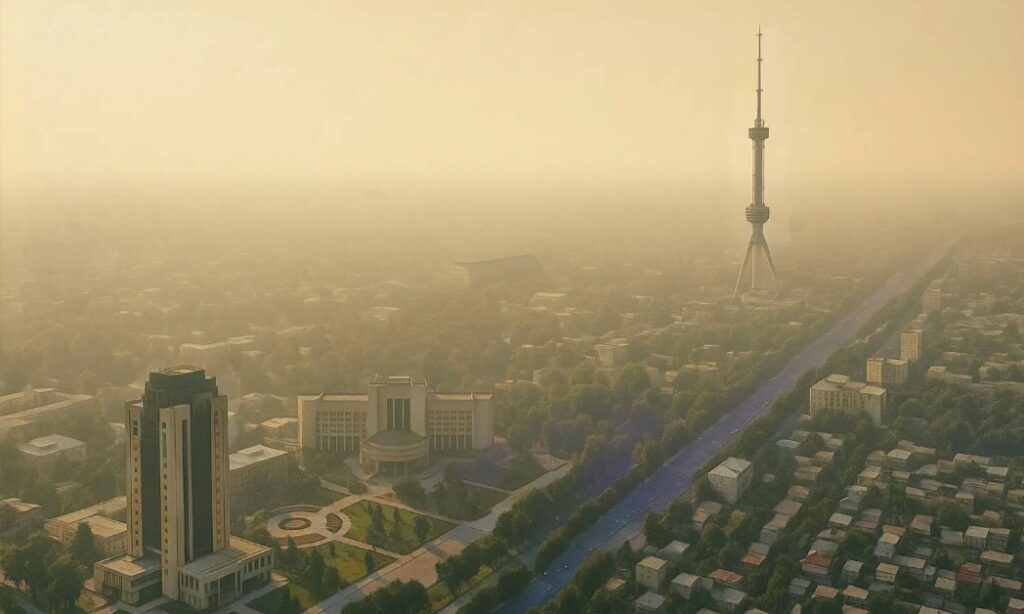
In recent years, air quality in Tashkent has deteriorated significantly. Experts attribute the problem to industrial emissions, seasonal dust storms, rapid urban development, and the loss of green spaces. Despite a formal ban, an estimated 49,000 trees have been cut down since 2019.
According to the Ministry of Ecology, PM2.5 levels in the capital frequently exceed World Health Organization guidelines. During severe smog episodes in early 2024, pollution levels reached up to 22 times the recommended annual limits, posing serious risks to public health.