• KZT/USD = 0.00223
  • TJS/USD = 0.10810
  • UZS/USD = 0.00009
  • TMT/USD = 0.29850
  • KZT/USD = 0.00223
  • TJS/USD = 0.10810
  • UZS/USD = 0.00009
  • TMT/USD = 0.29850
  • KZT/USD = 0.00223
  • TJS/USD = 0.10810
  • UZS/USD = 0.00009
  • TMT/USD = 0.29850
  • KZT/USD = 0.00223
  • TJS/USD = 0.10810
  • UZS/USD = 0.00009
  • TMT/USD = 0.29850
  • KZT/USD = 0.00223
  • TJS/USD = 0.10810
  • UZS/USD = 0.00009
  • TMT/USD = 0.29850
  • KZT/USD = 0.00223
  • TJS/USD = 0.10810
  • UZS/USD = 0.00009
  • TMT/USD = 0.29850
  • KZT/USD = 0.00223
  • TJS/USD = 0.10810
  • UZS/USD = 0.00009
  • TMT/USD = 0.29850
  • KZT/USD = 0.00223
  • TJS/USD = 0.10810
  • UZS/USD = 0.00009
  • TMT/USD = 0.29850
22 September 2026

Viewing results 1 - 6 of 2

Central Asia at the UN: Saida Mirziyoyeva to Represent Uzbekistan

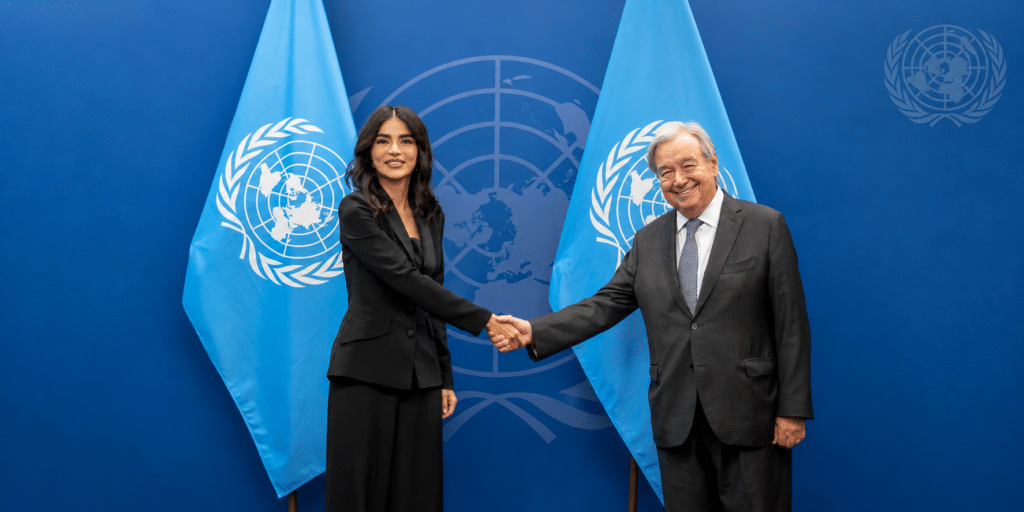
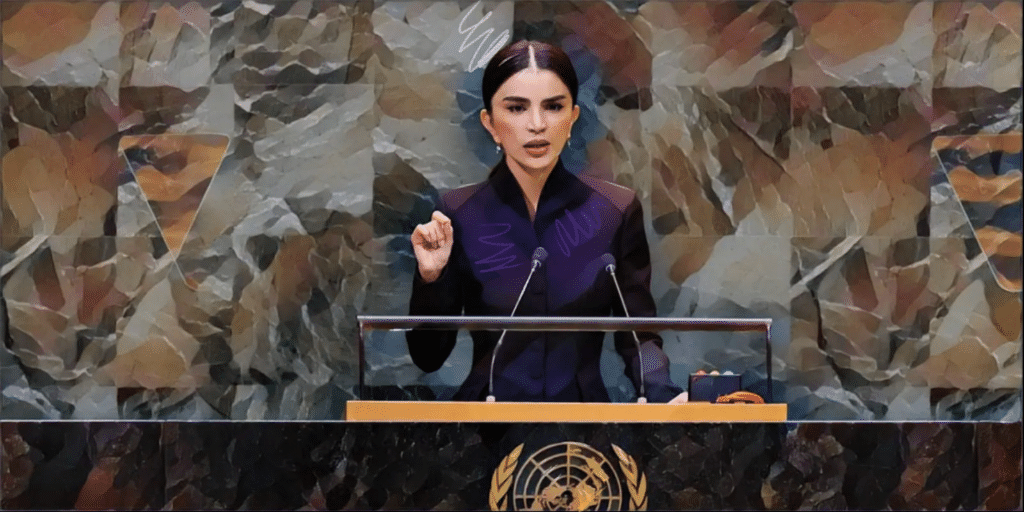
Saida Mirziyoyeva, the head of Uzbekistan’s Presidential Administration and daughter of President Shavkat Mirziyoyev, is expected to deliver the country’s address at the UN General Assembly’s general debate in New York. Her appearance comes as Central Asian delegations seek support for regional development and prepare for a larger role in UN diplomacy. On September 22, Gazeta reported that Mirziyoyeva would represent Uzbekistan in the debate. Her father delivered the country’s address last year. The report did not specify the proposals she would present. Mirziyoyeva met UN Secretary-General António Guterres on September 21. Her public account described discussions on cooperation with the UN, but provided no detailed negotiating agenda. The assignment follows her appointment as administration chief in June 2025, when the president restored a post abolished two years earlier. She had previously served as his assistant. This month, Mirziyoyev also appointed her to head the planned Tashkent International Financial Centre, which aims to attract private capital through tax incentives and a legal framework drawing on English common law principles. Mirziyoyeva’s UN appearance adds a major diplomatic assignment to her domestic responsibilities. She has addressed UN events before, including a water conference in 2023. Delivering Uzbekistan’s national statement in the General Assembly would give her a broader platform to present government policy. What is On the Agenda The general debate runs from September 22 to 26 and resumes on September 28. It is the centerpiece of the General Assembly’s high-level week, when world leaders address the UN and hold bilateral talks on the sidelines. The gathering is based at UN headquarters in New York, with additional events around the city. This year’s theme is “Restoring trust, managing transformation: A United Nations that delivers for all.”  Practical discussions include reforming the organization and financing development. The European Council’s published priorities call for a more effective, cost-efficient UN and stronger international peace and security mechanisms. The week also brings diplomacy over the war in Ukraine. Volodymyr Zelenskiy is due to meet U.S. President Donald Trump in New York to press for a halt to attacks on energy infrastructure, Reuters reported. Those talks take place amid continuing strikes on power facilities and refineries. The week’s program includes separate meetings on climate action and a just transition on September 23, according to Kazakhstan Today. Pandemic prevention and preparedness will be discussed on September 25. Central Asia in New York The region’s countries are attending at different political levels. Kyrgyz President Sadyr Japarov is in New York after visiting Utah. His announced program combines participation in the UN gathering with meetings with national leaders and U.S. businesses. On September 21, Japarov met financial services group StoneX. The meeting produced memoranda involving Kyrgyzstan’s Finance Ministry and Eldik Bank, following discussions about precious metals trading and access to international financial services. Kyrgyzstan is also preparing for its 2027–2028 Security Council term. In a recent interview with The Times of Central Asia, Shumkarbek Adilbek uulu, director of the National Institute for Strategic Initiatives, described efforts to secure financing for...

Tajikistan’s Electricity Losses Add Pressure to Water and Climate Agenda

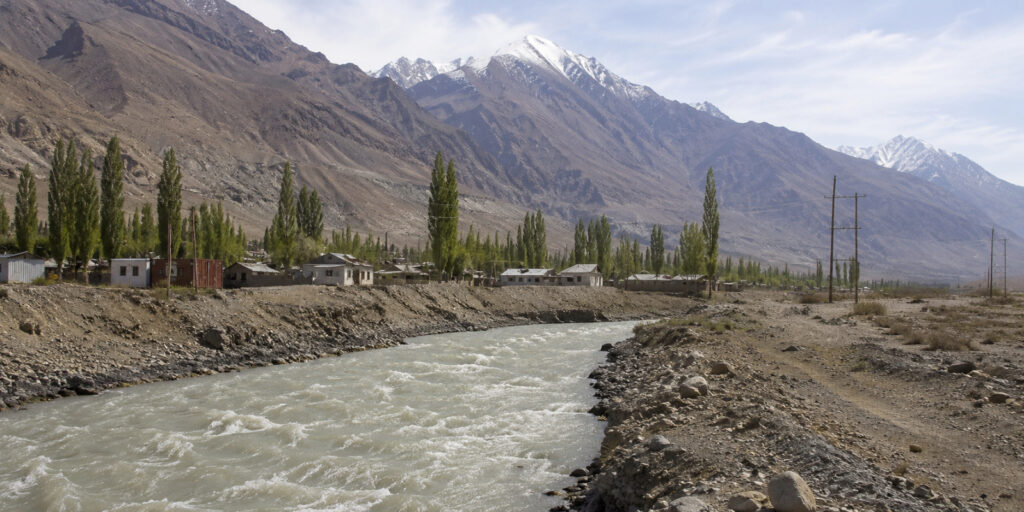
Tajikistan’s aging power grid has become part of the country’s water and climate policy. The issue returned to the agenda of European Union-Tajikistan cooperation on July 3, when the two sides held a development cooperation meeting in Dushanbe. Energy and water were included in the Global Gateway agenda, while other talks addressed transport and energy infrastructure, the digital economy, water-resource management, and strategic raw materials. Tajikistan gets nearly 98% of its electricity from hydropower. That gives the country a low-carbon power mix, while tying electricity supply to river flows, snowmelt, reservoirs, and glacier change. Losses in the power system add pressure to that link. Each kilowatt-hour lost in transmission or distribution must still be generated. In Tajikistan, that usually means more water passing through hydropower plants or imported electricity when reservoir levels are low. The European Bank for Reconstruction and Development (EBRD) has focused on concessional funding for loss-reduction projects. After a May meeting between Energy Minister Daler Juma and Holger Wiefel, the EBRD’s head in Tajikistan, the energy ministry put the aim plainly: “The sides discussed attracting concessional financing for projects aimed at reducing electricity losses and improving the efficiency of the country’s energy system.” Officials also discussed private investment. Hydropower plants in the Zarafshan basin and solar plants were discussed as well. No new financing has been announced from those discussions. The immediate context is an existing EBRD- and EU-backed program for the distribution network. The Times of Central Asia previously reported in April that Tajikistan would receive nearly €49.6 million from the EBRD to reduce electricity losses. The package combines a €28 million loan with grants and technical assistance for work in nine branches of the distribution network in Sughd and Khatlon. First Deputy Finance Minister Yusuf Majidi said the project would reduce energy losses, replace worn-out infrastructure, install modern meters, and improve billing and revenue collection. The EBRD project file gives the total project cost as €43 million. It includes up to €28 million in EBRD financing and a €15 million EU co-investment grant through the Asia Pacific Investment Facility. The project targets automatic billing and metering systems in nine networks of the Bokhtar, Kulob, and Guliston branches of Shabakahoi Taqsimoti Barq. The bank says the project is aimed at reducing high inefficiency and technical losses in Tajikistan’s power distribution network. Distribution losses fell from 19.2% in 2024 to 15.6% in 2025. Even after that fall, more than 3.1 billion kWh were lost in 2025. Officials linked the reduction to smart meters and digital metering. President Emomali Rahmon put the issue in direct terms in a late 2023 parliamentary address. “Our electricity losses are about 4 billion kWh,” he said, adding: “If we prevent this, then there will be enough electricity for everyone.” That comment predates the 2025 improvement, but it still explains why loss reduction has become part of the environmental case for energy-sector financing. Cutting losses can free up electricity without new generation and reduce pressure on winter imports and hydropower reservoirs. Reuters reported...