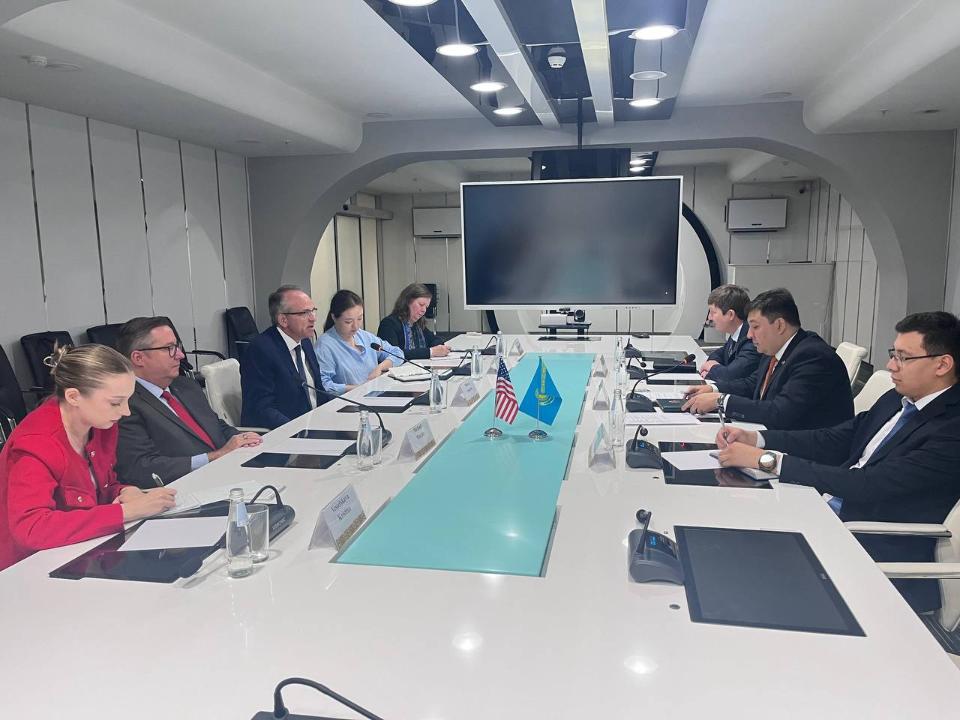
Tajikistan’s aging power grid has become part of the country’s water and climate policy. The issue returned to the agenda of European Union-Tajikistan cooperation on July 3, when the two sides held a development cooperation meeting in Dushanbe. Energy and water were included in the Global Gateway agenda, while other talks addressed transport and energy infrastructure, the digital economy, water-resource management, and strategic raw materials.
Tajikistan gets nearly 98% of its electricity from hydropower. That gives the country a low-carbon power mix, while tying electricity supply to river flows, snowmelt, reservoirs, and glacier change.
Losses in the power system add pressure to that link. Each kilowatt-hour lost in transmission or distribution must still be generated. In Tajikistan, that usually means more water passing through hydropower plants or imported electricity when reservoir levels are low.
The European Bank for Reconstruction and Development (EBRD) has focused on concessional funding for loss-reduction projects. After a May meeting between Energy Minister Daler Juma and Holger Wiefel, the EBRD’s head in Tajikistan, the energy ministry put the aim plainly: “The sides discussed attracting concessional financing for projects aimed at reducing electricity losses and improving the efficiency of the country’s energy system.” Officials also discussed private investment. Hydropower plants in the Zarafshan basin and solar plants were discussed as well.
No new financing has been announced from those discussions. The immediate context is an existing EBRD- and EU-backed program for the distribution network.
The Times of Central Asia previously reported in April that Tajikistan would receive nearly €49.6 million from the EBRD to reduce electricity losses. The package combines a €28 million loan with grants and technical assistance for work in nine branches of the distribution network in Sughd and Khatlon.
First Deputy Finance Minister Yusuf Majidi said the project would reduce energy losses, replace worn-out infrastructure, install modern meters, and improve billing and revenue collection.
The EBRD project file gives the total project cost as €43 million. It includes up to €28 million in EBRD financing and a €15 million EU co-investment grant through the Asia Pacific Investment Facility. The project targets automatic billing and metering systems in nine networks of the Bokhtar, Kulob, and Guliston branches of Shabakahoi Taqsimoti Barq. The bank says the project is aimed at reducing high inefficiency and technical losses in Tajikistan’s power distribution network.
Distribution losses fell from 19.2% in 2024 to 15.6% in 2025. Even after that fall, more than 3.1 billion kWh were lost in 2025. Officials linked the reduction to smart meters and digital metering.
President Emomali Rahmon put the issue in direct terms in a late 2023 parliamentary address. “Our electricity losses are about 4 billion kWh,” he said, adding: “If we prevent this, then there will be enough electricity for everyone.”
That comment predates the 2025 improvement, but it still explains why loss reduction has become part of the environmental case for energy-sector financing. Cutting losses can free up electricity without new generation and reduce pressure on winter imports and hydropower reservoirs.
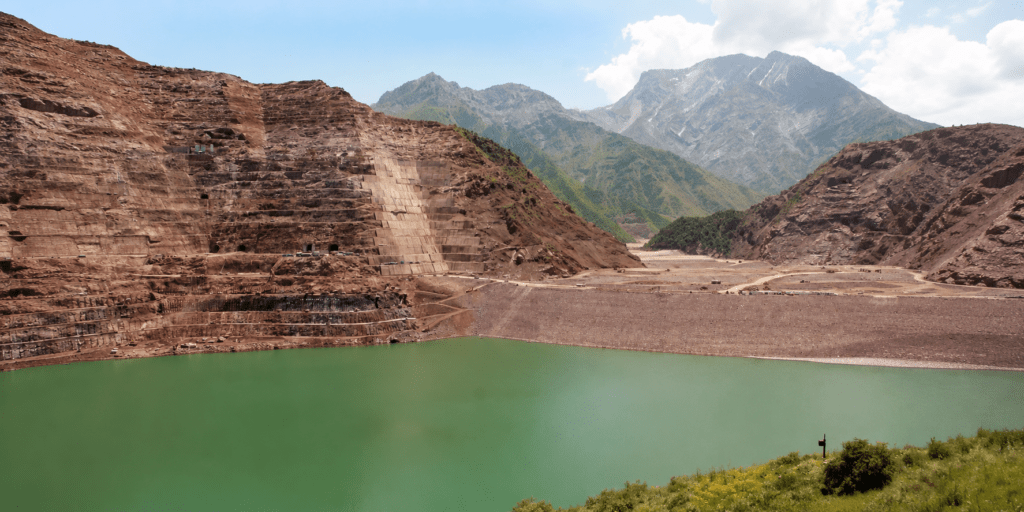
Reuters reported in December 2025 that Tajikistan had imposed restrictions on energy consumption after a dry autumn reduced water levels at hydropower plants. Nurek Hydroelectric Power Station, which supplies around 70% of the country’s electricity, had a reservoir level 3.5 meters lower than one year earlier.
Water stress is now central to Dushanbe’s climate diplomacy. The Times of Central Asia reported in May that Tajikistan hosted the Fourth High-Level International Conference on the International Decade for Action “Water for Sustainable Development” in Dushanbe. The conference brought water security and glacier loss into regional cooperation talks.
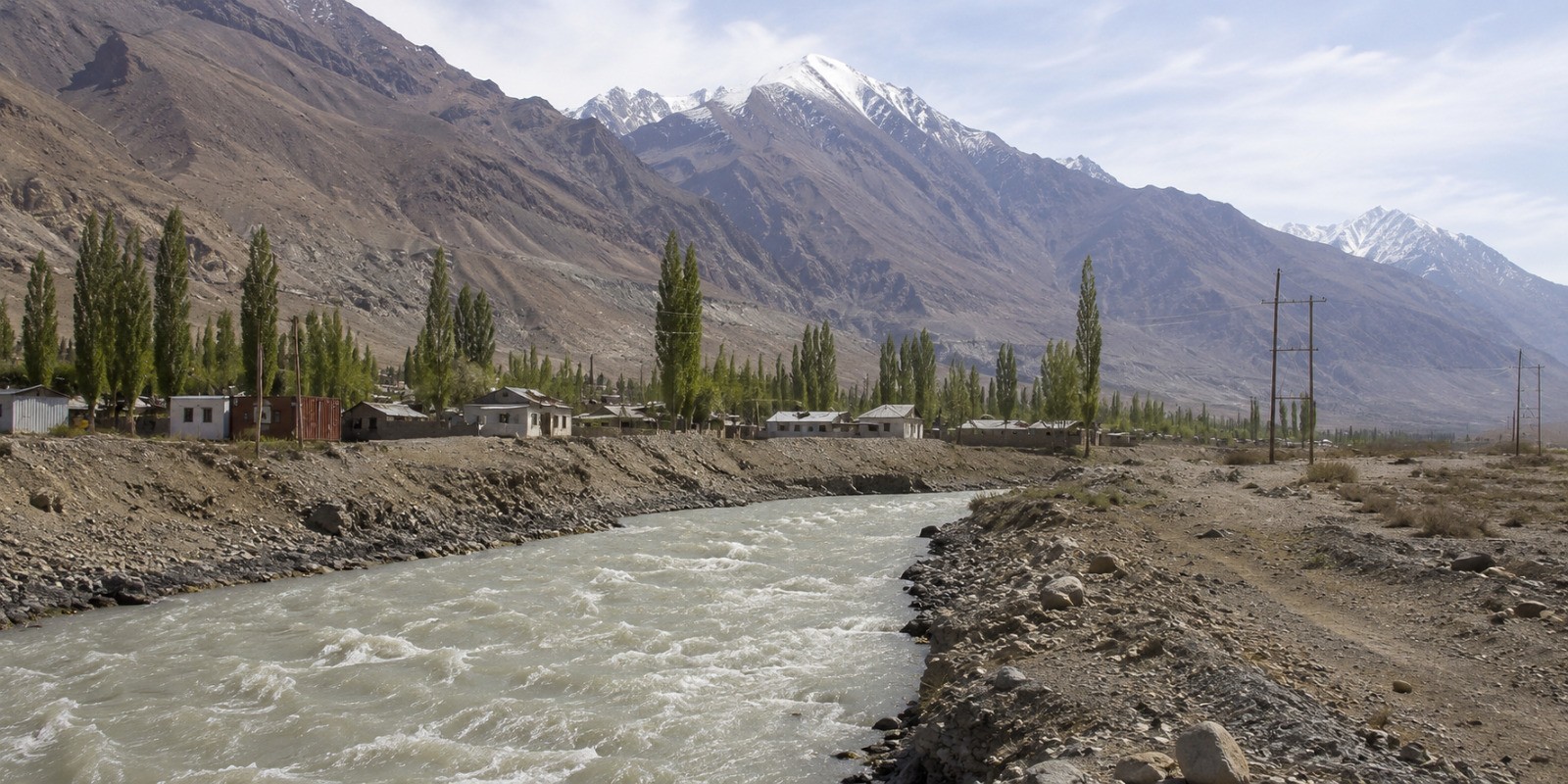
Around 30% of Tajikistan’s glaciers have disappeared over the past century. Vanch-Yakh Glacier, formerly Fedchenko Glacier, has retreated by more than one kilometer over the past 70 to 80 years. Over the past three decades, more than 1,000 glaciers have disappeared in Tajikistan.
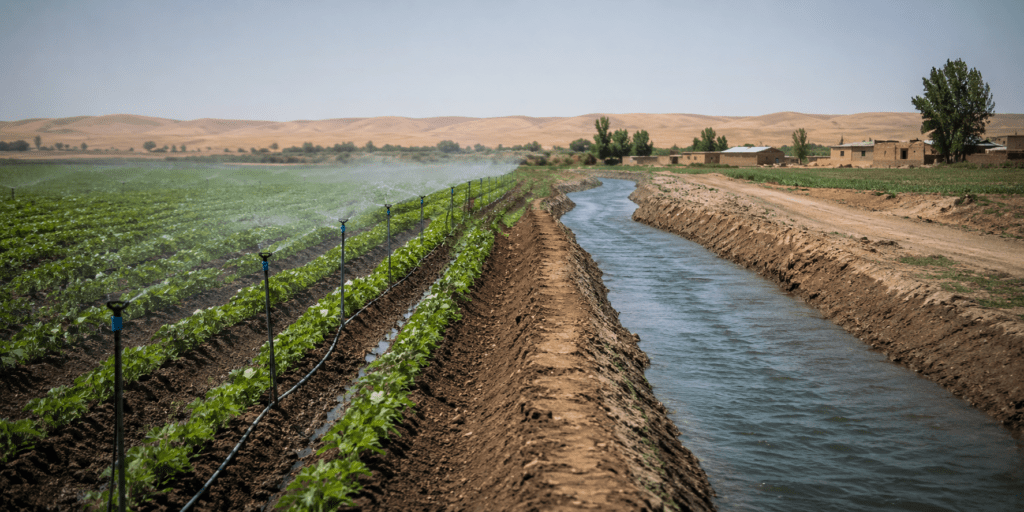
The effects of glacier loss are felt well below Tajikistan’s high mountains, where power generation and irrigation depend on the same water systems. Hydropower plants need reliable river flows, while irrigation pumps use electricity to move water to farms. In many areas, canals lose water before it reaches fields.
The World Bank approved a $75 million grant on July 1 for a water and irrigation management project. The project will modernize irrigation systems serving 100,000 hectares and aims to help about 470,000 farmers and rural residents. It also targets energy savings of 65,000 MWh and emissions cuts of 29,000 tons of CO2 equivalent per year.
“This investment reflects the World Bank’s deep commitment to building a more resilient and sustainable future for Tajikistan,” said Gael Raballand, the World Bank Group Country Manager for Tajikistan.
Tajikistan has also drawn new climate finance for water and energy projects. The Green Climate Fund approved two projects for Tajikistan worth $190 million after its June 29 to July 2 board meeting in Dushanbe, with $62 million as grants. The projects cover water-saving technology and municipal water systems, with work planned across several municipalities.
The EBRD is also preparing a separate project in Kulob. Its project file describes a proposed €10 million sovereign loan for distribution lines and billing and metering infrastructure in Kulob and surrounding areas. The project file lists July 22, 2026, as the approval date, and 100% of the EBRD financing is classified as green finance.
For Tajikistan, water and energy policy now extends beyond new generating capacity. Better metering, lower grid losses, more accurate billing, and modern irrigation can save water and cut wasted electricity as the country’s hydropower system faces a less predictable climate.