• KGS/USD = 0.01144 0%
  • KZT/USD = 0.00213 0%
  • TJS/USD = 0.10818 0.09%
  • UZS/USD = 0.00008 0%
  • TMT/USD = 0.28571 0%
  • KGS/USD = 0.01144 0%
  • KZT/USD = 0.00213 0%
  • TJS/USD = 0.10818 0.09%
  • UZS/USD = 0.00008 0%
  • TMT/USD = 0.28571 0%
  • KGS/USD = 0.01144 0%
  • KZT/USD = 0.00213 0%
  • TJS/USD = 0.10818 0.09%
  • UZS/USD = 0.00008 0%
  • TMT/USD = 0.28571 0%
  • KGS/USD = 0.01144 0%
  • KZT/USD = 0.00213 0%
  • TJS/USD = 0.10818 0.09%
  • UZS/USD = 0.00008 0%
  • TMT/USD = 0.28571 0%
  • KGS/USD = 0.01144 0%
  • KZT/USD = 0.00213 0%
  • TJS/USD = 0.10818 0.09%
  • UZS/USD = 0.00008 0%
  • TMT/USD = 0.28571 0%
  • KGS/USD = 0.01144 0%
  • KZT/USD = 0.00213 0%
  • TJS/USD = 0.10818 0.09%
  • UZS/USD = 0.00008 0%
  • TMT/USD = 0.28571 0%
  • KGS/USD = 0.01144 0%
  • KZT/USD = 0.00213 0%
  • TJS/USD = 0.10818 0.09%
  • UZS/USD = 0.00008 0%
  • TMT/USD = 0.28571 0%
  • KGS/USD = 0.01144 0%
  • KZT/USD = 0.00213 0%
  • TJS/USD = 0.10818 0.09%
  • UZS/USD = 0.00008 0%
  • TMT/USD = 0.28571 0%

Viewing results 1 - 6 of 2

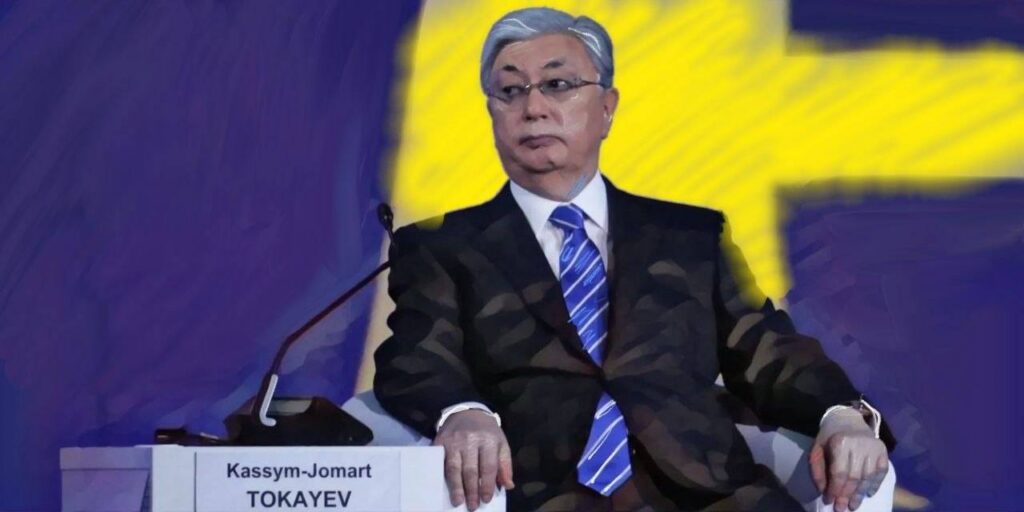
Kazakhstan Court Ruling Clears Legal Path for Tokayev to Seek Another Term

Kazakhstan’s Constitutional Court has ruled that President Kassym-Jomart Tokayev may seek another term under the country’s 2026 Constitution, effectively resetting the count created under the previous Basic Law while leaving the single seven-year presidential term formally in place. The ruling, issued on July 7 after Tokayev’s request, addressed whether people who held senior offices under the 1995 Constitution could be elected or appointed to those posts under the new Basic Law, adopted in a March 15 referendum and in force since July 1. The offices covered include the president, the chair and judges of the Constitutional Court, the chair of the Supreme Court, and the prosecutor general. The court said restrictions in the 2026 Constitution are linked only to elections and appointments made under the new constitutional order and laws adopted on its basis. It said the new Constitution contains no provision requiring terms, elections, or appointments under the 1995 Basic Law to be counted when the new limits are applied. The court’s official interpretation says people who held those offices under the 1995 Constitution “may be elected or appointed to the corresponding positions after the 2026 Constitution enters into force.” In practical terms, the ruling removes the main legal barrier that had been assumed to prevent Tokayev from appearing on the presidential ballot again. Tokayev was elected in November 2022 to what was presented as a single, non-renewable seven-year term ending in 2029. He has not announced another run, and the ruling does not set a timetable for a presidential election. Speculation has also continued over whether Tokayev could seek a future international role, including as UN secretary-general. According to political analyst Daniyar Ashimbayev, the Constitutional Court’s clarification resolves a strategic issue over the president’s term of office. He recalled that Tokayev’s 2022 election followed an earlier constitutional reform that introduced the single seven-year presidential term. A later dilemma emerged because the previous constitutional rules would have required elections to be held in December 2028, almost a year before the end of the seven-year mandate. “In the new Constitution, these formulations were changed, but a new question emerged: does the new Constitution require a review of terms in connection with the reset of political institutions? The text itself contained no relevant provisions. At a press briefing on voting day, Tokayev said the next elections would be held in 2029,” Ashimbayev said, adding that Tokayev’s appeal showed that the issue would be handled through constitutional procedure rather than political assumption. The court, he said, indicated that adoption of the new Constitution does not mean the automatic extension of norms contained in the old Constitution or decisions adopted on its basis. “Thus, the single seven-year term is confirmed, but it will be counted from the moment elections are held. The Constitution, however, prohibits holding presidential and parliamentary elections at the same time, which moves the presidential issue to the autumn,” Ashimbayev said. “It is clear that this is about the right, not the obligation, of the incumbent head of state to...

Kazakhstan: The Role of the Constitutional Court in Upholding the Rule of Law

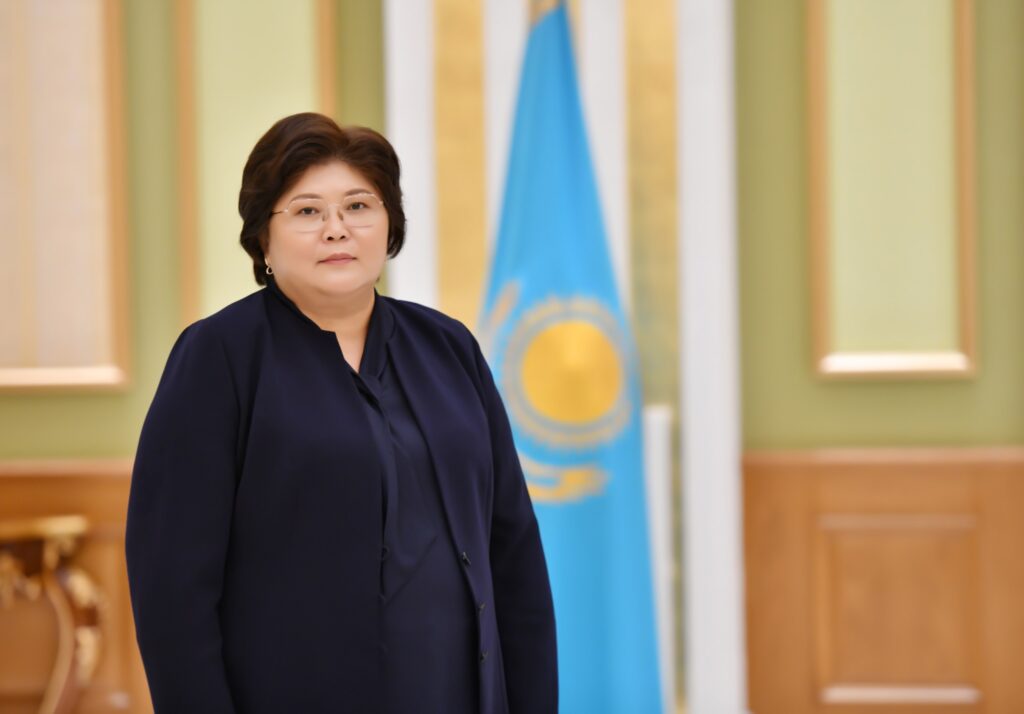
This year marks 30 years since the adoption of the current Constitution of Kazakhstan, which was approved by a popular referendum. Over the years, several changes have been made to the country's basic laws to expand citizens' rights, support political modernization, and strengthen the protection of human rights. The last referendum demonstrated the people's will and became an important milestone in the country's history. As a result, the powers of the president were reduced, and the role of parliament and local self-government bodies was significantly strengthened. An important step was the introduction of the Ombudsman for the Human Rights institution, the abolition of the death penalty, and the restoration of the Constitutional Court, Elvira Azimova, Chairperson of the Constitutional Court of Kazakhstan, has told the Asian Legal Portal. As Azimova explained, the Constitutional Court plays a critical role in ensuring the supremacy of the Constitution and protecting citizens' rights. At the same time, she noted that regulations should not only comply with the Constitution, but also be organically linked to it, creating a legal basis for the law and the state's sustainable development. Azimova also highlighted the fact that more than 120 countries worldwide have established constitutional courts or similar bodies performing constitutional oversight functions. In Kazakhstan, as in other states, citizens have the right to apply to the Constitutional Court to verify the constitutionality of laws, acts of the executive branch, and international treaties. International experience shows that such courts not only resolve legal disputes, but also improve the legal culture and continuity of constitutional processes. The revival of the Constitutional Court in Kazakhstan was an essential stage of the constitutional reform of 2022. Azimova emphasized that this body, independent of the legislative, executive, and judicial branches of government, strengthens the state's system of checks and balances. Citizens, the prosecutor general, and the Human Rights Ombudsman can now appeal to the Constitutional Court to uphold constitutional legality. Since January 2023, according to Azimova, the Constitutional Court has received over 7,500 appeals from citizens. In her opinion, such appeals do not indicate mass rights violations, but rather reflect citizens' dissatisfaction with the legal decisions made by state bodies. Citizens, she said, go to court when they believe their rights have been violated and there is either no response or an insufficient response from government agencies. The Azimova-led Constitutional Court has already issued 252 rulings, including 49 final decisions on the constitutionality of legal norms and acts. These decisions directly impact laws and regulations, which can be repealed or revised if found unconstitutional. Azimova also notes that the president, the Supreme Court, and members of parliament have already submitted requests to the Constitutional Court to check the constitutionality of laws. The prosecutor general and other state bodies have repeatedly requested an official interpretation of the provisions of the Constitution. For example, the prosecutor general's request included an interpretation of the prosecutor's competence in court and legal provisions on housing deprivation. In June 2023, Azimova presented an annual message to Parliament on...