• KGS/USD = 0.01144 0%
  • KZT/USD = 0.00203 0%
  • TJS/USD = 0.10618 0%
  • UZS/USD = 0.00008 0%
  • TMT/USD = 0.28490 0%
  • KGS/USD = 0.01144 0%
  • KZT/USD = 0.00203 0%
  • TJS/USD = 0.10618 0%
  • UZS/USD = 0.00008 0%
  • TMT/USD = 0.28490 0%
  • KGS/USD = 0.01144 0%
  • KZT/USD = 0.00203 0%
  • TJS/USD = 0.10618 0%
  • UZS/USD = 0.00008 0%
  • TMT/USD = 0.28490 0%
  • KGS/USD = 0.01144 0%
  • KZT/USD = 0.00203 0%
  • TJS/USD = 0.10618 0%
  • UZS/USD = 0.00008 0%
  • TMT/USD = 0.28490 0%
  • KGS/USD = 0.01144 0%
  • KZT/USD = 0.00203 0%
  • TJS/USD = 0.10618 0%
  • UZS/USD = 0.00008 0%
  • TMT/USD = 0.28490 0%
  • KGS/USD = 0.01144 0%
  • KZT/USD = 0.00203 0%
  • TJS/USD = 0.10618 0%
  • UZS/USD = 0.00008 0%
  • TMT/USD = 0.28490 0%
  • KGS/USD = 0.01144 0%
  • KZT/USD = 0.00203 0%
  • TJS/USD = 0.10618 0%
  • UZS/USD = 0.00008 0%
  • TMT/USD = 0.28490 0%
  • KGS/USD = 0.01144 0%
  • KZT/USD = 0.00203 0%
  • TJS/USD = 0.10618 0%
  • UZS/USD = 0.00008 0%
  • TMT/USD = 0.28490 0%
12 February 2026

Viewing results 1 - 6 of 10

Kazakhstan to Establish International Computing Hub in Pavlodar Region

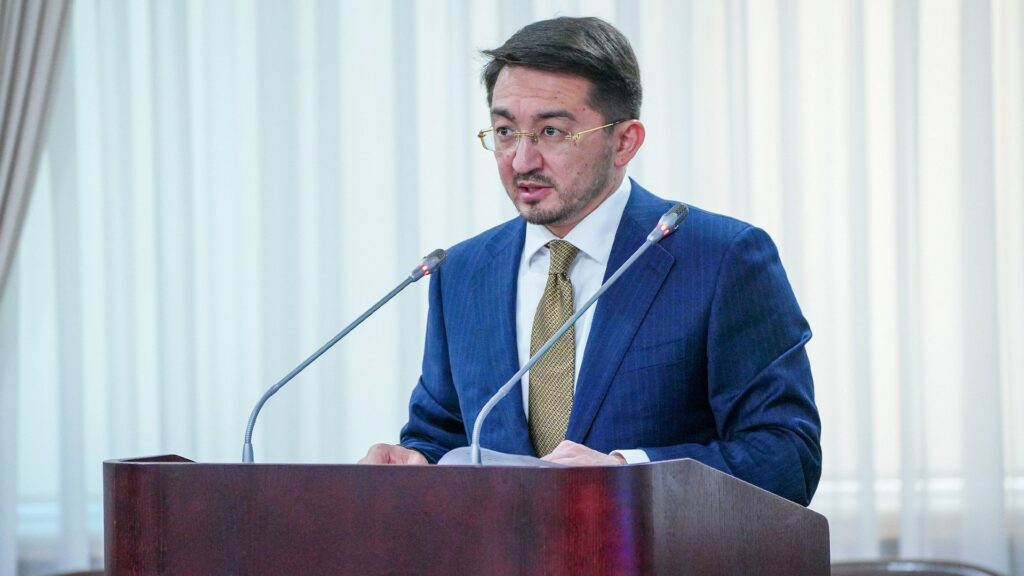
Kazakhstan plans to develop an international computing hub centered in the Pavlodar region, based on the emerging “data center valley” in Ekibastuz, one of the country's key energy production zones. The announcement was made by Deputy Prime Minister and Minister of Artificial Intelligence and Digital Development Zhaslan Madiev during an expanded government meeting. The government had earlier unveiled plans to establish a cluster of high-performance data centers in Ekibastuz, a city that hosts extensive coal-fired power generation and robust energy infrastructure. Madiev now says the project will evolve beyond a national cluster into a full-fledged international computing hub. According to Madiev, two critical enablers for the project are affordable electricity and cross-border telecommunications infrastructure. A land plot has already been designated for development, and 300 megawatts of power capacity have been reserved at Ekibastuz GRES-1. Negotiations are ongoing with international investors. AI Center to Anchor Digital Expansion The hub’s anchor facility will be a 50 MW AI-focused data processing center currently under construction by national telecom provider Kazakhtelecom. Scheduled for commissioning in mid-2027, the new facility is expected to be ten times more powerful than Kazakhstan’s recently launched state supercomputer facility. Astana is already home to Central Asia’s most powerful supercomputer, unveiled earlier this year, marking a significant step in the country’s digital infrastructure ambitions. Officials envision this computing expansion as the foundation for a new economic model driven by artificial intelligence and big data. Concerns Over Domestic AI Model Usage At the same government session, President Kassym-Jomart Tokayev expressed dissatisfaction with the uptake of the national large language model, KazLLM. He noted that public interest remains limited, with many users favoring international platforms such as ChatGPT. Madiev acknowledged that while KazLLM is used by approximately 600,000 people, about 3% of the population, foreign AI tools enjoy far broader adoption. He emphasized the importance of ongoing training and updates to local AI models, aligning with global best practices. In addition to KazLLM, a second model, Alem LLM, is also under development. Both systems have already been integrated into numerous digital platforms, including search engines and services targeted at students and IT enterprises.

Kazakhstan Plans ‘Data Center Valley’ in Pavlodar Powered by Coal Energy

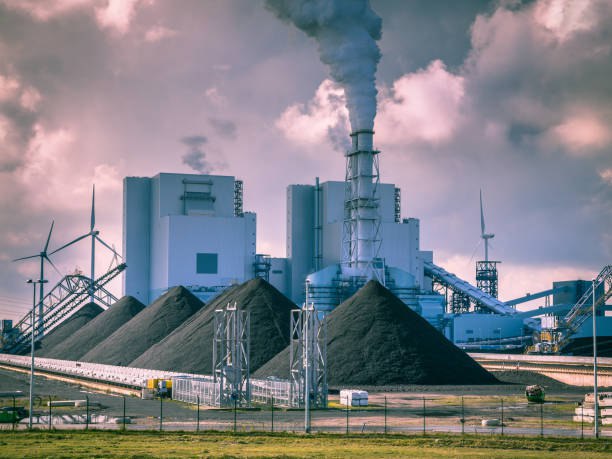
Kazakhstan intends to establish a major data center hub in the Pavlodar region, powered by the coal-rich Ekibastuz basin. The announcement was made by President Kassym-Jomart Tokayev during a meeting of the National Kurultai (Assembly), where he outlined key steps in the country’s digital and energy strategies. The initiative is part of Kazakhstan’s broader goal to develop a fully-fledged digital economy by 2029. As Tokayev noted, 2026 has been declared the Year of Digitalization and Artificial Intelligence. In line with this vision, the government recently established the Ministry of Artificial Intelligence and Digital Development to oversee technological transformation. “The introduction of digital solutions and AI technologies will improve the quality of public administration and industrial efficiency. But these plans require robust and sustainable energy infrastructure,” Tokayev stated. He stressed the need to designate zones in advance for the construction of high-capacity data centers, complete with energy, cooling, and security systems. The proposed “data center valley,” developed in cooperation with the Pavlodar regional akimat, is expected to be powered by the Ekibastuz coal basin, one of the largest in the country. Tokayev emphasized that Kazakhstan must not delay the commissioning of new energy infrastructure and should not rely solely on nuclear power. The country’s first nuclear plant, currently in planning with Russia’s Rosatom, is not scheduled to come online until 2035. He compared data centers to metallurgical plants in terms of electricity demand, underscoring that energy self-sufficiency is becoming central to Kazakhstan’s economic strategy. The country’s current electricity output of 123.1 billion kWh is insufficient to support both its industrial and digital development targets. Kazakhstan holds an estimated 33 billion tons of coal reserves, enough to last 300 years at present consumption levels. Tokayev called for coal to be treated as a strategic resource, with the application of modern environmental technologies to reduce its environmental impact. The president instructed the government to present a proposal by March 20 to grant coal generation the status of a national project. Planned energy infrastructure projects include new coal-fired thermal plants in Kokshetau, Semey, and Oskemen, the commissioning of a plant in Kurchatov, and the expansion of GRES-2 and construction of GRES-3 in Ekibastuz. Simultaneously, the government aims to speed up the deployment of balancing capacities, particularly gas-based generation. However, Tokayev also warned of a worsening gas deficit: in 2024, Kazakhstan’s commercial gas imports surged by 18%, reaching 4.5 billion cubic meters. As previously reported by The Times of Central Asia, the Ministry of Energy plans to eliminate the country’s electricity shortfall and begin energy exports by 2027.

Karakalpakstan to Become Data Center Hub Under Uzbekistan’s Digital Strategy

Uzbek President Shavkat Mirziyoyev has launched the second phase of the IT Park Uzbekistan innovation complex in Tashkent’s Mirzo-Ulugbek district, signaling a major advance in the country’s digital transformation agenda. Speaking to Uzbekistan 24, Minister of Digital Technologies Sherzod Xotamovich said the next stage of digital development will prioritize AI integration. Mirziyoyev has directed that AI technologies be embedded in the expansion of IT Park to foster a comprehensive national innovation ecosystem. The new phase of IT Park will accommodate AI-focused startups and modern data centers equipped with high-performance graphic processors capable of handling large-scale data processing. A flagship project is a 12-megawatt data center under construction by Saudi firm DataVolt, which is set to become the largest facility of its kind in Central Asia, purpose-built for AI applications. DataVolt intends to expand its investments in Uzbekistan, with the total capacity of future data centers expected to reach 500 megawatts. This would position Uzbekistan as a leading regional hub for data storage and processing. Mirziyoyev also identified Karakalpakstan as a strategic location for energy-intensive digital projects. He proposed transforming the region into a large-scale data center hub, offering major incentives to investors contributing more than $100 million. These include tax breaks and infrastructure support, as well as a preferential electricity tariff of five cents per kWh, significantly lower than the current average rate of about eight cents. Authorities are targeting global tech firms such as Google, Microsoft, Meta, and Amazon to establish data operations in Uzbekistan. The initiative is designed to strengthen the country’s position as a regional digital hub and accelerate the integration of AI across key sectors of the economy.

Singapore to Build Two Data Centers in Kazakhstan

Singaporean firm GK Hyperscale Ltd will participate in the construction of two major data processing centers (DPCs) in Kazakhstan's Akmola and Karaganda regions, according to Minister of Digital Development, Innovation and Aerospace Industry Zhaslan Madiev. Speaking at the AlmatyFair.ai exhibition, Madiev informed Kazakh President Kassym-Jomart Tokayev and his Uzbek counterpart Shavkat Mirziyoyev of Kazakhstan’s plans to expand the use of artificial intelligence (AI) across industrial and social sectors. He emphasized that large-scale AI deployment requires robust infrastructure, including high-capacity data centers. To this end, two centers with a combined capacity of 200 megawatts will be built with Singaporean investment. During the same event, an investment agreement was signed between the Kazakh government and GK Hyperscale Ltd. The deal will bring $1.5 billion in foreign direct investment to construct Tier 3-compliant data centers, an international standard defined by the Uptime Institute that ensures high reliability and availability. According to the ministry, these facilities will provide essential infrastructure for the growth of cloud computing, AI, and high-performance computing in Kazakhstan. “This project, in both scale and quality, will attract global technology giants such as Microsoft, Google, and Amazon, as well as companies specializing in big data and AI,” Madiev said. “It will bolster Kazakhstan’s position as a digital hub in Central Asia and drive the expansion of IT service exports.” An additional $1.2 billion will be invested in acquiring and upgrading a power plant to serve the new infrastructure. Funds will also support the construction of a wind farm and an energy storage system to ensure a stable power supply. Construction is scheduled to begin in the first quarter of 2026, with the first data center module expected to come online in 2027. As The Times of Central Asia previously reported, Kazakhstan is also developing legislation to regulate artificial intelligence, ensuring human oversight in its application.