
• KGS/USD = 0.01143 -0%
  • KZT/USD = 0.00198 -0%
  • TJS/USD = 0.10899 0.93%
  • UZS/USD = 0.00008 0%
  • TMT/USD = 0.28490 -0.28%
  • KGS/USD = 0.01143 -0%
  • KZT/USD = 0.00198 -0%
  • TJS/USD = 0.10899 0.93%
  • UZS/USD = 0.00008 0%
  • TMT/USD = 0.28490 -0.28%
  • KGS/USD = 0.01143 -0%
  • KZT/USD = 0.00198 -0%
  • TJS/USD = 0.10899 0.93%
  • UZS/USD = 0.00008 0%
  • TMT/USD = 0.28490 -0.28%
  • KGS/USD = 0.01143 -0%
  • KZT/USD = 0.00198 -0%
  • TJS/USD = 0.10899 0.93%
  • UZS/USD = 0.00008 0%
  • TMT/USD = 0.28490 -0.28%
  • KGS/USD = 0.01143 -0%
  • KZT/USD = 0.00198 -0%
  • TJS/USD = 0.10899 0.93%
  • UZS/USD = 0.00008 0%
  • TMT/USD = 0.28490 -0.28%
  • KGS/USD = 0.01143 -0%
  • KZT/USD = 0.00198 -0%
  • TJS/USD = 0.10899 0.93%
  • UZS/USD = 0.00008 0%
  • TMT/USD = 0.28490 -0.28%
  • KGS/USD = 0.01143 -0%
  • KZT/USD = 0.00198 -0%
  • TJS/USD = 0.10899 0.93%
  • UZS/USD = 0.00008 0%
  • TMT/USD = 0.28490 -0.28%
  • KGS/USD = 0.01143 -0%
  • KZT/USD = 0.00198 -0%
  • TJS/USD = 0.10899 0.93%
  • UZS/USD = 0.00008 0%
  • TMT/USD = 0.28490 -0.28%
07 December 2025

Viewing results 1 - 6 of 3

In a New Light: Kazakhstan’s Evolving Relationship with Design and Atmosphere

For much of its recent history, Kazakhstan’s image has been shaped by the discourse of natural resource extraction — oil, gas, metals, the infrastructure to transport them, and the political influence they provide. But, a quiet transformation of its public and private spaces is underway, one not measured in barrels, commodity prices, or contracts, but by lighting or lights, which means ambience, illumination, aesthetics, and the atmosphere of lived space. Lighting, of all things, is central to human existence and part of its development story. It may seem peripheral, but in architecture, lighting is never neutral. It guides, reveals, softens, and dramatizes space. It also mirrors taste, cultural aspirations, and society’s choices. [caption id="attachment_34248" align="aligncenter" width="1200"] Astana Opera; image: Dilyara Abdirakhmanova[/caption] Light is the Language of Architecture and Space Some of Kazakhstan’s most emblematic public buildings already utilize the optimal use of lighting. The Astana Opera, for example, with its marble staircases and opulent chandeliers, is illuminated to bring out its grandeur and high culture. Its stage is masterfully lit so that musicians are inspired to give their best performances. Likewise, the Palace of Peace and Reconciliation, a crystalline pyramid designed by Foster + Partners, plays with transparency and glow, its stained-glass summit flickering between monument and mirage, giving voice to the need for peace in our time. Then there’s the Khan Shatyr Entertainment Center — part shopping mall, part climate-controlled urban experiment — which glows at night through its tensile skin - representing a range of civic and family-friendly amenities offering a comfortable and eye-pleasing microclimate for all. And then there’s the Hazrat Sultan Mosque, designed and lit for reverence and reflection. Daylight barrels through high arches; at dusk, soft interior light catches the tracery of Quranic calligraphy, domes, and minarets. The lighting is generous but subtle, quiet, and precise. In each of these cases, light isn’t an afterthought. It reaches out to the subconscious and makes daily human activity more pleasant. [caption id="attachment_34249" align="aligncenter" width="2000"] The Palace of Peace and Reconciliation; image: Foster + Partners[/caption] A Gap in Everyday Life Until recently, there has been little discussion in Central Asia about the link between lighting and its impact on the human person. Walking through many apartment buildings, offices, restaurants, and public lobbies, the atmosphere is flat, cold, and covered in uninspiring glare, often overpowering and at times blinding. These spaces may function, but they don’t resonate and are often uninviting. This state of affairs – the depressing nature of fluorescent grids – in the world of lighting is beginning to change, slowly, and unevenly. This shift towards ‘more welcoming’ lighting isn’t being driven by architects alone, or even by design schools. Demand comes from developers, hoteliers, homeowners, and restaurateurs who want to serve their clients better in an increasingly competitive environment. In this more mobile and inquisitive world, people want lighting that feels and works better for clients, employees, and oneself. A Market Beginning to Notice Enter enterprises like iSquare, a recently launched lighting design firm in Almaty. Its operating...
Cat Houses Installed at Tashkent Airport

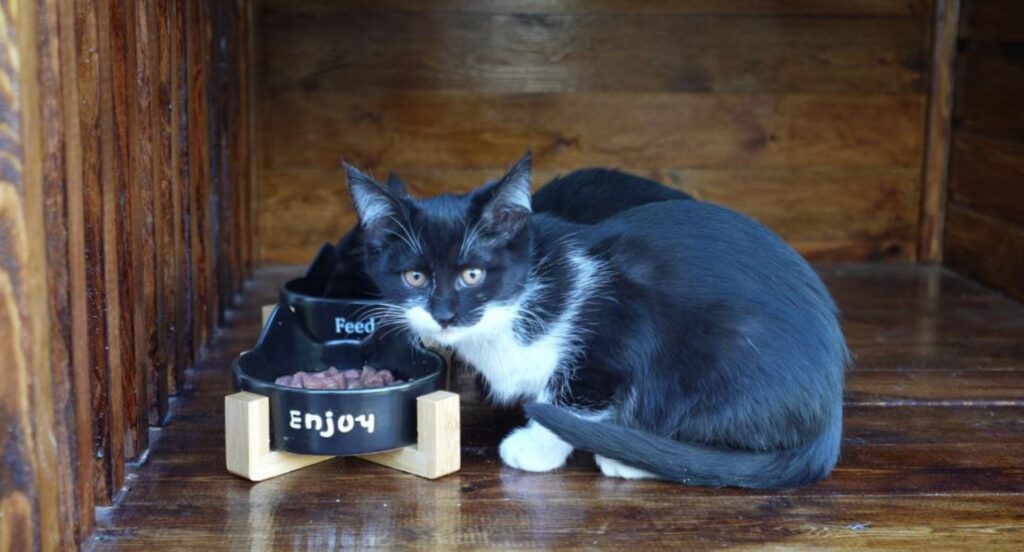
Tashkent International Airport has introduced a heartwarming initiative by installing cat houses in the green space between the departure hall and the main terminal. Designed by students from the Tashkent University of Architecture and Civil Engineering, the structures provide a safe and comfortable habitat for the airport's feline residents. According to the press service of Uzbekistan Airports, cats have long been part of the airport's ecosystem. “Cats are natural inhabitants of the urban environment and play a vital ecological role. Apart from their aesthetic charm, they are skilled hunters, helping control populations of mice and rats,” the service said. The idea to construct cat houses had been under consideration for years but was delayed due to ongoing construction at the airport. With the involvement of the Mushukkent project and university students, the houses were finally completed and installed in locations safe for both the animals and airport operations. Materials used in building the cat houses are durable, resistant to decay, non-combustible, and environmentally friendly. The houses are equipped with heating systems for winter and ventilation for summer, ensuring the cats' comfort year-round. [caption id="attachment_27583" align="aligncenter" width="1151"] Image: Uzbekistan Airports Telegram[/caption] “For Uzbekistan Airports, this is more than just an ecological project - it’s a social initiative that reflects the company’s commitment to animal welfare. It symbolizes Uzbekistan’s hospitality, beginning right at the airport, and highlights the city’s humane values,” the company added. The Mushukkent project, launched in 2019, is supported by various government agencies, the National Guard of Uzbekistan, and non-governmental organizations. Its goals include fostering kindness towards animals, establishing shelters, controlling the stray cat population, and increasing penalties for animal cruelty. This initiative is not unique to Uzbekistan. Two years ago, animal rights activists in Almaty, Kazakhstan, installed wooden shelters for street cats. These huts, raised above the ground, feature a roof, ladder, and feeder, providing a safe and comfortable place for up to nine cats to sleep, eat, and stay protected from the elements.

Mehrdad Mozart : A Model’s View of Kazakhstan’s Fashion Industry

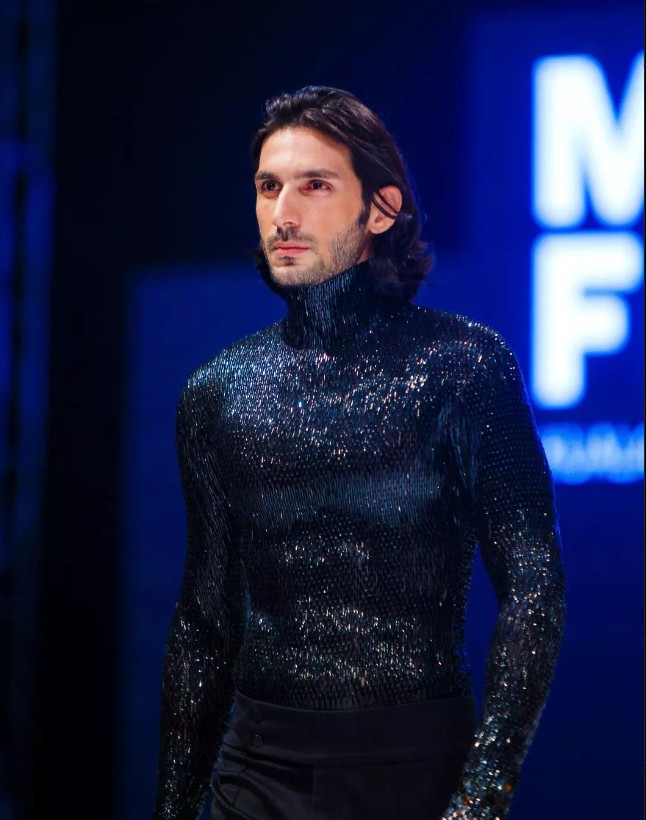
Kazakhstan's fashion industry is rapidly growing, and increasingly, attracting global attention. Within its dynamic environment, new faces, talented designers, and unique projects are emerging which promise to elevate its international status. One such talent is Mehrdad Mozart, a professional model with a wealth of international experience, now living and working in Kazakhstan. Originally from Iran, Mehrdad has enjoyed a chequered career from playing in a rock band to hosting radio & TV shows, and from acting in commercials and movies to judging modeling and talent shows. A model since 2009, he has worked with several global brands including Dolce & Gabbana, Versace and Gucci, and has mentored young people entering the profession. In an exclusive interview with TCA, Mehrdad spoke about his modeling career, his perception of the fashion industry in Kazakhstan, and his personal aspirations. [caption id="attachment_22748" align="aligncenter" width="785"] photo: mehrdadmozart.com -Mehrdad Mozart[/caption] TCA: What inspired you to enter the fashion industry? I think the allure of fashion itself inspired me. I used to get lost in magazines, dreaming of becoming a model and representing high-end brands. Fashion TV became a regular escape, where I absorbed every detail and admired the work of iconic male models like David Gandy, Sean O’Pry, and Tyson Beckford.The influence of legendary brands like Tom Ford, Dior, Hermès, Burberry, and D&G played a huge role in shaping my aspirations. They were the very definition of style and sophistication, fueling my desire to be a part of that world. TCA: How did you get into modeling?  My modeling career began when I moved to Malaysia. I didn’t have a portfolio or any connections, so I joined a Facebook group for talents, most of whom were working as extras in films and commercials. That gave me my first break and after a slow start, my modest portfolio eventually caught the attention of talent directors, photographers, stylists, and then, modeling agencies. TCA: What challenges have you had to overcome to get to where you are now? In the beginning, breaking into the industry was challenging. I faced constant rejections from modeling agencies, had no connections, and had to deal with criticism. Staying in shape required intense discipline, and coping with the competitive, high-pressure environment was tough. Unfortunately, diversity remains a significant issue in the fashion world. Middle Eastern models, in particular, encounter additional barriers, making it even more difficult to succeed. Given these challenges, perseverance and determination proved essential to navigating and eventually thriving in this demanding industry.   [caption id="attachment_22749" align="aligncenter" width="803"] photo:mehrdadmozart.com -the catwalk[/caption]   TCA: You now live in Kazakhstan: What are your initial impressions of its fashion industry? I had heard of renowned Kazakh designers such as Aigerim Akenova and Aida Kaumenova. However, when I first arrived in the capital city, Astana, the fashion scene  still felt fairly underdeveloped, with little activity apart from the odd fashion show or commercial shoot. Almaty however, is a different story. The fashion industry here is vibrant and rapidly expanding. Since moving to the city, I've become...
