• KGS/USD = 0.01144 0%
  • KZT/USD = 0.00211 0%
  • TJS/USD = 0.10803 0.09%
  • UZS/USD = 0.00008 0%
  • TMT/USD = 0.28571 0%
  • KGS/USD = 0.01144 0%
  • KZT/USD = 0.00211 0%
  • TJS/USD = 0.10803 0.09%
  • UZS/USD = 0.00008 0%
  • TMT/USD = 0.28571 0%
  • KGS/USD = 0.01144 0%
  • KZT/USD = 0.00211 0%
  • TJS/USD = 0.10803 0.09%
  • UZS/USD = 0.00008 0%
  • TMT/USD = 0.28571 0%
  • KGS/USD = 0.01144 0%
  • KZT/USD = 0.00211 0%
  • TJS/USD = 0.10803 0.09%
  • UZS/USD = 0.00008 0%
  • TMT/USD = 0.28571 0%
  • KGS/USD = 0.01144 0%
  • KZT/USD = 0.00211 0%
  • TJS/USD = 0.10803 0.09%
  • UZS/USD = 0.00008 0%
  • TMT/USD = 0.28571 0%
  • KGS/USD = 0.01144 0%
  • KZT/USD = 0.00211 0%
  • TJS/USD = 0.10803 0.09%
  • UZS/USD = 0.00008 0%
  • TMT/USD = 0.28571 0%
  • KGS/USD = 0.01144 0%
  • KZT/USD = 0.00211 0%
  • TJS/USD = 0.10803 0.09%
  • UZS/USD = 0.00008 0%
  • TMT/USD = 0.28571 0%
  • KGS/USD = 0.01144 0%
  • KZT/USD = 0.00211 0%
  • TJS/USD = 0.10803 0.09%
  • UZS/USD = 0.00008 0%
  • TMT/USD = 0.28571 0%

Viewing results 1 - 6 of 30

Turkic States Push Digital Integration and Organic Farming in Agriculture Sector

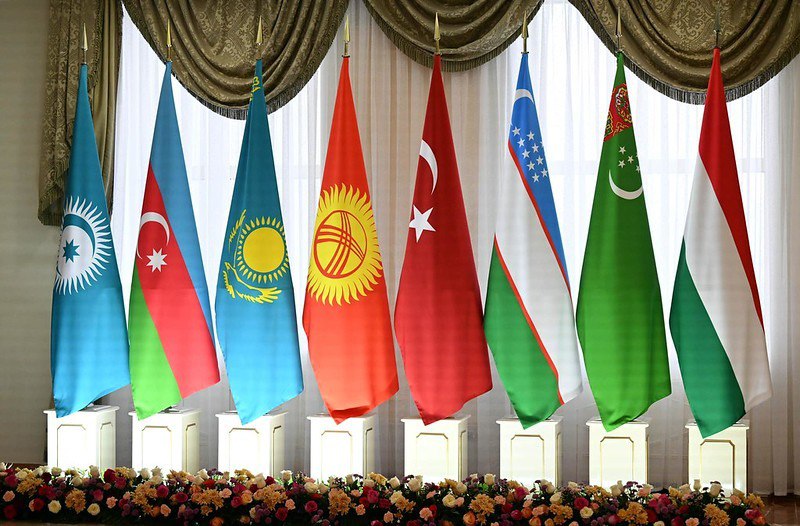
The fourth meeting of agriculture ministers from the Organization of Turkic States (OTS) took place on June 25 in Cholpon-Ata, in Kyrgyzstan’s Issyk-Kul region, with a strong focus on organic agriculture and digital transformation in the sector. Strengthening Regional Agricultural Cooperation Agriculture ministers from Azerbaijan, Kazakhstan, Kyrgyzstan, Turkey, Uzbekistan, and Hungary convened to reaffirm their shared commitment to sustainable agriculture and explore strategies for deepening regional cooperation. Central to the discussions was the promotion of organic farming as a tool for ensuring food security, preserving natural resources, and adapting to climate change. The ministers unanimously supported Kyrgyzstan’s proposal to designate Cholpon-Ata as the “Agricultural Capital of the OTS” for one year, beginning in September 2025. A major outcome of the meeting was the decision to establish a Digital Agro-Platform for OTS member states. This digital initiative is designed to simplify market access for farmers and agribusinesses, reduce trade and customs barriers, and increase transparency in agricultural supply chains. The platform aims to streamline trade within the region and bolster exports. The ministers also endorsed the promotion of a unified regional label, “OTS-Made”, for agricultural and food products originating from member countries, with the goal of strengthening brand identity and consumer trust. Kyrgyzstan’s Organic Agriculture Ambitions During the forum, Kyrgyzstan’s Deputy Chairman of the Cabinet of Ministers and Minister of Water Resources, Agriculture and Processing Industry, Bakyt Torobayev, announced a national organic agriculture development program for 2025-2029. The program sets ambitious targets: expanding certified organic farmland from the current 63,000 hectares (5.25% of arable land) to 200,000 hectares by 2029 and transitioning the Issyk-Kul and Naryn regions entirely to organic farming methods. In addition to increasing the land under organic cultivation, the government aims to raise the share of organic products to 25% of total agricultural output and increase the proportion of organic goods in agricultural exports to 25%. “Kyrgyz agricultural products are environmentally friendly, as they are produced in favorable agro-climatic conditions, on mountain pastures irrigated with clean glacial waters, and on fertile lands,” said Torobayev. By positioning organic agriculture as a regional priority and embracing digital tools, the OTS member countries are taking coordinated steps to modernize their agricultural sectors and ensure long-term food and environmental sustainability.

The Battle for Control Over Central Asia’s Digital Future

Central Asia is digitalizing quickly. Governments across the region have invested in smart cities, 5G, and AI-powered platforms. Kazakhstan ranks 24th in the world in global e-government indexes, and in Tashkent and Bishkek, young, tech-savvy populations are pushing for innovation. But such progress is not without risks. A new report from the German Marshall Fund (GMF), a Washington-based think tank, outlines how Central Asia is becoming ever more reliant on Chinese and Russian technology. These two countries, the report argues, are using digital tools not just to supply infrastructure but to shape how governments in the region manage data, surveillance, and speech. Beijing and Moscow’s tech exports act as snares, tying customers into their own economies. “Central Asian governments are aware of these challenges,” Dylan Welch, the author of the report and a China analyst at the GMF, told The Times of Central Asia. But he notes that it can be difficult to convince policymakers to prioritize the dangers of such overexposure. “For the national leaders, their imperative is to deliver economic growth because they have these young, dynamic populations that need jobs… if they don't deliver on that, then they're in for a long period of instability at home,” he said. This makes Chinese and Russian offers to develop their digital industries extremely tempting. An Entrenched Presence The report coincides with a flurry of Russian and Chinese engagement in the region. Over the weekend, Kazakhstan announced that between them, Beijing and Moscow will be responsible for delivering a new generation of nuclear reactors to the country, currently leaving French and Korean alternatives out in the cold. Then came this week’s visit of Chinese President Xi Jinping to Astana for a summit with the five Central Asian leaders. On the digital front, one notable announcement from this summit included a plan to develop an Artificial Intelligence Cooperation Center in Kyrgyzstan. China has used the term “Digital Silk Road” to describe its investments in Central Asia, and it has built much of the physical infrastructure behind the region’s digitization drive. For its part, Russia has exported its software, legal models and surveillance practices. Taken together, these systems are helping local governments tighten control over digital life. “This strategic integration makes it more difficult for regional states to diversify in the future, even though many continue to pursue multi-vector foreign policies aimed at balancing global partnerships,” Yunis Sharifli, Non-Resident Fellow at the China-Global South Project, told TCA. Where the Vulnerabilities Lie The report uses a “technology stack” framework to explain the problem. This framework looks at five layers: network infrastructure, data storage, consumer devices, digital platforms, and government policies. Across these layers, it argues, Central Asia is exposed to Chinese and Russian influence. Take Kazakhstan. It may be the most advanced digital economy in the region, but most of its internet traffic still passes through Russia. Telecom firms across the region are also required to install a Russian-made surveillance technology known as SORM (System for Operative Investigative Activities), which can intercept internet...

Starlink Set to Launch Internet Services Nationwide in Kazakhstan

Starlink, a subsidiary of Elon Musk’s SpaceX, will officially begin offering satellite internet services in Kazakhstan in the third quarter of 2025. The Ministry of Digital Development, Innovation, and Aerospace Industry of the Republic of Kazakhstan announced that an agreement has been signed with Starlink, ensuring compliance with national laws on information security and telecommunications. Expanding Internet Access to Remote Areas With this agreement, Kazakhstani users can now legally purchase and connect Starlink satellite terminals. Until now, the service had operated only in pilot mode, providing internet access exclusively to schools. “Starlink was not previously available to the public. Now, after reaching this agreement, the company has committed to fully comply with our legislation on information security and communications,” said Digital Development Minister Jaslan Madiev. The initiative is part of President Kassym-Jomart Tokayev’s directive under the national project Accessible Internet, which aims to close the digital divide. The project focuses on underserved areas, such as mountain villages, remote pastures, schools, and healthcare facilities, where laying fiber-optic infrastructure is logistically or economically impractical. Starlink’s technology uses a constellation of low-Earth orbit satellites, positioned approximately 550 kilometers above the Earth, to deliver high-speed broadband with low latency, even in rural and hard-to-reach locations. Background: A Long Road to Starlink Kazakhstan’s engagement with Starlink began in 2023 when the government, frustrated by the lack of progress from domestic telecom operators, initiated direct negotiations with SpaceX. Then-Minister Bagdat Musin announced a partnership to provide internet connectivity to 2,000 rural schools.. “Lauren Dreyer and I informed the President that in schools where students only receive 4 megabits per second through outdated satellite dishes, we would bridge the gap within six months. Lauren Dreyer, Vice President of SpaceX and Elon Musk’s deputy, confirmed Starlink’s commitment,” Musin said at the Digital Bridge forum. By April 2024, 447 rural schools were connected via Starlink. By July, that number had risen to 1,729. Attempted Ban and Backlash Despite the rollout’s success, in December 2024, the Ministry of Digital Development, Innovation and Aerospace Industry (MDDIAI) proposed banning Starlink and similar services. Citing Article 23 of the National Security Law, the ministry argued that Kazakhstan should prohibit telecommunications networks operated from outside the country. The draft regulation targeted four companies, Inmarsat, Iridium, Thuraya, and Starlink, and was published for public comment on the Open Regulations website. It immediately drew widespread criticism. In response to the backlash, the proposal was withdrawn for revision.

Kyrgyzstan Prepares for Rapid Growth in E-Commerce

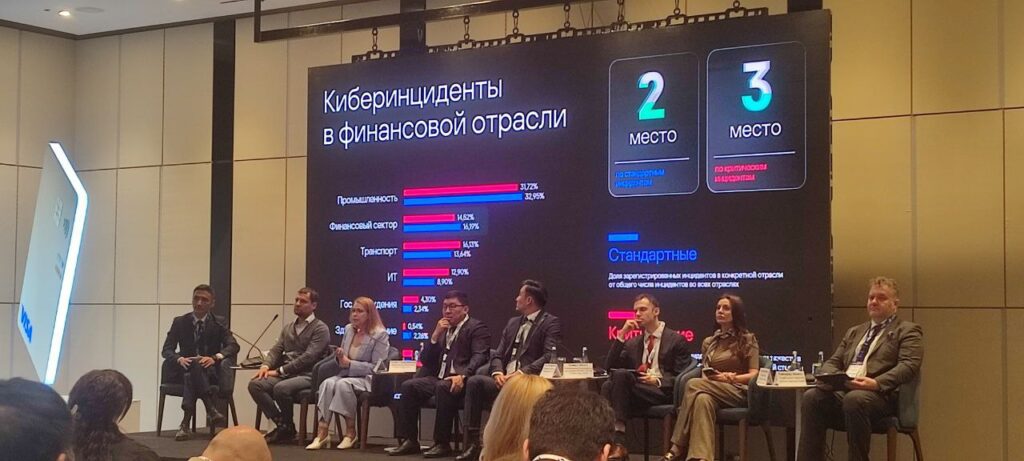
Speaking at the 11th Bishkek International Finance Forum (BIFF 2025), Prime Minister Adylbek Kasymaliyev stated that Kyrgyzstan is open to cooperation in digital finance, welcomes investment in the banking sector, and seeks to exchange expertise with international partners. Kasymaliyev emphasized that digital transformation is integral to the global sustainable development agenda and that Kyrgyzstan is steadily implementing digital solutions to build a modern, trust-based financial ecosystem. “Today, we stand at the threshold of a new digital era, where data processing technologies are transforming not only the financial system but also the foundations of public administration and socio-economic development. That is why digitalization is a strategic priority of the Kyrgyz Republic’s state policy,” said the head of the Cabinet. Since 2023, Kyrgyzstan has actively promoted a cashless payment system using QR codes integrated with bank cards, e-wallets, and mobile applications. QR code payments have become routine for many citizens. The government is also developing digital platforms to support small and medium-sized businesses and expanding infrastructure for fintech startups. Kasymaliyev noted that the introduction of the digital som will mark a key milestone in the country's digital transformation. “After President Sadyr Japarov signed the law introducing the digital som, the implementation of this strategic initiative began. It will affect virtually all sectors of the economy and represents a significant step in developing the national digital economy,” he said. Banking sector representatives stressed that forums like BIFF are essential not only for advancing electronic finance but also for addressing cybersecurity challenges. The forum has emerged as a platform for discussing innovative strategies to combat digital fraud. Anna Kulashova of the Russian cybersecurity company, Kaspersky Lab, highlighted that the widespread adoption of digital financial technologies also increases exposure to cyber threats. “We are ready to share our knowledge and experience in the field of cybersecurity. We are open to developing cooperation in this area,” she said. Visa representatives praised Kyrgyzstan’s pace of digitalization. According to Visa’s Evgeny Lesnyak, the country is frequently used as a testbed for innovative financial solutions. “In many countries, paying for public transport with contactless methods is still difficult. In Kyrgyzstan, this service has been available for four years via QR codes using Visa cards. That’s rare even in developed markets. We see Kyrgyzstan as a platform for testing innovations. Your solutions are exportable and help launch new services in other countries,” he said. Aibek Kurenkeev, President of the E-Commerce Association and moderator of the forum, told The Times of Central Asia that Kyrgyzstan has gained valuable experience in modernizing its financial system. However, he stressed that rapid technological development requires greater openness and regional knowledge exchange. “We heard engaging presentations on the stock market, Kyrgyzstan’s entry into international capital markets, protection against cyber threats, new payment solutions, and mechanisms such as the self-prohibition system for issuing loans. The forum brought together diverse experts, and I believe we’ve laid a solid foundation for a sustainable, transparent, and inclusive digital future,” he said. Kurenkeev noted that fintech is one of Kyrgyzstan’s...

At AIF, Tokayev Proposes “CryptoCity” as Pilot Zone for Digital Innovation

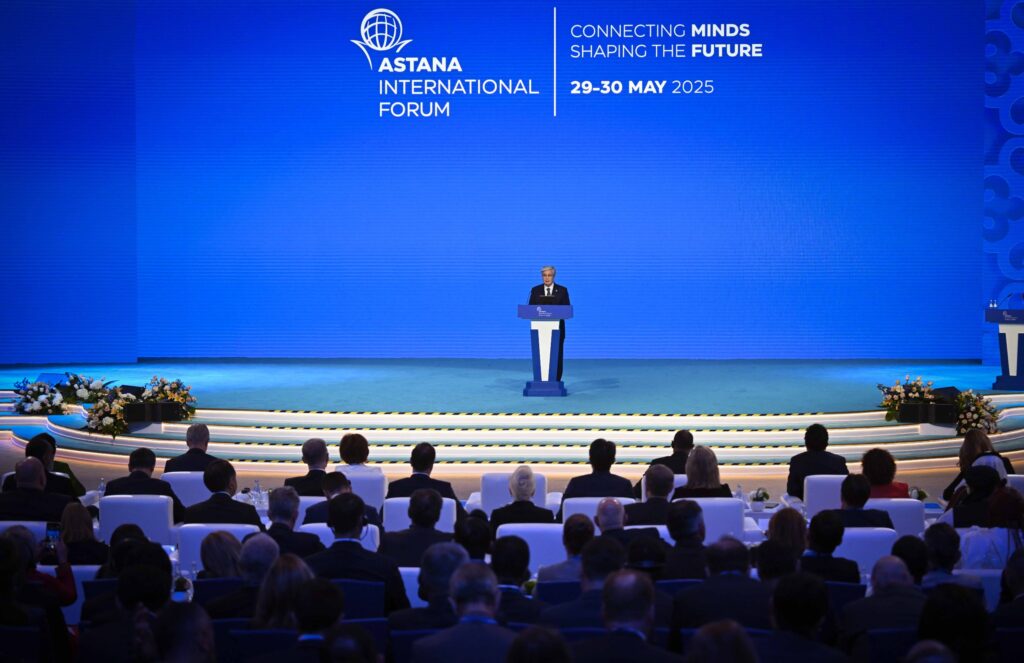
Kazakhstan plans to establish a pilot zone named "CryptoCity" to facilitate the free circulation of cryptocurrencies, President Kassym-Jomart Tokayev announced at the Astana International Forum (AIF). “We plan to create an innovative pilot zone called CryptoCity, where cryptocurrencies can be used to purchase goods, services, and for other purposes,” Tokayev stated. The president highlighted Kazakhstan's progress in digital transformation, positioning the country as a potential Eurasian IT hub. He also outlined ambitions for Kazakhstan to become an academic and innovation center through partnerships with foreign universities and increased research and development. “Kazakhstan is launching the most powerful supercomputer, which has already been delivered to the country,” Tokayev said, referencing a recent agreement between the Ministry of Digital Development, Innovation and Aerospace Industry and Presight AI Ltd. The system, boasting a performance of about 2 exaflops, was developed under a strategic partnership with G42, an Abu Dhabi-based technology group. Cryptocurrency regulation remains a divisive issue in Kazakhstan. While the National Bank supports liberalizing the sector, several members of parliament are advocating for increased state control. Tokayev used the economic forum to reaffirm Kazakhstan's commitment to innovation as a tool for societal development. “Our primary task is to reduce regional disparities and strengthen the middle class. That is why we continue to bolster our capabilities in key sectors, from digital technologies and artificial intelligence to clean energy and high value-added manufacturing,” he said. He also emphasized regional cooperation: “Kazakhstan is ready to share its emerging IT capabilities with its neighbors and collaborate with all countries interested in fostering economic ties.” Reflecting on global trends, Tokayev warned of growing protectionism and weakening multilateralism. “There are different scenarios for the future, some offer opportunities, others harbor risks. Will we see inclusive progress or destructive fragmentation? This depends not on the declarations of a few, but on the cooperation of the majority,” he concluded.

M360 Eurasia Opens in Tashkent with Emphasis on Digital Growth

The GSMA M360 Eurasia conference officially opened on May 21 in Tashkent, marking the event’s first ever appearance in Uzbekistan. The gathering brought together telecommunications leaders, digital experts, and policymakers to explore how mobile technologies can fuel economic development and enhance quality of life across Eurasia. A key highlight of the opening day was the launch of the GSMA Mobile Economy Eurasia 2025 report. According to the findings, mobile services and technologies contributed $220 billion to the Eurasian economy in 2024, equivalent to 7.7% of the region’s GDP. That figure is projected to rise to $270 billion by 2030, comprising 8.3% of GDP. GSMA Director General Vivek Badrinath addressed the opening ceremony, underscoring the economic impact of connectivity. “Connectivity is a powerful engine of economic growth and a catalyst for transforming businesses and public services across the region,” he said. Badrinath emphasized that mobile technologies are already driving efficiency across Eurasia and will play an even greater role in the years ahead. Bridging the Digital Divide The first day’s sessions focused on mobile internet expansion, 5G deployment, and the application of artificial intelligence (AI) in daily life. Speakers presented data and personal stories illustrating both achievements and obstacles. A recurring theme was the disparity between mobile coverage and actual usage. While mobile internet now reaches two-thirds of the population (164 million people), approximately 80 million individuals still do not use it, despite living in areas with available access. The gap, experts noted, stems from issues such as affordability, digital literacy, and lack of awareness. John Giusti, GSMA’s Chief Regulatory Officer, stressed the urgency of inclusive digital policies. “How do we ensure digital transformation benefits everyone? We cannot afford to leave anyone behind,” he said. Giusti praised Uzbekistan’s Digital 2030 strategy as a model, citing the rapid expansion of 5G to all regional centers, enhanced internet bandwidth, and improved governance. Uzbekistan has led the region in progressive spectrum policy, being the first to allocate the 700 MHz band for broadband and to distribute parts of the C-band at no cost, steps that accelerated the country’s 5G rollout. “Forward-looking policies like these enhance service quality and contribute to economic growth,” Giusti added. Digital Reform in Uzbekistan Sherzod Shermatov, Uzbekistan’s Minister of Digital Technologies, outlined the country’s transformation. “In 2017, internet access was limited, expensive, and unavailable in many areas. Today, every school, hospital, and remote village has internet access,” he said. “Our focus is not just on availability, but also on affordability and quality.” Shermatov detailed the government’s efforts to digitize public services, support IT businesses through tax incentives, and upskill the workforce. “We are creating an environment where digital businesses can thrive,” he said, adding that the number of tech companies per million people has more than tripled since 2017. The minister also highlighted new services for persons with disabilities and the expansion of digital public services, reinforcing the country’s commitment to inclusive digital development. Showcasing Innovation A standout feature of the conference was the GSMA Foundry demo pod, which showcased...