
• KGS/USD = 0.01144 0%
  • KZT/USD = 0.00211 0%
  • TJS/USD = 0.10802 -0.18%
  • UZS/USD = 0.00008 0%
  • TMT/USD = 0.28571 0.28%
  • KGS/USD = 0.01144 0%
  • KZT/USD = 0.00211 0%
  • TJS/USD = 0.10802 -0.18%
  • UZS/USD = 0.00008 0%
  • TMT/USD = 0.28571 0.28%
  • KGS/USD = 0.01144 0%
  • KZT/USD = 0.00211 0%
  • TJS/USD = 0.10802 -0.18%
  • UZS/USD = 0.00008 0%
  • TMT/USD = 0.28571 0.28%
  • KGS/USD = 0.01144 0%
  • KZT/USD = 0.00211 0%
  • TJS/USD = 0.10802 -0.18%
  • UZS/USD = 0.00008 0%
  • TMT/USD = 0.28571 0.28%
  • KGS/USD = 0.01144 0%
  • KZT/USD = 0.00211 0%
  • TJS/USD = 0.10802 -0.18%
  • UZS/USD = 0.00008 0%
  • TMT/USD = 0.28571 0.28%
  • KGS/USD = 0.01144 0%
  • KZT/USD = 0.00211 0%
  • TJS/USD = 0.10802 -0.18%
  • UZS/USD = 0.00008 0%
  • TMT/USD = 0.28571 0.28%
  • KGS/USD = 0.01144 0%
  • KZT/USD = 0.00211 0%
  • TJS/USD = 0.10802 -0.18%
  • UZS/USD = 0.00008 0%
  • TMT/USD = 0.28571 0.28%
  • KGS/USD = 0.01144 0%
  • KZT/USD = 0.00211 0%
  • TJS/USD = 0.10802 -0.18%
  • UZS/USD = 0.00008 0%
  • TMT/USD = 0.28571 0.28%

Viewing results 1 - 6 of 4

Welcome to Turkmenistan? President Says He Wants International Tourists to Visit

Turkmenistan, one of the world’s most closed countries, is hosting an international tourism conference this week. The “TurkmenTravel – 2026” event in the capital of Ashgabat aims to attract foreign visitors to a country that is generally difficult to visit because of tight controls, including required letters of invitation and the need to have licensed guides. While some travel agencies aim to address those challenges for tourists, Turkmenistan remains a little-understood country and lags far behind regional countries such as neighboring Uzbekistan in terms of infrastructure and accessibility for travelers. But the three-day tourism conference, which ends on Thursday, could be a tentative sign that Turkmenistan wants to open up, selectively, and within the limits of a tightly controlled system that restricts the internet and other sources of information for its citizens. [caption id="attachment_13432" align="aligncenter" width="1920"] Ashgabat Arch of Neutrality; image: Stephen M. Bland[/caption] Across Central Asia, governments increasingly treat tourism as both an economic sector and a tool of international image-building. Turkmenistan now appears to want some of that attention, but on its own carefully managed terms. The event was a priority for Turkmenistan’s government. President Serdar Berdimuhamedov delivered a message of encouragement to the participants and said tourism was growing in the Central Asian country whose stated policy is one of neutrality in international affairs. Statistics on tourism growth and other metrics are hard to come by in Turkmenistan, however. That makes the message from Ashgabat especially striking: a state known less for openness than for control is publicly promoting tourism growth while offering little transparent data to show how far that growth has actually come. [caption id="attachment_47157" align="aligncenter" width="2560"] Kunya-Urgench- The ancient Nejameddin Kubra and Sultan Ali Mausoleums; image: Stephen M. Bland[/caption] “Permanently neutral, Turkmenistan places great importance on expanding international cooperation in this area,” the president said. He noted collaboration with the U.N. World Tourism Organization and other international institutions. For years, Turkmenistan’s image abroad has rested less on mass tourism than on mystery: the white-marble capital, vast desert landscapes, major Silk Road sites, and a political system that has often kept outsiders at a distance. In Ashgabat, that mystery is part of the experience from the start. White marble towers rise in regimented lines, fountains splash into largely empty spaces, and broad avenues can feel strangely still. The city is visually extravagant but tightly controlled, with an atmosphere that can leave visitors unsure whether they are in a showcase capital, a stage set, or both. Berdimuhamedov listed some of Turkmenistan’s attractions: Ancient Merv, Nisa, and Kunya-Urgench, the Bereketli Garagum and Gaplaňgyr nature reserves, desert ecosystems, and the elaborate architecture in Ashgabat. [caption id="attachment_27727" align="aligncenter" width="2560"] Ashgabat - A row of marble towers in the Berzengi district; image: Stephen M. Bland[/caption] Cordula Wohlmuther, regional director for Europe of U.N. Tourism, was one of the listed speakers at the tourism conference. The agenda for the event included a session titled “How to promote Central Asian culture on the world stage.” One company, Asia Odyssey Travel, portrays Turkmenistan...

Turkmenistan’s Diplomatic Moves Amid Iran-Israel Tensions

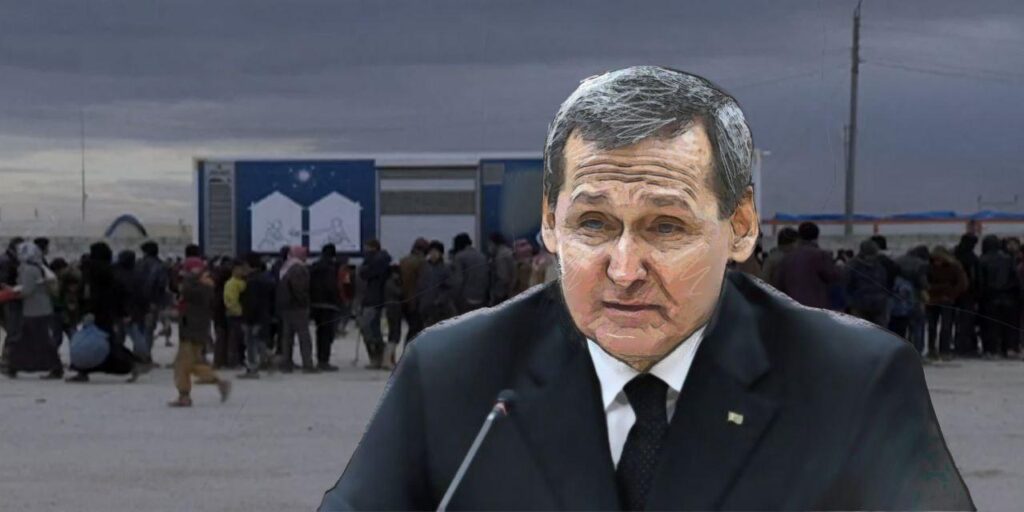
One of the elements most highlighted by the recent military confrontation between Israel and the U.S. on one side and Iran on the other is the geographical relevance of Central Asia to the situation. This is particularly true in the case of Turkmenistan, a country that shares a border of almost 1,200 kilometers with Iran. During the most intense days of the conflict, in a particularly unusual move, Turkmenistan opened its borders to foreign citizens seeking to escape from Iranian territory, which was under Israeli air strikes at the time. On the diplomatic front, there have also been several high-level meetings and talks involving Turkmenistan; just after his meeting in Moscow with Russian President Vladimir Putin, the Iranian Foreign Minister, Abbas Araghchi, travelled to Ashgabat for a meeting with his Turkmen counterpart, Rashid Meredov. The day after, Meredov had a telephone conversation with U.S. Secretary of State Marco Rubio, and Russian Foreign Minister Sergey Lavrov arrived in Ashgabat for a meeting with the Turkmen leader, Serdar Berdimuhamedov. Focusing primarily on the mutual isolation of Turkmenistan and Iran, Luca Anceschi, Professor of Eurasian Studies at the University of Glasgow, gave The Times of Central Asia his interpretation of these developments: “In my opinion, there is a fundamental issue, which is Turkmen isolation. When we see a small shift, we think that things are changing, but nothing changes. The second isolation is that of Iran, which in this case is not intentional. The reality we have seen in recent days is that Iran is isolated at the regional level. Russia has made it clear that Iran is expendable, and has not given reassuring answers. We see that there is an attempt to remedy this forced isolation on the part of Iran. To get out of these regional arrangements, they have tried to go everywhere, including Ashgabat.” Operational agreements on the energy side are certainly weighing on Tehran's desire to reassure Turkmenistan about the stability of the theocratic regime that rules Iran. These agreements are particularly useful to Iran in meeting the energy needs of the northern part of the country, which is remote and poorly connected to the south, where the country’s main natural gas fields are located. According to Temur Umarov, a Fellow at the Carnegie Russia Eurasia Center, “Since 2022, Turkmenistan's visibility in Eurasian politics has certainly increased, and this is also the result of geopolitical changes that have taken place in the region in recent years,” Umarov told TCA. “What happened in Iran further increases Ashgabat's visibility, but it was coincidental that Lavrov's visit to Turkmenistan took place during the clash between Israel and Iran, as it was part of a wider tour of the region by the Russian Foreign Minister.” Another aspect that should be considered is the change in tone on the part of Turkmen diplomacy, which at first glance appears much more assertive than in the past. A few weeks ago, Ashgabat issued a very harsh statement regarding Trump's decision to include Turkmenistan among the countries...