
• KGS/USD = 0.01143 0%
  • KZT/USD = 0.00201 0%
  • TJS/USD = 0.10510 -0.28%
  • UZS/USD = 0.00008 0%
  • TMT/USD = 0.28575 0%
  • KGS/USD = 0.01143 0%
  • KZT/USD = 0.00201 0%
  • TJS/USD = 0.10510 -0.28%
  • UZS/USD = 0.00008 0%
  • TMT/USD = 0.28575 0%
  • KGS/USD = 0.01143 0%
  • KZT/USD = 0.00201 0%
  • TJS/USD = 0.10510 -0.28%
  • UZS/USD = 0.00008 0%
  • TMT/USD = 0.28575 0%
  • KGS/USD = 0.01143 0%
  • KZT/USD = 0.00201 0%
  • TJS/USD = 0.10510 -0.28%
  • UZS/USD = 0.00008 0%
  • TMT/USD = 0.28575 0%
  • KGS/USD = 0.01143 0%
  • KZT/USD = 0.00201 0%
  • TJS/USD = 0.10510 -0.28%
  • UZS/USD = 0.00008 0%
  • TMT/USD = 0.28575 0%
  • KGS/USD = 0.01143 0%
  • KZT/USD = 0.00201 0%
  • TJS/USD = 0.10510 -0.28%
  • UZS/USD = 0.00008 0%
  • TMT/USD = 0.28575 0%
  • KGS/USD = 0.01143 0%
  • KZT/USD = 0.00201 0%
  • TJS/USD = 0.10510 -0.28%
  • UZS/USD = 0.00008 0%
  • TMT/USD = 0.28575 0%
  • KGS/USD = 0.01143 0%
  • KZT/USD = 0.00201 0%
  • TJS/USD = 0.10510 -0.28%
  • UZS/USD = 0.00008 0%
  • TMT/USD = 0.28575 0%
28 February 2026

Viewing results 1 - 6 of 9

Kazakhstan’s Falcon EuroBus to Supply 600 Electric Buses to Pakistan

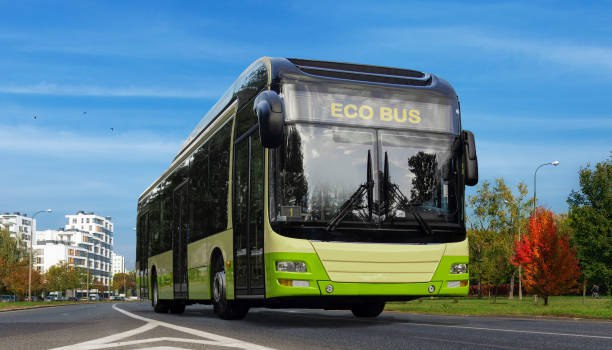
Falcon EuroBus, founded in 2018 in Almaty, has signed an agreement with Pakistan to supply 600 electric buses. The deal is one of the largest export contracts for Kazakhstan’s engineering industry in the public transport sector. Falcon EuroBus produces a range of buses that meet European quality standards. The company’s current production capacity stands at 1,500 buses per year, with plans to expand it to 3,000 units. Uzbekistan and Mongolia have already expressed interest in its products, and Pakistan has now joined that list. A memorandum on the supply of electric buses was signed between Falcon EuroBus and Pakistani carrier OGCC International at the Kazakhstan–Pakistan business forum in Islamabad, held during the state visit of President Kassym-Jomart Tokayev. The first deliveries are scheduled to begin in April. The contract covers 600 electric buses and is valued at $108 million. By 2027–2028, the company plans to increase exports to Pakistan to 2,000 buses, including vehicles designed for transporting schoolchildren. “We carry out the full production cycle for buses. For us, this is an entry into a large market. In addition to the current contract, agreements have been reached on the prospects of supplying 2,000 school buses,” said Murat Adilkhanov, chairman of the board of directors of Falcon EuroBus. Kazakhstan’s Ministry of Trade and Integration described the agreement as strategically important for promoting the Made in Kazakhstan brand and expanding exports of high-tech products. A total of 32 commercial documents were signed at the forum. Samruk-Kazyna JSC and Pakistan’s Fauji Group agreed to establish a joint investment platform. Kazakhstan Temir Zholy and Pakistan’s National Logistics Corporation reached an agreement on cooperation in multimodal transport. Kazposhta signed memoranda with Pakistan Post and TCS Private Limited. The Aktau Seaport and the Port of Karachi also agreed to expand cooperation. The Times of Central Asia previously reported that more than 171,000 vehicles were produced in Kazakhstan in 2025, a record for the industry. Output of commercial vehicles, including buses, reached 12,200 units, up 8% year on year.

EBRD to Allocate €10 Million to Tajikistan for Electric Public Transport

The European Bank for Reconstruction and Development (EBRD) is continuing to support the green transformation of Tajikistan’s transport sector. Its latest project focuses on the city of Bokhtar, the administrative center of Khatlon region, and will fund a large-scale upgrade of municipal public transport with electric buses. The total financing for the Bokhtar project amounts to €10 million, of which €6.4 million is provided as a loan and €3.6 million as an investment grant. Additionally, technical assistance valued at more than €600,000 will be allocated to support the implementation of the new electric transport system. The funds will enable the municipality to acquire 50 modern electric buses. These vehicles will be accessible to passengers with disabilities and will be supported by the necessary charging infrastructure to ensure full operational capacity. Beyond the procurement of buses, the project encompasses the full integration of electric transport into Bokhtar’s urban environment. According to the EBRD, the introduction of electric buses is expected to significantly reduce carbon dioxide emissions and improve air quality in the city. The project will also create new jobs and includes a training program for personnel responsible for operating and maintaining the new fleet. Bokhtar and the EBRD have been partners in public transport development since 2018. In an earlier phase of modernization, the city constructed a bus depot and acquired 41 low-floor buses. To date, the EBRD has invested over €1 billion in Tajikistan through 190 projects.

Greening Campaign in Bishkek Targets Air Quality Improvement

A citywide greening campaign was launched in Bishkek on October 15, with plans to plant more than 10,000 tree and shrub saplings across the capital. The initiative is part of a broader effort to combat environmental degradation and improve air quality in one of Central Asia’s most polluted cities. According to the Bishkek City Administration, priority will be given to areas surrounding educational institutions. The plan includes the creation of green zones around every school in the city. The tree-planting campaign is designed to help reverse decades of urban deforestation, a consequence of rapid development that has significantly reduced Bishkek’s tree cover. Once regarded as one of the greenest cities in the former Soviet Union, Bishkek has lost much of its vegetation due to unchecked construction and infrastructure expansion. Environmental experts have urged city planners to prioritize the planting of tall, broadleaf deciduous trees, valued for their shade and noise-reducing qualities, over coniferous species, which currently dominate urban landscaping. The campaign aligns with Kyrgyzstan’s nationwide “Jashyl Muras” (“Green Heritage”) initiative, launched by President Sadyr Japarov in March 2022. The program aims to plant between five and six million saplings each year. In 2024, the Ministry of Natural Resources, Ecology and Technical Supervision reported that more than 8.1 million saplings were planted across the country. Additional Measures to Reduce Pollution On the same day, during a meeting of the Interdepartmental Commission for Improving Air Quality, Bishkek Mayor Aibek Junushaliev detailed other municipal efforts to reduce pollution. He noted that more than 1,500 diesel-powered minibuses have been removed from central city streets. The municipal transport fleet now consists of 1,449 environmentally friendly buses, 1,329 running on liquefied natural gas and 120 electric buses purchased in 2025. According to the Ministry of Natural Resources, Ecology and Technical Supervision, motor vehicle emissions contribute approximately 30% of Bishkek’s air pollution. Further efforts include the installation of a desulfurization system at the Bishkek Thermal Power Plant (TPP), which supplies heat and hot water to most of the capital. The plant’s emissions are estimated to account for around 15% of the city’s air pollution. The new system captures up to 96.6% of sulfur dioxide (SO₂) generated during coal combustion, marking a major step toward improving air quality in the city.
