• KGS/USD = 0.01144 0%
  • KZT/USD = 0.00215 0%
  • TJS/USD = 0.10599 -0.28%
  • UZS/USD = 0.00008 0%
  • TMT/USD = 0.28571 0%
  • KGS/USD = 0.01144 0%
  • KZT/USD = 0.00215 0%
  • TJS/USD = 0.10599 -0.28%
  • UZS/USD = 0.00008 0%
  • TMT/USD = 0.28571 0%
  • KGS/USD = 0.01144 0%
  • KZT/USD = 0.00215 0%
  • TJS/USD = 0.10599 -0.28%
  • UZS/USD = 0.00008 0%
  • TMT/USD = 0.28571 0%
  • KGS/USD = 0.01144 0%
  • KZT/USD = 0.00215 0%
  • TJS/USD = 0.10599 -0.28%
  • UZS/USD = 0.00008 0%
  • TMT/USD = 0.28571 0%
  • KGS/USD = 0.01144 0%
  • KZT/USD = 0.00215 0%
  • TJS/USD = 0.10599 -0.28%
  • UZS/USD = 0.00008 0%
  • TMT/USD = 0.28571 0%
  • KGS/USD = 0.01144 0%
  • KZT/USD = 0.00215 0%
  • TJS/USD = 0.10599 -0.28%
  • UZS/USD = 0.00008 0%
  • TMT/USD = 0.28571 0%
  • KGS/USD = 0.01144 0%
  • KZT/USD = 0.00215 0%
  • TJS/USD = 0.10599 -0.28%
  • UZS/USD = 0.00008 0%
  • TMT/USD = 0.28571 0%
  • KGS/USD = 0.01144 0%
  • KZT/USD = 0.00215 0%
  • TJS/USD = 0.10599 -0.28%
  • UZS/USD = 0.00008 0%
  • TMT/USD = 0.28571 0%

Viewing results 1 - 6 of 31

Kazakh Lawmakers Propose Extending Import Benefits for Electric Vehicles

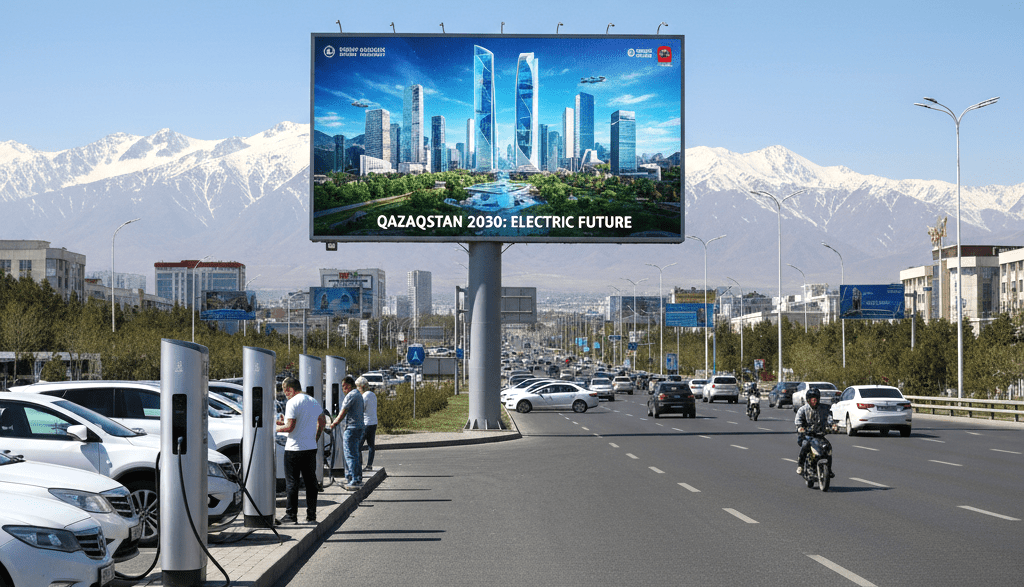
Olzhas Nuraldinov, a member of the Mazhilis, Kazakhstan’s lower house of parliament, has proposed that Prime Minister Olzhas Bektenov extend the country’s preferential import regime for electric vehicles (EVs). Under the Customs Union Commission’s Decision No. 130 of November 27, 2009, electric vehicles can currently be imported into Kazakhstan duty-free. However, the regulation imposes a quantitative cap, no more than 15,000 EVs in total, and is set to expire on December 31, 2025. As of September 25, 2025, more than 13,000 electric vehicles had been imported under the scheme, accounting for 87.2% of the quota, according to Kazakhstan’s State Revenue Committee. Lawmakers argue that it is unlikely the 15,000 vehicle threshold will be reached by year’s end and are therefore urging the government to extend the deadline. “Once the preferential regime expires, electric vehicle prices will rise by 30-40%, which will reduce demand and slow the development of eco-friendly transport,” Nuraldinov said in a formal parliamentary appeal to the prime minister. “We propose extending the preferential import regime for at least three more years and, if necessary, raising the issue with the Eurasian Economic Commission.” According to Nuraldinov, EV imports increased twelvefold in two years, from 1,245 units in 2022 to 15,700 in 2024. Some of these imports occurred outside the preferential framework, as roughly 1,900 vehicles can still be imported duty-free under the current quota. Despite this growth, electric vehicles still represent just 0.5% of all registered vehicles in Kazakhstan, compared to 35% in China and more than 22% in the European Union. Kazakhstan has over 6.4 million registered vehicles, more than 70% of which are over ten years old and emit five to seven times more pollutants than newer models, Nuraldinov noted. “Ending these benefits would undermine efforts to improve air quality and worsen environmental conditions,” he warned. “In Almaty, where the population exceeded 2.3 million this year, 80% of air pollution comes from vehicle emissions. Meanwhile, the electric transport sector has begun forming its own ecosystem, creating jobs, service centers, assembly sites, and a growing network of charging stations. Their number has increased from 200 to 1,200 nationwide.” As The Times of Central Asia previously reported, some lawmakers voiced concern in February about the potential strain that a growing EV fleet could place on Kazakhstan’s energy infrastructure.

Wheels of Influence: China’s Electric Vehicle Push in Central Asia

As domestic competition intensifies and protectionist barriers rise in Western markets, Chinese electric vehicle (EV) manufacturers are increasingly looking outward. One region emerging as a key destination is Central Asia, where China’s green tech ambitions align with local efforts to modernize and decarbonize transport systems. From affordable passenger cars aimed at private drivers to electric buses transforming public transit, Chinese EVs are quietly gaining traction across Kazakhstan, Uzbekistan, Kyrgyzstan, and Tajikistan. Companies like Yutong are supplying e-buses for urban mobility, while fleets of electric taxis are beginning to appear in Dushanbe’s streets. This growing presence is more than just commercial - it signals a deeper shift in China’s regional engagement strategy, using clean technology as a vehicle for influence in a strategically contested space. There is an upward trend in the import of electric vehicles from China to Central Asia, particularly in Kazakhstan and Uzbekistan. In 2024, Uzbekistan imported over 24,000 EVs, with Chinese manufacturers accounting for a staggering 99.5% of all imports. This marked an increase of more than 8,000 units compared to 2023 - nearly a 1.5-fold growth in just one year. A similar surge is visible in Kazakhstan. In 2023, the country imported around 6,875 Chinese EVs, but by 2024, although official figures are yet to be released, industry reports indicate a 36-fold increase in the sales of Chinese EVs year-on-year. Drivers of Import: Policy and Perception The surge in EV imports into Central Asia is driven by a convergence of motivations from both China and the region’s domestic policies. On the supply side, the rapid influx of Chinese EVs reflects a blend of strategic export redirection by Chinese automakers and receptive policy environments in the region. Faced with mounting trade restrictions and increasing regulatory pressure in Western markets, Chinese EV producers are pivoting toward emerging economies to safeguard growth. Central Asia has become a promising destination due to its untapped consumer base. On the demand side, Central Asian governments are enacting supportive policies to accelerate the green transition, making EV imports more accessible. For example, Uzbekistan has removed both excise taxes and customs duties on imported electric vehicles, while Kazakhstan and Kyrgyzstan benefit from a Eurasian Economic Union ruling that extends duty-free EV imports until the end of 2025, creating a favorable environment for consumers and fleet operators. In addition to these policy frameworks, a growing positive perception of Chinese EVs has emerged across the region. Chinese manufacturers are seen as offering a combination of affordability and quality, a crucial advantage in price-sensitive markets like Central Asia. For consumers and taxi fleet operators, the appeal goes beyond the sticker price - electric vehicles are significantly cheaper to operate. Unlike gasoline-powered cars that require frequent oil changes and filter maintenance, EVs offer lower long-term operating costs, making them a practical and economically attractive choice. Beyond Exports: Assembling a Local Presence However, China’s electric vehicle expansion in Central Asia goes beyond exports - it increasingly involves local production through joint ventures and assembly plants. In Uzbekistan, the state-owned...

South Korean Firm to Launch EV Charging Station Production in Kyrgyzstan

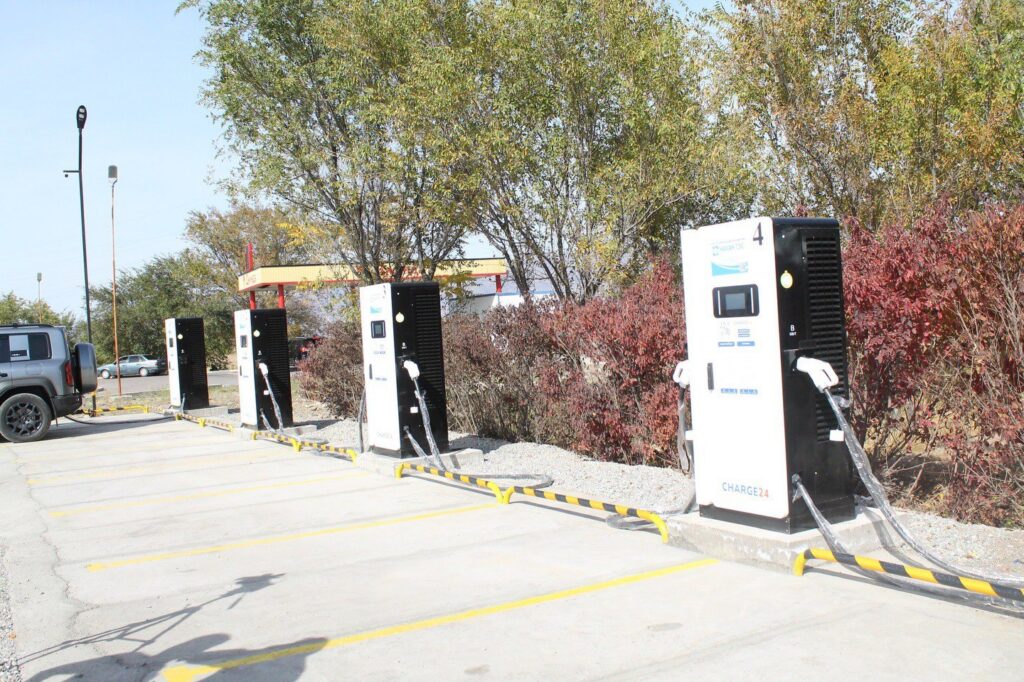
A new partnership between Kyrgyz and South Korean stakeholders aims to bring electric vehicle (EV) charging station manufacturing to Kyrgyzstan. The Public-Private Partnership Center under the National Investment Agency of Kyrgyzstan, OJSC Chakan HPP, and South Korea’s BLUE NETWORKS CO., LTD., a company specializing in EV charging infrastructure, have signed a memorandum of cooperation to jointly implement the project. The agreement, reached under a public-private partnership (PPP) framework, outlines plans to establish a local manufacturing facility and roll out a nationwide EV charging network in major cities and regions across the country. According to the PPP Center, the initiative is designed to support sustainable and environmentally friendly transport infrastructure, localize high-tech production, and create new employment opportunities. It also reflects Kyrgyzstan’s broader goals of modernizing its energy and transport sectors and strengthening international cooperation in green technologies. In a related move, Kyrgyzstan’s Ministry of Economy and Commerce signed a memorandum of understanding in June with South Korean firms EVSIS, NGS, and the Korea Automobile Environment Association. That agreement focuses on developing EV charging infrastructure in Bishkek. The broader partnership also includes plans to collaborate with the Kyrgyz State Technical University to offer technical training and internship programs. Emphasis will be placed on building local expertise through industry-academic cooperation, particularly in the operation and maintenance of EV charging networks. The aim is to support the employment of young professionals and foster sustainable growth in the green tech sector. These initiatives are aligned with the Kyrgyz government’s strategy to promote eco-friendly transport alternatives and reduce air pollution in Bishkek and other major urban centers.

South Korea to Support Electric Transport Infrastructure Development in Bishkek

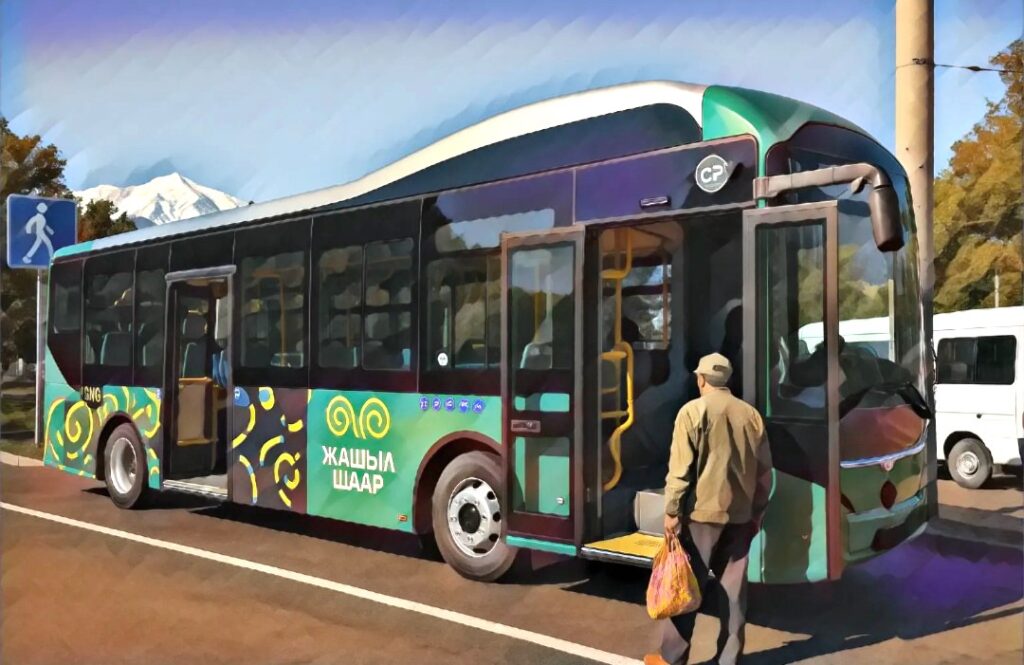
South Korean companies will assist Bishkek in building a modern charging infrastructure for electric public transport, following agreements reached between Kyrgyz Deputy Minister of Economy and Trade Sanzhar Bolotov and representatives of the Korea Environmental Transport Association, along with several private firms. The collaboration aims to jointly develop, implement, and operate a state-of-the-art network of charging stations for electric buses in the Kyrgyz capital. It also includes the introduction of improved environmental practices. “The South Korean side expressed its readiness not only to help with infrastructure, but also to transfer to Bishkek expert knowledge and technology in the field of eco-friendly transport, as well as to conduct extensive information campaigns to promote electric transport among the population,” the Kyrgyz Ministry of Economy and Trade stated. The agreement also encompasses a range of environmental initiatives. South Korean experts will assist Bishkek in improving air quality and reducing carbon emissions, critical objectives for a city frequently plagued by severe air pollution, particularly in the autumn and winter months. An important component of the agreement is the training of young specialists in South Korea. “Particular attention will be paid to the formation of a system of interaction between industry and the academic community, which will ensure the employment of trained specialists and the development of local expertise in the field of charging infrastructure operation,” the ministry added. Bishkek has pursued a consistent strategy of replacing traditional public transport with electric alternatives. Initially, the city phased out route taxis, replacing them with buses powered by gas and petrol. More recently, city authorities purchased 120 electric buses manufactured in China, with some units already delivered, through a project in collaboration with the Asian Development Bank. Concurrently, the city has begun phasing out its aging trolleybus fleet, a move that has sparked public debate. The infrastructure previously used for trolleybuses is being repurposed for the electric bus network. However, the process has faced delays, and several tenders for modifying the existing contact network have been cancelled. Starting in 2025, the popular Ala-Archa Nature Park will ban entry for vehicles with internal combustion engines. Tourists will be transported exclusively by municipal electric buses or allowed to use their own electric vehicles.

Uzbekistan Startup to Build First National EV Charging Network

A Tashkent-based startup is set to build Uzbekistan’s first national electric vehicle (EV) charging network, marking a significant step in the country’s push toward clean energy and technological self-reliance. Pulseev, established earlier this year, aims to install 500 EV charging stations across Uzbekistan by 2026, with a long-term target of 3,000 stations by 2030. Its first large-scale charging hub, now under construction, will include more than 50 charging bays, complemented by modular cafés, coworking spaces, and a children’s playground. Designed and assembled locally, Pulseev’s chargers are tailored to Uzbekistan’s energy infrastructure and climatic conditions. The stations will offer fast charging, mobile app integration, and remote monitoring, features aimed at simplifying the user experience. “We’re not just installing hardware,” said co-founder Jasurbek Khodjaev. “We’re creating spaces where people feel proud to power their vehicles with clean energy, while families enjoy time together.” The initiative aligns with Uzbekistan’s broader strategy to invest in renewable energy and improve energy efficiency. The government has expressed strong support for EV adoption and digital infrastructure as part of efforts to reduce dependence on fossil fuels and modernize the national grid. Pulseev’s long-term vision includes expansion into other Central Asian markets and the Middle East. The company promotes a concept it calls “energy freedom,” advocating for democratized access to clean energy not only for transportation but also for everyday life. “This is about dignity, independence, and innovation,” said Mukhammad Khalil, founder of Startup Garage, a regional accelerator supporting Pulseev. The project also reflects a broader shift in Central Asia’s startup ecosystem, with increasing emphasis on indigenous technological solutions to local challenges. By developing EV infrastructure domestically, Pulseev positions itself as a key player in shaping the region’s sustainable transport future.

Proton Plans to Launch Electric Vehicle Production in Kazakhstan

Malaysian automotive manufacturer Proton Holdings Berhad is exploring the possibility of launching electric vehicle (EV) production in Kazakhstan. The announcement followed a meeting between Proton representatives and Yersayin Nagaspayev, Kazakhstan’s Minister of Industry and Construction. Proton, Malaysia’s largest automotive group, began operations in 1985 by producing cars under license from Mitsubishi. Since the late 1990s, the company has developed its own models, including the e.MAS line of electric vehicles, which it now proposes to localize in Kazakhstan. “The company presented plans to produce electric cars under the e.MAS brand. Discussions focused on potential production sites, export opportunities, and ensuring compliance with the technical and environmental standards of the Eurasian Economic Union (EAEU),” the Ministry of Industry and Construction reported. Following the meeting, the parties agreed to establish a joint working group tasked with developing a roadmap for localizing production and launching joint investment projects. Kazakhstan’s Growing Automotive Sector Minister Nagaspayev highlighted that more than 134,000 passenger cars were produced in Kazakhstan in 2024. Major international brands, including KIA, Hyundai, Chevrolet, JAC, and Jetour, are already manufacturing in the country. In 2025, two new automotive plants are scheduled to open in Almaty and Kostanay, with a combined annual capacity of up to 190,000 vehicles. The EV segment is currently the fastest-growing portion of the Kazakh automotive market. According to the Association of the Automobile Industry of Kazakhstan (AKAB), the number of registered electric vehicles grew from about 1,500 in early 2023 to 3,200 by the end of that year. As of May 2025, that figure has surged to 9,400. This rapid growth is attributed in part to a government policy introduced in 2023 that exempts citizens from import duties and taxes on one electric vehicle per person, valid through the end of 2025. Analysts also cite rising oil prices and the expansion of EV charging infrastructure as key drivers of demand. As previously reported by The Times of Central Asia, Kazakhstan is on track to produce approximately 150,000 vehicles in 2025, a record for the country.