
• KZT/USD = 0.00222
  • TJS/USD = 0.10820
  • UZS/USD = 0.00009
  • TMT/USD = 0.29850
  • KZT/USD = 0.00222
  • TJS/USD = 0.10820
  • UZS/USD = 0.00009
  • TMT/USD = 0.29850
  • KZT/USD = 0.00222
  • TJS/USD = 0.10820
  • UZS/USD = 0.00009
  • TMT/USD = 0.29850
  • KZT/USD = 0.00222
  • TJS/USD = 0.10820
  • UZS/USD = 0.00009
  • TMT/USD = 0.29850
  • KZT/USD = 0.00222
  • TJS/USD = 0.10820
  • UZS/USD = 0.00009
  • TMT/USD = 0.29850
  • KZT/USD = 0.00222
  • TJS/USD = 0.10820
  • UZS/USD = 0.00009
  • TMT/USD = 0.29850
  • KZT/USD = 0.00222
  • TJS/USD = 0.10820
  • UZS/USD = 0.00009
  • TMT/USD = 0.29850
  • KZT/USD = 0.00222
  • TJS/USD = 0.10820
  • UZS/USD = 0.00009
  • TMT/USD = 0.29850
10 September 2026

Viewing results 1 - 6 of 3

Opinion: Kazakhstan Energy Expansion May Not Guarantee a Lasting Surplus

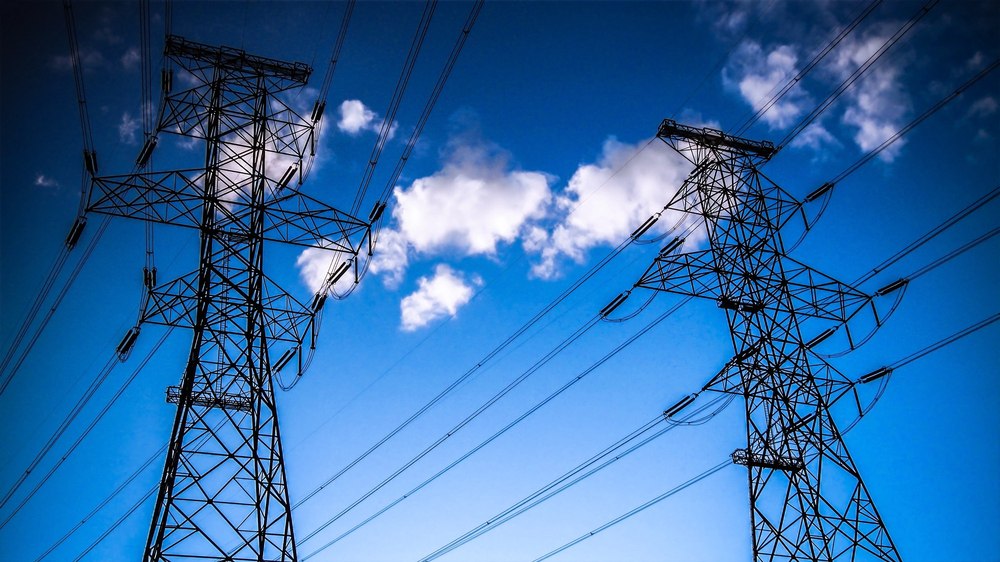
Kazakhstan plans to commission 13.3 GW of power capacity by the end of 2029, including 12.56 GW of entirely new generation, in a build-out the government says will move the country from deficit to sustained surplus. But new industrial projects and large data centers could absorb part of that margin almost as soon as it appears. According to Energy Ministry projections, Kazakhstan expects to eliminate its electricity deficit by the end of the first quarter of 2027 and move to a sustained surplus by 2029. The projected electricity balance for 2029 calls for generation of 162.1 billion kWh against consumption of 144.5 billion kWh, leaving a surplus of 17.6 billion kWh. However, it is difficult to predict exactly how much electricity the country will need three years from now. Therefore the forecast "surplus" will not necessarily become a reserve available for future industrial projects. Energy Hungry Data Centers Kazakhstan is pursuing a swathe of new energy-intensive industrial projects, while data centers are emerging as another major source of electricity demand. The Data Center Valley project is being developed in Ekibastuz, where the government says 300 MW of power capacity has already been secured, with plans to expand to 1 GW. It cites competitive electricity costs and the ability to scale up as advantages of the location. At full scale, such a cluster would itself become a major electricity consumer. If it drew 1 GW continuously, it would consume about 8.76 billion kWh a year – roughly half the projected national surplus for 2029. Kazakhstan’s digital ambitions already extend beyond a single data center. In June, the government announced $10 billion in agreements with U.S.-based Firebird and NVIDIA to build a large AI computing center using 100,000 advanced computer chips. The project will form part of the Data Center Valley initiative. By the end of 2029, Kazakhstan plans to commission 13.3 GW of capacity, of which 12.56 GW will come from entirely new generating facilities and 0.74 GW will replace existing capacity. According to the Energy Ministry, 7.4 GW of the total will be baseload generation and another 5.9 GW will come from renewable energy sources. The full 13.3 GW cannot be treated as spare power for new factories and data centers. Some will be needed to meet rising demand and make the electricity system more reliable. Solar and wind power also cannot produce at full capacity all the time. This is particularly important during periods of peak demand, when the power system must cope simultaneously with high consumption and possible maintenance or outages at generating facilities. A projected annual surplus measured in billions of kilowatt-hours and the amount of capacity available during a particular peak hour are therefore different measures. Upkeep of Current Power Sources The condition of existing generation remains a separate problem. Much of Kazakhstan’s thermal generation is aging and requires modernization. The Energy Ministry reported that 411 billion tenge was allocated to the 2025 repair campaign, during which 10 power units, 63 boilers, and 39 turbines were repaired. It said...

Kazakhstan Pushes to Unlock Private Investment as IFC Backs Reform Drive

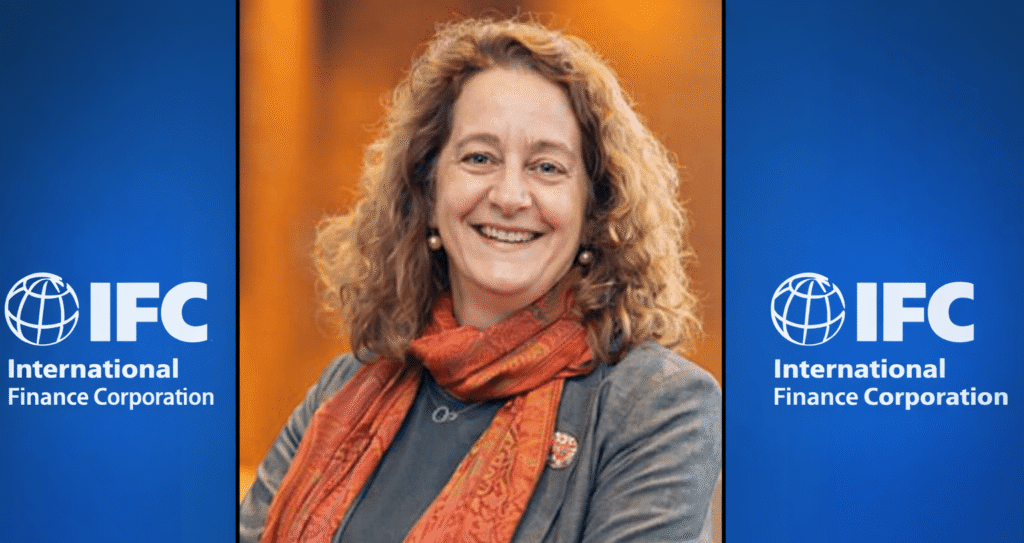
Kazakhstan is positioning itself as a more attractive destination for private investment, as authorities push to expand infrastructure, improve access to capital, and strengthen its role along key Eurasian trade routes. In an interview with The Times of Central Asia, Lisa Kaestner, the new Regional Director for Türkiye, Kazakhstan, and Uzbekistan at the International Finance Corporation (IFC), outlines how the World Bank Group’s private sector arm plans to support that shift, from backing transport corridors to mobilizing capital for businesses and infrastructure projects. TCA: Since taking up your new role, how has your career path and leadership experience shaped your approach to this position? Kaestner: I joined IFC as Resident Representative in Georgia in 1999, and that early experience shaped how I approach working directly with local partners and stakeholders. Since then, I've held several leadership roles across IFC and the World Bank, primarily in Eastern Europe and Central Asia, while also expanding into Africa, where I led advisory services to governments across Eastern and Southern Africa — working across sectors like agribusiness, tourism, housing, technologies and financial services to support private sector-led growth. More recently, I served as Country Manager for Ukraine and earlier also Moldova, where I led IFC's strategic work on expanding support for businesses and financial institutions and helping lay the groundwork for private sector participation in Ukraine’s reconstruction. In March 2026, I stepped into my current role as Director overseeing IFC's activities in Türkiye, Kazakhstan, and Uzbekistan, focused on mobilizing private investment and advancing reforms in close partnership with governments and the private sector. TCA: How do you assess the investment attractiveness of Kazakhstan at present? Kaestner: Kazakhstan presents a compelling investment story. The country benefits from a strategic geographic position at the heart of Eurasia, significant natural resources, and a government that has demonstrated a genuine commitment to reform and private sector development. From our point of view, several factors stand out as particularly encouraging. Kazakhstan has made meaningful progress in strengthening financial sector regulation and advancing infrastructure development. At the same time, we recognize that challenges remain. One key factor is the dominant role of the state in the economy, which represents roughly 40% of GDP, especially in major sectors like natural resources, electricity, telecommunications, and infrastructure. In this regard, we support the government’s efforts to increase private sector participation through privatization, IPOs, and public-private partnerships (PPPs). Additionally, maintaining steady progress on governance, transparency, and the rule of law remains crucial for sustaining investor confidence in the long term. Diversifying the economy away from commodity dependence — while significant strides have been made — remains a priority, as does deepening domestic capital markets to reduce reliance on external financing. Broader reforms are needed to achieve stable economic growth and improve the business climate, which will allow Kazakhstan to reach the level of developed countries. Significant efforts to develop the Trans-Caspian Transport Corridor (TCTC)—also known as the Middle Corridor, which is becoming increasingly important as an alternative trade route between Asia and Europe are...

AIIB Projects Win Awards as Uzbekistan Rises in Regional Infrastructure Finance

Three projects backed by the Asian Infrastructure Investment Bank (AIIB) were recognized at the Global Banking & Markets (GBM) Awards, Türkiye & Central Asia 2025, held in Istanbul. The accolades highlight AIIB’s expanding role in promoting commercially structured, investment-ready infrastructure projects in the region, a trend that is increasingly relevant for rapidly developing markets such as Uzbekistan. At the awards ceremony, the Antalya Airport Expansion (Aspendos) received the Transport Finance Deal of the Year award. The Nakkaş-Başakşehir Motorway was named Infrastructure Finance Deal of the Year, and Ronesans Holding’s debut $350 million Eurobond received the Blended Finance Deal of the Year award. Industry experts note that these projects reflect a broader shift toward blended finance and co-financing mechanisms in Turkey and Central Asia. These approaches are becoming increasingly important for Uzbekistan as it scales up infrastructure development and aligns new projects with international best practices. Uzbekistan is now one of AIIB’s fastest-growing markets, with investments spanning energy, transport, digital infrastructure, and regional connectivity. The country’s recent rise into AIIB’s top ten borrowers reflects both its need for stable long-term financing and its intent to structure major infrastructure initiatives according to global standards. Igor Popkov, Senior Investment Officer and Project Team Lead for the Antalya Airport project, said the awarded deals show how complex infrastructure financing is evolving. He noted that Türkiye remains AIIB’s second-largest borrower, with $6 billion in approved projects, while Uzbekistan is “rapidly climbing” the ranks. Development finance institutions, he added, continue to play a crucial role in making large-scale projects bankable and aligned with international norms. Observers also pointed to the growing use of instruments such as A/B loan structures, guarantees, and long-term project financing in Uzbekistan, where multiple AIIB-supported projects are under preparation or implementation. The GBM recognition follows the signing of a $500 million financing agreement between AIIB and the Government of Uzbekistan on November 28 to support the country’s Green and Resilient Market Economy Program. The initiative aims to help Uzbekistan transition to a more sustainable and climate-resilient economic model.
