• KGS/USD = 0.01144 0%
  • KZT/USD = 0.00206 0%
  • TJS/USD = 0.10415 -0.19%
  • UZS/USD = 0.00008 0%
  • TMT/USD = 0.28571 0%
  • KGS/USD = 0.01144 0%
  • KZT/USD = 0.00206 0%
  • TJS/USD = 0.10415 -0.19%
  • UZS/USD = 0.00008 0%
  • TMT/USD = 0.28571 0%
  • KGS/USD = 0.01144 0%
  • KZT/USD = 0.00206 0%
  • TJS/USD = 0.10415 -0.19%
  • UZS/USD = 0.00008 0%
  • TMT/USD = 0.28571 0%
  • KGS/USD = 0.01144 0%
  • KZT/USD = 0.00206 0%
  • TJS/USD = 0.10415 -0.19%
  • UZS/USD = 0.00008 0%
  • TMT/USD = 0.28571 0%
  • KGS/USD = 0.01144 0%
  • KZT/USD = 0.00206 0%
  • TJS/USD = 0.10415 -0.19%
  • UZS/USD = 0.00008 0%
  • TMT/USD = 0.28571 0%
  • KGS/USD = 0.01144 0%
  • KZT/USD = 0.00206 0%
  • TJS/USD = 0.10415 -0.19%
  • UZS/USD = 0.00008 0%
  • TMT/USD = 0.28571 0%
  • KGS/USD = 0.01144 0%
  • KZT/USD = 0.00206 0%
  • TJS/USD = 0.10415 -0.19%
  • UZS/USD = 0.00008 0%
  • TMT/USD = 0.28571 0%
  • KGS/USD = 0.01144 0%
  • KZT/USD = 0.00206 0%
  • TJS/USD = 0.10415 -0.19%
  • UZS/USD = 0.00008 0%
  • TMT/USD = 0.28571 0%

Viewing results 1 - 6 of 84

Kazakhstanis Will Be Able to Vote in 61 Countries in the Nuclear Power Referendum

Speaking at a briefing, Secretary of the Central Election Commission of Kazakhstan Mukhtar Erman said that 76 polling stations in 61 countries abroad will be opened for citizens to participate in the referendum on constructing nuclear power plants. However, the polling station in Lebanon will not open due to the current situation there. “Just today, we held consultations with the Foreign Ministry, and we received information from our colleagues that one polling station in Lebanon will not be opened because, you know, there are full-scale hostilities in that country. The situation there is tough; we cannot risk our voters' and fellow citizens' lives and health. That is why there are currently 76 polling stations and 61 countries,” Erman said, noting that all procedures relating to voting abroad — opening of polling stations, counting of votes, and transfer of information — will be carried out in strict accordance with Kazakhstan's current legislation. Earlier, The Times of Central Asia reported that 177 international observers from 30 countries and four international organizations will monitor the referendum on NPP in Kazakhstan. In addition, on the day of the referendum, 200 foreign journalists from 37 countries will be on the ground to ensure the transparency and objectivity of the referendum. The idea of holding the referendum, which will be held on October 6, 2024, emerged against the backdrop of regular problems with energy supply and the need to modernize infrastructure. An active debate has accompanied the move.
How Kyrgyz Authorities Are Fighting Energy Shortages

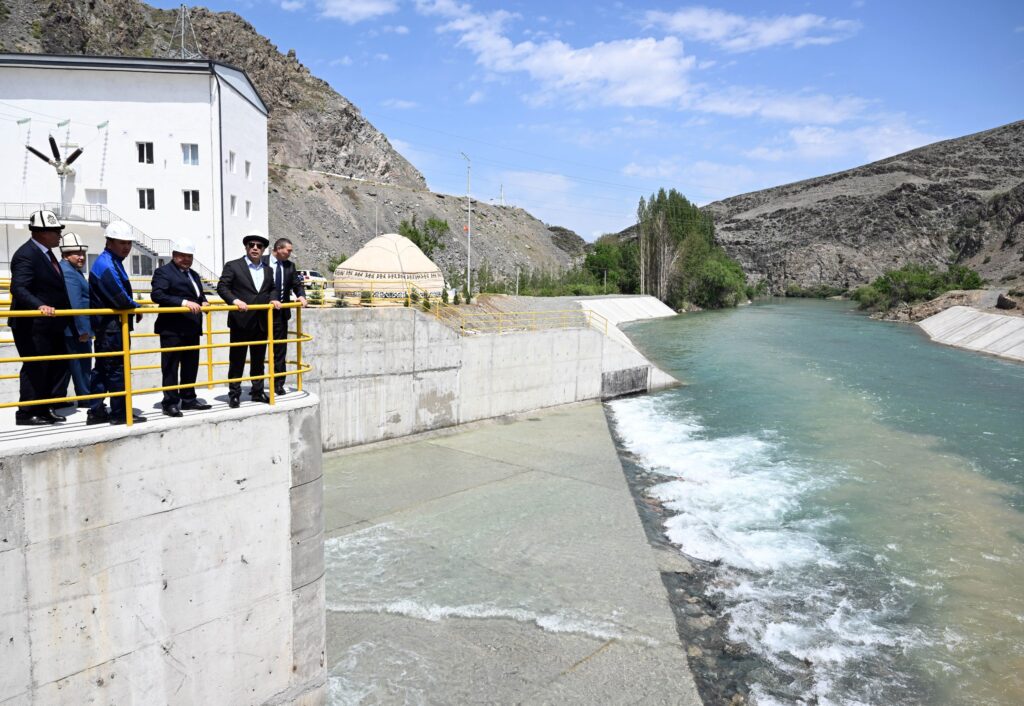
Despite the launch of the construction of the Kambarata-1 hydroelectric power plant, Kyrgyzstan needs more electricity. One solution could be to launch small hydropower plants. Officials said building such plants on the country's numerous rivers is not costly. According to the Kyrgyz Energy Ministry, commissioning such HPPs could take only 1.5-2 years. There are currently 24 small hydropower plants in operation in the country, and there is potential for more than 80 more. In an interview with The Times of Central Asia, Kyrgyz Deputy Energy Minister Nurlan Sadykov said that every citizen has the opportunity to build a small hydropower plant. Startup permits can be obtained quite easily. “We have a Green Energy Fund, which is authorized to issue land for small-scale energy needs, including the construction of solar panels and wind farms. This body holds a competition where anyone can participate equally, whether a Kyrgyz citizen or a foreign investor. The main thing is to confirm your financial capabilities,” Sadykov said. Sadykov said most investors borrow from local or international banks in one way or another. The authorities can guarantee the return of invested funds through electricity tariffs. “A presidential decree has been issued. According to the document, the state is guaranteed to buy electricity. If the investor wants to receive money for generated electricity in foreign currency, the state can provide payments in US dollars,” the deputy minister emphasized. Chinese and Russian companies are interested in building renewable energy sources in Kyrgyzstan. A campaign to raise funds from local businessmen is also underway. It is worth noting that Kyrgyzstan is experiencing an increase in electricity consumption. The country produces about 14 billion kilowatt-hours annually, but consumption, especially in winter, can reach 17 billion kilowatt-hours. To compensate for the missing electricity, the authorities import it from Kazakhstan, Turkmenistan, and Uzbekistan.

Despite High Water Levels in Kyrgyzstan’s Toktogul Reservoir, Electricity Shortages Persist

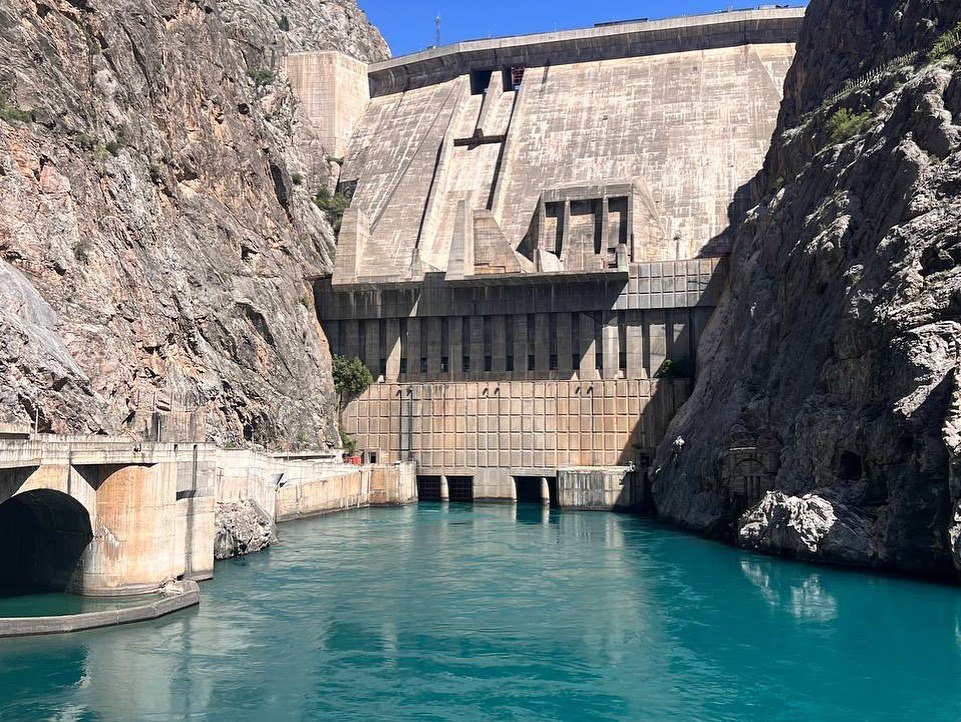
Despite an increase in water levels at Kyrgyzstan’s Toktogul hydroelectric power plant (HPP) reservoir this year, the country continues to face electricity shortages, Energy Minister Taalaibek Ibrayev said in an interview with Birinchi Radio. Located on the Naryn River, the Toktogul HPP is Kyrgyzstan’s largest power plant, providing around 40% of the country’s electricity. As of October 1, 2024, the water volume in the Toktogul reservoir reached 13.033 billion cubic meters, approximately 1.3 billion cubic meters more than the previous year. The reservoir currently receives 365 cubic meters of water per second while releasing 284 cubic meters per second for power generation. "Despite the increased water levels in 2024, we are still facing an electricity deficit of about 3.9 billion kilowatt-hours," Minister Ibrayev stated. To address the deficit, Kyrgyzstan is working to expand its energy capacity by building small and large hydroelectric plants. "In the past, small hydroelectric plants produced around 200-300 million kilowatt-hours of electricity annually. This figure has now increased to 750 million kilowatt-hours," Ibrayev explained. He also noted that the country’s electricity consumption has risen by 400 million kilowatt-hours this year, driven by the launch of new industrial enterprises. According to the National Statistics Committee, Kyrgyzstan generated 13.8 billion kilowatt-hours of electricity in 2023, with hydropower plants accounting for approximately 87% of total electricity production. In 2023, Kyrgyzstan met 80% of its electricity demand, which totalled 17.2 billion kilowatt-hours. The remaining 20%, or 3.4 billion kilowatt-hours, was imported. To help reduce reliance on imports, an agreement was signed between Kyrgyzstan and Turkmenistan in May 2023 for the supply of 1.7 billion kilowatt-hours of electricity from Turkmenistan, starting on January 1, 2025.

The Geopolitical Battle for Kazakhstan’s First Nuclear Power Plant

Nuclear power plants currently operate in only 32 countries in the world. Kazakhstan seems poised to join their ranks in the near future; but what does this shift mean for the energy-rich Central Asian nation? Following the collapse of the Soviet Union in 1991, Kazakhstan has been a strong advocate for nuclear non-proliferation and disarmament. Astana not only eliminated its nuclear arsenal, which was one of the largest in the world at the time, but also closed the Semipalatinsk nuclear test site, where the Soviet Union conducted more than 450 nuclear tests over 40 years. Thousands of people in Kazakhstan experienced birth defects and cancer linked to nuclear testing. This history makes the construction of a nuclear power plant in the former Soviet republic a particularly sensitive issue. Nevertheless, a majority of the population in Kazakhstan is expected to support building a nuclear facility in the national referendum scheduled for October 6. But what comes after the vote? If the citizens of Kazakhstan approve the government’s plans to go nuclear, the country might get its first nuclear power plant no earlier than 2035. In the meantime, Astana will have to find a strategic partner to participate in the development of the facility. Building and operation a nuclear power plant requires advanced technology, engineering expertise, and rigorous safety standards – areas where Kazakhstan currently lacks experience. “As a result, the country will likely need to rely on international partners to design, build, and possibly even operate its first nuclear power plant,” said James Walker, CEO and Head of Reactor Development at NANO Nuclear Energy, in an interview with The Times of Central Asia. Although most policymakers in Kazakhstan would like Western companies to build a nuclear power plant in Ulken, on the western shore of Lake Balkhash, at this point the Russian State Nuclear Energy Corporation Rosatom seems to have the best chance of playing a key role in the project. In Walker’s view, Russia has a long history of cooperation with Kazakhstan in the nuclear sector and could be a logical partner, especially given its extensive experience in building and operating nuclear power plants in other countries. “Rosatom has been actively involved in Kazakhstan’s nuclear sector for years, including uranium mining and nuclear fuel cycle activities. This established presence, coupled with Russia’s geopolitical influence in Central Asia, makes Rosatom a strong contender,” stressed the CEO of NANO Nuclear Energy, pointing out that Chinese corporations are also very interested in the potential construction of the first Kazakh nuclear power plant. Indeed, according to reports, the China National Nuclear Corporation offered to build a 1.2 GW nuclear power plant unit in Kazakhstan for $2.8 billion, with the construction taking five years. Another candidate for the project is South Korea’s Korea Electric Power Corporation. The largest electric utility in the East Asian nation reportedly proposed building a water-cooled power reactor –using water as a coolant to transfer heat away from the core. Walker, however, argues that while South Korea has a competitive edge...