• KZT/USD = 0.00224
  • TJS/USD = 0.10810
  • UZS/USD = 0.00009
  • TMT/USD = 0.29850
  • KZT/USD = 0.00224
  • TJS/USD = 0.10810
  • UZS/USD = 0.00009
  • TMT/USD = 0.29850
  • KZT/USD = 0.00224
  • TJS/USD = 0.10810
  • UZS/USD = 0.00009
  • TMT/USD = 0.29850
  • KZT/USD = 0.00224
  • TJS/USD = 0.10810
  • UZS/USD = 0.00009
  • TMT/USD = 0.29850
  • KZT/USD = 0.00224
  • TJS/USD = 0.10810
  • UZS/USD = 0.00009
  • TMT/USD = 0.29850
  • KZT/USD = 0.00224
  • TJS/USD = 0.10810
  • UZS/USD = 0.00009
  • TMT/USD = 0.29850
  • KZT/USD = 0.00224
  • TJS/USD = 0.10810
  • UZS/USD = 0.00009
  • TMT/USD = 0.29850
  • KZT/USD = 0.00224
  • TJS/USD = 0.10810
  • UZS/USD = 0.00009
  • TMT/USD = 0.29850
17 September 2026

Viewing results 1 - 6 of 436

Kyrgyzstan Boosts Energy Capacity with Hydropower Plant Upgrade

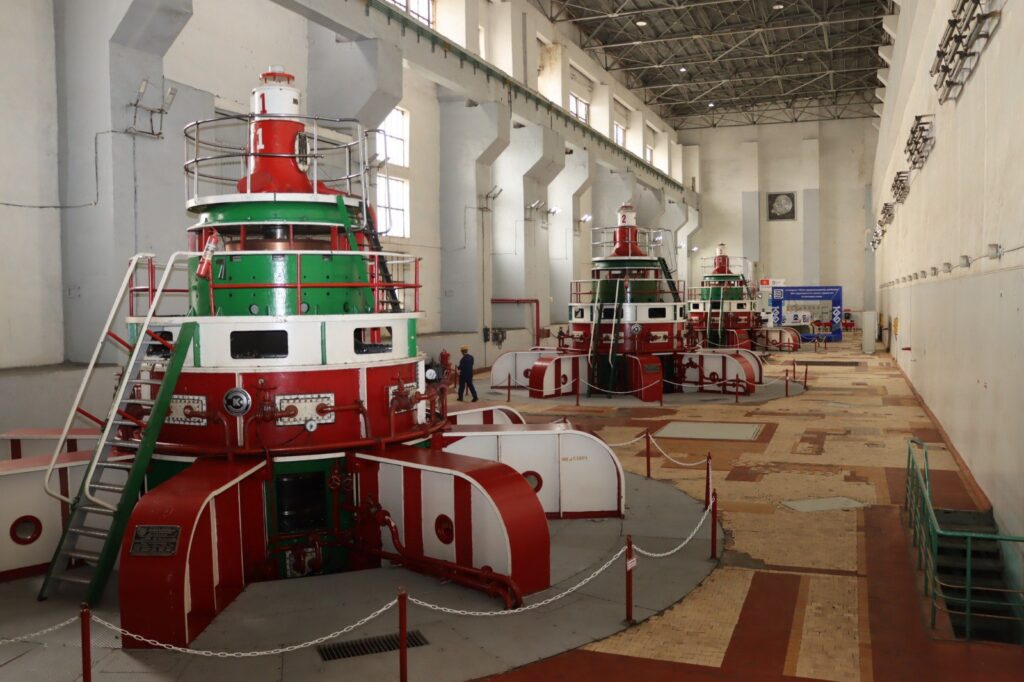
On December 30, Kyrgyzstan marked a significant milestone by commissioning the modernized hydroelectric generating unit No. 4 at the Uch-Kurgan Hydropower Plant (HPP). This upgrade is a critical step in addressing the country’s chronic electricity shortages, particularly acute during the harsh winter months. The modernization increased the generating capacity of unit No. 4 by 20%. The project, which began in March 2024, was implemented by the China National Electric Engineering Company (CNEEC). Work on hydroelectric generating unit No. 3 is scheduled to begin in 2025. Upon completion of the overall modernization project, the operational lifespan of the Uch-Kurgan HPP will be extended by 25–30 years. The Uch-Kurgan HPP, situated on the Naryn River near Shamaldy-Sai in the Jalal-Abad region, plays a vital role in Kyrgyzstan’s energy supply. Its reservoir has a total capacity of 52.5 million cubic meters. Before reconstruction, the plant's total capacity stood at 180 MW, with four hydroelectric units producing 45 MW each. Operating since 1962, the plant had not undergone any major upgrades until now. Kyrgyzstan is actively upgrading its hydropower infrastructure to enhance energy production. On November 19, 2024, the country launched the modernized hydroelectric generating unit No. 1 at the Toktogul HPP, its largest power facility. The upgrade increased the unit’s capacity by 60 MW, raising the Toktogul HPP’s total capacity to 1,260 MW from its previous 1,200 MW. The Toktogul HPP currently provides approximately 40% of Kyrgyzstan's electricity. In addition to modernization projects, Kyrgyzstan is constructing the flagship Kambarata-1 Hydropower Plant, which will have a projected capacity of 1,860 MW and an average annual generation of 5.6 billion kilowatt-hours. Upon completion, Kambarata-1 will become the country’s largest hydropower plant and is expected to eliminate Kyrgyzstan's electricity shortages. These developments reflect the country’s commitment to expanding its energy capacity, ensuring sustainable power supplies, and meeting the growing demands of its population and industries.
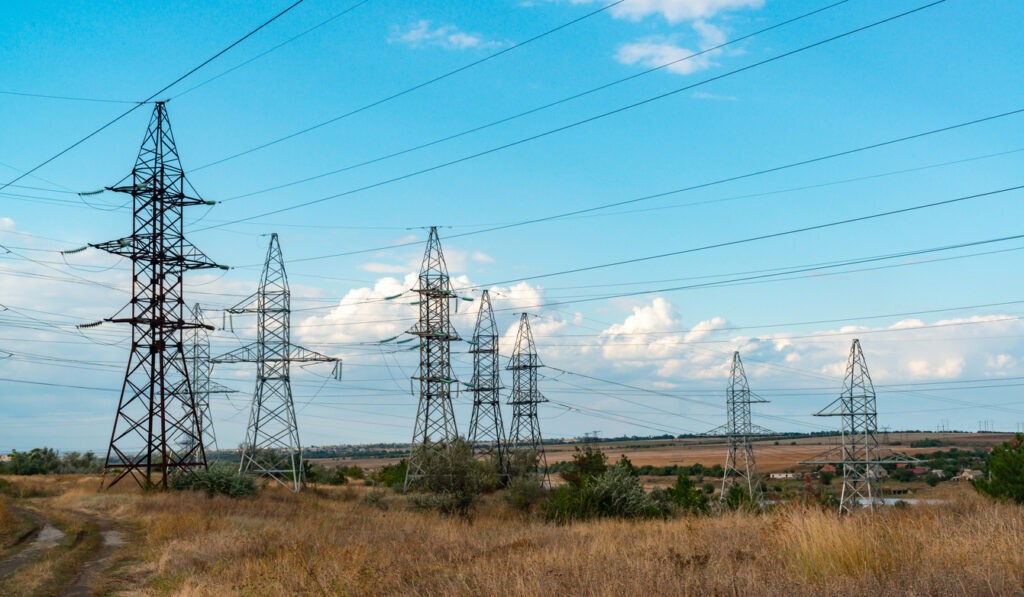
Kyrgyz Authorities Tighten Control Over Energy Resource Usage

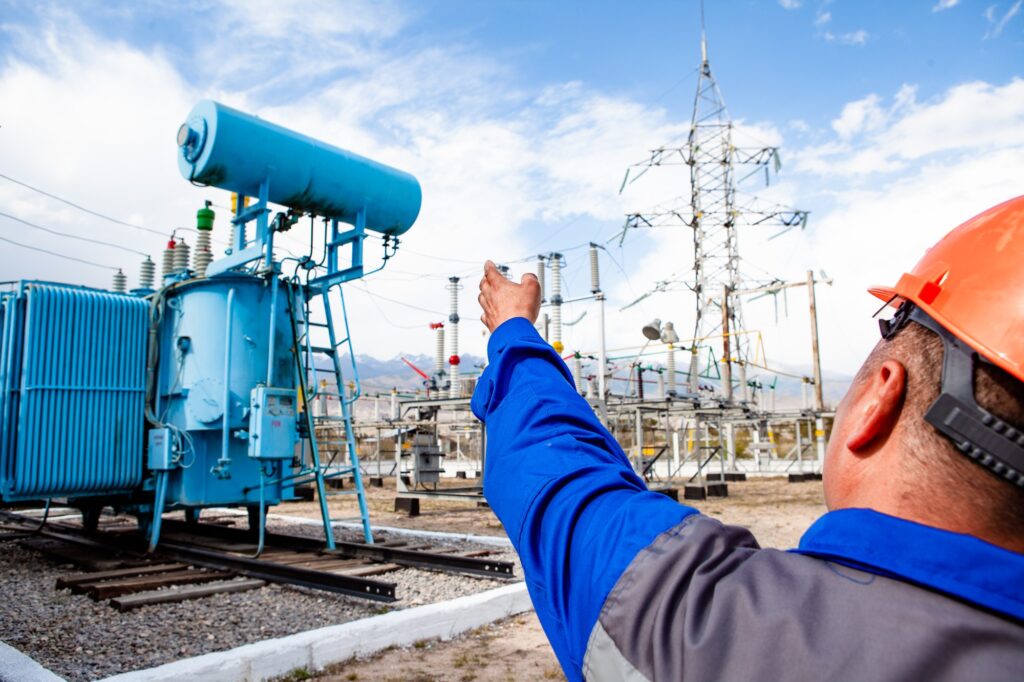
Kyrgyzstan has enacted a new law mandating efficient and rational use of energy resources across all enterprises, both state-owned and private​. The law establishes a dedicated government body tasked with inspecting organizations, enterprises, and buildings to ensure compliance with energy efficiency standards, regardless of ownership. This legislation, previously approved by parliament, assigns local state administrations and municipal authorities the responsibility of ensuring energy efficiency in buildings under their jurisdiction. This includes the adoption of highly efficient energy-consuming devices and equipment. The new law also requires authorities to provide consumers with metering devices for electricity, natural gas, and heat energy. These devices are to be installed in facilities where they are currently absent, allowing for more accurate monitoring and management of energy consumption. Kyrgyzstan continues to face an electricity deficit of 3.9 billion kilowatt-hours, exacerbated by economic growth, increased industrial activity, and rising energy demand​. Despite ongoing efforts, such as the construction of new hydroelectric power plants and importing electricity from neighboring countries, the shortage persists. This has resulted in rolling blackouts across nearly all regions during winter months. As previously reported by The Times of Central Asia, these shortages highlight the urgency of implementing measures to conserve energy​. President Sadyr Japarov has criticized citizens for their lack of responsibility in conserving natural resources. He expressed optimism that the new law would encourage greater accountability and help reduce electricity and heat consumption. By emphasizing energy efficiency and resource management, Kyrgyzstan aims to address its energy challenges while promoting sustainable development.

Afghanistan Extends Electricity Import Agreement with Uzbekistan Until 2025

Afghanistan’s state-owned power company, Da Afghanistan Breshna Sherkat (DABS), has extended its electricity import agreement with Uzbekistan through the end of 2025. The agreement was signed in Uzbekistan by Abdul Bari Umar, the Taliban’s acting head of DABS, and representatives from the National Electricity Company of Uzbekistan. This extension is vital for Afghanistan, where unreliable electricity continues to affect millions of people. According to the Ministry of Energy and Water under Taliban control, the country requires 1,500 megawatts of electricity. Of this, approximately 720 megawatts are imported, while the remainder is generated domestically. Afghanistan remains heavily reliant on neighboring countries for power due to its limited domestic production capacity. Residents of Kabul and other regions frequently endure prolonged outages, fueling public frustration over the lack of a consistent power supply. In recent months, DABS reported disruptions in electricity imports from Uzbekistan and Turkmenistan, leaving many areas without power. The outages were attributed to technical issues on the Uzbek side and storm-related problems in Turkmenistan. Both issues have since been resolved, and electricity transmission to Afghanistan has been restored. The extended agreement with Uzbekistan represents a critical step in addressing Afghanistan’s energy needs, though long-term solutions to bolster domestic electricity production remain essential.

Central Asia’s Pivotal Role in the Global Energy Transition

The United States and Europe are driving a global shift from fossil fuels to renewable energy, though progress has been slow. Central Asia’s oil, gas, uranium, and green hydrogen resources are expected to remain vital for Europe and global energy security for years to come. Within Central Asia, a shift to cleaner natural gas and nuclear energy is anticipated to replace coal-fired power, reducing environmental harm. Europe’s push for electrification has also renewed focus on nuclear energy, increasing the strategic and commercial value of Central Asia’s uranium deposits. On December 16, 2024, The Times of Central Asia, in cooperation with the Central Asia-Caucasus Institute and the American Foreign Policy Council, hosted a Burgut Expert Talk titled, "Central Asia in the Energy Transition". The event featured presentations by Dr. Svante Cornell and Dr. Brenda Shaffer, who outlined their takes on the topic. The discussion focused on Central Asia’s significant role in the global energy landscape, particularly in light of the push for renewable energy and Europe's efforts to diversify its energy sources. Challenging the notion of a true "energy transition," Shaffer argued that despite substantial investment in renewable energy, fossil fuels remain dominant. Shaffer pointed out that traditional biomass burning continues to be a major energy source in developing countries, posing significant health risks. Highlighting the fact that renewables often rely on a baseload of fossil fuels, Shaffer noted that this makes complete reliance on renewables impractical, especially in regions with harsh winters, such as Central Asia. Dr. Shaffer further emphasized that European policies, including the reluctance to finance fossil fuel projects and the instability of U.S. LNG exports, serve to hinder diversification efforts. Stressing the need for affordable and accessible energy solutions - particularly for developing countries - to address the issue of indoor pollution caused by traditional biomass burning, she argued that natural gas can serve as a bridge fuel, offering a cleaner alternative to traditional methods. Dr. Cornell focused on the rising importance of Central Asia as a major uranium producer, supplying a crucial element for nuclear energy, which is gaining renewed interest as a low-carbon energy source. Cornell highlighted the dependence of the EU on uranium imports and the potential for Central Asia, particularly Kazakhstan, to play a pivotal role in supplying this demand. Outlining the geopolitical dynamics surrounding uranium, Cornell noted the involvement of France, Russia, and China in Central Asia's uranium sector, emphasizing the importance of Central Asian states maintaining a balance in their foreign relations and partnering with various countries to ensure their independence in the uranium market. Drawing parallels to the oil and gas diplomacy of the 1990s - when Central Asian countries strategically engaged with multiple actors to safeguard their interests - Cornell advocated for the development of a robust domestic nuclear industry in Central Asia, enabling the region to move beyond raw material production and gain greater control over the value chain. Cornell also stressed the need for Western powers to actively engage in the region's nuclear sector, supporting the development...

Central Asia’s Role in Europe’s Energy Future: Insights from Samuel Doveri Vesterbye

The Times of Central Asia sat down with Samuel Doveri Vesterbye, Director of European Neighbourhood Council, a research organization funded by the EU and by Member States, to discuss prospects for the further development of the EU's relations with Central Asia. TCA: How significant is Central Asia for Europe's energy diversification strategy, especially in light of the need to reduce dependency on Russian gas? Europe needs energy. Since the revolution in shale gas production and liquefied natural gas (LNG) transport, it’s clear that European energy has become more diversified, particularly since Russia’s war against Ukraine. Reliance on Russia has decreased, while importation of U.S., African and Asian LNG has increased. Pipeline gas from Azerbaijan and renewable energy are both important and rising sources of diversification. The problem is that Europe doesn’t only need energy; it needs inexpensive energy, preferably in terms of pipeline gas. This is why the Caspian region, home to some of the world’s largest natural gas reserves, is important. That’s one significant reason for Europe’s renewed interest in the region. TCA: What are the key energy projects connecting Central Asia to Europe, and what obstacles do they face in becoming viable alternatives? In 2022–2023, the EU and the European Bank for Reconstruction and Development (EBRD) financed and conducted the biggest connectivity study about Central Asia to date. This study outlined the full capacity, potential, and challenges of trans-Caspian infrastructure and regulatory connectivity. It has become a key roadmap for all governments involved, as well as for the private sector and international investors in renewables, gas, transport, and other types of logistical infrastructure. In January and February 2024, the EU, together with international financial institutions, provided over €10 billion in low-interest loans and grants for the construction of energy and transport infrastructure cross-regionally. This amount represents over 50% of the investment needs estimated and outlined in the EBRD study. It is a strong indication of Europe’s political and financial dedication towards the region. TCA: How can Central Asian economies benefit from closer economic ties with Europe, particularly through energy trade? Central Asia has significantly increased its economic engagement with the European Union. In less than a decade, the EU has become Kazakhstan’s biggest trade partner in the world, ahead of China, Russia and the United States. Uzbekistan is taking a similar direction to Kazakhstan, and is about to sign an Enhanced Partnership and Cooperation Agreement (EPCA) with Brussels covering energy, politics, security, trade, and natural resources among many other issue-areas. For Central Asia, its new relationship with the EU is strategically intelligent, as the region ceases to be only a part of so-called “Chinese transit trade”. TCA: What economic reforms are necessary in Central Asia to align with European standards and attract more investment in energy sectors? The relationship with the EU allows Central Asia to increase its trade and gain new technology as it also benefits from industrialization. Both Europe and Central Asia are full of small and medium-sized nations who are often under pressure from great...

Uzbekistan Looks to Turkmen Gas to Tackle Winter Energy Crisis

Uzbekistan has faced persistent gas and electricity shortages for over 25 years, leaving many citizens to rely on stoves and makeshift heating systems to stay warm during harsh winters. In 2024 alone, 82 people have died, and another 80 remain in serious condition due to carbon monoxide poisoning. The situation could improve if Uzbekistan shifts to importing natural gas from Turkmenistan. Turkmenistan recently declined to renew its gas contract with Russia, citing its strategy to diversify exports and secure better prices. With natural gas reserves estimated at 17.5 trillion cubic meters, Turkmenistan is a regional energy powerhouse, supplying significant volumes to China while maintaining domestic stability. Meanwhile, Uzbekistan’s gas production has declined, exacerbating its energy crisis. Despite ranking 17th globally in terms of gas reserves, Uzbekistan produced only 33.48 billion cubic meters of natural gas between January and September 2024 - 4.8% less than during the same period last year. At the same time, energy demand is rising due to population growth and a 6% economic expansion. Experts suggest that prioritizing imports from Turkmenistan could alleviate Uzbekistan’s energy woes. Former Energy Minister Anvamirzo Khusainov highlights the 1,500-kilometer border shared by the two countries and the existing pipeline infrastructure that could facilitate Turkmen gas imports. However, such a decision would require Uzbekistan to reduce its historical reliance on Russia - a move that carries significant political implications. The approaching winter may force Tashkent to make this critical choice. Reliable and cost-effective gas supplies from Turkmenistan could provide much-needed relief and help Uzbekistan address its longstanding energy shortages.