• KZT/USD = 0.00221
  • TJS/USD = 0.10850
  • UZS/USD = 0.00008
  • TMT/USD = 0.29760
  • KZT/USD = 0.00221
  • TJS/USD = 0.10850
  • UZS/USD = 0.00008
  • TMT/USD = 0.29760
  • KZT/USD = 0.00221
  • TJS/USD = 0.10850
  • UZS/USD = 0.00008
  • TMT/USD = 0.29760
  • KZT/USD = 0.00221
  • TJS/USD = 0.10850
  • UZS/USD = 0.00008
  • TMT/USD = 0.29760
  • KZT/USD = 0.00221
  • TJS/USD = 0.10850
  • UZS/USD = 0.00008
  • TMT/USD = 0.29760
  • KZT/USD = 0.00221
  • TJS/USD = 0.10850
  • UZS/USD = 0.00008
  • TMT/USD = 0.29760
  • KZT/USD = 0.00221
  • TJS/USD = 0.10850
  • UZS/USD = 0.00008
  • TMT/USD = 0.29760
  • KZT/USD = 0.00221
  • TJS/USD = 0.10850
  • UZS/USD = 0.00008
  • TMT/USD = 0.29760
25 October 2026

Viewing results 1 - 6 of 2

Japan Funds $3 Million Caspian Sea Monitoring Project in Kazakhstan

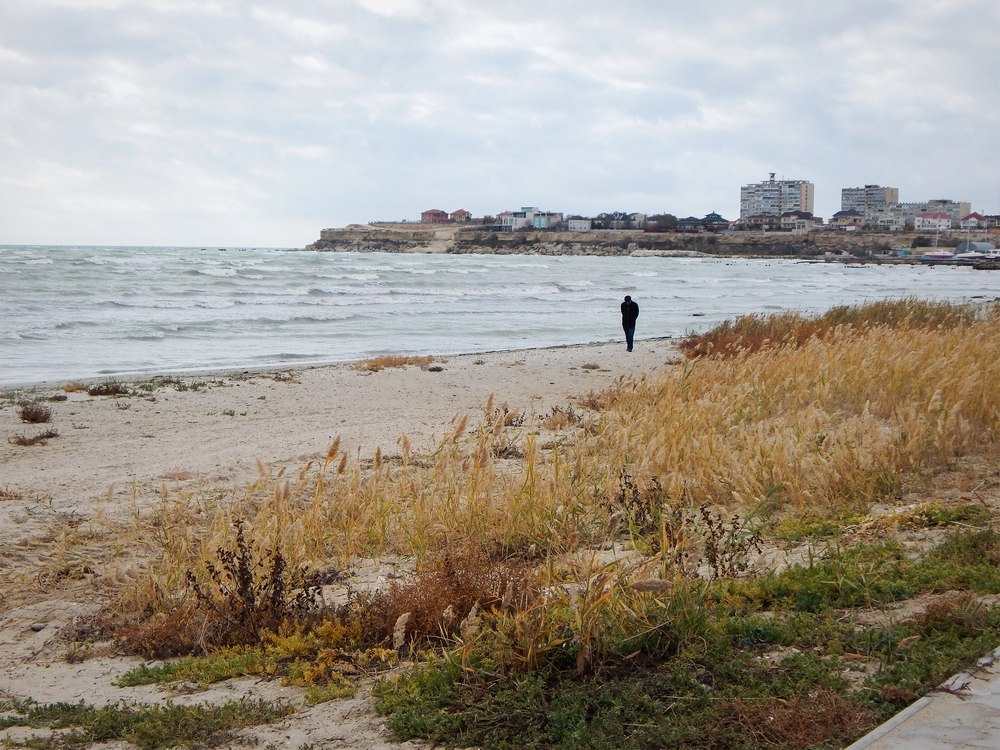
Japan is funding a $3 million project to improve monitoring of the shrinking Caspian Sea, focusing particularly on Kazakhstan’s shallow northern basin. The project, implemented by the United Nations Development Programme in partnership with Kazakhstan, was officially launched in Aktau on October 5. Experts from across the Caspian region are expected to take part in joint research and a regional scientific platform designed to improve the exchange of data and expertise. For Kazakhstan, the most immediate problem lies in the northern Caspian. The water there is extremely shallow, meaning that even relatively small declines in sea level can push the shoreline back considerable distances. Habitats used by Caspian seals and sturgeon are already changing, while ports and shipping face growing difficulties. Scientists link the decline to changes in the Caspian Sea’s water balance. The sea has no connection to the world’s oceans and depends on river inflow, precipitation, and evaporation. The Volga supplies most of its river water, while rising temperatures are increasing evaporation. In July 2025, the Caspian was reported to have fallen to its lowest level in the instrumental record. The Times of Central Asia reported that the shallow northeastern section along Kazakhstan and Russia was retreating particularly rapidly. The consequences could become far greater than the shoreline retreat already visible today. A study published in Communications Earth & Environment found that a five-meter decline from the study’s reference level could turn about 77,000 square kilometers of the Caspian’s current water surface into land, equivalent to around one-fifth of its present area. The northern basin would be among the areas most severely affected. The new project is intended to provide a clearer picture of how the decline is unfolding. Specialists will assess Kazakhstan’s existing observation network along the northern Caspian and identify where additional monitoring sites and modern equipment are needed. Sea level and river-flow measurements will be combined with data on temperature, salinity, evaporation, weather conditions, seabed depth, and satellite observations to improve projections of future changes. Kazakhstan is also tracking the volume of water reaching the Caspian. According to data from the Zhaiyk-Caspian basin inspectorate cited by the Ministry of Water Resources and Irrigation, 6.16 billion cubic meters had reached the sea since the start of 2026. Over the previous two and a half years, the total exceeded 35 billion cubic meters, including more than 17 billion during the exceptional floods of 2024.


Uzbekistan and Kazakhstan Coordinate on Nuclear Plant Safety

Uzbekistan is building its first nuclear power plant and preparing a second, while Kazakhstan intends to build at least three. Central Asia’s two largest economies are entering nuclear power at almost the same time. Even before their first reactors come online, the two countries are beginning to coordinate on safety and environmental monitoring, including potential transboundary impacts. On August 21, representatives of the two countries met in Tashkent and agreed on the main areas of further cooperation, including a road map and follow-up steps. The meeting came four days after a new announcement by Uzbekistan’s President Shavkat Mirziyoyev. On August 17, he said preparations were under way for a second nuclear power plant, although the country’s first nuclear complex in the Jizzakh region is only at the initial stage of construction. The location, capacity, timetable, and technology partner for the new plant have yet to be announced. Uzbekistan’s nuclear project has expanded considerably over the past two years. In 2024, Tashkent and Russia’s State Atomic Energy Corporation Rosatom agreed to build a small nuclear power plant with six 55 MW RITM-200N reactors. The configuration was later revised to an integrated plant in the Forish district of the Jizzakh region, comprising two large VVER-1000 units and two small RITM-200N reactors. The complex will have a total capacity of about 2.1 GW. Construction formally began on June 4, 2026, when concrete was poured for the first reactor unit. A technical launch of the first small reactor is planned for late 2029, while the first large unit is expected to begin operating in 2033. The entire complex is expected to be operational by 2035. Official projections of annual generation range from about 15.4 billion to 17.2 billion kWh. Rapidly growing electricity demand is driving discussion of a second plant. Uzbekistan needs more generating capacity as industry and new urban projects grow and the population approaches 40 million. Natural gas remains the backbone of power generation, but the government is also expanding solar and wind energy. Nuclear power is intended to provide baseload electricity around the clock, regardless of weather conditions. Kazakhstan is the world’s largest uranium producer and has the world’s second-largest uranium reserves, but it currently has no operating commercial nuclear power reactors. In a nationwide referendum in October 2024, voters approved the construction of a nuclear power plant. The country’s first plant is planned near the village of Ulken on the shore of Lake Balkhash, with Rosatom selected to lead the international consortium for the project.   A nuclear industry development strategy approved in April 2026 calls for Kazakhstan to have at least three nuclear power plants by 2050. It also covers nuclear science and workforce training, along with the management of radioactive waste and spent nuclear fuel. China National Nuclear Corporation has been selected to build Kazakhstan’s second plant; in July 2025, Roman Sklyar, then the country’s first deputy prime minister, said China would also build the third. The April 2026 strategy is less specific, however, and lists small modular...