Uzbekistan Plans $5.8 Billion Expansion of Hydropower Sector
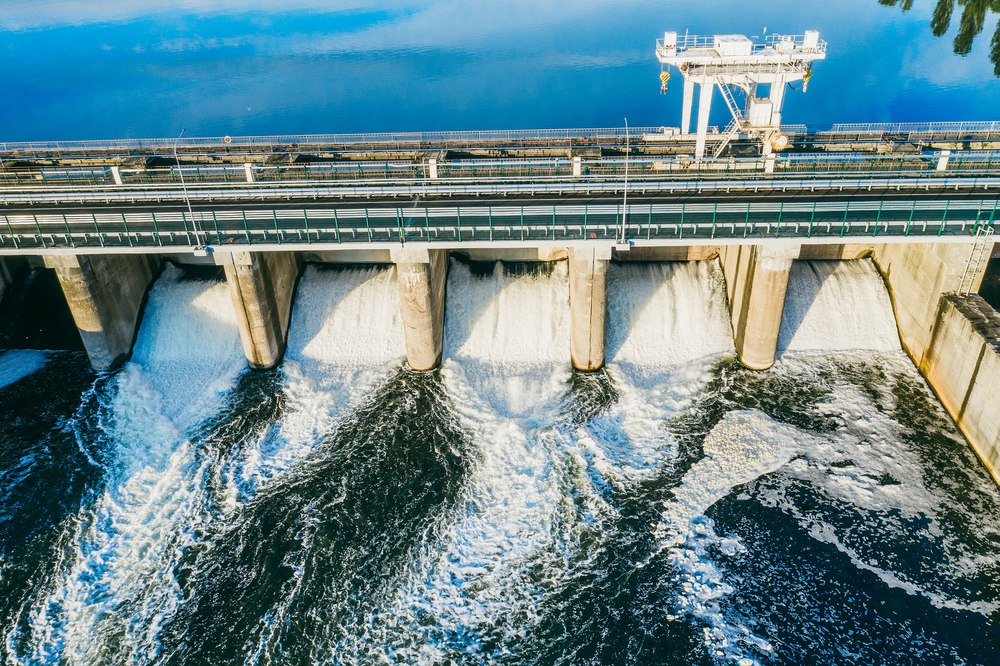
Uzbekistan is planning a major expansion of its hydropower sector, with 73 new projects worth $5.8 billion scheduled for implementation between 2026 and 2032, officials said during a presentation to Shavkat Mirziyoyev. According to the briefing, the country aims to add 3.6 gigawatts of new generating capacity as part of efforts to diversify its energy mix. Currently, most of Uzbekistan’s electricity is produced from natural gas and coal, while hydropower accounts for only about 10-12%. Officials emphasized that Uzbekistan’s extensive water network, more than 150,000 kilometers of rivers, canals, and streams, represents a largely untapped energy resource. Expanding hydropower is seen as key to improving energy stability, reducing dependence on fossil fuels, and making more efficient use of water. The sector has already seen significant growth in recent years. The number of hydroelectric power plants has increased from 36 in 2017 to 100 in 2025, while installed capacity has risen from 1.6 gigawatts to 2.4 gigawatts. Among the projects discussed, the Upper Pskem hydropower plant in the Bostanlyk district stands out. With an investment of $365 million, it is expected to generate 160 megawatts of electricity and supply power to around 161,000 households. In the Fergana region, a 15-megawatt plant is planned in the Sokh district, which is expected to cover 71% of local electricity demand. Authorities also reviewed the potential for constructing 42 small hydropower plants in the Upper Tupalang area, which could add 541 megawatts of capacity and generate up to 1.9 billion kilowatt-hours annually. In addition, nearly 3,000 small and micro hydropower plants are planned, with a combined capacity of 164 megawatts. This year alone, 13 hydropower plants and one wind power facility are expected to come online, with a total capacity of 114 megawatts and annual generation of 537 million kilowatt-hours. A 20-megawatt wind project is also under construction in Bostanlyk with $28 million in grant funding. Officials said Uzbekistan is also considering the construction of three pumped-storage hydropower plants with a combined capacity of 1.4 gigawatts, which would help balance electricity supply and demand. The presentation highlighted ongoing efforts to modernize the sector through digital technologies. More than 3,500 monitoring devices have already been installed to track water levels, weather conditions, and infrastructure performance in real time. The plans build on earlier developments in the sector. Last year, Uzbekistan launched the first stage of the Naryn hydropower cascade, a project valued at over $428 million. The initial plant, built using domestic materials and equipment, produces 171 million kilowatt-hours annually and supplies electricity to around 430,000 households.