• KGS/USD = 0.01144 0%
  • KZT/USD = 0.00201 0%
  • TJS/USD = 0.10486 0.48%
  • UZS/USD = 0.00008 0%
  • TMT/USD = 0.28571 0%
  • KGS/USD = 0.01144 0%
  • KZT/USD = 0.00201 0%
  • TJS/USD = 0.10486 0.48%
  • UZS/USD = 0.00008 0%
  • TMT/USD = 0.28571 0%
  • KGS/USD = 0.01144 0%
  • KZT/USD = 0.00201 0%
  • TJS/USD = 0.10486 0.48%
  • UZS/USD = 0.00008 0%
  • TMT/USD = 0.28571 0%
  • KGS/USD = 0.01144 0%
  • KZT/USD = 0.00201 0%
  • TJS/USD = 0.10486 0.48%
  • UZS/USD = 0.00008 0%
  • TMT/USD = 0.28571 0%
  • KGS/USD = 0.01144 0%
  • KZT/USD = 0.00201 0%
  • TJS/USD = 0.10486 0.48%
  • UZS/USD = 0.00008 0%
  • TMT/USD = 0.28571 0%
  • KGS/USD = 0.01144 0%
  • KZT/USD = 0.00201 0%
  • TJS/USD = 0.10486 0.48%
  • UZS/USD = 0.00008 0%
  • TMT/USD = 0.28571 0%
  • KGS/USD = 0.01144 0%
  • KZT/USD = 0.00201 0%
  • TJS/USD = 0.10486 0.48%
  • UZS/USD = 0.00008 0%
  • TMT/USD = 0.28571 0%
  • KGS/USD = 0.01144 0%
  • KZT/USD = 0.00201 0%
  • TJS/USD = 0.10486 0.48%
  • UZS/USD = 0.00008 0%
  • TMT/USD = 0.28571 0%

Viewing results 1 - 6 of 67

Kazakhstan Aims to Eliminate Energy Deficit and Begin Electricity Exports by 2027

Kazakhstan is on track to eliminate its domestic electricity deficit within the next year and transition from import reliance to surplus. According to projections by the Ministry of Energy, the country will fully meet internal demand by the end of the first quarter of 2027, and by 2029, it expects to maintain a stable surplus in both electricity and regulating capacity, laying the groundwork for future exports. Energy Minister Yerlan Akkenzhenov announced the plan during a meeting on the development of the electric power industry. At the close of 2025, Kazakhstan’s electricity generation totaled 123.1 billion kWh, while consumption reached 124.6 billion kWh, resulting in a deficit of over 1 billion kWh. However, this shortfall was less than half the 2 billion kWh gap recorded at the end of 2024, which was offset by imports from Russia, Uzbekistan, and Kyrgyzstan. Installed generation capacity increased over the year from 25.3 to 26.7 GW. While coal-fired power plants continue to dominate, accounting for 51.4% of output, the shares of gas (25.6%) and renewable energy (13.5%) are steadily growing. The Energy Ministry credits market liberalization for helping stabilize the power system. Over the past two years, nearly $1.8 billion in investment, mainly for capital repairs and modernization, has flowed into the sector. As a result, the number of technological violations has dropped by 27%, and nine combined heat and power (CHP) plants have exited the so-called “red zone.” Akkenzhenov noted that generating companies’ owners did not receive dividends, with all profits reinvested into asset renewal. This marks a strategic pivot from short-term profitability to long-term system reliability. Looking ahead to 2035, Kazakhstan plans to add over 26 GW in new generating capacity, including nuclear power. Simultaneously, the government is prioritizing upgrades to existing coal-fired plants using clean coal technologies. Key infrastructure projects include the 2,640 MW Ekibastuz GRES-3 station, a new 700 MW facility in Kurchatov, and CHP plants in Kokshetau, Semey, and Ust-Kamenogorsk. Contractors have been selected, and implementation is already underway. Despite this progress, systemic risks remain. Prime Minister Olzhas Bektenov has strongly criticized delays in the execution of energy projects. Nuclear power development has emerged as a distinct strategic priority. Kazakhstan plans to construct at least three nuclear power plants. Work on the first began last summer in partnership with Russia’s Rosatom, while two more are expected to be built with the involvement of the China National Nuclear Corporation (CNNC). President Kassym-Jomart Tokayev has described the development of nuclear energy as correcting a “historical absurdity.” Kazakhstan, one of the world’s leading uranium producers and exporters, has yet to use this resource to support its own energy needs.
Kazakhstan’s Fish Production Continues Upward Trend

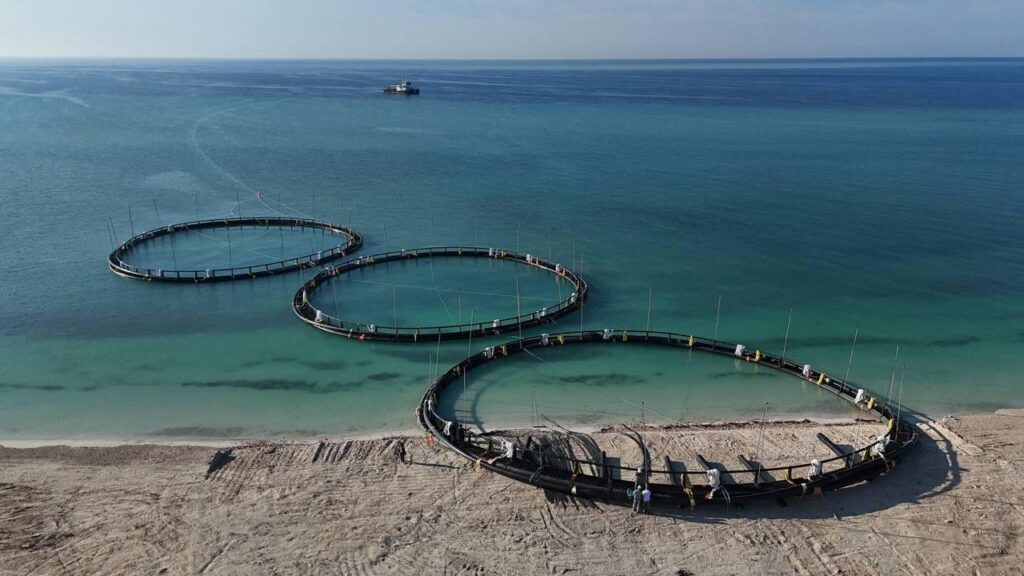
Kazakhstan’s fishing industry continues to show steady growth, reinforcing its role as a key contributor to economic development, job creation, and food security. According to the Ministry of Agriculture, Kazakhstan produced 76,800 tons of fish between January and November 2025, marking a 10% increase compared to the same period in 2024. Of this, 38,500 tons were sourced from natural water bodies, also a 10% rise, while aquaculture accounted for 20,900 tons, reflecting a 22% year-on-year increase. The country currently operates 72 fish processing plants with a combined annual capacity of around 120,000 tons. Of these, 20 facilities are certified to export to the European Union. Kazakhstan exports fish products to 21 countries, including Germany, the Netherlands, Russia, and China. In 2024, Kazakhstan exported 23,400 tons of fish products valued at $74.7 million. Data for 2025 is not yet available. During the first 11 months of 2025, the country produced 59,400 tons of processed fish products. This was supported by state-backed measures, including a 70% reduction in VAT and preferential loans at 5% annual interest, aimed at expanding the fish processing sector. Investment in the industry also continues to grow. Between 2021 and 2024, Kazakhstan implemented 87 aquaculture projects totaling 21.4 billion tenge (USD 41.9 million). An additional 4.6 billion tenge (USD 9 million) was invested in fisheries development during the first 11 months of 2025. One of the key projects under development is the modernization of the Atyrau Sturgeon Farm, which aims to increase the annual production of sturgeon fry from 5 million to 7.5 million. In 2025, 21.92 million juveniles of valuable fish species, including sturgeon, were released into natural and artificial water bodies across the country. With ongoing modernization of state-run hatcheries, total production capacity is expected to rise significantly from 18.4 million to 80.5 million fry per year. Kazakhstan’s fishing sector has entered a stage of sustainable growth. Increased government support, rising investment, and infrastructure modernization are laying a strong foundation for further expansion in fish production and processing, while also contributing to the conservation of aquatic ecosystems and improving access to high-quality fish products for the population.

Kazakhstan Meat Exports Surge in 2025

Kazakh meat producers surpassed their total 2024 export figures within the first 10 months of 2025, according to the Ministry of Agriculture. In 2024, Kazakhstan boosted exports of processed beef by 1.4 times to more than 22,000 tons, and lamb by 2.2 times to 18,000 tons. These milestones were exceeded in 2025. Between January and October, beef exports rose 1.7 times year-on-year to reach 30,200 tons, while lamb exports increased 1.9 times to 25,500 tons. “This growth is due to high demand for high-quality Kazakh meat from foreign partners,” the ministry stated. In 2025, the Ministry of Agriculture implemented several measures aimed at expanding export markets and strengthening Kazakhstan’s presence in the global meat trade. Negotiations with seven countries resulted in the signing of 16 veterinary certificates. New export channels were opened for a range of products, including: Milk, beef, lamb, poultry, honey, and fish to Azerbaijan Live cattle to Mongolia Animal feed to Morocco Hides and wool of ungulates to Iran Additionally, the European Union opened its market to Kazakhstani beekeeping products. Efforts are also underway to expand exports to 12 more countries, including Japan, Malaysia, South Korea, the UAE, Jordan, and Pakistan. Discussions are ongoing with Saudi Arabia, Qatar, the United Kingdom, Canada, and Hong Kong regarding potential exports of dairy products, feed, and honey. The ministry highlighted veterinary welfare as a cornerstone of Kazakhstan’s export strategy. A nationwide modernization program is currently in progress: 400 new veterinary stations have been constructed and 890 units of specialized equipment and machinery procured. A key development is the opening of a modern veterinary laboratory in East Kazakhstan, supported by China. This facility will help unlock exports of livestock products, including cattle hides, poultry meat, and by-products, to the Chinese market. Required protocols have been signed, and Kazakh enterprises have already passed the necessary inspections. As previously reported by The Times of Central Asia, Kazakhstan is also preparing to enter the Turkish market, where Kazakh beef prices could be roughly double those in China.

Kazakhstan to Permit Limited Saiga Horn Exports Under Strict Controls

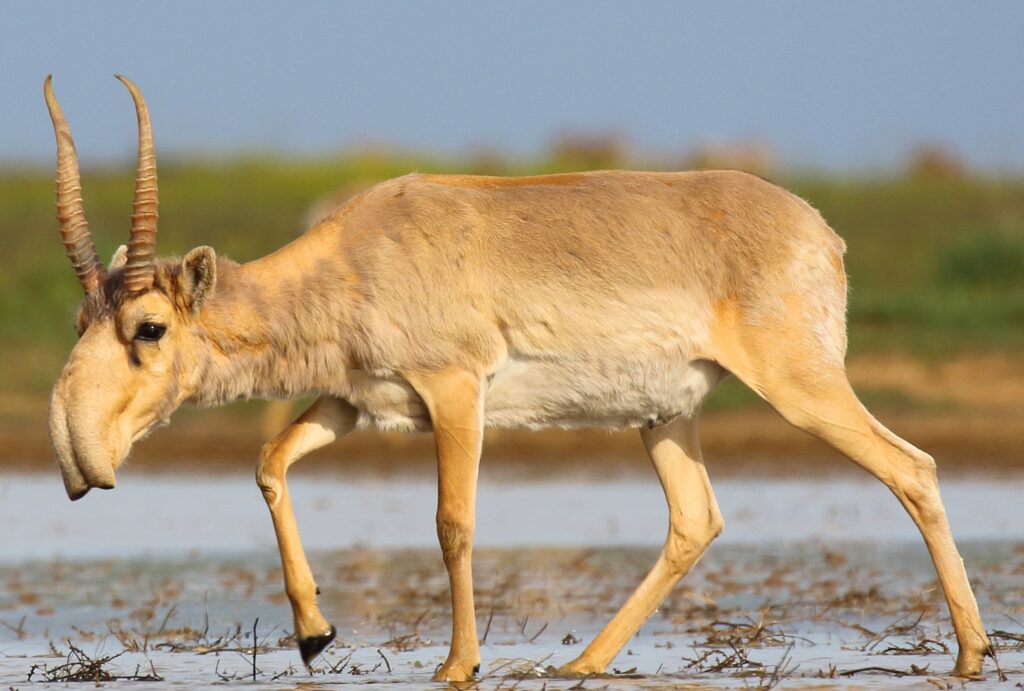
Kazakhstan plans to begin limited and strictly regulated exports of saiga antelope horns, according to the Ministry of Ecology and Natural Resources, as reported by Nege.Aqsha. Minister of Ecology Yerlan Nysanbayev emphasized that unrestricted trade is not under consideration. He stated that exports will be allowed only under rigorous regulation, with restrictions on both volume and export mechanisms. A three-year quota system is expected to be implemented. A critical condition for authorizing exports is the establishment of a traceability system. Kazakhstan aims to integrate its national tracking database with China’s, enabling the monitoring of saiga horn derivatives from the point of harvest to final processing. Nysanbayev noted that this system has been under development since 2023. All harvested saiga horns are currently microchipped and individually registered to minimize the risk of illegal trafficking. The legal basis for these potential exports stems from a decision at the 20th Conference of the Parties to the Convention on International Trade in Endangered Species of Wild Fauna and Flora (CITES), held in Samarkand from November 24 to December 5. While this decision does not trigger automatic exports, it provides Kazakhstan with a legal framework to manage regulated trade in accordance with international agreements. Simultaneously, the Ministry of Ecology has finalized a national roadmap for managing the saiga population. As of May 2025, Deputy Minister of Ecology Nurken Shabiev confirmed the roadmap's completion, although the accompanying biological justification was still under preparation. “As many as they are ready to process will be seized to prevent a repeat of last year's experience, when there was damage in some places,” a ministry spokesperson said. Between July and November 2025, approximately 196,000 saigas were culled in Kazakhstan, with the carcasses transferred to local processing facilities. Kazakhstan is home to three main saiga populations, Betpakdala, Ural, and Ustyurt which together account for more than 90% of the global saiga population. As of March 2025, the total population in Kazakhstan stood at 4.1 million, a dramatic increase from the historical high of 1.2 million during the Kazakh SSR period. The saiga antelope has been listed as critically endangered by the International Union for Conservation of Nature since 2002. A nationwide moratorium on hunting and trade in saiga parts remained in effect until 2024. However, the sharp population increase led authorities to transition from a blanket ban to a model of regulated harvesting. The renewed interest in saiga horn exports is also driven by persistent demand in traditional Chinese medicine, where the antlers are highly valued.

Turkmenistan Considers Cotton Exports to Kyrgyzstan

Turkmenistan is exploring the possibility of exporting cotton to Kyrgyzstan as part of a broader effort to jointly develop the textile industry, according to Danil Ibrayev, a member of the presidium of the Eurasian Economic Union (EAEU) Business Council and President of the Kyrgyz Union of Industrialists and Entrepreneurs. He shared the update during an interview with Birinchi Radio. Ibrayev noted that both countries are currently discussing practical mechanisms for supplying Turkmen cotton to Kyrgyz enterprises, where it would be processed into finished textile products. These products could then be sold domestically or exported, including to other EAEU member states. “Turkmenistan produces large volumes of cotton. We are now discussing how to organize its delivery to Kyrgyzstan and develop textile production here,” Ibrayev said. The initiative aligns with Kyrgyzstan’s strategy to revitalize its light industry by securing stable sources of raw materials. Turkmenistan, meanwhile, is seeking to diversify export routes for its agricultural commodities, with cotton remaining a vital component of its economy. Experts cited by local media suggest that such cooperation could deepen industrial integration within Central Asia and reduce dependence on textile imports from outside the region. With growing demand for locally produced goods and the expansion of import substitution policies, regional partnerships are gaining strategic significance. Last year, Kyrgyz officials emphasized the government's commitment to expanding domestic textile production and actively sourcing raw materials from neighboring states. Cotton processing was identified as one of the quickest pathways to job creation and increased exports through value-added manufacturing.

Kyrgyzstan Government Temporarily Bans Road Coal Exports as Shipments to China Surge

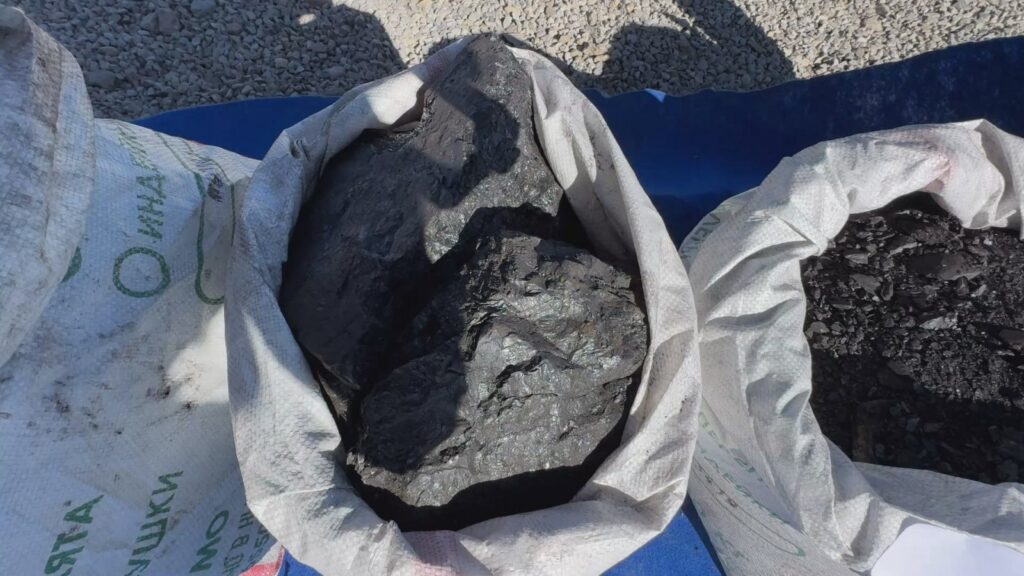
On December 3, the government of Kyrgyzstan imposed a six-month ban on the export of coal by road transport. The restriction aims to stabilize the domestic market amid rising demand and does not apply to shipments passing through the Irkeshtam and Torugart checkpoints on the border with China. Despite its environmental impact, coal remains a critical fuel source for winter heating in Kyrgyzstan, which continues to face chronic electricity shortages. In an effort to curb domestic price increases, the government introduced temporary state regulation of coal prices in September, effective for 90 days. While domestic needs remain high, coal is also a key export commodity. China has emerged as a growing destination for Kyrgyz coal, with exports reaching 11,600 tons in September 2025, the highest monthly volume recorded this year, according to China’s General Administration of Customs. Data from the National Statistics Committee of Kyrgyzstan shows that in 2024, the country exported 1.1 million tons of coal worth $52.7 million. Uzbekistan remained the largest buyer, importing 996,600 tons. However, exports to China surged to 118,200 tons, up from just 13,000 tons in 2023. In late November, Chairman of the Cabinet of Ministers Adylbek Kasymaliev visited the Torugart border checkpoint and the newly opened Torugart-1 coal mine, which began operations on November 12. Kyrgyzkomur OJSC, the national coal company, holds the exploration license for a 557.6-hectare section of the deposit in the At-Bashy District of Naryn Province. Total reserves are estimated at 423,400 tons. Kasymaliev instructed officials to ensure stable operations at the site and to initiate coal exports from the Torugart-1 mine as soon as possible.