Kazakhstan’s Ruslan Kurbanov on Reaching the World Fencing Elite
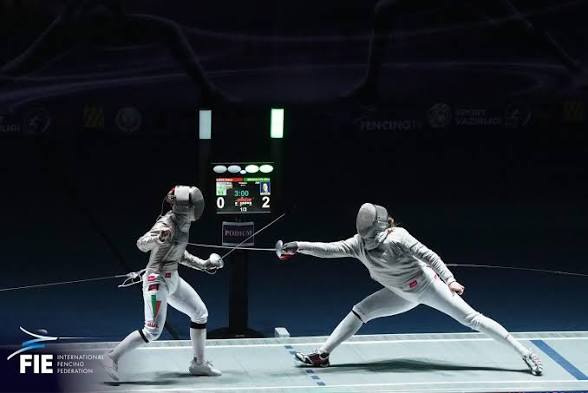
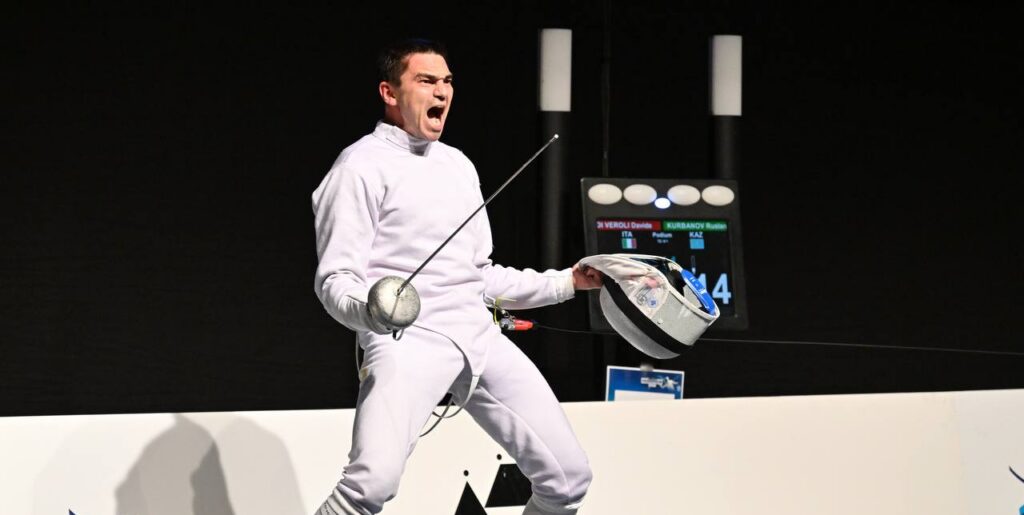
Ruslan Kurbanov is a Kazakhstani épée fencer, a Master of Sport of International Class in Kazakhstan, a World Cup medalist, a two-time World Championships bronze medalist, and a two-time Olympian. He began his journey in a children’s fencing club in Ust-Kamenogorsk and has since risen to fourth in the world rankings. Today, he competes on the biggest stages, where a single touch can decide the outcome of a bout and the pressure from the stands can be overwhelming. In an interview with The Times of Central Asia, he explains how he handles that pressure, maintains focus amid crowd noise, and stays in control when everything is at stake. TCA: Congratulations, you’ve already won two World Cup medals this year, gold and silver. That’s an impressive result. Ruslan: Thank you. I’m pleased with these medals because, in reality, very few athletes can deliver consistent results across two consecutive competitions. TCA: How did you manage it? Ruslan: With experience, you gradually learn more about your body and how to prepare for competitions. You also become more familiar with the fencing world, you get to know many athletes, understand their strengths and weaknesses, study them, and prepare accordingly. Over time, you mature as an athlete and become more consistent. You develop a clear understanding of the level of results you are capable of. [caption id="attachment_47744" align="aligncenter" width="300"] @kazfencing.kz[/caption] TCA: You won silver in Astana. Do home conditions give you an advantage? Ruslan: There are two sides to that. On the one hand, the advantages are obvious: you’re at home, with familiar food, climate, and time zone, all of which help you prepare in a comfortable environment. On the other hand, there is pressure. When you compete at home, people expect you to deliver your best result. TCA: So winning a medal was a must? Ruslan: Of course. But I also had another goal. This was the first World Cup event held in Kazakhstan, and I understood that many local spectators would attend, perhaps seeing fencing for the first time. First impressions are crucial. People either fall in love with the sport or they don’t. For me, it was important to present fencing at its best, dynamic, exciting, and worthy. Maybe “present” is too strong a word, but I wanted people, especially children, to feel inspired, to have that spark. When kids see victories and the emotions athletes experience afterward, they start thinking, “I want that too,” and they come into the sport. TCA: Do you think you managed to inspire them? Ruslan: I hope so. After the final, when I stepped off the piste, many children came up to me, and parents asked for photos and autographs. It’s very rewarding to see that it resonated with someone and may have stayed with them. TCA: You were ranked seventh in the world? Ruslan: Now I’m fourth. After the tournament in Astana, I moved up to fourth place. TCA: In the final, you lost only to Ukraine’s Roman Svichkar. Do they have a particularly strong...