• KGS/USD = 0.01144 0%
  • KZT/USD = 0.00202 0%
  • TJS/USD = 0.10563 -0.09%
  • UZS/USD = 0.00008 0%
  • TMT/USD = 0.28490 0%
  • KGS/USD = 0.01144 0%
  • KZT/USD = 0.00202 0%
  • TJS/USD = 0.10563 -0.09%
  • UZS/USD = 0.00008 0%
  • TMT/USD = 0.28490 0%
  • KGS/USD = 0.01144 0%
  • KZT/USD = 0.00202 0%
  • TJS/USD = 0.10563 -0.09%
  • UZS/USD = 0.00008 0%
  • TMT/USD = 0.28490 0%
  • KGS/USD = 0.01144 0%
  • KZT/USD = 0.00202 0%
  • TJS/USD = 0.10563 -0.09%
  • UZS/USD = 0.00008 0%
  • TMT/USD = 0.28490 0%
  • KGS/USD = 0.01144 0%
  • KZT/USD = 0.00202 0%
  • TJS/USD = 0.10563 -0.09%
  • UZS/USD = 0.00008 0%
  • TMT/USD = 0.28490 0%
  • KGS/USD = 0.01144 0%
  • KZT/USD = 0.00202 0%
  • TJS/USD = 0.10563 -0.09%
  • UZS/USD = 0.00008 0%
  • TMT/USD = 0.28490 0%
  • KGS/USD = 0.01144 0%
  • KZT/USD = 0.00202 0%
  • TJS/USD = 0.10563 -0.09%
  • UZS/USD = 0.00008 0%
  • TMT/USD = 0.28490 0%
  • KGS/USD = 0.01144 0%
  • KZT/USD = 0.00202 0%
  • TJS/USD = 0.10563 -0.09%
  • UZS/USD = 0.00008 0%
  • TMT/USD = 0.28490 0%
20 February 2026

Viewing results 1 - 6 of 15

Mangistau Region Aims to Replace Up to 60% of Kazakhstan’s Salmon Imports

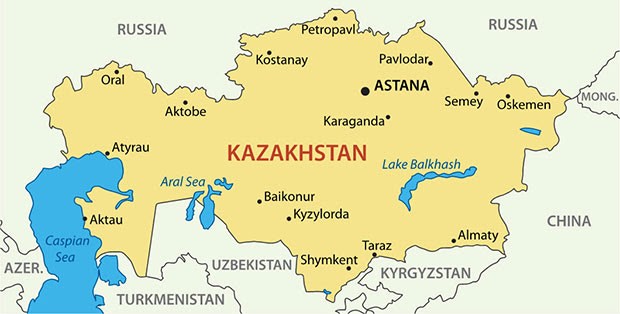
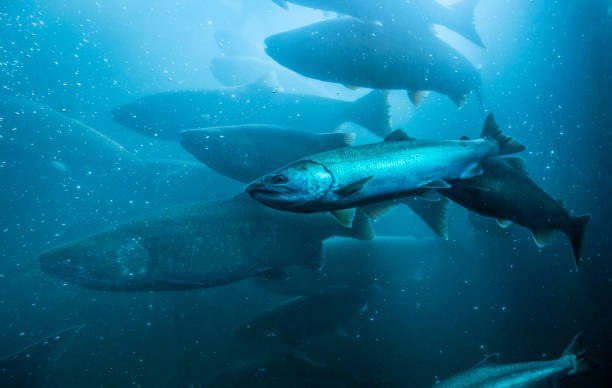
Authorities in Kazakhstan’s Mangistau region, located on the Caspian Sea coast, have announced plans to significantly expand domestic salmon farming, with the aim of replacing up to 60% of the country's salmon imports within five years. At a press conference in Astana, regional governor Nurdaulet Kilybay said fisheries are emerging as a key pillar in efforts to diversify the regional economy. Between 2025 and 2027, four major aquaculture projects are planned, including the industrial farming of marine salmon species in offshore cage systems. Currently, Kazakhstan imports over 8,000 tons of salmon annually, primarily from European suppliers. “Next year, by producing 1,300 tons of salmon, we will reduce imports by about 16%. By 2029, we aim to increase production to 5,000 tons, which will replace about 60% of the country’s imports,” Kilybay said. Kazakhstan’s Ministry of Agriculture has previously highlighted cage fish farming, raising fish in controlled, semi-open water environments, as one of the most promising aquaculture formats in the country. A flagship project in Mangistau is being implemented by Organic Fish LLP, with a planned capacity of 5,000 tons of sea trout per year. The company has received preferential financing for equipment and sea cage installation. In autumn, approximately 10,000 juvenile trout were released into the Caspian Sea, with some expected to reach market size by next year. Since 2021, 44 cage farms have been launched across Kazakhstan, concentrated in the East Kazakhstan, Almaty, and Turkestan regions. Of the country’s total annual fish production, estimated at 20,000 tons, about 3,500 tons now come from cage farming. By 2027, 39 new aquaculture projects are planned under the national fisheries development strategy. In total, roughly 600 fish farms of various types currently operate across the country. According to official data, Kazakhstan’s fish market grew by 9.3% in 2024, reaching 96,600 tons, up from 88,300 tons the previous year. However, exports declined by 11% to 23,400 tons, despite consistent demand for Kazakhstani fish in over 20 countries. The drop has been attributed to changes in logistics and rising delivery costs to the European Union. As previously reported by The Times of Central Asia, a new fish processing facility opened in the Kyzylorda region in October, marking another milestone in the recovery of Kazakhstan’s fishing industry, including in the Aral Sea basin.

Kyrgyzstan Builds National Center for Aquaculture and Fisheries Development

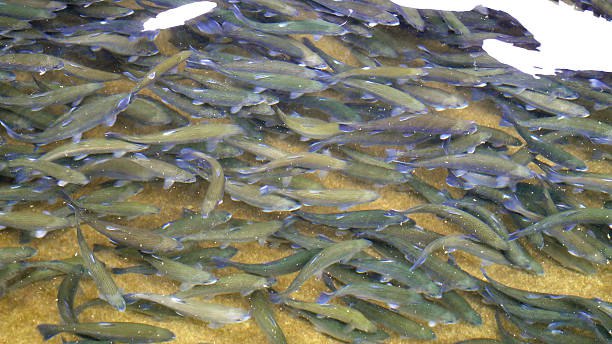
Construction of Kyrgyzstan’s National Center for the Development of Aquaculture and Fisheries is underway in the village of Bokonbaevo on the southern shore of Lake Issyk-Kul. The project is a joint initiative of the Kyrgyz Ministry of Water Resources, Agriculture, and Processing Industry and the Korea Maritime Institute. The center will provide training in fish farming technologies for farmers, students, and researchers. According to the ministry, a well has been drilled to a depth of 180 meters, and pumping equipment and water purification systems have been installed to supply water for the center’s incubation workshop. The facility is scheduled for completion by December 2026. It will include fish incubation workshops, laboratories, residential quarters, a canteen, and other necessary infrastructure. The center is designed to boost Kyrgyzstan’s fishing industry. Currently, the country produces about 30,000 tons of fish annually, of which only 5,000 tons are exported. However, experts estimate that Kyrgyzstan has the capacity to produce up to 105,000 tons and export 50,000 tons of fish. According to official statistics, in 2023, Kyrgyzstan produced 33,600 tons of fish and exported 5,556 tons of fish and fish products, mainly to Russia, Kazakhstan, Uzbekistan, and Lithuania. Fish farming in Kyrgyzstan, particularly trout production, is carried out in artificial ponds and fishery farms at lakes Issyk-Kul and Son-Kul.

Kazakhstan Reveals Fish Industry Plans

Kazakhstan’s fishing industry and its future development were the focus of a meeting held at the Ministry of Agriculture on December 28. Minister Aidarbek Saparov acknowledged that the sector’s current results fall short of expectations and called for intensified efforts across all areas​. A key announcement from the meeting was the planned modernization of the Atyrau sturgeon plant on Kazakhstan’s Caspian coast. The facility, which was commissioned in 1998, has not undergone major repairs since its establishment. Renovation work is scheduled to begin in the spring of 2025. The meeting also addressed strategies for developing fishing in the Caspian Sea. This includes increasing catch limits for sprat, as commercial sprat fishing has recently resumed in Kazakhstan's section of the sea. However, participants emphasized the need for comprehensive studies on the migration patterns of marine fish species to fully capitalize on the Caspian's fishing potential​. Efforts are underway to introduce preferential lending and leasing for sea fishing vessels. These measures aim to boost the total volume of Caspian fish production to 70,000 tons - a more than 1.5-fold increase - by 2025. Aquaculture, or fish farming, is another key area of focus. The government is providing subsidies for purchasing young fish, fodder, and medicines, as well as reimbursing 25% of investment costs for establishing fish farms and acquiring equipment. Kazakhstan’s parliament has approved the first reading of the “On Aquaculture” bill, which aims to expand state support for fish farming. The legislation includes provisions for allocating reservoirs and ponds to large investors and subsidizing water supply costs. These measures are expected to lead to a 25% increase in the number of fish farms by 2027, rising from 560 in 2024 to 700. Additionally, fish farm production is projected to grow from 20,000 tons to 50,000 tons per year. The initiatives discussed at the meeting reflect Kazakhstan’s commitment to revitalizing its fishing industry through modernization, financial support, and legislative reforms. By combining efforts in both marine and aquaculture sectors, the country aims to achieve sustainable growth while leveraging the vast potential of its fishing resources.

Kazakhstan Takes Bold Steps to Revive Caspian Sea Fishing Industry

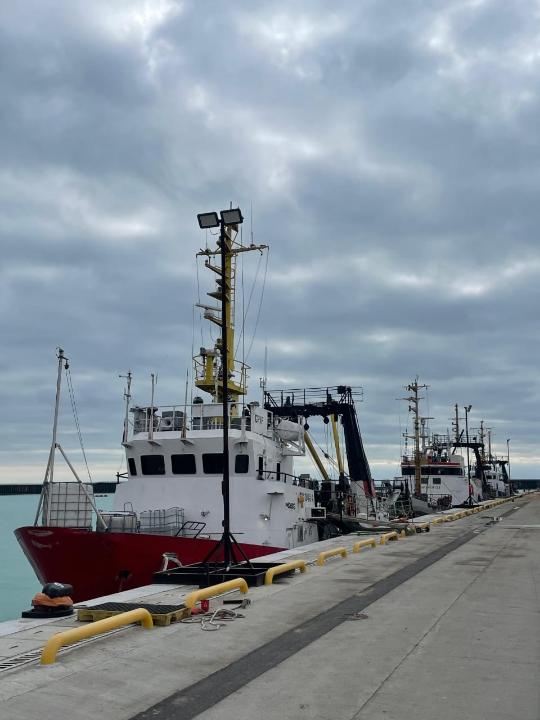
For the first time in over 30 years, commercial fishing has resumed in Kazakhstan’s section of the Caspian Sea. On December 20, Deputy Minister of Agriculture Amangaliy Berdalin attended the ceremonial departure of fishing boats targeting sprat from the port of Sarzha in the village of Kuryk, located in the Mangistau region. Commercial fishing in the Mangistau region was active before 1991 but declined after the dissolution of the Soviet Union. Its revival is part of Kazakhstan’s broader efforts to develop a sustainable fishing industry and bolster food security. One of the first steps in this revival was the purchase of two fishing vessels by Aktau Balyk Company LLP. The company aims to catch approximately 10,000 tons of Caspian sprat annually, providing this resource to the domestic market. Plans are already underway to expand operations. Next year, Aktau Balyk intends to acquire four additional vessels, increasing its fleet and boosting its annual catch volume to 30,000 tons. The government’s commitment to revitalizing the fishing industry is underscored by the Program for the Development of Fisheries until 2030. This initiative prioritizes fish farming as a cornerstone of the sector's growth. According to the program: Kazakhstan aims to produce 270,000 tons of fish annually through fish farming by 2030. The government seeks to increase domestic fish consumption to 134,000 tons annually. Fish imports are targeted to drop from 45,000 tons to 25,000 tons annually. This strategic push signals Kazakhstan’s determination to establish a thriving fishing industry to meet domestic demand and position the country as a competitive player in the regional seafood market.

Kyrgyzstan makes gains towards profitable aquaculture sector

BISHKEK (TCA) — As a landlocked country infused with rivers, springs and freshwater lakes, including the world’s second-largest high-mountain lake, Issyk-Kul, Kyrgyzstan has an abundance of freshwater resources for aquaculture. Having realized this, the country has been making its path, with the help of the UN Food and Agriculture Organization (FAO), to develop this to a full-scale industry. Continue reading

Kazakhstan developing fish and food industry in Aral Sea region

ASTANA (TCA) — On March 29, as part of his working trip to the Kyzylorda province, Kazakh Prime Minister Bakytzhan Sagintayev saw the development of local fish and food industry through the example of a fish processing plant in the city of Aralsk and Araltuz salt plant in the Aral Sea region, the official website of the Prime Minister of Kazakhstan reported. Continue reading