• KZT/USD = 0.00218
  • TJS/USD = 0.10800
  • UZS/USD = 0.00008
  • TMT/USD = 0.29850
  • KZT/USD = 0.00218
  • TJS/USD = 0.10800
  • UZS/USD = 0.00008
  • TMT/USD = 0.29850
  • KZT/USD = 0.00218
  • TJS/USD = 0.10800
  • UZS/USD = 0.00008
  • TMT/USD = 0.29850
  • KZT/USD = 0.00218
  • TJS/USD = 0.10800
  • UZS/USD = 0.00008
  • TMT/USD = 0.29850
  • KZT/USD = 0.00218
  • TJS/USD = 0.10800
  • UZS/USD = 0.00008
  • TMT/USD = 0.29850
  • KZT/USD = 0.00218
  • TJS/USD = 0.10800
  • UZS/USD = 0.00008
  • TMT/USD = 0.29850
  • KZT/USD = 0.00218
  • TJS/USD = 0.10800
  • UZS/USD = 0.00008
  • TMT/USD = 0.29850
  • KZT/USD = 0.00218
  • TJS/USD = 0.10800
  • UZS/USD = 0.00008
  • TMT/USD = 0.29850
28 November 2026

Viewing results 1 - 6 of 38

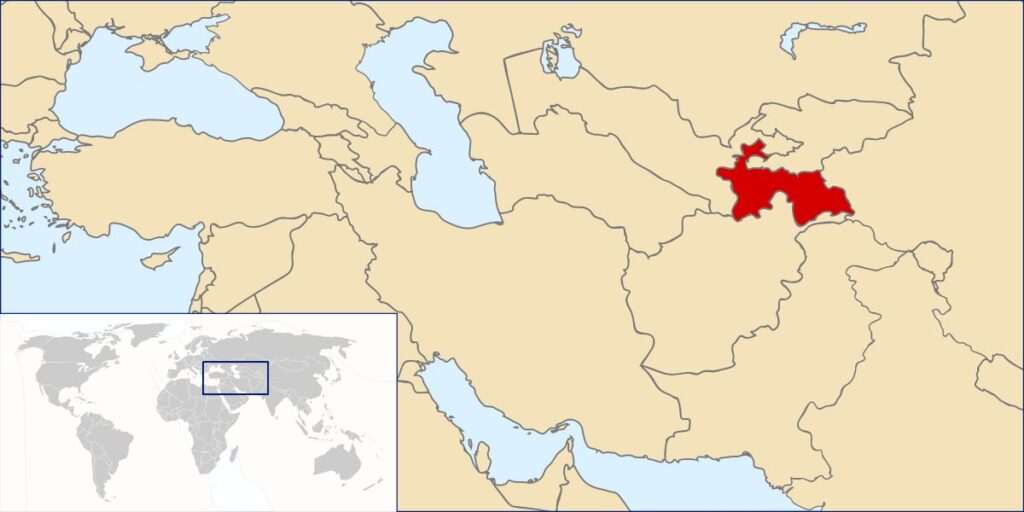
WFP to Help Tajikistan Strengthen Food Security

The United Nations World Food Programme (WFP) and the Government of Tajikistan on December 14th signed a Memorandum of Understanding (MoU) to deepen their cooperation on addressing food and nutrition security for 2023 to 2026, the UNDP website stated. The MoU was signed by Adham Musallam, the WFP Representative and Country Director in Tajikistan, and Sirojiddin Muhriddin, the Minister of Foreign Affairs of the Republic of Tajikistan. “The new CSP, valued at U$ 91 million, is designed to support the government’s priorities for achieving food security and broadening access to high-quality nutrition by 2030,” said WFP Representative Musallam. “Under the new CSP, the emphasis will be on supporting livelihoods, improving agricultural production, enhancing health, education, and nutrition, as well as strengthening national institutions and systems.” This MoU sets the foundation for the WFP Tajikistan Country Strategic Plan (CSP) 2023–2026, which harmonizes with the nation’s objectives in enhancing food and nutrition security, bolstering capacities, and offering technical aid to the government’s social protection initiatives.

ADB to Help Improve Agribusiness Value Chains in Kyrgyzstan

As per a press release on its website, on December 7th the Asian Development Bank (ADB) has said it is providing a $20 million loan and a $20 million grant to the Kyrgyz Republic to help small and medium-sized agribusinesses improve their processing and storage capacity and reduce post-harvest handling losses through inclusive, resilient, and climate-adaptive horticultural value chains. “The project will enhance the resilience of farmers, including women, against market volatility, natural hazards and climate change, and increase household and national food security,” said ADB Director General for Central and West Asia, Yevgeniy Zhukov. “By equipping them with climate-smart agricultural technologies and strengthening value chains, farmers and all stakeholders along the value chains will be able to minimize resource cost and increase profitability.” The Climate-Resilient Agricultural Value Chain Development Project will provide long-term funds to qualified participating financial institutions to extend structured loans for horticulture value chain investments, including fruit and vegetables. Aiyl Bank, the most prominent bank financing the country’s agriculture sector, has been selected as the first financial institution to participate in this project. “About 80% of small businesses in the Kyrgyz Republic are currently funded by family, friends, and informal sources,” said ADB Principal Natural Resources and Agriculture Specialist, Giap Minh Bui. “To stimulate private investment in modernizing agricultural value chains, it is critical that local banks have access to stable long-term funding sources and offer a range of term-lending products that are appropriate for and affordable to horticulture entrepreneurs, including women.” Aside from establishing modern processing, storage and refrigerated facilities, the project will also help establish contract farming arrangements between farmers and processors and/or exporters; train women business-owners; and implement measures to facilitate cross-border trade and branding for products that are unique to the Kyrgyz Republic. These measures aim to increase profitability for horticultural producers and agribusiness enterprises, and strengthen market linkages to increase national food security.