• KZT/USD = 0.00226
  • TJS/USD = 0.10820
  • UZS/USD = 0.00009
  • TMT/USD = 0.29760
  • KZT/USD = 0.00226
  • TJS/USD = 0.10820
  • UZS/USD = 0.00009
  • TMT/USD = 0.29760
  • KZT/USD = 0.00226
  • TJS/USD = 0.10820
  • UZS/USD = 0.00009
  • TMT/USD = 0.29760
  • KZT/USD = 0.00226
  • TJS/USD = 0.10820
  • UZS/USD = 0.00009
  • TMT/USD = 0.29760
  • KZT/USD = 0.00226
  • TJS/USD = 0.10820
  • UZS/USD = 0.00009
  • TMT/USD = 0.29760
  • KZT/USD = 0.00226
  • TJS/USD = 0.10820
  • UZS/USD = 0.00009
  • TMT/USD = 0.29760
  • KZT/USD = 0.00226
  • TJS/USD = 0.10820
  • UZS/USD = 0.00009
  • TMT/USD = 0.29760
  • KZT/USD = 0.00226
  • TJS/USD = 0.10820
  • UZS/USD = 0.00009
  • TMT/USD = 0.29760
28 September 2026

Viewing results 1 - 6 of 35

Kyrgyzstan Reports Price Increases for Consumer Goods

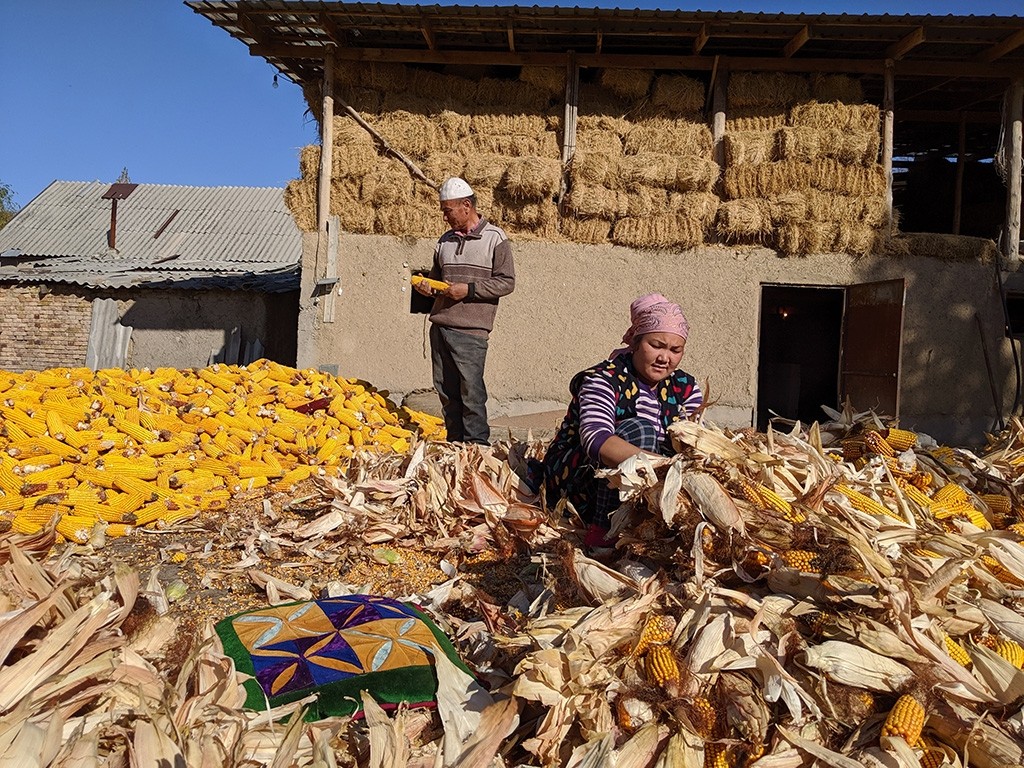
According to the National Statistical Committee of Kyrgyzstan, prices for meat, alcoholic beverages, and tobacco products have risen significantly. The largest price increases were observed in Bishkek and the Issyk-Kul region. “Prices for alcoholic beverages and tobacco products, food products, and tariffs for services rendered to the population have increased. At the same time, prices for food products and non-alcoholic beverages decreased,” Deputy Chairman of the Statistical Committee Baktybek Shokenov told a press conference in Bishkek. He said prices fell for fresh fruits and vegetables, cereals, raw milk, eggs, and vegetable oil in the first eight months of 2024. On the contrary, prices for meat, fish, potatoes, salt, rice, cottage cheese, flour of the highest grade, pasteurized milk, sugar, and butter increased significantly. Kyrgyz people have recently complained about a sharp rise in meat prices. Some reports say they have risen by 100 KGS ($1.2) per kilo in six months. The main reason for the sharp rise in meat prices is increased exports; because Kyrgyz meat prices abroad are higher than domestic prices, domestic prices are also rising. Most meat products are exported to neighboring Uzbekistan. Today, a kilogram of beef costs about 650-680 KGS ($8) in the bazaar, although half a year ago, it cost 550-600 KGS ($6-6.5).

EU and FAO Aid Uzbekistan’s Management of Hazardous Chemicals

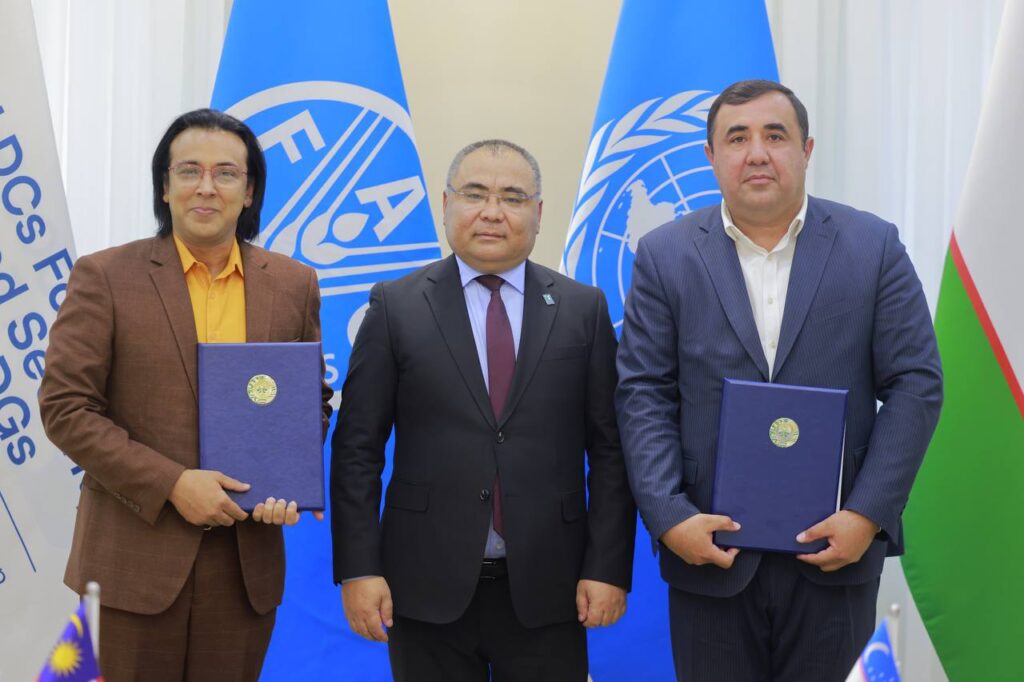
On 1 May, the Food and Agriculture Organization of the United Nations (FAO) and the Ministry of Ecology, Environmental Protection and Climate Change of Uzbekistan held an inception workshop in Tashkent on technical assistance for the sound management of hazardous chemicals. The joint venture, implemented with financial support from the European Union, is designed to enhance the effectiveness of mechanisms and tools for the management of hazardous chemicals and related waste. A key goal cited by the EU Delegation to Uzbekistan, is to reduce the use of dangerous pesticides in agriculture, through the introduction and promotion of alternative methodologies amongst farmers. Aziz Abdukhakimov, Minister of Ecology, Environmental Protection and Climate Change, stressed that by actively striving to reduce the use of highly hazardous pesticides, Uzbekistan aims to lower their adverse impact on the nation’s health and environment, in addition to making a significant contribution to  UN Sustainable Development Goals. Regarding plans to address the issue, he  announced, “We need to revise our inventory of contaminated areas of former agricultural airfields and other sites, the last of which, was carried out in the ‘90s when more than 450 former agricultural airfields were identified.” Praising the move, Wim Riepma, Head of Cooperation Section, EU Delegation to Uzbekistan, stated: "Our partnership with the Government of Uzbekistan and FAO exemplifies a collective commitment to protecting the environment and public health, by cleaning up legacy waste, by improving waste management, and by reducing pesticide waste production. Integrated pest management and awareness of health and environmental risks are key to a healthier, environment- friendly and economically viable agriculture sector.” Sherzod Umarov, Assistant FAO Representative in Uzbekistan, likewise emphasized, "The project implementation will enable an improved institutional capacity for sound pesticide management and better data on hazardous wastes in agriculture allowing development of a national waste management strategy. The project also aims to scale up green practices in the agricultural sector leading to reduced risks to farmers and consumers from the use of pesticides and to food production relying on less toxic pesticides and biological protection tools.”  

USAID for Cold Storage Facility in South Kyrgyzstan

The U.S. Embassy in Bishkek has announced that equipment valued at over $78,000 has been provided by the U.S. to Kyrgyz company SFN International LLC to open a modern cold storage facility in Jalal-Abad in southern Kyrgyzstan. Ynakbek Abylkasymov, head of SFN International LLC, reported that the new facility’s 1,100 metric ton storage capacity, will enable the company to purchase more produce from farmers and offer cleaning, sorting, packing, and storage services. Referring to benefits afforded to 700 households in the rural south, through improvements of food security, he stated, “The facility will help farmers to reduce waste, improve agriculture quality, and boost income by around 150%. In addition, we plan to create 200 new jobs and help businesses export high-quality fresh produce and dried fruits.” The equipment was provided by the U.S. Agency for International Development (USAID) through its Agro Trade Activity and in tandem with other U.S.-supported cold storage facilities throughout Kyrgyzstan, will help reduce waste, extend the shelf- life of perishables, maintain market stability, and ensure a reliable and consistent supply of food throughout the year. Commenting on the success of projects to date, James Lykos, Director of USAID/Kyrgyzstan Economic Development Office, said, “Since 2018, the U.S. government has been partnering with Kyrgyz firms to establish over 20 new cold storage facilities in the Kyrgyz Republic’s southern regions. These facilities have a total storage capacity of 12,500 tons, more than doubling the storage capacity in the region, decreasing food spoilage by 40% and creating new income-generating activities for over 4,000 farmers.”

WFP to Help Tajikistan Strengthen Food Security

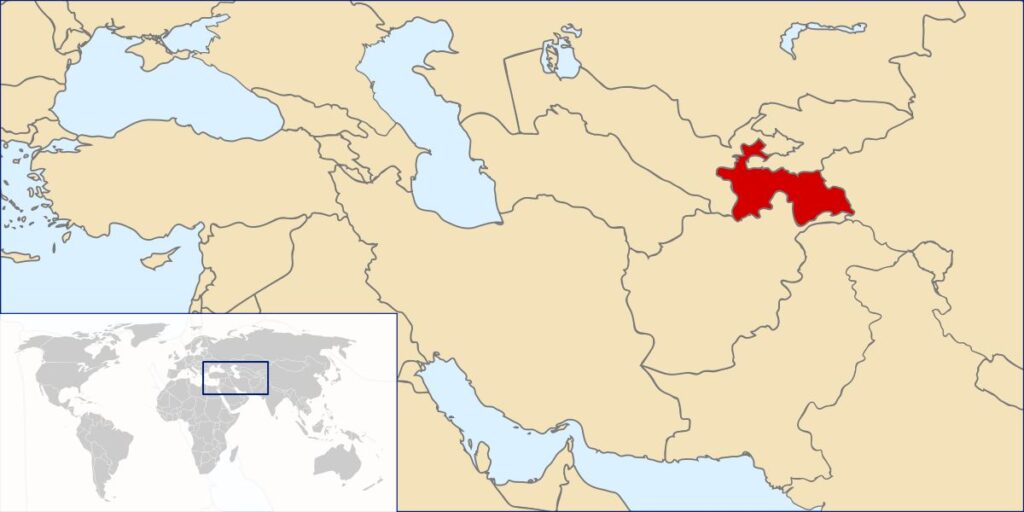
The United Nations World Food Programme (WFP) and the Government of Tajikistan on December 14th signed a Memorandum of Understanding (MoU) to deepen their cooperation on addressing food and nutrition security for 2023 to 2026, the UNDP website stated. The MoU was signed by Adham Musallam, the WFP Representative and Country Director in Tajikistan, and Sirojiddin Muhriddin, the Minister of Foreign Affairs of the Republic of Tajikistan. “The new CSP, valued at U$ 91 million, is designed to support the government’s priorities for achieving food security and broadening access to high-quality nutrition by 2030,” said WFP Representative Musallam. “Under the new CSP, the emphasis will be on supporting livelihoods, improving agricultural production, enhancing health, education, and nutrition, as well as strengthening national institutions and systems.” This MoU sets the foundation for the WFP Tajikistan Country Strategic Plan (CSP) 2023–2026, which harmonizes with the nation’s objectives in enhancing food and nutrition security, bolstering capacities, and offering technical aid to the government’s social protection initiatives.

ADB to Help Improve Agribusiness Value Chains in Kyrgyzstan

As per a press release on its website, on December 7th the Asian Development Bank (ADB) has said it is providing a $20 million loan and a $20 million grant to the Kyrgyz Republic to help small and medium-sized agribusinesses improve their processing and storage capacity and reduce post-harvest handling losses through inclusive, resilient, and climate-adaptive horticultural value chains. “The project will enhance the resilience of farmers, including women, against market volatility, natural hazards and climate change, and increase household and national food security,” said ADB Director General for Central and West Asia, Yevgeniy Zhukov. “By equipping them with climate-smart agricultural technologies and strengthening value chains, farmers and all stakeholders along the value chains will be able to minimize resource cost and increase profitability.” The Climate-Resilient Agricultural Value Chain Development Project will provide long-term funds to qualified participating financial institutions to extend structured loans for horticulture value chain investments, including fruit and vegetables. Aiyl Bank, the most prominent bank financing the country’s agriculture sector, has been selected as the first financial institution to participate in this project. “About 80% of small businesses in the Kyrgyz Republic are currently funded by family, friends, and informal sources,” said ADB Principal Natural Resources and Agriculture Specialist, Giap Minh Bui. “To stimulate private investment in modernizing agricultural value chains, it is critical that local banks have access to stable long-term funding sources and offer a range of term-lending products that are appropriate for and affordable to horticulture entrepreneurs, including women.” Aside from establishing modern processing, storage and refrigerated facilities, the project will also help establish contract farming arrangements between farmers and processors and/or exporters; train women business-owners; and implement measures to facilitate cross-border trade and branding for products that are unique to the Kyrgyz Republic. These measures aim to increase profitability for horticultural producers and agribusiness enterprises, and strengthen market linkages to increase national food security.