Opinion: China-Kyrgyzstan-Uzbekistan Railway: Turning Transit Into Local Benefits
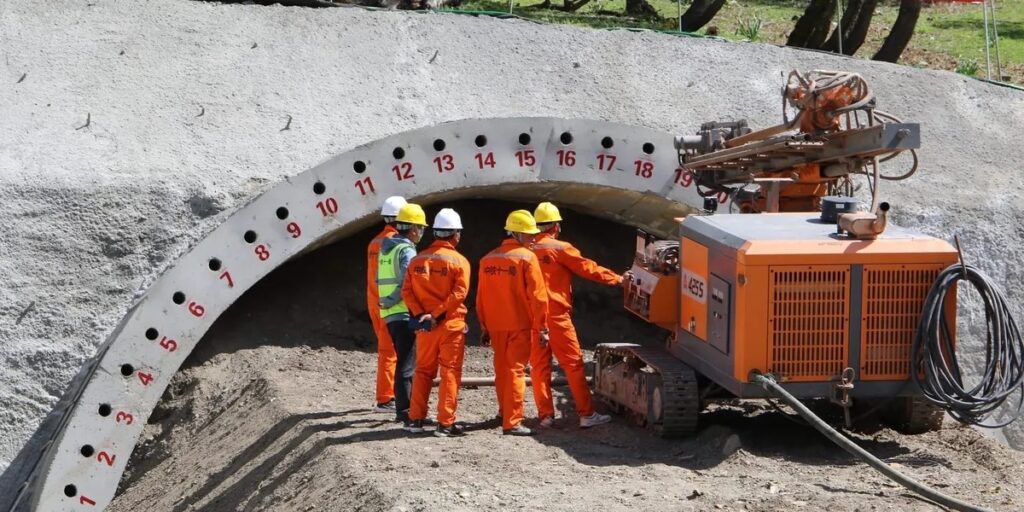
At the eighth Consultative Meeting of the Heads of State of Central Asia and Azerbaijan on October 8, 2026, Azerbaijan joined the forum as a full member after three years of participation as a guest of honor. President Ilham Aliyev stated that “Transport is one of the primary areas of cooperation between Central Asia and Azerbaijan”. Uzbekistan’s President Shavkat Mirziyoyev called for comprehensive infrastructure along the routes, with logistics hubs and service centers supporting production facilities and industrial zones to generate economic activity around the transport corridors. Construction of the China-Kyrgyzstan-Uzbekistan railway is among Uzbekistan’s transport priorities and is important for Kyrgyzstan, making this “integrated transport corridor development” approach particularly relevant. Construction of the China-Kyrgyzstan-Uzbekistan railway (also known as the Kashgar-Torugart-Makmal-Jalal-Abad-Andijan railway) has been underway since December 2024. Public discussion of the project focuses mainly on shorter routes linking China and Central Asia with the Middle East and Europe, and on the line’s design carrying capacity. However, growth in transit traffic does not in itself guarantee economic benefits for the Naryn and Jalal-Abad regions of Kyrgyzstan or the Andijan region of Uzbekistan. Local economic impact depends on whether freight services and tariff policy allow small shippers to use the railway’s stations. Border delays can limit those benefits, as can a lack of storage and processing infrastructure nearby. What the Project Involves The intergovernmental agreement on the implementation of the project was signed by China, Kyrgyzstan, and Uzbekistan on June 6, 2024. The joint project company was registered in July 2024, the investment agreement was signed on December 20, 2024, and construction officially began on December 27, 2024, in Jalal-Abad. According to the Ministry of Transport of Uzbekistan, the total length of the line is 532.53 km; 20 stations are planned, including two border stations, one transshipment station, four intermediate stations, and 13 passing loops. The Makmal transshipment station will be the transfer point between China’s 1,435 mm track gauge and the 1,520 mm gauge used in Kyrgyzstan and Uzbekistan. From Torugart to Makmal, the 165.5 km section will use the Chinese gauge. The 146.26 km section from Makmal to Jalal-Abad will use the wider gauge, connecting to the existing network toward Andijan. At Makmal, containers will be sorted and transferred between trains. Wagons can instead have their wheel assemblies changed to run on the other gauge. Freight trains will be assembled or split up at the station, which will also have facilities to weigh wagons and cargo. The parties estimate the cost of the project at USD 4.7 billion. Under the loan agreement signed on December 16, 2025, about USD 2.3 billion is provided by a syndicate of Chinese banks as a 35-year loan to the project company. Another USD 2.3 billion or so forms the project company’s charter capital. China holds 51% of the shares, while Kyrgyzstan and Uzbekistan each hold 24.5%. As of October 2026, construction is underway along the entire length of the route. In September 2026, the project company reported the completion of the first tunnel...