• KGS/USD = 0.01144 0%
  • KZT/USD = 0.00214 0%
  • TJS/USD = 0.10562 0%
  • UZS/USD = 0.00008 0%
  • TMT/USD = 0.28530 0%
  • KGS/USD = 0.01144 0%
  • KZT/USD = 0.00214 0%
  • TJS/USD = 0.10562 0%
  • UZS/USD = 0.00008 0%
  • TMT/USD = 0.28530 0%
  • KGS/USD = 0.01144 0%
  • KZT/USD = 0.00214 0%
  • TJS/USD = 0.10562 0%
  • UZS/USD = 0.00008 0%
  • TMT/USD = 0.28530 0%
  • KGS/USD = 0.01144 0%
  • KZT/USD = 0.00214 0%
  • TJS/USD = 0.10562 0%
  • UZS/USD = 0.00008 0%
  • TMT/USD = 0.28530 0%
  • KGS/USD = 0.01144 0%
  • KZT/USD = 0.00214 0%
  • TJS/USD = 0.10562 0%
  • UZS/USD = 0.00008 0%
  • TMT/USD = 0.28530 0%
  • KGS/USD = 0.01144 0%
  • KZT/USD = 0.00214 0%
  • TJS/USD = 0.10562 0%
  • UZS/USD = 0.00008 0%
  • TMT/USD = 0.28530 0%
  • KGS/USD = 0.01144 0%
  • KZT/USD = 0.00214 0%
  • TJS/USD = 0.10562 0%
  • UZS/USD = 0.00008 0%
  • TMT/USD = 0.28530 0%
  • KGS/USD = 0.01144 0%
  • KZT/USD = 0.00214 0%
  • TJS/USD = 0.10562 0%
  • UZS/USD = 0.00008 0%
  • TMT/USD = 0.28530 0%

Viewing results 1 - 6 of 23

Kyrgyzstan Sees Growth in Mining Output Despite Fewer Licensed Operators

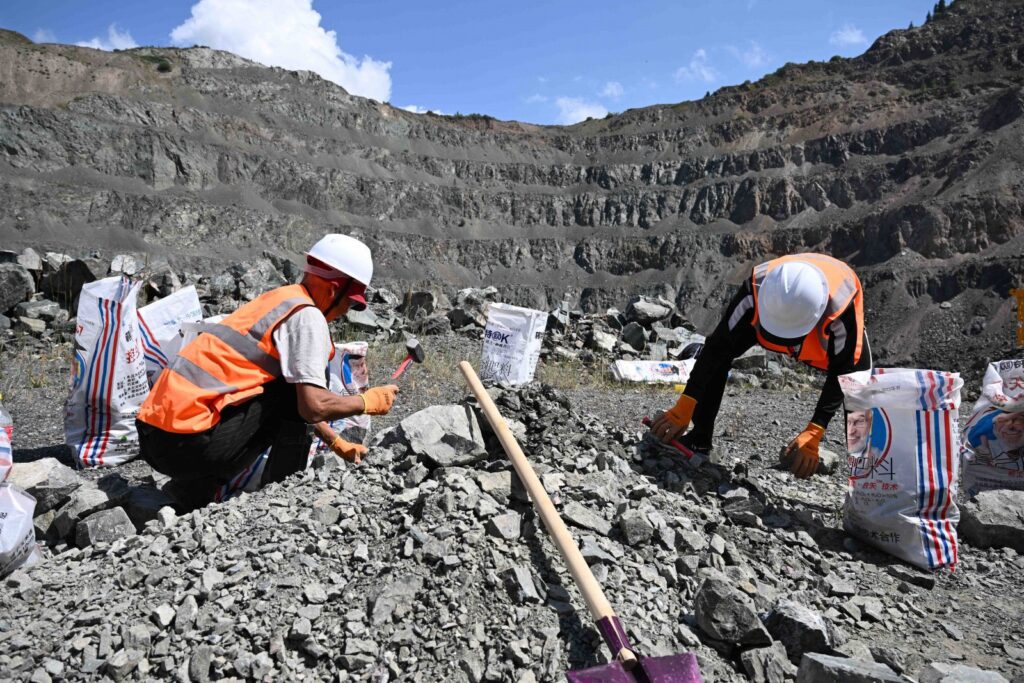
Kyrgyzstan recorded a notable increase in the extraction of gold, silver, coal, and natural gas in the first half of 2025, even as the number of companies operating in the sector declined, according to data from the Kyrgyz Geological Service. Compared to the first six months of 2024, the country produced an additional 700 kg of gold and 1.1 million m³ more natural gas in 2025. Silver and coal production also rose significantly. However, the sector is seeing a consolidation. A total of 199 production licenses were revoked in the first half of 2025, while only 15 new licenses were issued, down from 26 over the same period last year. Government officials noted that many license holders had not initiated development, and their permits were reallocated to other operators upon expiration. Increased Output and Revenue The state resource balance in the first half of 2025 was as follows: Regular gold: 5.8 tons Placer gold: up from 28.3 kg to 57 kg Silver: up from 198 kg to 3.8 tons Coal: up from 3.1 million to 4.4 million tons Tax and non-tax revenues increased from 17.9 billion KGS ($205.2 million) to 27.8 billion KGS ($318.5 million). Industrial production reached 30.7 billion KGS ($352 million), marking a rise of nearly 3 billion KGS ($34.4 million). Risks to Construction Resources At the same time, reserves of marble, sand, and gravel have declined due to high demand from the construction sector. As previously reported by The Times of Central Asia, the ongoing construction boom is driving aggressive extraction of these materials, hastening depletion. Balancing Growth and Sustainability While the increase in mineral production and revenue contributes positively to Kyrgyzstan’s GDP and reflects the benefits of a streamlined licensing policy, the report emphasizes the importance of sustainable resource management. With continued pressure from the construction and energy sectors, experts caution that long-term planning is crucial to avoid overexploitation of finite resources.

Kazakhstan’s Rare Earth Reserves Surpass Projections Following New Geological Surveys

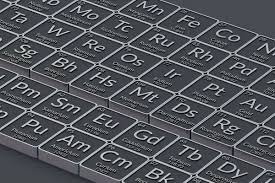
Geological exploration at Kazakhstan’s largest rare earth metal deposit, Kuirektykol, in the Karaganda region, has revealed significantly higher reserves than previously estimated. The latest data suggests that the site holds 28.2 million tons of commercially viable rare earth elements, up from an initial estimate of 20 million tons. Exploration work began in 2022, and by November 2024, geologists had already confirmed significant concentrations of cerium and other lanthanides across four key zones at depths of up to 300 meters. Regional Potential Expands Alibek Aldeney, Deputy Akim of the Karaganda region, said that the surveys also revealed new prospective sites for gold, copper, and tungsten. “Foreign companies are already conducting surveys. This will allow us to expand our mineral resource base and create new production facilities for processing rare earth and precious metals,” Aldeney said. Industry experts have long maintained that Kazakhstan holds the potential to ensure stable supplies of critical minerals amid rising global demand. Strategic Priorities and Government Support In August, Prime Minister Olzhas Bektenov convened a meeting to discuss the development of Kazakhstan’s rare earth sector. He emphasized the need to modernize production, adopt advanced technologies, and increase scientific research. According to the Ministry of Industry, rare and rare earth metals currently account for 2.4% of the country's metallurgical sector. Since 2018, the government has invested KZT 67 billion (approximately $124 million) in the industry. Kazakhstan is currently exploring 25 promising rare earth sites across a combined area of 100,000 square kilometers. In 2024 alone, 38 new deposits of solid minerals were identified. Production of beryllium, tantalum, niobium, scandium, titanium, rhenium, and osmium is already underway, along with the extraction of associated elements such as bismuth, antimony, selenium, and tellurium. Future Outlook and Strategic Concerns There are emerging industrial opportunities include the production and recycling of battery materials, heat-resistant alloys, semiconductors, and permanent magnets. However, as The Times of Central Asia previously reported, with the sector’s strategic value increasing, members of parliament have called for tighter regulation of rare earth exports to safeguard national interests.

Kazakhstan to Expand Geological Exploration Area by One-Third by 2026

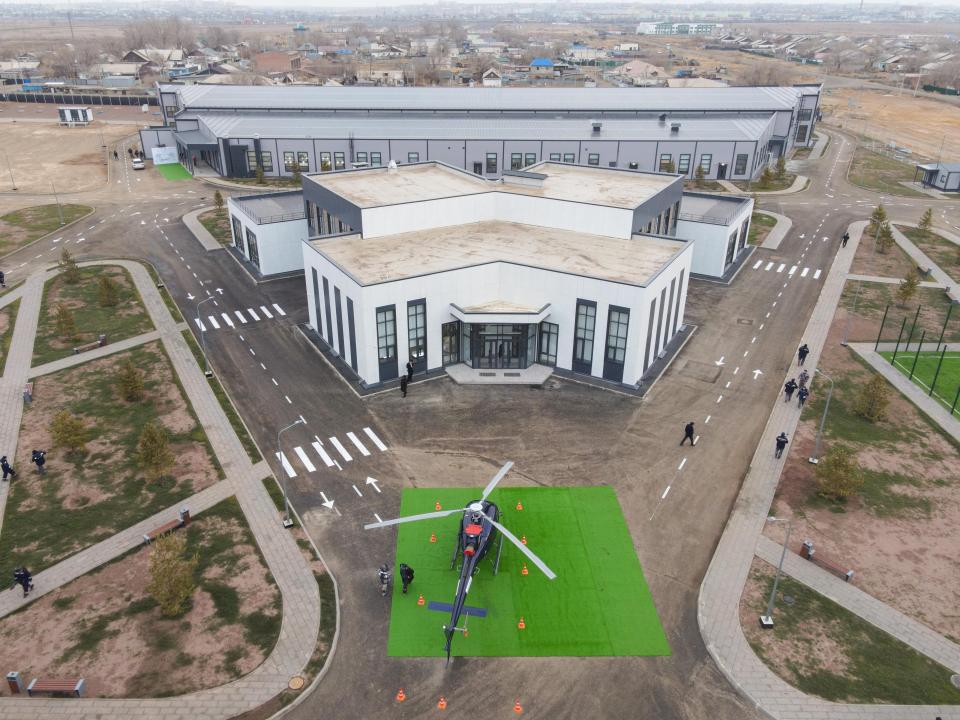
Kazakhstan plans to increase its geological exploration area by one-third by early 2026, according to Margulan Baibatyrov, Deputy Chairman of the Geology Committee under the Ministry of Industry and Construction. Baibatyrov made the announcement during an international mining congress. President Kassym-Jomart Tokayev previously highlighted this initiative at the October 2024 meeting of the Foreign Investors Council, noting that geological exploration currently covers approximately 1.6 million square kilometers. He instructed that this figure be expanded to 2.2 million square kilometers. “By 2026, we plan to increase the area of geological exploration by 680,000 square kilometers,” Baibatyrov confirmed. Investment and Resource Development Over the past five years, the mining industry in Kazakhstan has attracted around $1 billion in private investment. Of this, KZT 41 billion ($80.3 million) has come from major international companies specifically for geological exploration. Since 2018, Kazakhstan has issued 2,906 exploration licenses and 111 production licenses. The country's mineral resource base includes more than 980 solid mineral deposits. Exploration activities are ongoing at 12 sites, with notable recent discoveries such as the Kuyrektykol deposit, which contains approximately 800,000 tons of rare earth metals. Sector Challenges Despite these advancements, Baibatyrov noted several persistent challenges in the geological exploration sector, including: A shortage of qualified scientific personnel; Low levels of natural resource replenishment; Insufficient public funding for geological studies. Upcoming Auctions As previously reported by The Times of Central Asia, Kazakhstan plans to auction exploration and development rights for 50 gold and rare metal deposits in June 2025. This move aims to attract further investment and strengthen the country’s mineral resource base.