• KGS/USD = 0.01144 0%
  • KZT/USD = 0.00207 0%
  • TJS/USD = 0.10456 0.19%
  • UZS/USD = 0.00008 0%
  • TMT/USD = 0.28490 -0.28%
  • KGS/USD = 0.01144 0%
  • KZT/USD = 0.00207 0%
  • TJS/USD = 0.10456 0.19%
  • UZS/USD = 0.00008 0%
  • TMT/USD = 0.28490 -0.28%
  • KGS/USD = 0.01144 0%
  • KZT/USD = 0.00207 0%
  • TJS/USD = 0.10456 0.19%
  • UZS/USD = 0.00008 0%
  • TMT/USD = 0.28490 -0.28%
  • KGS/USD = 0.01144 0%
  • KZT/USD = 0.00207 0%
  • TJS/USD = 0.10456 0.19%
  • UZS/USD = 0.00008 0%
  • TMT/USD = 0.28490 -0.28%
  • KGS/USD = 0.01144 0%
  • KZT/USD = 0.00207 0%
  • TJS/USD = 0.10456 0.19%
  • UZS/USD = 0.00008 0%
  • TMT/USD = 0.28490 -0.28%
  • KGS/USD = 0.01144 0%
  • KZT/USD = 0.00207 0%
  • TJS/USD = 0.10456 0.19%
  • UZS/USD = 0.00008 0%
  • TMT/USD = 0.28490 -0.28%
  • KGS/USD = 0.01144 0%
  • KZT/USD = 0.00207 0%
  • TJS/USD = 0.10456 0.19%
  • UZS/USD = 0.00008 0%
  • TMT/USD = 0.28490 -0.28%
  • KGS/USD = 0.01144 0%
  • KZT/USD = 0.00207 0%
  • TJS/USD = 0.10456 0.19%
  • UZS/USD = 0.00008 0%
  • TMT/USD = 0.28490 -0.28%

Viewing results 1 - 6 of 5

Shell Signs New Exploration Deal in Kazakhstan Amid Legal Disputes

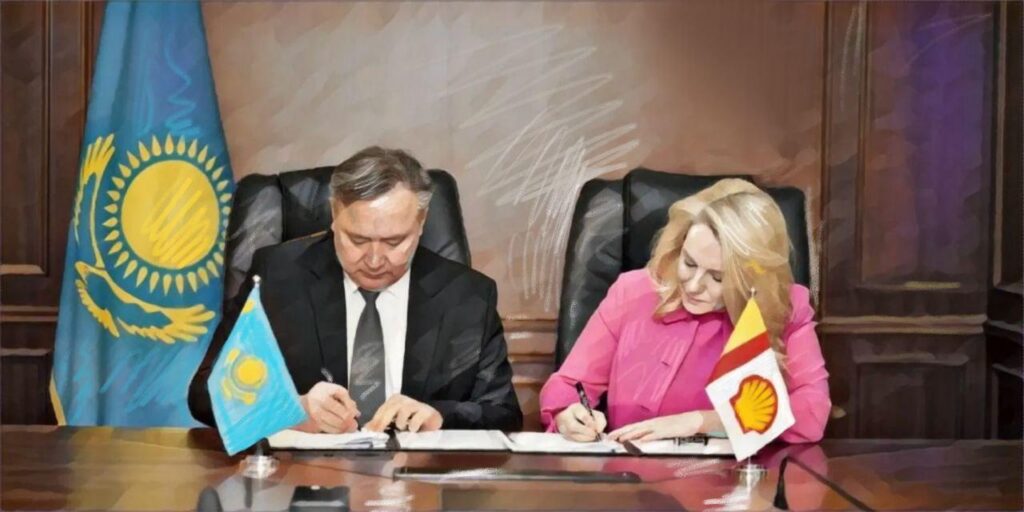
British energy company Shell has launched a new exploration project in Kazakhstan despite previously announcing that it would pause new investments in the country. On March 5, it was announced that Shell had signed a contract for geological exploration in the Aktobe region. The company has been involved in several legal disputes with Kazakhstan over subsoil use and had stated that it did not plan to invest further in the country’s energy sector. Geological Exploration Contract The Zhanaturmys site, which has attracted Shell’s interest, covers an area of 1,377 square kilometers and is located in one of Kazakhstan’s most actively developed oil and gas basins. The document was signed by Kazakhstan’s Deputy Energy Minister, Yerlan Akbarov, and Shell’s Senior Vice President and Chair in Kazakhstan, Suzanne Coogan. The contract provides for seismic exploration, data collection, and technical assessments. “The signing of today’s contract for geological exploration is further confirmation of Shell’s commitment to long-term cooperation with the Republic of Kazakhstan. Drawing on our global experience and advanced technologies, we intend to continue contributing to geological exploration and the expansion of the country’s resource base,” Coogan said. The agreement will remain in force until 2032. The project will be implemented under the terms of an improved model contract. According to Kazakhstan’s Energy Ministry, the company will allocate at least 100 million tenge (about $200,000) to finance socio-economic development in the region where the site is located. Shell is currently involved in three projects in Kazakhstan: the North Caspian Production Sharing Agreement (NCOC, 16.81% stake); the Karachaganak Production Sharing Agreement (29.25% stake); and the Caspian Pipeline Consortium (7.4% stake). Kazakhstan produces around 1.8–1.9 million barrels per day and hosts some of the world’s largest offshore reserves in the Caspian Sea. Western energy majors, including Shell, Chevron, ExxonMobil, and Eni, have operated in the country for decades through complex production-sharing agreements. Legal Disputes In February, Shell CEO Wael Sawan said the company would suspend new investments in Kazakhstan while legal proceedings with the government were ongoing. Numerous lawsuits filed by Kazakhstan, with claims amounting to billions of dollars, have reduced the company’s willingness to invest in the country, he said. “This affects our desire to continue investing in Kazakhstan. Although we see many opportunities for investment in the future, we will wait until we have a clearer picture of how things will turn out,” Sawan stated. Karachaganak and Kashagan Kazakhstan is currently involved in several legal disputes with Western oil companies, both in national courts and international arbitration. The cases concern two major oil and gas projects. One of them is Karachaganak. In 2023, the Kazakh government filed a lawsuit against the field's developers over cost deductions. The initial claim amounted to $3.5 billion but later increased to $6 billion after additional claims were filed. The project is operated by a consortium led by Eni and Shell, each holding a 29.25% stake. Other partners include Chevron (18%), Lukoil (13.5%, which has agreed to sell its stake), and KazMunayGas (10%). In January, it was...

Kazakhstan to Launch First International Full-Cycle Geo-Laboratory in Almaty

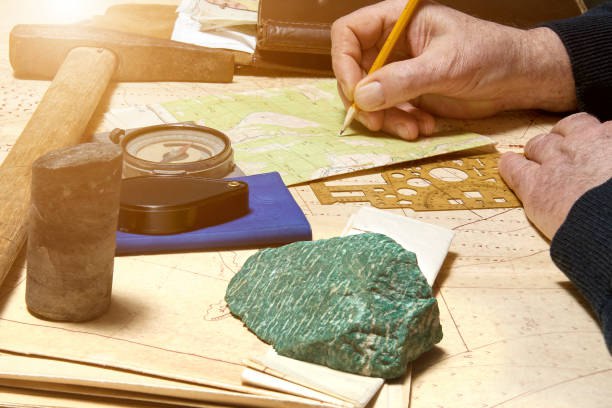
Kazakhstan is establishing GeoLab Eurasia, the first internationally certified full-cycle geological laboratory in Central Asia. Located in Almaty, the facility will provide high-precision analysis of ore composition and quality in accordance with internationally recognized standards, including NI 43-101, JORC, and ISO/IEC 17025. The creation of this domestic laboratory marks a strategic move to improve the accuracy and credibility of Kazakhstan’s mineral reserve assessments, enhance investor confidence, and reduce reliance on foreign laboratories. GeoLab Eurasia is expected to streamline the mineral certification process and boost the country’s competitiveness in global geological markets. International Collaboration and Scientific Sovereignty The project is being implemented through a tripartite partnership involving the Satpayev Institute of Geological Sciences, Kazakhstan’s Kepler Group, and Chinese firm Eurasia Mineral Standard, which serves as the project’s strategic investor. Founding documents were signed in Almaty on July 23. Askar Syzdykov, Director of the Satpayev Institute, emphasized the broader impact of the initiative: “We view this project as a long-term platform not only for rock and core analysis, but also for joint training programs and the exchange of best international practices. This marks a historic moment where science, technology, and Kazakhstan’s development strategy converge.” Sultan Kinzhekulov, Deputy Chairman of the Investment Committee under the Ministry of Foreign Affairs, underscored the strategic value of the initiative: “GeoLab Eurasia represents a new level of Kazakhstan’s industrial and scientific sovereignty. Projects like this are crucial not only economically, but also in positioning Kazakhstan as a reliable player in global critical mineral supply chains.” Infrastructure and Timeline GeoLab Eurasia will consist of two main components: a laboratory and educational center housed at the Geological Institute in Almaty, and an industrial hub outside the city that will include sample preparation lines and core storage facilities. The laboratory is expected to open in October 2025, with the industrial complex slated for launch in the first quarter of 2026. Once operational, GeoLab Eurasia will serve as a regional center for geological research and mineral certification. The facility is positioned to elevate Kazakhstan’s technological and scientific capabilities in geology and to strengthen its standing in the global market for strategic mineral resources.

Kazakhstan Begins Mineral Exploration in Afghanistan’s Nuristan Province

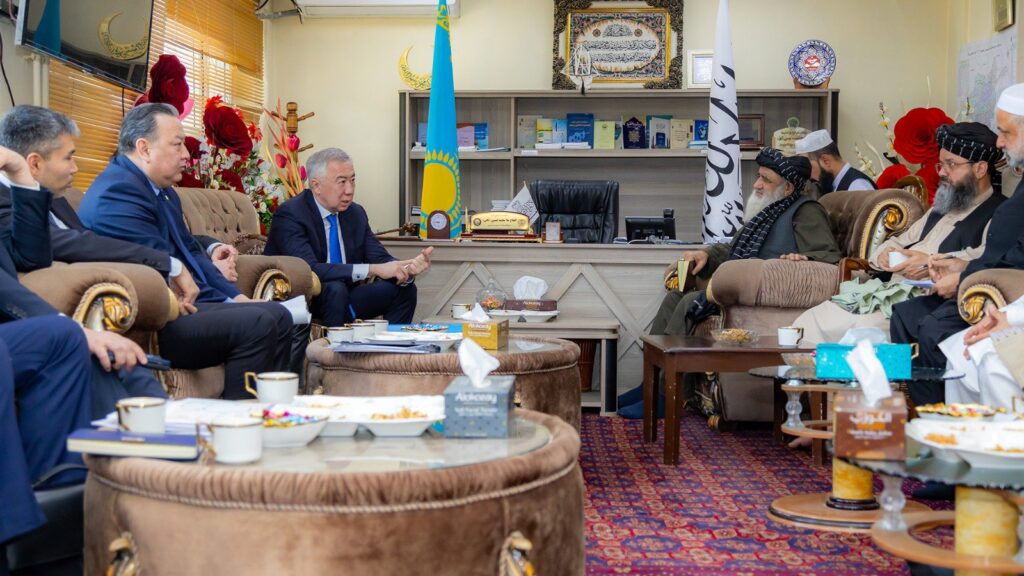
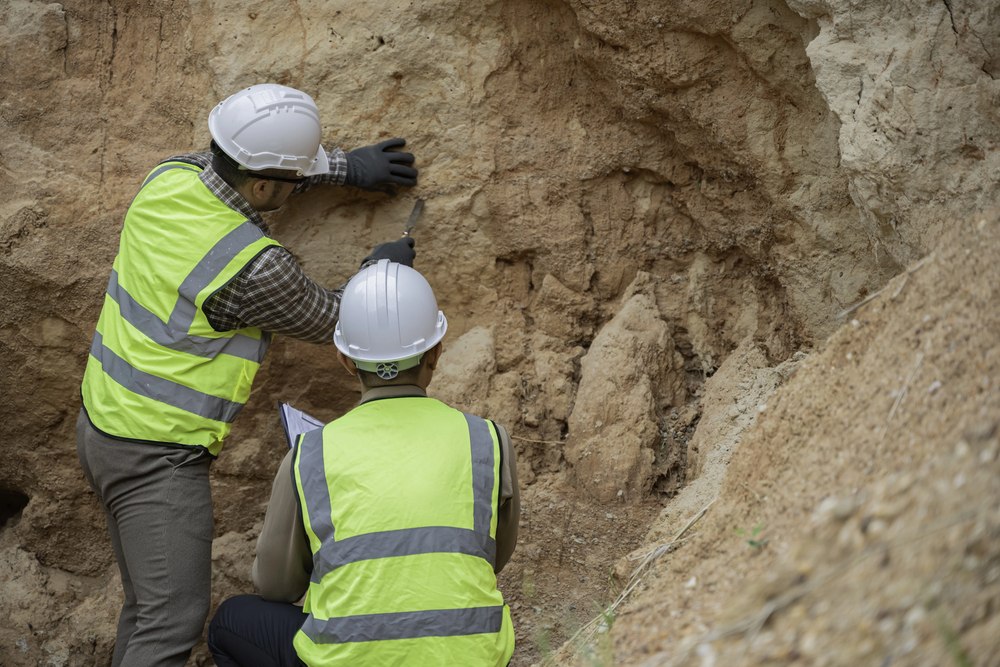
Kazakhstani geologists have begun prospecting potential mining sites in Afghanistan, starting with the resource-rich Nuristan Province. The initiative reflects Kazakhstan’s broader efforts to expand its mining interests and strengthen economic ties with Afghanistan. In mid-April, a group of geologists and engineers from Kazakhstan traveled to Afghanistan, according to the Ministry of National Economy. During their visit, specialists collected 130 kilograms of ore samples from prospective deposits in Nuristan Province, targeting beryllium, lead, and zinc resources. The samples will now be sent to Kazakhstan for laboratory analysis. Depending on the results, Kazakhstan may move to a more in-depth phase of negotiations regarding the development of these deposits. Nuristan Province is located along the border between Afghanistan and Pakistan, south of the Hindu Kush mountain range, with its administrative center in the city of Parun. Mining activity in the province has historically focused on artisanal extraction of precious and semi-precious stones, including varieties of beryl. At least 55 gemstone deposits are known to exist in the region, featuring lazurite, cordierite, ruby, kunzite, emerald, and danburite. However, industrial-scale mining of lead and zinc has not previously been developed in the area. Kazakhstan’s geological exploration in Afghanistan will not be limited to Nuristan. During a meeting in Kabul between Kazakhstan’s Deputy Prime Minister Serik Zhumangarin and Afghanistan’s Minister of Mines and Petroleum Hedayatullah Badri, it was agreed that another team of Kazakhstani specialists would travel to Afghanistan at the end of May. The Afghan side also expressed readiness to share information about confirmed mineral reserves that could be of interest to Kazakh companies. “Today Kazakhstan has formed a professional pool of extractive companies experienced in geological exploration, mining, and processing of solid minerals. These companies are keen to find and invest in promising deposits,” Zhumangarin noted. Representatives from major firms such as ERG Exploration, Kazakhmys Barlau, and Kazatomprom accompanied the Kazakh delegation. The meeting participants agreed to establish a joint technical commission to facilitate timely discussions on emerging issues. Zhumangarin also attended the Kazakhstan-Afghanistan Business Forum, which saw participation from 50 Kazakhstani companies. During the forum, he highlighted the potential for Afghanistan to serve as a key logistics hub between Central and South Asia, while Kazakhstan could become a reliable supplier of food products, technologies, engineering services, chemicals, and IT solutions. "An ambitious but achievable goal has been set, to increase the volume of trade to $3 billion in the short term. Achieving this requires building sustainable supply chains, expanding the range of traded goods, and creating favorable conditions for investment and entrepreneurship," Zhumangarin stated. He also proposed to Afghan Deputy Prime Minister Abdul Ghani Baradar the opening of a Kazakh trade house in Kabul. Additionally, the Kazakh side suggested considering the export of buses manufactured by QazTehna LLP to Afghanistan. As previously reported by The Times of Central Asia, Kazakhstan is also exploring the possibility of exporting cars produced in Kostanay and Almaty to Afghanistan, with first deliveries potentially taking place this year.