• KGS/USD = 0.01144 0%
  • KZT/USD = 0.00202 0%
  • TJS/USD = 0.10399 -0.29%
  • UZS/USD = 0.00008 0%
  • TMT/USD = 0.28490 0%
  • KGS/USD = 0.01144 0%
  • KZT/USD = 0.00202 0%
  • TJS/USD = 0.10399 -0.29%
  • UZS/USD = 0.00008 0%
  • TMT/USD = 0.28490 0%
  • KGS/USD = 0.01144 0%
  • KZT/USD = 0.00202 0%
  • TJS/USD = 0.10399 -0.29%
  • UZS/USD = 0.00008 0%
  • TMT/USD = 0.28490 0%
  • KGS/USD = 0.01144 0%
  • KZT/USD = 0.00202 0%
  • TJS/USD = 0.10399 -0.29%
  • UZS/USD = 0.00008 0%
  • TMT/USD = 0.28490 0%
  • KGS/USD = 0.01144 0%
  • KZT/USD = 0.00202 0%
  • TJS/USD = 0.10399 -0.29%
  • UZS/USD = 0.00008 0%
  • TMT/USD = 0.28490 0%
  • KGS/USD = 0.01144 0%
  • KZT/USD = 0.00202 0%
  • TJS/USD = 0.10399 -0.29%
  • UZS/USD = 0.00008 0%
  • TMT/USD = 0.28490 0%
  • KGS/USD = 0.01144 0%
  • KZT/USD = 0.00202 0%
  • TJS/USD = 0.10399 -0.29%
  • UZS/USD = 0.00008 0%
  • TMT/USD = 0.28490 0%
  • KGS/USD = 0.01144 0%
  • KZT/USD = 0.00202 0%
  • TJS/USD = 0.10399 -0.29%
  • UZS/USD = 0.00008 0%
  • TMT/USD = 0.28490 0%

Viewing results 1 - 6 of 8

Kazakhstan’s Banking System and the Logic of Early Enforcement

Kazakhstan’s growth model depends on uninterrupted access to international finance. Because its largest energy and mining projects rely on foreign capital, hard-currency financing, and offshore banking channels, confidence in the integrity of its banking system is not just a regulatory issue; it is a macroeconomic constraint. This reliance is structural. Export revenues are concentrated in globally-priced commodities—especially oil (up to 60% of total exports in recent years), and uranium (40%+ of global output)—linking fiscal stability directly to hard-currency liquidity and correspondent banking access. In that context, correspondent banking is a systemic requirement underpinning international payments and trade. Because international banks incorporate sanctions exposure and AML/CFT risk into their assessments, adverse risk perceptions can trigger de-risking behavior that raises costs and slows flows. Astana is now courting U.S. and European investment in multibillion-dollar initiatives, including the Trans-Caspian/Middle Corridor and projects related to rare earth and critical minerals supply chains. This further increases Kazakhstan’s exposure to Western compliance standards and regulatory scrutiny. With a growth model heavily driven by foreign capital, Kazakhstan understands that perceived weaknesses in banking system compliance would not halt investment outright, but would translate into higher funding costs and reduced appetite in international capital markets. Sanctions Exposure After 2022: Structural, Not Tactical Russia’s full-scale invasion of Ukraine in February 2022 sharply increased Kazakhstan’s exposure to global sanctions enforcement. Geography, membership in the Eurasian Economic Union, and dense trade and infrastructure ties with Russia made Kazakhstan a focal point for concerns over re-exports and sanctions leakage. At the same time, its border with China—an important source of dual-use goods—has added another layer of scrutiny, even as reporting later showed that China-origin cargo bound for Russia was, in documented cases, routed without physically entering Kazakhstan, despite being linked to it in trade flows. Western sanctions reshaped logistics faster than enforcement capacity could adapt. Restrictions on shipping, insurance, and financial services increased reliance on overland transit routes through Central Asia, drawing attention to Kazakhstan, even where violations were difficult to substantiate. Western investigations later showed that EU-origin dual-use goods continued to reach Russia through intermediary channels, underscoring enforcement gaps beyond Kazakhstan itself. For Kazakhstan, however, heightened scrutiny translated directly into financial risk, regardless of intent. In the logic of global compliance, perception can be as consequential as proof. Early Intervention as Risk Management Since 2022, Kazakhstan’s response has evolved from declaratory neutrality to early, containment-oriented enforcement. This shift has been driven less by foreign-policy alignment than by a calculation that even isolated violations can carry disproportionate financial consequences. President Kassym-Jomart Tokayev has repeatedly emphasized that sanctions violations carry direct economic consequences for Kazakhstan, warning in public remarks that non-compliance could expose the country to secondary sanctions affecting trade, finance, and investment flows. By framing compliance as a matter of macroeconomic risk management rather than geopolitical positioning, the government signaled that enforcement would prioritize financial stability over short-term commercial convenience. That logic has translated into practice. When Western sanctions were imposed on Sberbank in 2022, Kazakhstan approved the sale and restructuring of...
Kazakhstan’s Rare Earth Exports Under Political Spotlight as Strategic Role Grows

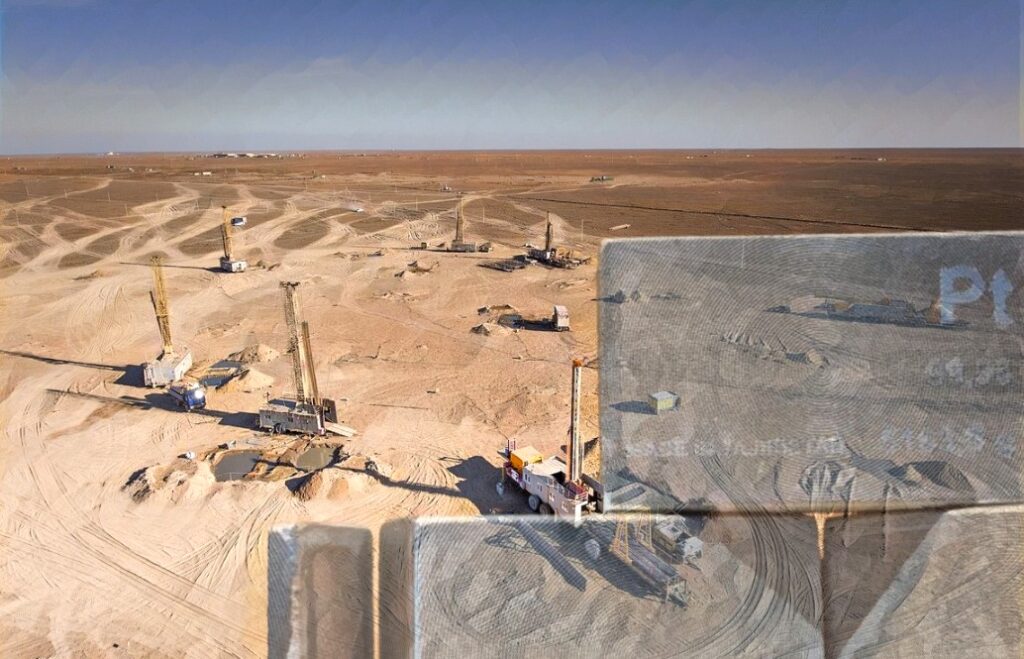
Kazakhstan’s rare earth metal exports are once again under scrutiny. On September 3, the leader of the Ak Zhol party in Kazakhstan’s parliament, Azat Peruashev, renewed his call for tighter control over rare earth exports. Peruashev formally urged the Minister of Industry and Construction, Ersaiyn Nagaspayev, to investigate and improve oversight after concerns that state control over ore shipments is increasingly being delegated to private labs without adequate verification. Peruashev’s statement raised the alarm about the possible undervaluation of exports and the concealment of valuable trace metals, a practice that could deprive the state of critical revenues at a time of growing global demand for rare earth elements. “According to the law on precious metals and stones, the state authority is responsible for control over the import and export of ores and concentrates. But based on the official response from the Ministry of Industry, it appears that state control has effectively been delegated to laboratories hired by the subsoil users themselves. The government agency does not verify the accuracy of its data and limits itself to just receiving the documents,” Peruashev said. The appeal marks the latest development in a controversy that first surfaced earlier this year. On March 7, The Times of Central Asia reported that Peruashev had submitted a formal parliamentary inquiry to Kazakhstan’s Anti-Corruption Service and the Ministry of Industry. That inquiry cited allegations from a former Kazakhmys lab assistant who claimed ore and concentrate exports were leaving the country without undergoing proper chemical analysis. According to the complaint, this practice allowed exporters to underreport the presence of rare earth and precious metals, artificially lowering shipment valuations to the benefit of powerful business interests. Kazakhmys rejected suggestions of intentional wrongdoing, stressing that any rare metals recovered during processing were incidental and directed to the state enterprise Zhezkazganredmet. The company added that it welcomed greater state scrutiny and dialogue. Peruashev’s renewed demand, however, indicates that concerns remain unresolved, particularly around whether the government has sufficient oversight to prevent leakage or mismanagement in an industry viewed as of increasing strategic and economic importance. A Geological Windfall This renewed debate comes as Kazakhstan’s rare earth sector enjoys unprecedented global attention. In April, TCA reported the discovery of a massive new deposit in the Karagandy region, unofficially dubbed “Zhana Kazakhstan,” estimated at 20 million metric tons of ore containing neodymium, cerium, lanthanum, and yttrium. Officials said average concentrations reached 700 grams per ton, a figure that, if validated, would position Kazakhstan among the world’s top three in rare earth deposits. In total, the government has identified 38 new mineral deposits, including 3.7 million tons of copper and nickel and 19 tons of gold. These discoveries are part of an ambitious exploration program that aims to expand mapped geological territory to 2.2 million square kilometers by 2026. For policymakers, the figures highlight both an opportunity and a dilemma: how to harness world-class reserves without falling into the trap of export dependence. At Home and Abroad International interest in Kazakhstan’s deposits is on...

Trump’s Tariffs May Hurt Kazakhstan’s Economy, Expert Warns

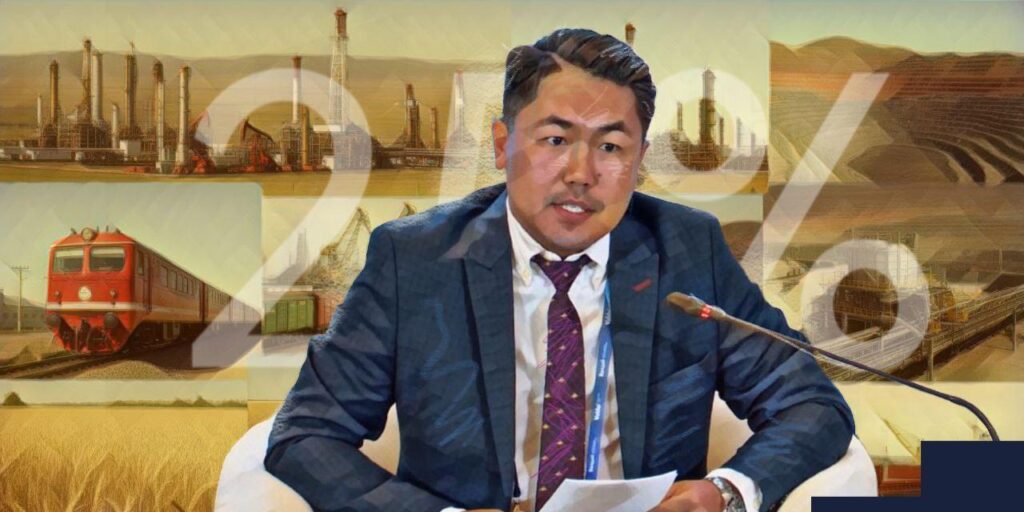
On July 7, U.S. President Donald Trump informed Kazakh President Kassym-Jomart Tokayev that Washington will impose a 25% tariff on goods from Kazakhstan, effective August 1, 2025. Tokayev responded on July 10, affirming Kazakhstan’s commitment to "developing fair, predictable, and mutually beneficial trade relations" with the United States. He emphasized Kazakhstan’s readiness for “constructive dialogue aimed at finding a rational solution to trade issues,” expressing his hope that a compromise will be reached. While officials and analysts in Kazakhstan have downplayed the potential economic impact, citing limited trade volume and the exclusion of key exports such as oil and metals, economist Olzhas Baidildinov has challenged this optimism. In an interview with The Times of Central Asia, he outlines the potential long-term damage to Kazakhstan's economy and investment climate. TCA: What is the situation following the announcement of the increased tariffs? Baidildinov: The immediate damage is minimal, which is why many in the media and expert circles remain optimistic. Kazakhstan exports about $2 billion in goods to the U.S., of which $1.8 billion are raw materials, oil, metals, rare earth elements, silver, and precious metals, all previously exempt from duties. The remaining $200 million, mostly manufactured goods and agricultural products, will now be subject to the 25% tariff. Though small in macroeconomic terms, this is a significant blow to exporters and a deterrent for future investors. TCA: What are the broader implications of these tariffs for Kazakhstan? Baidildinov: The most serious consequence will be on investment. Domestic experts often lack a long-term view, rarely looking beyond a few months. But consider this: if you were an investor planning to produce in Kazakhstan and export to the U.S., would you proceed under these conditions? A 25% tariff today could become 50% or 100% tomorrow. This unpredictability will scare off potential investors. Trump’s message is clear: produce in the U.S. or face penalties. For Kazakhstan, there is little upside. The country’s oil and gas sector has made strides in localizing production of goods that could replace Western imports, but these products will now face higher entry barriers into the U.S. market. American companies may also become more cautious about engaging with Kazakh suppliers. More broadly, this signals that the U.S. does not regard Kazakhstan as a partner in high-tech manufacturing. Even American firms considering setting up production in Kazakhstan to benefit from low costs would now find the economics less favorable. Other countries, including EU members, may follow the U.S. example, reinforcing the perception of Kazakhstan as merely a source of raw materials. TCA: Do you expect further pressure from the U.S. or its allies? Baidildinov: This marks the beginning of a global tariff war. Other countries will likely adopt similar protectionist policies to defend their industries, especially in light of escalating U.S.-China trade tensions. European manufacturers, for example, may pressure their governments to implement similar tariffs. This trend could shape global trade for years to come, with Kazakhstan potentially caught in the crossfire. TCA: In your opinion, is the U.S. tariff increase...

Kazakhstan Seeks to Mitigate Impact of U.S. Tariffs

Kazakhstan is working to minimize the economic damage from newly imposed U.S. tariffs, the highest levied on any Central Asian country. The government is assessing the scope of potential losses and pursuing diplomatic efforts to reverse or reduce the trade measures. A New Front in the Trade War On April 2, U.S. President Donald Trump announced sweeping new tariffs on imports from over 180 countries. Kazakhstan was subjected to a 27% tariff rate. In contrast, most other post-Soviet countries, including Uzbekistan, Kyrgyzstan, Armenia, and Tajikistan, were assigned a 10% tariff, described by the U.S. administration as the “base rate” for countries that “trade fairly” with the United States. Russia and Belarus, whose trade with the U.S. is effectively suspended due to sanctions, were exempt from the increase. Only Moldova, which reportedly imposes a 61% duty on U.S. goods, received a higher rate than Kazakhstan. According to Washington, Kazakhstan applies a 54% tariff on U.S. imports, prompting a reciprocal response, though the methodology behind the administration’s calculations has been questioned by many analysts. Moldova’s higher rate of 61% led to a 31% U.S. tariff. Limited Exposure for Key Exports U.S. President Trump announced a 90-day reprieve for affected countries on April 9, allowing time for negotiations to take place. While the move signals potential flexibility, the economic impact remains uncertain. Kazakh Trade Ministry representative Serik Ashitov stated on April 29 that only 4.8% of Kazakhstan’s exports to the U.S. would be affected by the tariffs. Crucially, major exports, such as oil, uranium, silver, and ferroalloys stand to remain untouched. These commodities account for approximately 90% of Kazakh shipments to the U.S. Despite fears of a broader economic fallout, Kazakhstan's stock market showed resilience in the first quarter of 2025, according to financial news channels. However, the trade conflict has had a deflationary effect on key exports. Oil prices have dropped below projected baselines amid concerns about declining global demand driven by slowing industrial activity, especially in Asia. “We’re observing falling oil prices and reduced global trade. The tariffs are cutting into industrial output in China and other key consumers of raw materials, which affects oil demand directly,” noted a representative of the Kazakhstan Stock Exchange. As of late April, Brent crude was trading at approximately $64 per barrel. Negotiations and Constraints In response, Kazakhstan has initiated diplomatic talks with the United States and plans to raise the issue at the World Trade Organization (WTO). “At present, there is no reason to believe these measures will significantly affect our exports. Nonetheless, we will continue working with American counterparts to mitigate the consequences of these unilateral measures,” Ashitov said during a press briefing. However, analysts caution that Kazakhstan may face structural limits in attempting to resolve this dispute. As a member of the Eurasian Economic Union (EAEU), Kazakhstan does not set its tariff policy independently. “Our customs duties are EAEU duties,” economist Almas Chukin explained. “If we wanted to unilaterally lower tariffs for the U.S., as Israel did, it would require the approval...

Trump’s Trade Wars and Kazakhstan’s Economic Jitters

U.S. President Donald Trump is addressing his country's economic challenges with aggressive trade policies, threatening tariff barriers and demanding concessions from major economies. The Times of Central Asia explores whether these actions could deepen economic challenges in Kazakhstan and the broader Central Asian region. A New Round of Trade Wars In early February, the United States officially announced a 25% tariff on imports from Canada and Mexico, alongside a reduced 10% tariff on Canadian energy resources. Additionally, a 10% tariff was imposed on all Chinese imports. The justification given was to curb illegal immigration and drug trafficking. While Mexico and Canada managed to delay the new tariffs through negotiations, China responded swiftly with retaliatory measures. According to China's Ministry of Finance, Beijing imposed a 10% tariff on U.S. oil and agricultural machinery imports, and a 15% duty on coal and liquefied natural gas (LNG). Additionally, Chinese regulators launched an antitrust investigation into Google, further escalating tensions. Despite these developments, a resolution remains possible, though seemingly ever more distant. On February 3, Trump announced plans to speak with Chinese President Xi Jinping, but that call was then canceled following China's retaliatory measures. In a further escalation, on February 5, the US Postal Service said it has stopped accepting parcels from mainland China and Hong Kong until further notice. Meanwhile, Trump has also signaled plans to impose new duties on goods from the European Union. As of November 2024, China was the third-largest U.S. trading partner, accounting for 11.3% of total U.S. foreign trade. Mexico (15.4%) and Canada (13.8%) ranked first and second, respectively. In contrast, Kazakhstan and other Central Asian nations do not rank among the top 15 U.S. trading partners. Domestic Issues Outweigh External Pressures According to economist Aidarkhan Kusainov, Trump's trade policies are unlikely to have a direct impact on Kazakhstan and Central Asia. Speaking to The Times of Central Asia, Kusainov argued that domestic economic challenges far outweigh the influence of global trade wars. "Our economy faces significant internal distortions, making global trade wars a relatively minor factor. Inflation in Kazakhstan is not caused by external pressures but by rising fuel and utility costs, tax policies, and discussions about increasing value-added tax (VAT). Within a short period, the tenge’s exchange rate against the U.S. dollar has shifted from 490 to 530," he said. Kusainov further emphasized that if Kazakhstan's inflation rate were around 2%, any impact from global factors would be worth analyzing. However, with official inflation at 9% - and real inflation likely much higher - domestic issues are the primary concern. "Our economy is so small compared to the world's leading economies that its presence in the global market is nearly imperceptible. By economic volume, we are smaller than some Chinese provinces. Other Central Asian countries are even less integrated into global trade," Kusainov noted. He warned that only a large-scale global crisis could significantly impact Kazakhstan’s economy, potentially exposing internal vulnerabilities that the government can no longer mitigate. Inflation Risks Inflation remains a pressing concern in...

Kazakhstan Seeks U.S. Cooperation to Develop Critical Minerals

During a visit to the United States on March 1st, Kazakhstan’s Minister of Industry and Construction, Kanat Sharlapaev met David Applegate, director of the U.S. Geological Survey, to discuss expanding bilateral cooperation regarding mineral deposits in Kazakhstan. Of Kazakhstan’s 50 types of minerals, 17 were identified by the U.S. Geological Survey as critical. As reported by Sharlapaev, the key aims of future collaborations are attracting investment in geological exploration, mining, and the processing of rare and rare-earth metals, as well as facilitating Kazakhstan's integration to the global market through cutting-edge technologies and expertise. Speaking at a roundtable discussion at the U.S. Chamber of Commerce with members of the Kazakh-American Business Council (USKZBC) and representatives of American companies, the minister outlined the benefits afforded by consolidating the partnership between Kazakhstan and the USA. Emphasis was placed on the strategic potential of mining rare and rare earth metals and the development of related industries. In particular, he cited the importance of creating a cluster of industries in Kazakhstan to produce raw materials for batteries, including nickel, cobalt, manganese, and lithium and with reference to reforms on the use of subsoil to attract investment, encouraged US mining companies to participate in forthcoming auctions in Kazakhstan.