• KZT/USD = 0.00221
  • TJS/USD = 0.10820
  • UZS/USD = 0.00009
  • TMT/USD = 0.29850
  • KZT/USD = 0.00221
  • TJS/USD = 0.10820
  • UZS/USD = 0.00009
  • TMT/USD = 0.29850
  • KZT/USD = 0.00221
  • TJS/USD = 0.10820
  • UZS/USD = 0.00009
  • TMT/USD = 0.29850
  • KZT/USD = 0.00221
  • TJS/USD = 0.10820
  • UZS/USD = 0.00009
  • TMT/USD = 0.29850
  • KZT/USD = 0.00221
  • TJS/USD = 0.10820
  • UZS/USD = 0.00009
  • TMT/USD = 0.29850
  • KZT/USD = 0.00221
  • TJS/USD = 0.10820
  • UZS/USD = 0.00009
  • TMT/USD = 0.29850
  • KZT/USD = 0.00221
  • TJS/USD = 0.10820
  • UZS/USD = 0.00009
  • TMT/USD = 0.29850
  • KZT/USD = 0.00221
  • TJS/USD = 0.10820
  • UZS/USD = 0.00009
  • TMT/USD = 0.29850
10 September 2026

Viewing results 1 - 6 of 2

AIFC Interview: Central Asia Investment, Middle Corridor and ESG

The Astana International Financial Centre (AIFC) positions itself as a platform for international investment in Kazakhstan and across Central Asia. In an interview with The Times of Central Asia, Zhanbolat Kakishev, Chief Product Officer at the AIFC Authority, discussed competition for investment, financing for the Middle Corridor, investor protection, ESG, and currency risks. Kakishev said the AIFC ecosystem has attracted $26.3 billion in investment to Kazakhstan and registered more than 6,000 companies from 90 countries. TCA: How does the AIFC assess the current investment climate in Central Asia amid the fragmentation of global markets, and what share of foreign direct investment into the region does the centre aim to attract in the coming years? Zhanbolat Kakishev: We assess Central Asia’s investment climate as resilient and gradually strengthening despite the fragmentation of global markets. Moreover, the restructuring of global supply chains and investors’ search for new sources of growth are creating additional opportunities for the region. International investor interest in Central Asia already rests on a solid foundation. According to UNCTAD, by the end of 2025, the stock of foreign direct investment in the region had reached approximately $235.5 billion, of which $156.4 billion was in Kazakhstan. The region combines a substantial resource base, a growing domestic market, and a strategic position between Europe and Asia. It also has significant investment potential in areas including transport and logistics, energy, critical minerals, digitalisation, and financial services. The AIFC does not set a target in the form of a fixed share of total FDI flowing into Central Asia. Our task today is to continue improving the AIFC ecosystem, its infrastructure, and the conditions that allow international capital to enter Kazakhstan effectively, as well as to participate in regional projects. To date, $26.3 billion in investment has been attracted to Kazakhstan through the AIFC ecosystem. More than 6,000 companies from 90 countries are registered in the Centre’s jurisdiction. For us, however, it is not only the volume of capital attracted that matters, but also its quality — long-term investment that contributes to economic diversification, private-sector development, and the further integration of Kazakhstan and Central Asia into global capital markets. TCA: Given the growing interest in the Middle Corridor, or Trans-Caspian International Transport Route, what investment instruments does the AIFC offer to finance major infrastructure and logistics projects in the region? Zhanbolat Kakishev: The AIFC provides comprehensive legal and financial infrastructure for structuring and attracting financing for major infrastructure and logistics projects, including those along the Middle Corridor. Depending on the structure of a project, special-purpose vehicles or companies (SPVs/SPCs), joint ventures, and investment funds can be used to pool capital from strategic, institutional, and private investors. Through the Astana International Exchange (AIX), projects can also raise debt and equity financing, including through conventional, green, and sustainability bonds, as well as Islamic finance instruments such as sukuk. For large infrastructure projects, the ability to combine different sources of capital is particularly important. These can include financing from international financial institutions and banks, funds from strategic...

ADB Provides Tajik Bank with First Direct Loan of $10 Million

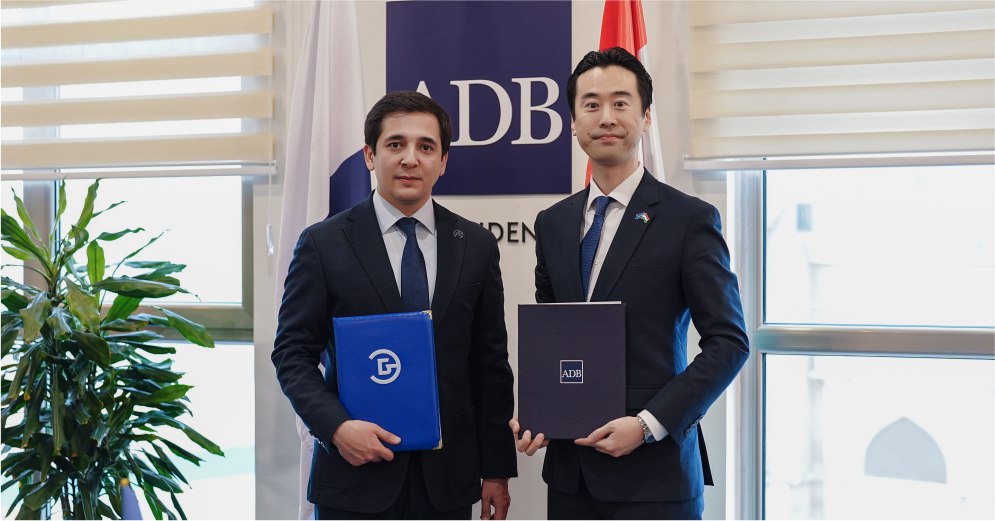
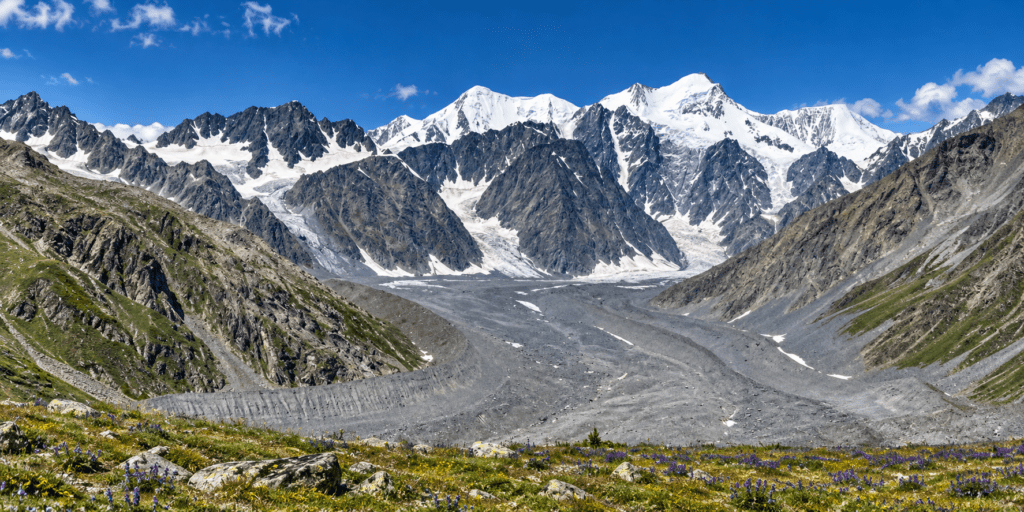
Bank Eskhata OJSC (Open Joint-Stock Company) and the Asian Development Bank (ADB) have signed a direct lending agreement, marking a new stage in financing for small and medium-sized enterprises (SMEs) in Tajikistan. This is the first time the ADB has issued a direct loan to a Tajik bank, bypassing intermediary financial institutions. The ADB stated that the format reflects a high level of trust in the partner bank and confidence in its stability within the national financial market. Tajikistan has been a member of the ADB since 1998. Under the terms of the agreement, the ADB is providing a loan in local currency equivalent to $10 million. The funds are intended to support entrepreneurs implementing environmentally friendly and energy-efficient technologies, as well as projects that reduce environmental impact and contribute to building a sustainable economy. Akmaljon Saifidinov, CEO of Bank Eskhata, described the agreement as strategically important. “We are honored to be the first financial institution in Tajikistan to receive direct lending from the ADB. This landmark event opens new horizons for supporting MSMEs and advancing green finance,” he said, referring to micro, small, and medium-sized enterprises. He added that the partnership with the ADB further strengthens the bank’s role as a leader in innovative financial solutions. The ADB expects the direct lending mechanism to significantly improve access to financing for businesses. “Direct lending will significantly expand enterprises’ access to financing and serve as a key stimulus for the development of green initiatives in Tajikistan,” said Ko Sakamoto, head of the ADB office in Dushanbe. The loan is expected to support projects in energy efficiency, green technologies, and sustainable business models, areas that have traditionally lacked access to long-term financing. In a separate initiative, the ADB recently approved a $3 million grant to enhance Tajikistan’s capacity for glacier monitoring and natural disaster forecasting.  The project includes the creation of a unified digital system for analyzing risks related to snow and ice melt and aims to improve public safety in mountainous regions.