• KGS/USD = 0.01144 0%
  • KZT/USD = 0.00190 -0%
  • TJS/USD = 0.10837 0.37%
  • UZS/USD = 0.00008 0%
  • TMT/USD = 0.28571 0%
  • KGS/USD = 0.01144 0%
  • KZT/USD = 0.00190 -0%
  • TJS/USD = 0.10837 0.37%
  • UZS/USD = 0.00008 0%
  • TMT/USD = 0.28571 0%
  • KGS/USD = 0.01144 0%
  • KZT/USD = 0.00190 -0%
  • TJS/USD = 0.10837 0.37%
  • UZS/USD = 0.00008 0%
  • TMT/USD = 0.28571 0%
  • KGS/USD = 0.01144 0%
  • KZT/USD = 0.00190 -0%
  • TJS/USD = 0.10837 0.37%
  • UZS/USD = 0.00008 0%
  • TMT/USD = 0.28571 0%
  • KGS/USD = 0.01144 0%
  • KZT/USD = 0.00190 -0%
  • TJS/USD = 0.10837 0.37%
  • UZS/USD = 0.00008 0%
  • TMT/USD = 0.28571 0%
  • KGS/USD = 0.01144 0%
  • KZT/USD = 0.00190 -0%
  • TJS/USD = 0.10837 0.37%
  • UZS/USD = 0.00008 0%
  • TMT/USD = 0.28571 0%
  • KGS/USD = 0.01144 0%
  • KZT/USD = 0.00190 -0%
  • TJS/USD = 0.10837 0.37%
  • UZS/USD = 0.00008 0%
  • TMT/USD = 0.28571 0%
  • KGS/USD = 0.01144 0%
  • KZT/USD = 0.00190 -0%
  • TJS/USD = 0.10837 0.37%
  • UZS/USD = 0.00008 0%
  • TMT/USD = 0.28571 0%
06 November 2025

Viewing results 1 - 6 of 5

Taliban Again Urges Uzbekistan and Tajikistan to Return Military Helicopters

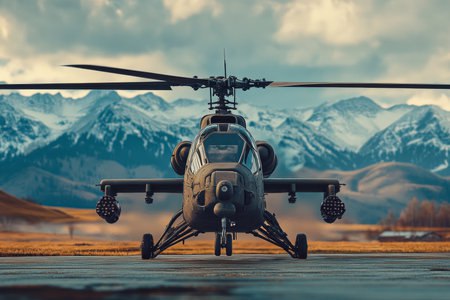
Afghanistan’s acting Foreign Minister Amir Khan Muttaqi has once again called on Uzbekistan and Tajikistan to return military helicopters flown out of the country by Afghan pilots during the collapse of the previous government in August 2021. The appeal was reported by Afghan news outlet Tolonews, following Muttaqi’s meeting with diplomats and representatives of international organizations in Kabul. “We ask those countries that, four years ago following political developments, took part of our helicopters and transferred them to neighboring countries, to return these helicopters to the Afghan people so they can be used in humanitarian operations,” Muttaqi said. He also criticized ongoing sanctions on Afghanistan, particularly banking restrictions that he claimed have prevented Afghans abroad from sending money to families affected by natural disasters. “Unfortunately, due to the unjust and unlawful restrictions imposed on Afghanistan, our compatriots have been unable to send aid to those affected by the earthquake,” he added. An earthquake that struck eastern Afghanistan on August 31 killed around 2,200 people and destroyed more than 5,000 homes, according to Al Jazeera. Both Tajikistan and Uzbekistan have since sent humanitarian aid, including food, medical supplies, and tents, to assist survivors. Muttaqi emphasized that providing sustained assistance to those affected remains a top priority for the Taliban government. Earlier this month, The Kabul Times quoted Taliban spokesman Zabihullah Mujahid as saying that Uzbekistan had agreed to return 57 helicopters. However, Ahror Burkhanov, spokesman for Uzbekistan’s Foreign Ministry, dismissed the claim as “fake news,” stressing that Tashkent’s position on the matter has not changed.

Uzbekistan Denies Reports on Return of Afghan Military Helicopters

Speculation has resurfaced regarding the fate of Afghan military aircraft flown to Central Asia during the collapse of the previous Afghan government in August 2021. On September 10, Taliban spokesman Zabihullah Mujahid told The Kabul Times that Uzbekistan had agreed to return helicopters that Afghan pilots had flown across the border as Kabul fell. He claimed the transfer of 57 helicopters was imminent, describing it as a step toward rebuilding Afghanistan’s air force and strengthening ties between the two countries. According to Mujahid, the aircraft had remained in Uzbekistan under the terms of quiet negotiations between Tashkent and Kabul. The U.S. Department of Defense previously confirmed that 46 planes and helicopters were flown to Uzbekistan and another 18 to Tajikistan in 2021. The aircraft included Mi-17 and UH-60 helicopters, along with PC-12, C-208, AC-208, and A-29 fixed-wing aircraft. However, Uzbekistan’s Ministry of Foreign Affairs quickly denied the Taliban’s claims. On September 11, ministry spokesperson Ahror Burkhanov told Gazeta.uz that reports of an agreement to return the helicopters “do not correspond to reality.” He dismissed the information as “fake news” and emphasized that Uzbekistan’s position on the issue remains unchanged. The Taliban has repeatedly demanded the return of the aircraft from both Uzbekistan and Tajikistan, but neither Tashkent nor Dushanbe has responded to these requests publicly. U.S. Ambassador to Uzbekistan Jonathan Henick previously stated that Washington and Tashkent reached an understanding in 2021 regarding the aircraft. He added that part of the military equipment remains in Uzbekistan, and that the two governments are cooperating on the matter through a joint program. Prior to the Taliban’s return to power in August 2021, Afghanistan’s air fleet included 164 military aircraft. Today, only 81 are believed to remain. As the government collapsed, many Afghan Air Force pilots fled with their aircraft to neighboring countries, including Uzbekistan and Tajikistan.

Military Pilot Killed, Two Injured in Chopper Crash in Kazakhstan

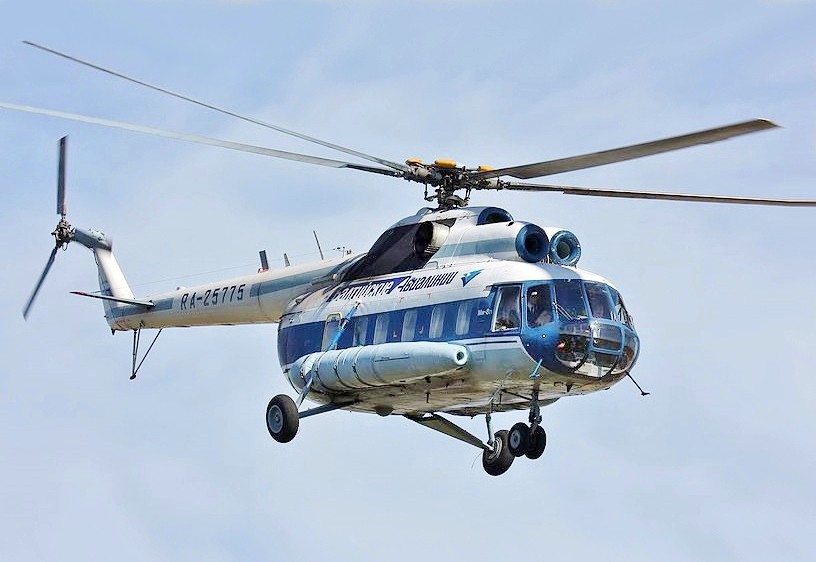
A military helicopter crashed in western Kazakhstan during a training flight on Saturday, killing a veteran pilot who was involved in flood control efforts earlier this year and injuring the other two servicemen who were on board. The crash happened near the village of Saryzhar in the Aktobe Region, according to authorities. Kazakh media reports said a fire broke out on impact. “The preliminary cause of the incident is considered to be a technical malfunction, and the details are under investigation,” Kazakhstan’s Ministry of Defense said on Telegram. “An interdepartmental emergency response team is working at the scene.” The ministry identified the serviceman who died in what it called a “hard landing” as Maj. Batyr Kairatovich Urazymbetov, an air squadron instructor from the Military Institute of Air Defense Forces. It said Urazymbetov was born in 1988 and was an experienced airman, accumulating more than 500 flight hours on the Mi-8 helicopter. “Throughout his service, he demonstrated high professionalism and dedication to duty, including participation in flood control efforts this spring. He was awarded anniversary medals and long service awards. He was married and had two children,” the ministry said. Urazymbetov’s family will receive financial aid and other support, it said. Kazakhstan’s military assisted with evacuations, building barriers to prevent water flows and other measures during devastating floods this year that President Kassym-Jomart Tokayev described as Kazakhstan’s worst natural disaster in 80 years. Air Squadron Commander Major Bibarys Ibraev and senior Lt. Rustem Nigmetov, a flight instructor at the military institute’s training aviation center, were injured in the crash on Saturday. They were transported to the regional hospital in Aktobe city and were in stable but serious condition. Azerbaijan’s defense minister, Col. Gen. Zakir Hasanov, said on Telegram that he was “deeply saddened” to hear about the crash and expressed condolences to the families of the dead serviceman and his injured colleagues. Azerbaijan and Central Asian countries participated in joint military exercises in Kazakhstan in July. Kazakhstan’ military has operated Soviet-designed Mi-8 helicopters since declaring independence from the Soviet Union in late 1991. Dozens of countries use the aircraft. The helicopter that crashed received its “last major overhaul” at a military facility in Almaty last year, and maintenance requirements and pre-flight preparations were in order, according to defense officials. The crew had experience dealing with bad weather, night flying and other challenging conditions.

Kyrgyzstan to Begin Manufacturing Helicopters

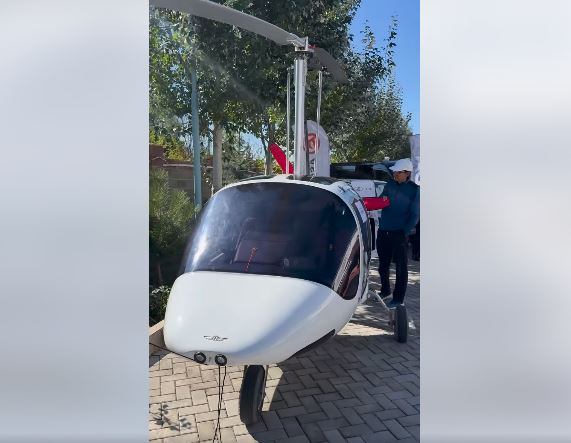
Daiyrbek Orunbekov, Head of the Information Policy Service of the Kyrgyz Presidential Administration, stated on his Facebook page that Kyrgyzstan has begun production on ultralight small-size two-seat helicopters. Describing the helicopter, he wrote: “It is a two-seater, can hold 70 liters of fuel, and flies 600 kilometers in 3 hours; pricing starts at around 60 thousand dollars." He also added that automobile, helicopter, and other manufacturing plants would soon be opening in the country. The production of helicopters in Kyrgyzstan, assembled from components supplies by Poland, is the country's first foray into the market. The helicopters can be used for various tasks, from pilot training and aerial photography to police patrols, power line control, medical personnel transport, and aerial agricultural work, and according to Orunbekov, interest has already been expressed by UAE companies in the test models. The Times of Central Asia previously reported that the German company "Linding Group" plans to invest some 10 million dollars in assembling aircraft in Almaty, Kazakhstan.

Politicians Discuss the Impact of Afghan Military Aircraft Remaining in Uzbekistan

The Times of Central Asia previously reported that when the Taliban seized power in August 2021, 22 military aircraft and 24 helicopters of the Afghan military crossed into Uzbekistan’s airspace. US Ambassador to Uzbekistan Jonathan Henick reported that the US and Uzbekistan had officially agreed that fighter jets and military helicopters will remain in Uzbekistan, whilst The Ministry of National Defense of the Islamic Emirate of Afghanistan, in turn, stated that “Any deal regarding the fate of Afghanistan’s helicopters and planes in Uzbekistan is unacceptable.” Dr. Davud Azami, an expert on international politics and security issues, commented: “Until the normalization of bilateral relations, the US will not hand over this aviation equipment to the Taliban, but this is unlikely to happen soon. This makes the matter more complicated.” Regarding the Taliban government’s demand for the return of the equipment to Afghanistan, he explained:  “The Taliban wants to strengthen its Air Force with these planes, especially helicopters. They also want to use the aircraft for humanitarian and rescue operations, especially during natural disasters like floods and earthquakes. Because buying such planes and helicopters requires money and a partner to sell them, the Taliban is at a huge disadvantage.” Azami stated that the Taliban is waiting for a “favorable opportunity” to exert more pressure on Uzbekistan, and added that the two sides will continue improving their relations despite disagreements over aircraft and helicopters. According to another BBC Uzbekistan interviewee, Uzbek political analyst Farhod Tolipov, this recent Taliban statement is flexible, and referenced the warning of the Taliban's interim Defense Minister that the countries who provided the military aircraft will suffer harmful consequences if the units are not returned. “The Taliban responded by using the phrase ‘good neighborliness’ in the sense that they should not break cooperation. That's why I think that based on what they said, the issue should not take a sharp turn. Because now, neither Afghanistan itself nor its government has become a superpower, and its economy, which is in crisis, needs to be developed. No country in the world has yet recognized them; many problems are ahead. That's why, in my opinion, the probability that they will be obsessed with this one problem is not very high,” said Tolipov. The analyst also expressed his opinion on the construction of the Qoshtepa Canal: “If this project is left unchecked and implemented unilaterally, the environmental consequences will harm Afghanistan itself. Environmental consequences and tragedies know no bounds. It will not be a tragedy for Uzbekistan alone, but also, potentially, for Afghanistan. Therefore, -given an understanding of the risks involved- they should continue work on the project,  in coordination, of course, with Uzbekistan, Turkmenistan, and Tajikistan.” Recommendations from Daniel Runde, a Senior Vice President at the Center for Strategic and International Studies (CSIS), on strengthening the USA's relations with Uzbekistan, appeared in previous report by The Times of Central Asia.