
• KGS/USD = 0.01144 0%
  • KZT/USD = 0.00204 0%
  • TJS/USD = 0.10422 -0.1%
  • UZS/USD = 0.00008 0%
  • TMT/USD = 0.28571 0%
  • KGS/USD = 0.01144 0%
  • KZT/USD = 0.00204 0%
  • TJS/USD = 0.10422 -0.1%
  • UZS/USD = 0.00008 0%
  • TMT/USD = 0.28571 0%
  • KGS/USD = 0.01144 0%
  • KZT/USD = 0.00204 0%
  • TJS/USD = 0.10422 -0.1%
  • UZS/USD = 0.00008 0%
  • TMT/USD = 0.28571 0%
  • KGS/USD = 0.01144 0%
  • KZT/USD = 0.00204 0%
  • TJS/USD = 0.10422 -0.1%
  • UZS/USD = 0.00008 0%
  • TMT/USD = 0.28571 0%
  • KGS/USD = 0.01144 0%
  • KZT/USD = 0.00204 0%
  • TJS/USD = 0.10422 -0.1%
  • UZS/USD = 0.00008 0%
  • TMT/USD = 0.28571 0%
  • KGS/USD = 0.01144 0%
  • KZT/USD = 0.00204 0%
  • TJS/USD = 0.10422 -0.1%
  • UZS/USD = 0.00008 0%
  • TMT/USD = 0.28571 0%
  • KGS/USD = 0.01144 0%
  • KZT/USD = 0.00204 0%
  • TJS/USD = 0.10422 -0.1%
  • UZS/USD = 0.00008 0%
  • TMT/USD = 0.28571 0%
  • KGS/USD = 0.01144 0%
  • KZT/USD = 0.00204 0%
  • TJS/USD = 0.10422 -0.1%
  • UZS/USD = 0.00008 0%
  • TMT/USD = 0.28571 0%

Viewing results 1 - 6 of 9

“Acid clouds” from Iran? Kazakhstan and Uzbekistan Weather Agencies Say There is No Threat to Central Asia

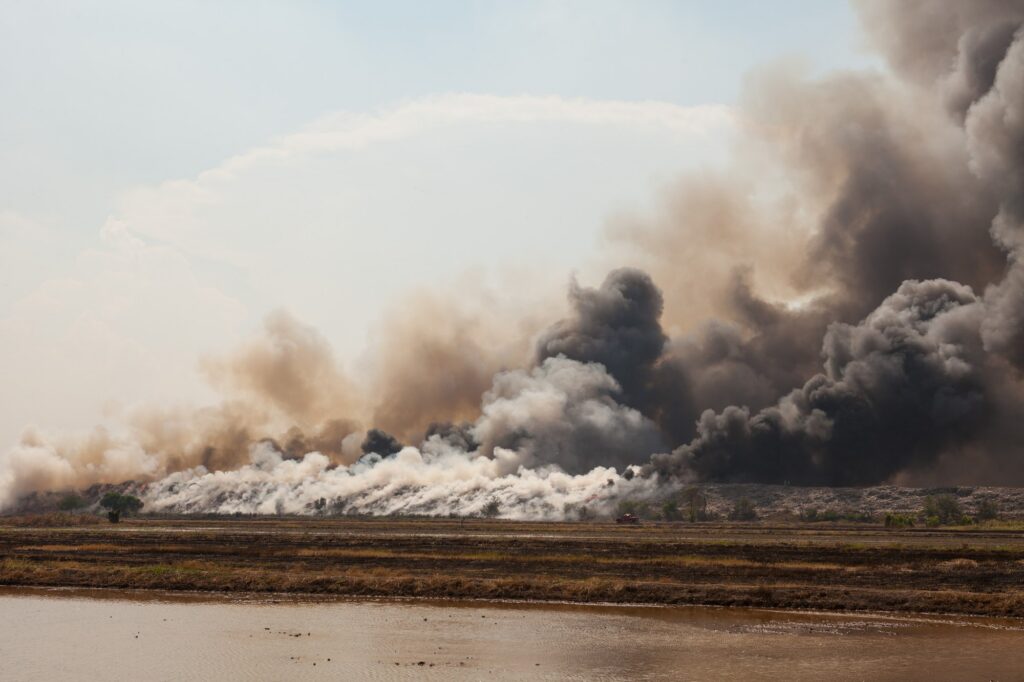
Social media has been flooded with claims that a toxic cloud could drift from Iran toward Central Asia following strikes on oil facilities. However, the meteorological services of Kazakhstan and Uzbekistan say those fears are not supported by scientific data. In recent days, posts online have warned of so-called “acid clouds” allegedly forming over Iran after attacks on oil depots and other energy infrastructure. Some of these posts claimed the pollution could be carried by atmospheric currents toward Turkmenistan, Uzbekistan, Kazakhstan, and China. Others cited reports of “black rain” in Tehran and elevated concentrations of sulphur dioxide, nitrogen oxides, and soot. Iranian authorities and international reporting have documented severe local air pollution risks in and around Tehran after the strikes. The Iranian Red Crescent Society warned residents that rainfall following the explosions could be acidic and hazardous to health. Experts said the pollution could irritate the skin, eyes, and lungs and contaminate soil and water near the affected areas. Kazhydromet, Kazakhstan’s national weather service, said reports that “acid clouds” from Iran could reach Central Asia are not confirmed by scientific data or observation results. The agency explained that acid precipitation typically forms near the source of emissions and that the concentration of pollutants decreases significantly over long distances due to natural atmospheric processes. Monitoring data, it said, show no signs of such pollution moving toward Kazakhstan or other Central Asian countries. Uzbekistan’s hydrometeorological service, Uzhydromet, expressed a similar position. It said information circulating on social media about “acid clouds” reaching Central Asian countries has no scientific basis. According to the agency, dangerous concentrations of acid precipitation thousands of kilometres from the source are practically impossible, and current observations show no threat to Uzbekistan or neighbouring states. Experts note that large fires at oil facilities can release substantial amounts of harmful pollutants into the atmosphere. However, such risks are primarily local or regional near the source. By the time emissions travel very long distances, atmospheric dispersion and deposition typically reduce concentrations sharply. As a result, the health concerns reported in Tehran do not support claims of a toxic cloud threatening Central Asia. Both Kazhydromet and Uzhydromet urged the public and media outlets to rely on official information and avoid spreading unverified reports.

Kazakhstan Launches High-Resolution Weather Forecast Powered by Supercomputer

Kazakhstan has introduced a new high-resolution digital weather forecasting system powered by the country’s most powerful supercomputer, marking a significant step toward strengthening national hydrometeorological security. The National Hydrometeorological Service, Kazhydromet, has deployed the Weather Research and Forecasting (WRF) model across the entire territory of the country. The system provides forecasts with a spatial resolution of 2 kilometers, significantly enhancing the accuracy and detail of weather predictions. All computations are carried out on Central Asia’s most powerful supercomputer at the Farabi Supercomputer Center, located at Al-Farabi Kazakh National University in Almaty. According to Amirkhan Temirbayev, Director of the Farabi Supercomputer Center, the new model strengthens Kazakhstan’s ability to anticipate hazardous natural phenomena and respond more effectively to climate-related risks. “The new system improves early warnings of dangerous weather events, particularly in the mountainous regions of Almaty and southeastern Kazakhstan and enhances the country’s hydrometeorological security. Accurately modeling atmospheric processes requires millions of calculations that conventional servers cannot handle. A supercomputer is no longer just a scientific instrument, it is infrastructure of national importance,” Temirbayev said. He added that the initiative demonstrates how university-based high-performance computing resources are increasingly being used to address applied government needs. While the supercomputer is currently dedicated to weather forecasting, potential future applications include flood and mudflow modeling, climate analysis, air quality monitoring, and digital urban simulations. Kazhydromet plans to publish outputs from the new WRF model on its official website, where users will have access to interactive weather maps and detailed forecasts for all regions of Kazakhstan.

Kazakhstan and Kyrgyzstan Resume Data Sharing on Reservoirs and Transboundary Rivers

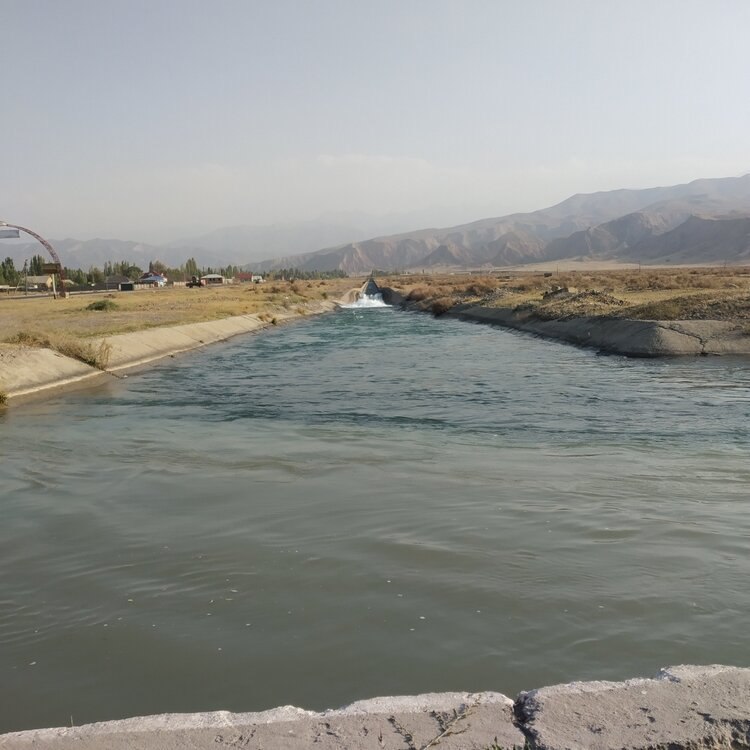
Kazakhstan and Kyrgyzstan have renewed formal cooperation in hydrometeorology, agreeing to exchange key hydrological data on major reservoirs and transboundary rivers, a development officials say is vital for regional flood management and agricultural planning. The agreement covers data exchange on the Kirov, Orto-Tokoy, and Toktogul reservoirs, all located in Kyrgyzstan but directly influencing downstream water supply in Kazakhstan. The signing took place on February 9 in Astana, where Kyrgyzstan’s First Deputy Minister of Emergency Situations Mambetov Muratovich and Kazakhstan’s First Deputy Minister of Water Resources and Irrigation Nurlan Aldamzharov endorsed a 2026-2028 cooperation program between Kazhydromet and the Kyrgyz Hydrometeorological Service. Key Components of the Agreement The three-year program includes: Regular exchange of hydrological data on shared rivers and reservoirs Joint forecasting of basin runoff and water accumulation Mutual hazard and storm warnings Scientific and technical collaboration Professional exchange between agencies Describing the agreement as an achievement of "water diplomacy," Aldamzharov emphasized that timely data is critical to protecting populations and infrastructure downstream, especially during peak water flow and flood risk periods. Strategic Role of Kyrgyz Water Infrastructure Kyrgyzstan plays a pivotal upstream role in Central Asia’s water system, delivering seasonal irrigation flows to southern Kazakhstan’s Turkistan, Kyzylorda, and Zhambyl regions via the Chu, Talas, and Syr Darya rivers. Each of the reservoirs included in the data-sharing agreement serves a distinct strategic function: Kirov Reservoir: Located in Kyrgyzstan’s Talas region, near the Kazakh border; vital for irrigating farmland on both sides. Orto-Tokoy Reservoir: Situated on the Chu River, which flows into Kazakhstan, it regulates seasonal supply for downstream agriculture. Toktogul Reservoir: Kyrgyzstan’s largest, located on the Naryn River, the principal tributary of the Syr Darya, one of Central Asia’s main water arteries feeding Kazakhstan and Uzbekistan. According to Kazakhstan’s Ministry of Water Resources, during the 2025 growing season, Zhambyl region received 160 million cubic meters of water via the Chu River and 427.5 million cubic meters via the Talas River under existing water allocation frameworks. Water Stress Ahead of Growing Season Authorities warn that the Syr Darya basin continues to experience low-flow conditions. Reduced inflows to the Naryn-Syr Darya system are threatening irrigation reliability for the upcoming agricultural season. The Toktogul Reservoir may reach near-record low levels, heightening risks for downstream farmers. In response, agricultural authorities in southern Kazakhstan have urged the adoption of water-saving irrigation technologies, a shift away from water-intensive crops, and greater reliance on drought-resistant varieties-steps that make access to reliable hydrological forecasts increasingly urgent.
