• KGS/USD = 0.01144 0%
  • KZT/USD = 0.00205 0%
  • TJS/USD = 0.10685 -0.37%
  • UZS/USD = 0.00008 0%
  • TMT/USD = 0.28490 0%
  • KGS/USD = 0.01144 0%
  • KZT/USD = 0.00205 0%
  • TJS/USD = 0.10685 -0.37%
  • UZS/USD = 0.00008 0%
  • TMT/USD = 0.28490 0%
  • KGS/USD = 0.01144 0%
  • KZT/USD = 0.00205 0%
  • TJS/USD = 0.10685 -0.37%
  • UZS/USD = 0.00008 0%
  • TMT/USD = 0.28490 0%
  • KGS/USD = 0.01144 0%
  • KZT/USD = 0.00205 0%
  • TJS/USD = 0.10685 -0.37%
  • UZS/USD = 0.00008 0%
  • TMT/USD = 0.28490 0%
  • KGS/USD = 0.01144 0%
  • KZT/USD = 0.00205 0%
  • TJS/USD = 0.10685 -0.37%
  • UZS/USD = 0.00008 0%
  • TMT/USD = 0.28490 0%
  • KGS/USD = 0.01144 0%
  • KZT/USD = 0.00205 0%
  • TJS/USD = 0.10685 -0.37%
  • UZS/USD = 0.00008 0%
  • TMT/USD = 0.28490 0%
  • KGS/USD = 0.01144 0%
  • KZT/USD = 0.00205 0%
  • TJS/USD = 0.10685 -0.37%
  • UZS/USD = 0.00008 0%
  • TMT/USD = 0.28490 0%
  • KGS/USD = 0.01144 0%
  • KZT/USD = 0.00205 0%
  • TJS/USD = 0.10685 -0.37%
  • UZS/USD = 0.00008 0%
  • TMT/USD = 0.28490 0%

Viewing results 1 - 6 of 2

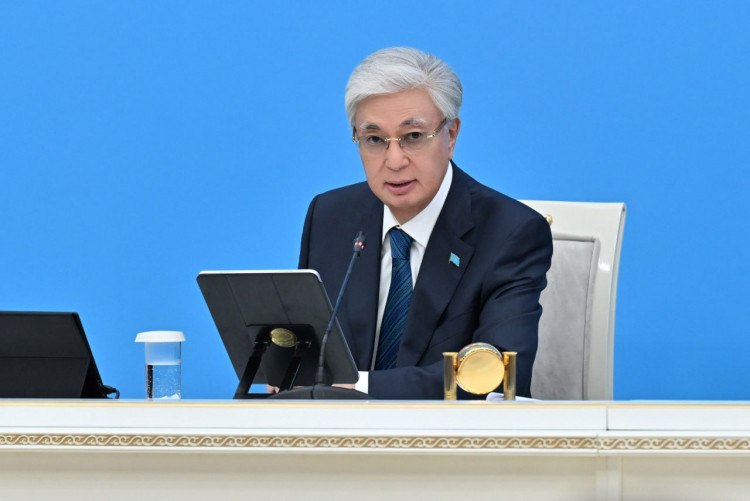
Tokayev Calls for Greater Role for Kazakhstani Businesses in Alatau City Development

Kazakhstani entrepreneurs must become full participants in the development of Alatau City, the country’s flagship smart city project, alongside foreign investors, Kazakhstan’s president Kassym-Jomart Tokayev said. He made the remarks during a meeting on the future of what is envisioned as Kazakhstan’s first fully digital city. In 2024, Tokayev signed a decree granting city status to Zhetygen village, located approximately 50 kilometers from Almaty, Kazakhstan’s largest city. Alatau City incorporates Zhetygen as well as the settlements of Enbek, Zhanaarna, and Kuigan, along with parts of Konaev and Talgar district in Almaty Region. The project is designed as a smart city comprising four distinct zones: the Gate District, a financial and business center; the Golden District, focused on education and healthcare; the Growing District, dedicated to industrial and logistics facilities; and the Green District, intended for recreation and entertainment. Speaking at the June 2 meeting in Almaty, Tokayev said more than 50 investment projects had already been identified for Alatau City, with a combined value of approximately $4 billion and the potential to create more than 50,000 jobs. He called for the portfolio to be expanded in the next one or two years by attracting investors to priority sectors. Domestic businesses, he said, must become “full participants in the city’s development rather than mere observers.” Tokayev cited Shenzhen and special legal regimes in Hainan, Dubai, and Singapore as examples of places where governments played an early role by building core infrastructure. That approach, he added, reduces risks for businesses, creates predictable conditions for private capital, and can generate a cycle in which public infrastructure investment attracts private capital and future tax revenues. The president warned that shifting the burden of initial infrastructure investment to the private sector can reduce a project’s appeal and lead to monopolistic structures with excessive tariffs. He instructed the government to ensure stable financing for Alatau City’s core infrastructure during the initial stage and said the city could be given additional borrowing limits and authority to undertake government borrowing until it develops a sustainable revenue base. Budget funds, he said, must be used strictly for investment purposes and linked to the city’s long-term development. Tokayev directed investment toward priority sectors including information technology, industry, transport and logistics, tourism, healthcare, and education. To create a favorable investment climate, he instructed officials to follow international standards, especially in areas where national regulations lag behind global practice. He identified Alatau City as a strategic platform for the rapid development of digital assets and a new financial architecture for Kazakhstan. Additionally, he called for the quick removal of excessive barriers in the sector and the introduction of new financial instruments. These would include a clear legal status for digital assets, recognition of crypto assets as property, and the use of the digital tenge within the new system. Tokayev also proposed a zero tax rate on digital asset transactions and capital gains generated within the jurisdiction, as well as faster work to tokenize real-sector assets, including real estate, infrastructure projects, and natural...

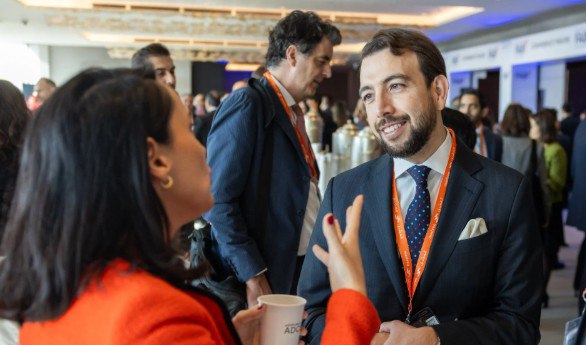
AIIB Projects Win Awards as Uzbekistan Rises in Regional Infrastructure Finance

Three projects backed by the Asian Infrastructure Investment Bank (AIIB) were recognized at the Global Banking & Markets (GBM) Awards, Türkiye & Central Asia 2025, held in Istanbul. The accolades highlight AIIB’s expanding role in promoting commercially structured, investment-ready infrastructure projects in the region, a trend that is increasingly relevant for rapidly developing markets such as Uzbekistan. At the awards ceremony, the Antalya Airport Expansion (Aspendos) received the Transport Finance Deal of the Year award. The Nakkaş-Başakşehir Motorway was named Infrastructure Finance Deal of the Year, and Ronesans Holding’s debut $350 million Eurobond received the Blended Finance Deal of the Year award. Industry experts note that these projects reflect a broader shift toward blended finance and co-financing mechanisms in Turkey and Central Asia. These approaches are becoming increasingly important for Uzbekistan as it scales up infrastructure development and aligns new projects with international best practices. Uzbekistan is now one of AIIB’s fastest-growing markets, with investments spanning energy, transport, digital infrastructure, and regional connectivity. The country’s recent rise into AIIB’s top ten borrowers reflects both its need for stable long-term financing and its intent to structure major infrastructure initiatives according to global standards. Igor Popkov, Senior Investment Officer and Project Team Lead for the Antalya Airport project, said the awarded deals show how complex infrastructure financing is evolving. He noted that Türkiye remains AIIB’s second-largest borrower, with $6 billion in approved projects, while Uzbekistan is “rapidly climbing” the ranks. Development finance institutions, he added, continue to play a crucial role in making large-scale projects bankable and aligned with international norms. Observers also pointed to the growing use of instruments such as A/B loan structures, guarantees, and long-term project financing in Uzbekistan, where multiple AIIB-supported projects are under preparation or implementation. The GBM recognition follows the signing of a $500 million financing agreement between AIIB and the Government of Uzbekistan on November 28 to support the country’s Green and Resilient Market Economy Program. The initiative aims to help Uzbekistan transition to a more sustainable and climate-resilient economic model.