• KGS/USD = 0.01143 -0%
  • KZT/USD = 0.00198 -0%
  • TJS/USD = 0.10899 0.93%
  • UZS/USD = 0.00008 0%
  • TMT/USD = 0.28490 -0.28%
  • KGS/USD = 0.01143 -0%
  • KZT/USD = 0.00198 -0%
  • TJS/USD = 0.10899 0.93%
  • UZS/USD = 0.00008 0%
  • TMT/USD = 0.28490 -0.28%
  • KGS/USD = 0.01143 -0%
  • KZT/USD = 0.00198 -0%
  • TJS/USD = 0.10899 0.93%
  • UZS/USD = 0.00008 0%
  • TMT/USD = 0.28490 -0.28%
  • KGS/USD = 0.01143 -0%
  • KZT/USD = 0.00198 -0%
  • TJS/USD = 0.10899 0.93%
  • UZS/USD = 0.00008 0%
  • TMT/USD = 0.28490 -0.28%
  • KGS/USD = 0.01143 -0%
  • KZT/USD = 0.00198 -0%
  • TJS/USD = 0.10899 0.93%
  • UZS/USD = 0.00008 0%
  • TMT/USD = 0.28490 -0.28%
  • KGS/USD = 0.01143 -0%
  • KZT/USD = 0.00198 -0%
  • TJS/USD = 0.10899 0.93%
  • UZS/USD = 0.00008 0%
  • TMT/USD = 0.28490 -0.28%
  • KGS/USD = 0.01143 -0%
  • KZT/USD = 0.00198 -0%
  • TJS/USD = 0.10899 0.93%
  • UZS/USD = 0.00008 0%
  • TMT/USD = 0.28490 -0.28%
  • KGS/USD = 0.01143 -0%
  • KZT/USD = 0.00198 -0%
  • TJS/USD = 0.10899 0.93%
  • UZS/USD = 0.00008 0%
  • TMT/USD = 0.28490 -0.28%
06 December 2025

Viewing results 1 - 6 of 27

Kyrgyzstan’s SCNS Head Proposes Ban on “Fights Without Rules”

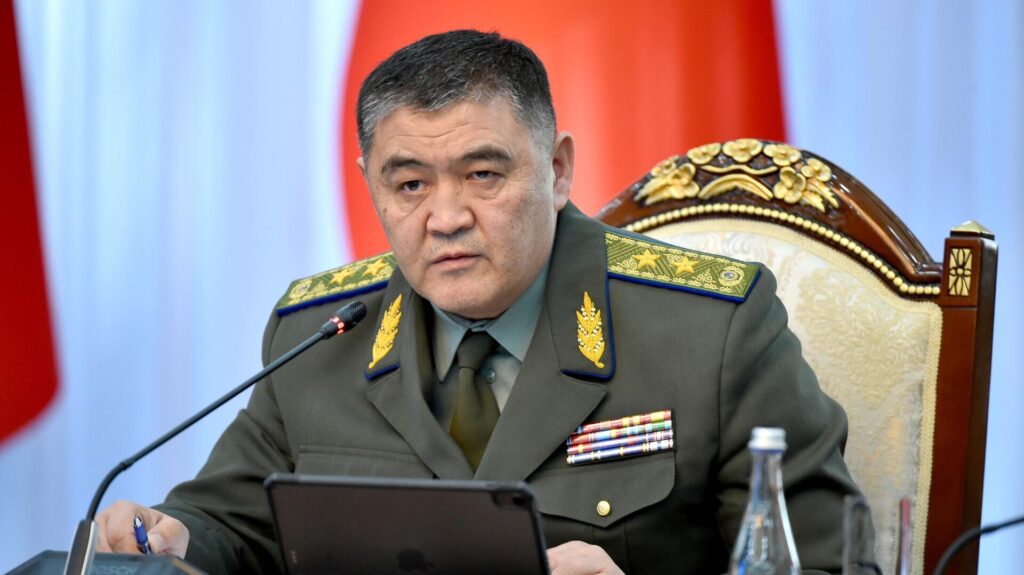
Kamchybek Tashiyev, the head of Kyrgyzstan's State Committee for National Security (SCNS), has proposed banning "fights without rules," citing their negative influence on youth and society. Tashiyev expressed these concerns during a live broadcast on Facebook, urging a national reevaluation of such activities. Tashiyev argued that these fights create a misleading notion among young people that success in life can be achieved through violence and coercion. “Fighting without rules is not a sport, but a type of brawling. Such competitions form a false belief in young people that success can be achieved by force and aggression. We need to raise a generation that relies on education and science,” Tashiyev said. He further highlighted the dangers associated with these events, emphasizing their harmful effects on both moral guidance and physical health. According to Tashiyev, many participants suffer severe injuries, with some becoming disabled by the age of 40. To address these concerns, Tashiyev urged athletes and young people to focus on Olympic sports, which he described as fostering physical development and receiving state support. Tashiyev also rejected the argument that the global popularity of unrestricted fighting justifies its practice in Kyrgyzstan, emphasizing that the country should prioritize its own values and traditions over external influences. From an Islamic perspective, Tashiyev stressed the incompatibility of such activities with moral principles, stating that “Even from the point of view of Islam, such actions are wrong - beating and maiming each other has no place in our values,” Tashiyev concluded by appealing to sports associations to take measures to restrict fights without rules and guide Kyrgyzstan's youth toward healthier and more constructive activities.
Uzbekistan Evacuates 100 Injured Palestinians for Treatment and Care

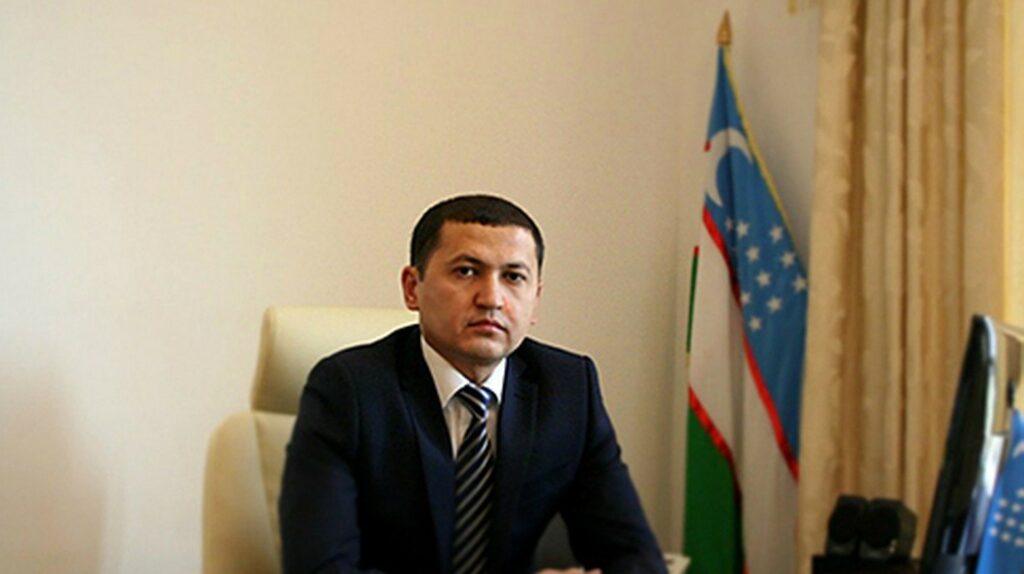
Uzbekistan has evacuated 100 injured Palestinian women and children, along with their guardians, from Rafah to provide medical treatment and care. Uzbekistan’s ambassador to Egypt, Mansurbek Kilichev, shared the details with the Egyptian Ahram portal. The evacuation was initiated by President Shavkat Mirziyoyev in collaboration with the health ministries of Uzbekistan and Egypt. According to Kilichev, the evacuees will remain in Uzbekistan until it is safe enough for them to return to their homeland. Currently, they are being housed in rehabilitation centers and hospitals, where they are receiving medical care and recovery support. The Uzbek government is ensuring that the evacuees have access to housing, food, medical assistance, and education for the children during their stay. Kilichev affirmed that they are living in comfortable conditions. This initiative reflects Uzbekistan’s broader humanitarian efforts. In November, President Mirziyoyev addressed an Arab-Islamic summit on the issue of Palestine, calling for an end to military actions in Palestinian territories and the establishment of humanitarian corridors. He also expressed Uzbekistan’s readiness to host injured women and children for treatment and rehabilitation. Uzbekistan’s assistance to Palestinians is part of a sustained effort. Last year, President Mirziyoyev allocated $1.5 million to the United Nations Relief and Works Agency (UNRWA) to support Palestinian refugees in Gaza. This recent evacuation demonstrates Uzbekistan’s commitment to providing humanitarian aid while encouraging stability in the region.

Kazakhstan to Become a BRICS Partner on January 1, 2025

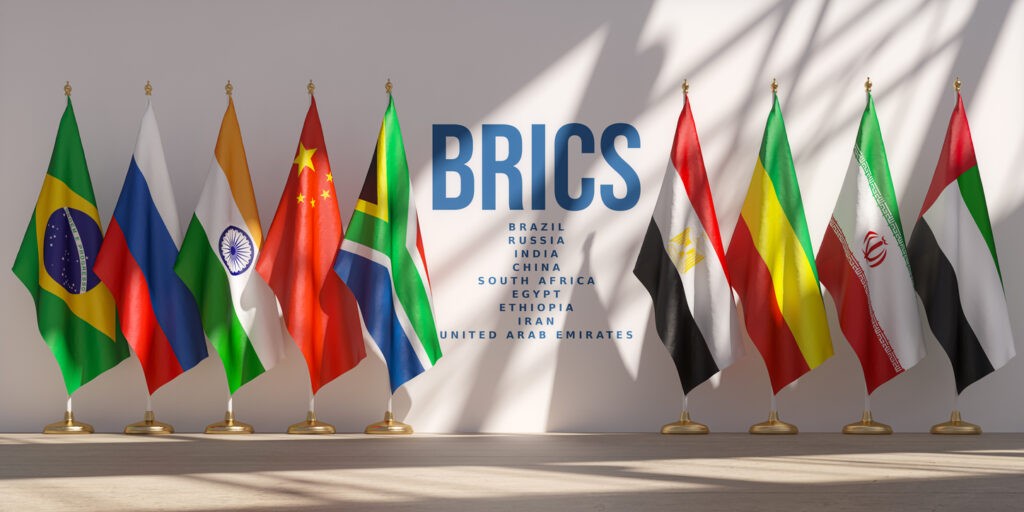
Kazakhstan will officially join BRICS as a partner state on January 1, 2025, according to Yuri Ushakov, an assistant to Russian President Vladimir Putin. Ushakov stated that Russia has received confirmation from several countries expressing readiness to become BRICS partners. “One of the important results of the BRICS summit in Kazan was the establishment of the category of BRICS partner countries and agreement on a list of 13 states. Appropriate invitations were sent to these states. Confirmations of readiness to become a BRICS partner state have been received from Belarus, Bolivia, Indonesia, Kazakhstan, Cuba, Malaysia, Thailand, Uganda, and Uzbekistan,” Ushakov announced​. Kazakhstan’s Position on BRICS Partnership Kazakhstan’s Ministry of Foreign Affairs has confirmed the country’s status as a BRICS partner state, effective from January 1, 2025​. However, the press secretary to Kazakh President Kassym-Jomart Tokayev, Berik Uali, previously stated that the country does not plan to seek full BRICS membership in the foreseeable future. Uali cited the multi-stage application process and considerations regarding the association's development prospects as reasons for this decision​. BRICS, comprising Brazil, Russia, India, China, and South Africa, aims to promote economic, political, and cultural cooperation among member states. As a partner, Kazakhstan will engage with BRICS without taking on the obligations or privileges of full membership. This development marks a significant step in Kazakhstan’s international engagement strategy while reflecting its cautious approach to deeper involvement in the bloc.

Kazakhstan Offers Neutral Ground for Peace Talks, Says Deputy Minister Vassilenko

Kazakhstan’s Deputy Minister of Foreign Affairs, Roman Vassilenko, has expressed hope for ending global conflicts, reiterating Kazakhstan's readiness to provide a platform for dialogue. Vasilenko made the remarks at the World Policy Conference held in Abu Dhabi. “I am an optimist by nature and hope that wars will stop. This applies to the ongoing conflicts in Ukraine and the Middle East,” Vasilenko said in an interview. The Deputy Minister underscored Kazakhstan’s neutral stance, highlighting the country’s balanced diplomatic relations with Russia and Western nations. “We hope that by the end of this year or possibly next year, Armenia and Azerbaijan will sign a peace treaty. We have offered to host this event in Kazakhstan,” Vasilenko stated. Vasilenko also emphasized the European Union's significance in Kazakhstan’s economic development and international partnerships. “The EU is our largest trade partner and investor. It is the largest market for Kazakhstani oil and a vital source of technology and investment. We are collaborating with the EU to develop the Middle Corridor, a trade route connecting Central Asia with Europe via the Caspian Sea and the South Caucasus. Progress has already been made. For instance, over the next three years, we aim to quadruple the volume of cargo transported along this route,” he noted. Kazakhstan continues to position itself as a bridge between dialogue and cooperation, leveraging its strategic geographic location and balanced foreign policy.

Turkmenistan Bans Students from Celebrating New Year’s Eve

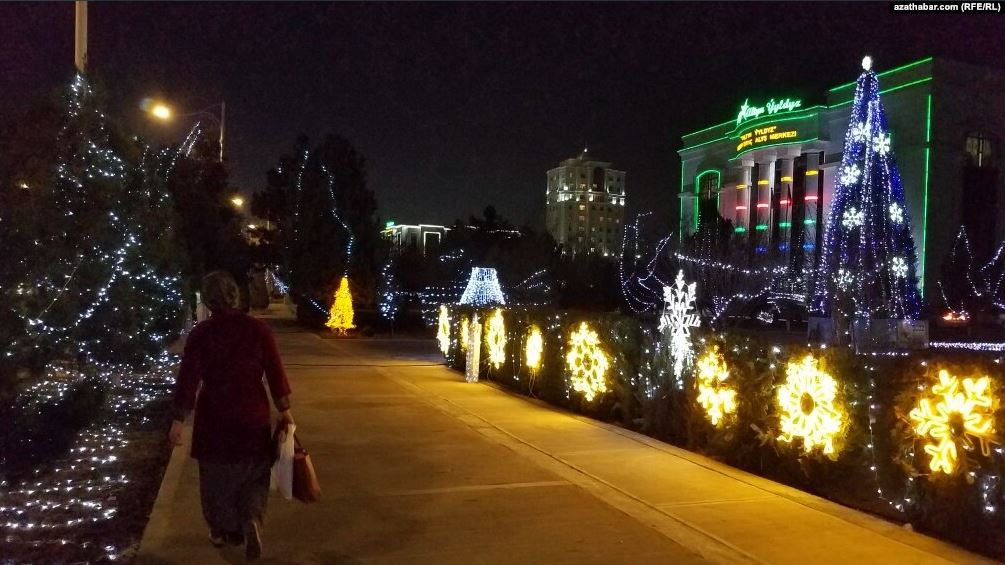
Authorities in Turkmenistan have imposed strict measures preventing students and schoolchildren from celebrating New Year’s Eve, requiring them to sign written pledges to abstain from festivities. Students are prohibited from hosting or attending parties at home or in cafes and are barred from being outdoors during the celebration. “Students have been forced to write forms stating they will not celebrate New Year’s Eve and will return to their dormitories after attending official events,” a source revealed. Violations of the ban are met with threats of expulsion. According to reports, older students in previous years were expelled for secretly hosting parties, serving as a warning to others. Similar restrictions are being enforced in schools across Ashgabat, where festive parties have been banned following an order from the Ministry of Education. Teachers have been instructed to ensure compliance with these regulations. Paradoxically, official state media in Turkmenistan are showcasing large-scale New Year preparations, including the lighting of the “Main Christmas Tree of the Country” on December 14. Despite the visible holiday decorations, New Year celebrations remain tightly controlled. Last year, schools and kindergartens canceled New Year events, and state institutions were prohibited from installing Christmas trees. Local analysts attribute these stringent measures to the conservative policies of President Serdar Berdimuhamedov. Unlike his father, Gurbanguly Berdimuhamedov, who was known for extravagant celebrations and even personal performances at New Year’s events, Serdar has opted for a more restrained and controlled approach. The restrictions reflect the growing emphasis on regulation and conformity under Turkmenistan’s current leadership, casting a shadow over what was once a more festive and unifying holiday.

Russian Journalist Pivovarov Detained After Filming Cotton Fields in Karakalpakstan

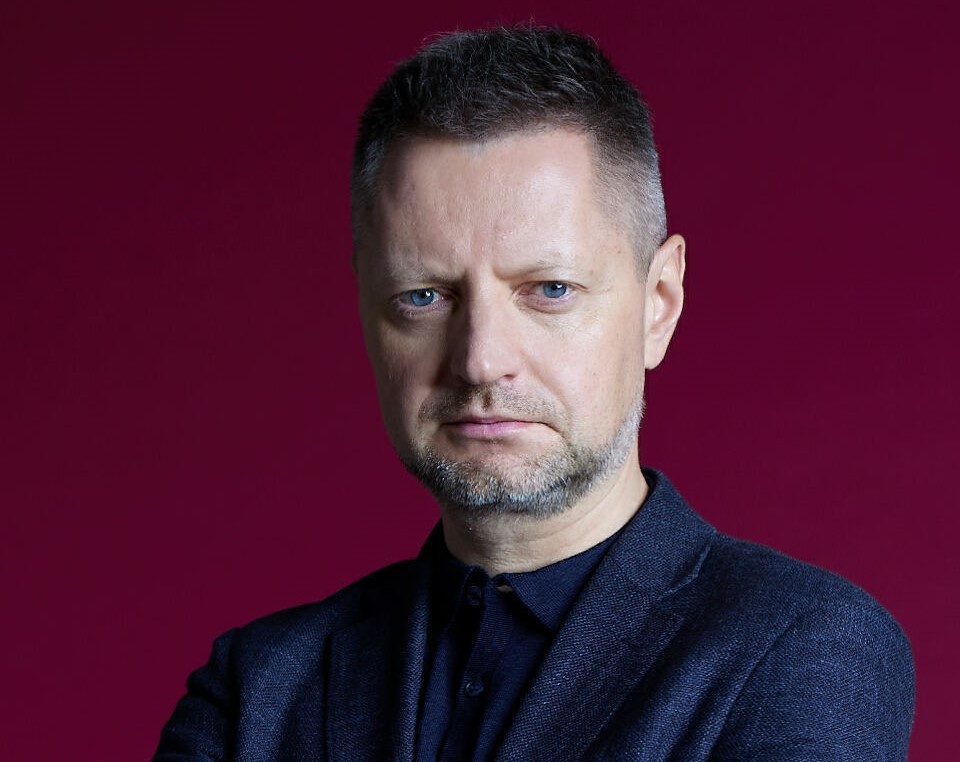
Alexey Pivovarov, a Russian journalist and YouTuber, was detained in Nukus, the capital of the autonomous Uzbek republic of Karakalpakstan. He was questioned by authorities along with the photography team for his project, Redaktsiya (Editorial), and Feride Makhsetova, a journalist from the local news portal Hook. Their arrest was initially reported by Hook. The journalists were detained "for an interview", supposedly following a complaint by an unidentified citizen. Authorities confiscated the visual material collected by the team, who, according to Pivovarov on his Telegram channel, had been filming in one of the region's cotton fields. The Karakalpakstan branch of the Agency for Information and Mass Communications claimed that the detentions occurred because the journalists were not accredited by the Ministry of Foreign Affairs. Later, Pivovarov, Makhsetova, and their team were released by the Nukus Department of Internal Affairs. They subsequently traveled to Tashkent without the materials they had filmed in Karakalpakstan. The Russian Embassy in Uzbekistan addressed the incident, stating that it had contacted Uzbekistan’s Ministry of Foreign Affairs and would provide support to the Russian citizens involved. In a message on his Telegram channel, Pivovarov described the officials in Nukus as “friendly and polite.”