• KGS/USD = 0.01144 0%
  • KZT/USD = 0.00211 0%
  • TJS/USD = 0.10554 -0.09%
  • UZS/USD = 0.00008 0%
  • TMT/USD = 0.28530 0%
  • KGS/USD = 0.01144 0%
  • KZT/USD = 0.00211 0%
  • TJS/USD = 0.10554 -0.09%
  • UZS/USD = 0.00008 0%
  • TMT/USD = 0.28530 0%
  • KGS/USD = 0.01144 0%
  • KZT/USD = 0.00211 0%
  • TJS/USD = 0.10554 -0.09%
  • UZS/USD = 0.00008 0%
  • TMT/USD = 0.28530 0%
  • KGS/USD = 0.01144 0%
  • KZT/USD = 0.00211 0%
  • TJS/USD = 0.10554 -0.09%
  • UZS/USD = 0.00008 0%
  • TMT/USD = 0.28530 0%
  • KGS/USD = 0.01144 0%
  • KZT/USD = 0.00211 0%
  • TJS/USD = 0.10554 -0.09%
  • UZS/USD = 0.00008 0%
  • TMT/USD = 0.28530 0%
  • KGS/USD = 0.01144 0%
  • KZT/USD = 0.00211 0%
  • TJS/USD = 0.10554 -0.09%
  • UZS/USD = 0.00008 0%
  • TMT/USD = 0.28530 0%
  • KGS/USD = 0.01144 0%
  • KZT/USD = 0.00211 0%
  • TJS/USD = 0.10554 -0.09%
  • UZS/USD = 0.00008 0%
  • TMT/USD = 0.28530 0%
  • KGS/USD = 0.01144 0%
  • KZT/USD = 0.00211 0%
  • TJS/USD = 0.10554 -0.09%
  • UZS/USD = 0.00008 0%
  • TMT/USD = 0.28530 0%

Viewing results 1 - 6 of 107

Navigating Afghan-Pakistani Conflict: Central Asia’s Mediating Role in Regional Stability

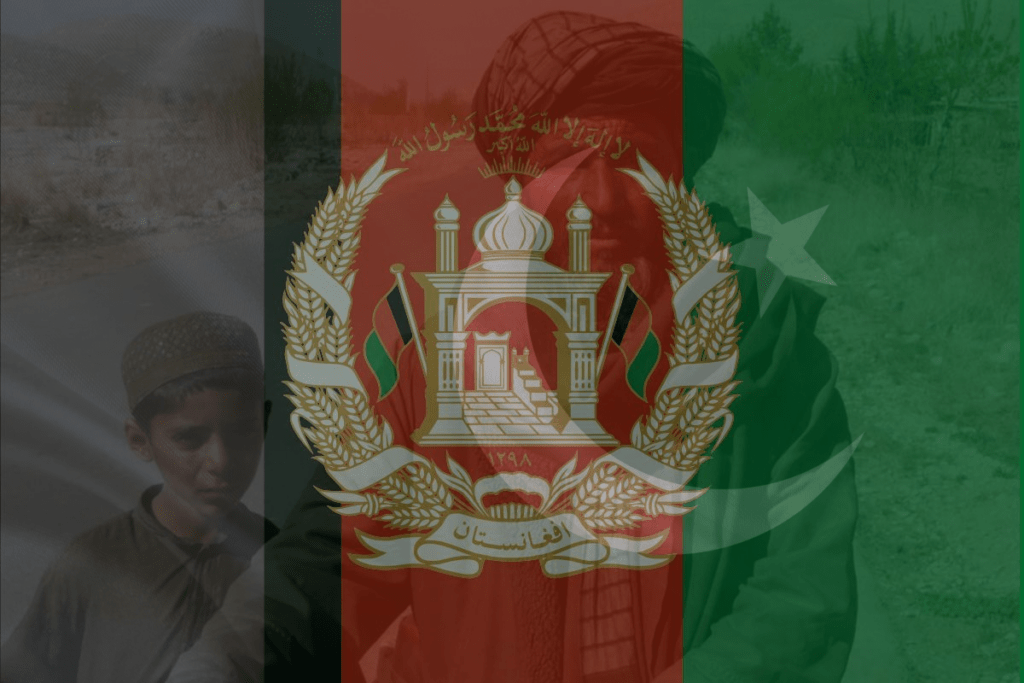
Recently, there has been a significant increase in tensions between Afghanistan and Pakistan, with both sides regularly exchanging accusations. In addition to this, border conflicts have become more frequent, with border crossings periodically closed. According to Modern Diplomacy, both countries are in a state of quite severe political conflict, and distrust and hostility from the Afghan population towards Pakistan is growing even though the "victory of the Taliban and the reincarnation of the Islamic Emirate... should have been a victory for Pakistan and strengthened its position in the region.” The confrontation between the two neighbors in South Asia is a source of concern for other countries in the region, especially for the Central Asian republics, which are increasingly acquiring the status of independent players in their dealings with Afghanistan. Due to their proximity, these republics to varying degrees link their development with a stable Afghanistan designed to become a bridge to South Asia. Negative dynamics in Afghan-Pakistani relations are a cause of much wringing of hands. Pakistan was among the first states to recognize the independence of the former Soviet Central Asian republics and has dynamic ties with them. Pakistan's trade turnover with the region is roughly $500 million annually, most of which comes from imports to Pakistan. The nations are linked by the Quadrilateral Traffic in Transit Agreement (QTTA), the Turkmenistan-Afghanistan-Pakistan-India (TAPI) gas pipeline project, the CASA-1000 energy project, and the Uzbekistan–Afghanistan–Pakistan Railway Project. The majority of these projects use Afghanistan as a bridge between Central Asia and Pakistan. In this regard, the countries of Central Asia are interested in a political situation which excludes confrontational approaches; none of them are interested in further destabilization in Afghanistan. In the Central Asian republics, there is a well-established understanding of Pakistan's exceptional and particularly important role in Afghanistan’s stability. Pakistan has a defining influence on security in Afghanistan and has historically been the most integrated in Afghan issues at the level of political and multi-ethnic conflicts. Pakistan is linked to its neighbor by historical and socio-cultural ties. In reality, however, a different story is emerging. At both a global and regional level, active measures out of Islamabad set to discredit the de facto Taliban-led government of Afghanistan have been observed. Islamabad has undertaken a robust information campaign, which has put forward an entrenched narrative about Afghanistan being one of the world’s major sources of terrorism. In this information war, Islamabad, being a fully-fledged member of the international community, has clear advantages and has used all available tools, including access to global platforms. Islamabad also has access to specialized committees and departments of the UN, which regularly prepare reports on the situation in Afghanistan. Unsurprisingly, it has used these to include ideas favorable its' position on the world stage. Acting as a source of information, Islamabad has presented its point of view, which the international community has largely accepted as objective information. However, it does not provide specific data, such as the size of terrorist groups or the location of their training camps....

Central Asia Finesses Pressure over Russia, Sanctions

Kyrgyzstan says it will cooperate with regional heavyweight Russia despite appeals from some Western countries not to do so. The comment by President Sadyr Japarov of Kyrgyzstan reflects a broader effort by Central Asian countries to balance longstanding economic and security ties with Moscow alongside relationships with Europe and the United States, which have imposed multiple sanctions packages on Russia since its full-scale invasion of Ukraine in February 2022. “Certainly, there are Western countries that ask us not to cooperate with Russia,” Japarov said in an interview with the state-run Kabar news agency that was published on Wednesday. “However, I always openly and sincerely respond to them: ´We cannot refuse to cooperate with Russia. Our trade turnover with Russia exceeds $4 billion. We buy oil, gas, wheat and other foodstuffs from Russia. Geographically, we are in a landlocked area. Our road and rail routes to the world pass through Russia. Russia hosts about a million of our migrants. How can we not cooperate with Russia?”´ Japarov noted that trade between some European Union countries and Russia runs into billions of dollars a year despite sanctions, saying: “When you need it, you cooperate with Russia, but we are not allowed to. This is an unfair demand.” The EU says it has imposed “massive and unprecedented” sanctions on Russia, including travel bans on individuals, asset freezes on individuals and entities and economic measures that target Russia’s financial, trade, energy, transport, technology and defense areas. However, exemptions and loopholes mean that some trade continues, for example allowing EU member states that are especially dependent on Russian crude oil to continue receiving it by pipeline. Czechia has spent more than 7 billion euros on Russian oil and gas, over five times what it has provided in aid to Ukraine, according to a report released this week by the Center for the Study of Democracy, a European public policy institute. Additionally, many analysts have pointed to a surge in European exports to Central Asia and the Caucasus since 2022 as a probable indication that EU and British companies are using the regions as a conduit to send goods to Russia, including at least a portion that are subject to sanctions. The difficulty of tracking products made it hard to confirm any sanctions-dodging, though an analysis of trade data by the European Bank for Reconstruction and Development last year concluded that changes in regional trade patterns “may be used to circumvent economic sanctions but on a limited scale.” At the same time, there have been more reports of banks in Central Asian countries refusing to accept cross-border payments from Russian companies as the United States moved to impose secondary sanctions for doing business with Russian entities. Banks in China, Türkiye and the United Arab Emirates, all big trade partners with Russia, have taken similar action. Kyrgyzstan is not the only Central Asian country that has expressed frustration about Western sanctions. Last year, Kazakh President Kassym-Jomart Tokayev said his country would comply with sanctions against Russia while still...

Kazakhstan Decides to Abstain from Applying for BRICS Membership

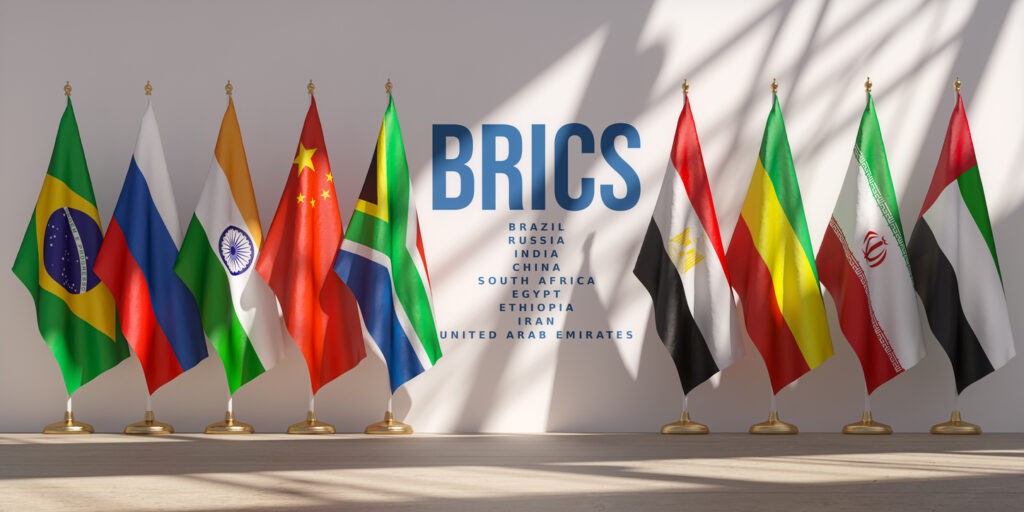
Kazakhstan's presidential spokesman, Berik Uali, announced that Kazakhstan plans to refrain from applying for membership in the international association BRICS. According to him, despite Kazakhstan's proposals, the decision to join BRICS remains under consideration. Specialists are analyzing prospects with a focus on the country's national interests. Uali also noted that President Tokayev will participate as a guest in the BRICS Summit, scheduled to take place October 23-24 in Kazan. He will speak at the organization's extended outreach meeting on October 24. At the same time, Kazakhstan will refrain from applying for BRICS membership. This is due to the multi-stage process of accepting new members and other aspects of the association's development. When asked about the priorities of Kazakhstan's diplomacy, Berik Uali noted that Tokayev emphasized the importance of the UN as a universal and irreplaceable international institution. Despite its shortcomings, he emphasized that the UN remains the sole platform for addressing crucial global issues. Tokayev also expressed the view that the UN Security Council should be reformed to consider the interests of the middle powers and to hold broad consultations among the organization's members. Established in June 2006, BRICS (Brazil, Russia, India, China, South Africa, UAE, Iran, Egypt, Ethiopia) aims to promote a multipolar world order. Azerbaijan and Belarus have already applied to join.

Middle Powers Rising: Shaping a Balanced Global Order at the Astana Think Tank Forum

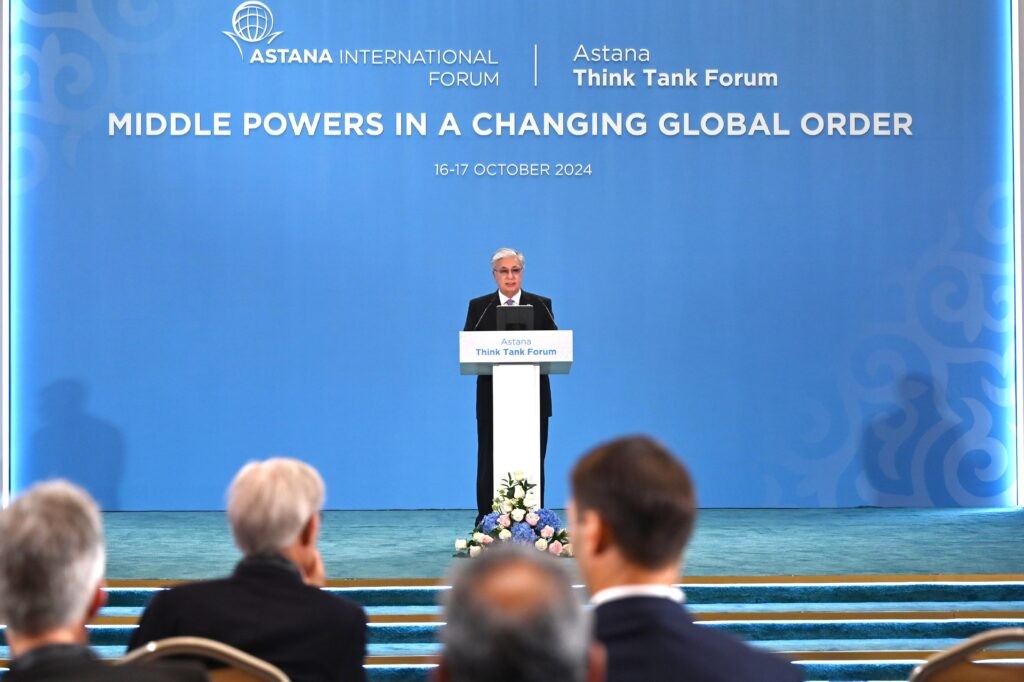
On October 16-17, the capital of Kazakhstan hosted the Astana Think Tank International Forum. The theme of the two-day meeting was “Middle Powers in the Changing Global Order: Strengthening Security, Stability and Sustainable Development.” Experts from 22 countries — heads of leading think tanks, politicians and diplomats — participated and spoke at the event. Kazakhstan's President Kassym-Jomart Tokayev addressed the forum. The two-day event focused on geopolitical, economic and strategic issues, including the role of mediating countries in resolving global conflicts. One of the main topics was determining the potential of intermediate states in forming a new world system under conditions of geopolitical tension. The experts tried to define the term "middle power" and what countries can be classified as middle powers. The moderator of the key session, Charles McLean, Managing Director of Borderless Consulting Group, invited the participants to answer several questions about the criteria, characteristics, and influence of middle powers in the modern geopolitical context. Dino Patti Djalal, Chair of the Foreign Policy Community of Indonesia (FPCI), suggested categorizing all the of the world's states using analogies to boxing weight classes: heavyweights, middleweights, and lightweights. According to Djalal, middle powers have great potential to create a new world order. “There are several dimensions of middle powers. The first is potential, encompassing territorial and demographic size factors, political and economic weight, and a state's foreign policy ambitions. The second dimension is a moderate stance on major global issues,” Djalal said. Citing Kazakhstan as an example of a middle power, Djalal stated that Kazakhstan has achieved this status due to its balanced position, which allows it to exert some influence on the formation of the world order. Djalal emphasized that, even today, middle states (the bulk of which are concentrated in the Global South) can solve regional issues without the participation of so-called 'world powers'. “Look at Southeast Asia. Indonesia and Singapore solve their issues directly, without external influence. Naturally, this situation is developing in the conditions of weakening U.S. influence. Middle powers are dictating new rules,” Djalal noted, and should voice their positions on the global agenda, so their “voice” will be heard and become more “powerful.” Michel Duclos, Special Advisor on Geopolitics, suggested that regional powers whose activities have a global impact should be considered middle powers. “The great challenge for middle powers is establishing peace and stabilizing the situation. However, a common platform for all middle powers must be formed. This applies to the Global South and the Global North. France and others are reforming the UN Security Council,” Duclos stated. Joshua Lincoln from the Center for International Law and Governance at the Fletcher School (Tufts University), meanwhile, believes that increasing competition between great powers opens a “window of opportunity” for medium-sized states. “Geopolitical rivalries, the fragmentation of the world order, and the disillusionment of many with existing international institutions offer middle powers an opportunity to bring order to today's chaos. Their stance can enormously contribute to the world's security, stability, and sustainability. However, no country, even...

Turkic Investment Fund to Begin Financing Projects

Following the participation of its head, Temir Sariev, in a meeting of the Chambers of Commerce and Industry of the Turkic states in Istanbul on October 16, Kyrgyzstan’s Chamber of Commerce and Industry announced that from January 2025, the Turkic Investment Fund, with an authorized capital of $1 billion, will begin financing major joint projects of member countries of the Organization of Turkic States. The Organization of Turkic States, currently comprising Azerbaijan, Kazakhstan, Kyrgyzstan, Turkey, Uzbekistan, and Turkmenistan, with Hungary and the Turkish Republic of Northern Cyprus as observers, was founded in 2009 to foster comprehensive cooperation among Turkic-speaking nations. The Turkic Investment Fund, aimed to mobilize the economic potential of the Organization of Turkic States member states, strengthen trade and economic cooperation, and implement joint projects in infrastructure, renewable energy, agriculture, tourism, and IT, was established at the extraordinary summit of the Organization of Turkic States in March 2023 in Ankara. Founding members include Azerbaijan, Kazakhstan, Kyrgyzstan, Turkey, and Uzbekistan. Hungary joined in June 2024, and Turkmenistan has an observer status. After the inaugural meeting of the Fund's Board of Governors in Istanbul in May 2024, the Turkish Ministry of Finance declared that by the end of 2024, the Turkic states are poised to play to an important role in the world economy, reaching an economic volume of $1.9 trillion and a population of 178 million.

Ambassador of Taliban-led Afghanistan Starts Work in Uzbekistan

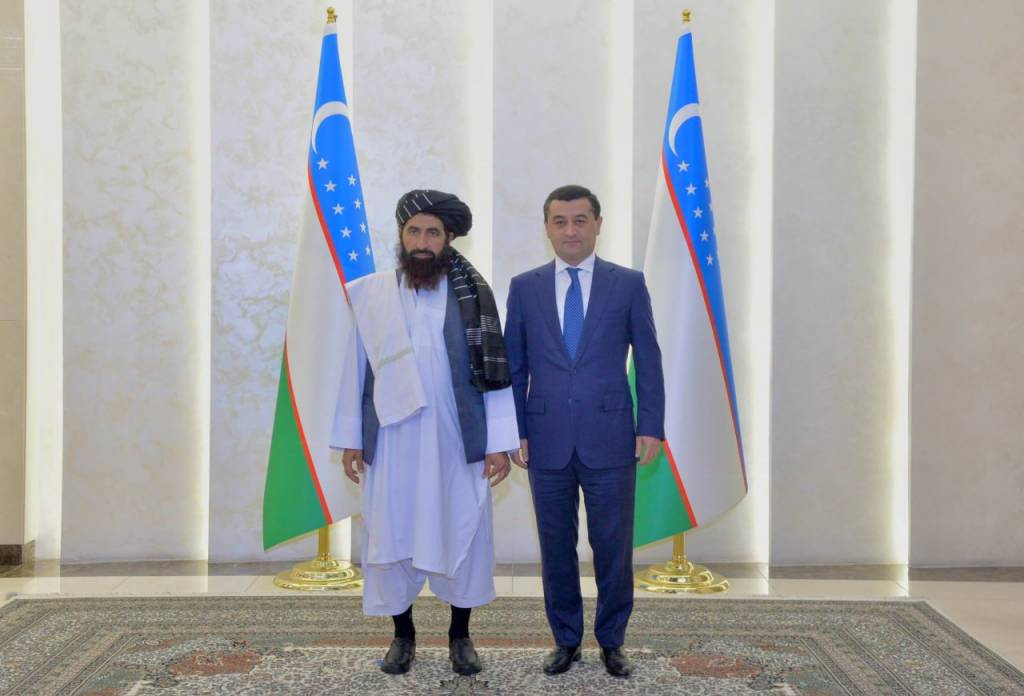
Uzbekistan’s Ministry of Foreign Affairs has reported that on October 9, Foreign Minister Bakhtiyor Saidov received Abdul Ghafar Terawi, the new head of Afghanistan’s diplomatic mission to Uzbekistan, in Tashkent. During talks, both parties emphasized the need to enhance relations between Uzbekistan and Afghanistan, realize the untapped potential of cooperation, and develop new projects to serve the interests of their people. The ambassador expressed gratitude on behalf of Afghanistan for the ongoing assistance provided by Uzbekistan. Speaking at the 79th session of the United Nations General Assembly late in September, Uzbek Foreign Minister Saidov stated that Afghanistan is an integral part of Central Asia and addressing the Afghan problem is  key to ensuring stability and sustainable development in the region. “Uzbekistan is pursuing a pragmatic policy towards Afghanistan. We will continue to contribute to Afghanistan’s economic reconstruction and the development of its transport and energy infrastructure,” announced the Uzbek foreign minister. He also commended Uzbekistan's implementation of the ambitious construction of the Trans-Afghan railway,  which by providing  access to global ports, will have a positive impact on the economic development of the vast region. The minister emphasized that the International Trade Center, recently established in the Uzbek city of Termez on the Afghan border, was designed to foster a favorable business environment and enhance logistics, and added that Uzbekistan is ready to expand the Educational Center for Afghan citizens in Termez into a global training center. Afghanistan’s TOLOnews earlier reported that China and the United Arab Emirates had also officially accepted ambassadors from the Taliban-led Afghan government. Early in September, Kyrgyzstan’s Ministry of Foreign Affairs announced a decision to remove the Taliban from the list of prohibited organizations within the territory of the Kyrgyz Republic. The Ministry emphasized that the removal of the Taliban, the unrecognized group that effectively controls Afghanistan, from the list of banned terrorist organizations aims to enhance regional stability and support ongoing dialogue. Early in June, Kazakhstan’s President Kassym-Jomart Tokayev announced that his country had removed the Taliban from its list of terrorist organizations, stressing that the move was made to develop trade and economic ties with Taliban-led Afghanistan, and in late August, Kazakhstan’s Foreign Ministry accredited a chargé d’affaires of Taliban-led Afghanistan to expand trade, economic, and humanitarian cooperation between the two countries.