Viewing results 1 - 6 of 53
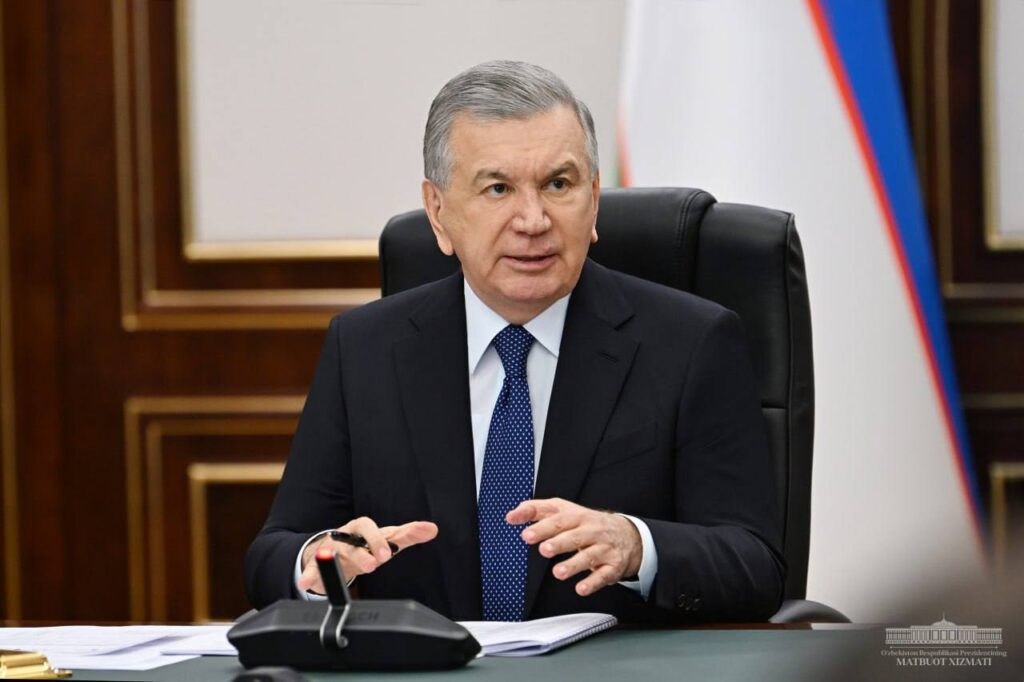
On December 19, Uzbek President Shavkat Mirziyoyev chaired a government meeting to review foreign investment progress in 2024 and outline goals for 2025. Since 2017, Uzbekistan has attracted a total of $188 billion in investments, including $87 billion in foreign investments. This has increased the share of investments in the country’s GDP to over 30%, providing a solid foundation for sustainable economic growth. In 2024, the volume of investments grew by 1.3 times, surpassing $36 billion. These funds financed 560 large and medium-sized projects, many of which have already been put into operation this year. These projects are expected to boost Uzbekistan’s exports by $1 billion in 2025. For 2025, Uzbekistan aims to utilize $43 billion in investments, funding over 300 large projects. These initiatives will support the production of 662 types of import-substituting goods, further strengthening the country’s industrial base. Mirziyoyev underscored the importance of targeted engagement with foreign investors and improving conditions to attract more investment. The meeting also set an ambitious goal to double Uzbekistan’s annual export volume by 2030, reaching $45 billion. Achieving this target will require launching new investment projects, increasing the production of high-added-value goods, and expanding access to international markets.
On December 4-5, Uzbekistan participated for the first time in the meeting of the General Scheme of Preferences (GSP+) working group of the European Union in Brussels. The meeting included representatives from 28 EU member states and Uzbekistan’s Ministry of Investment, Industry, and Trade (MIIT). Uzbekistan’s delegation highlighted the progress made since becoming a GSP+ beneficiary in 2021. During this time, the country’s exports to the EU nearly tripled, reaching $1.15 billion. Of the 6,200 products eligible for duty-free export, approximately 1,100 - primarily agricultural, textile, and chemical goods - are exported regularly. To further enhance market stability and competitiveness, the delegation proposed adding new fruits and vegetables to the list of preferred goods and revising seasonal export quotas. They also recommended extending the GSP+ preferential trade regime for an additional ten years to foster long-term economic ties with the EU. During the visit, Uzbek representatives held talks with European Commission officials to improve access to Uzbek products, adjust quotas for rolling metals, and secure technical assistance to align with EU standards. These discussions mark a significant step in expanding trade and economic cooperation under the GSP+ framework.
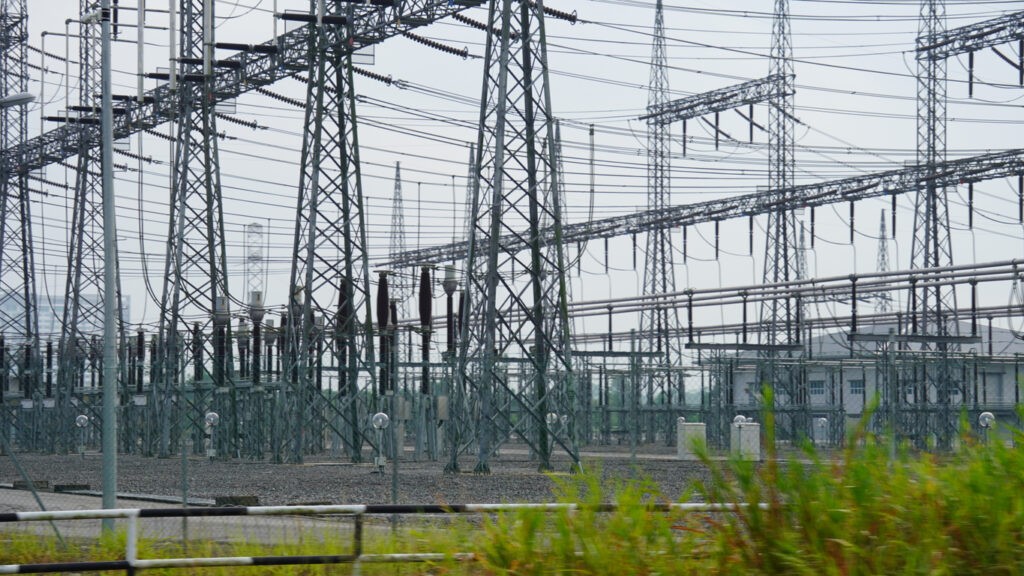
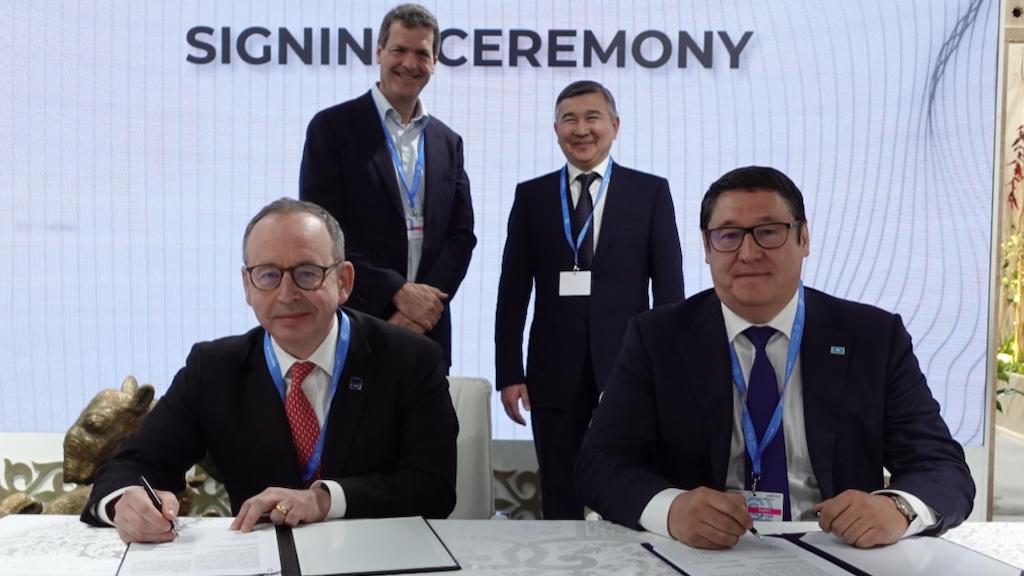
The European Bank for Reconstruction and Development (EBRD) has announced a €267 million financing package for the Kazakhstan Electricity Grid Operating Company (KEGOC) to enhance the reliability of the country’s power supply system. The funding comprises a €252 million EBRD loan and a €15 million concessional loan from the Government of Canada. The financial support will enable KEGOC, which oversees more than 27,800 kilometers of overhead transmission lines, to construct approximately 600 kilometers of 500 kV transmission infrastructure. This will facilitate the integration of the West Kazakhstan Power System into the country’s Unified Power System. The initiative is part of the EBRD’s broader efforts to assist Kazakhstan in implementing its long-term decarbonization strategy, aimed at achieving carbon neutrality in the power sector by 2060. It will improve the electricity supply for residents in western Kazakhstan and enable the integration of up to 12 GW of renewable energy capacity nationwide by 2030. Currently, Kazakhstan’s power grid is divided into three separate systems. While the EBRD connected the northern and southern grids in 2004, the West Kazakhstan Power System remains isolated. The project includes the construction of the 500 kV Karabatan-Ulke power line along the Atyrau-Aktobe motorway, the 500 kV Karabatan substation, and the expansion of the switchyards at the Karabatan (220 kV) and Ulke (500 kV) substations. These upgrades will strengthen domestic interconnections and enhance power supply reliability in western Kazakhstan. In addition to infrastructure improvements, the project is expected to reduce annual CO2 emissions by over 200,000 tons. It is supported by grant funding from the Government of Japan. The EBRD will also provide KEGOC with technical assistance, including piloting digital technologies within the grid, bolstering the system’s resilience to potential cyberattacks, and introducing gender-responsive training programs.
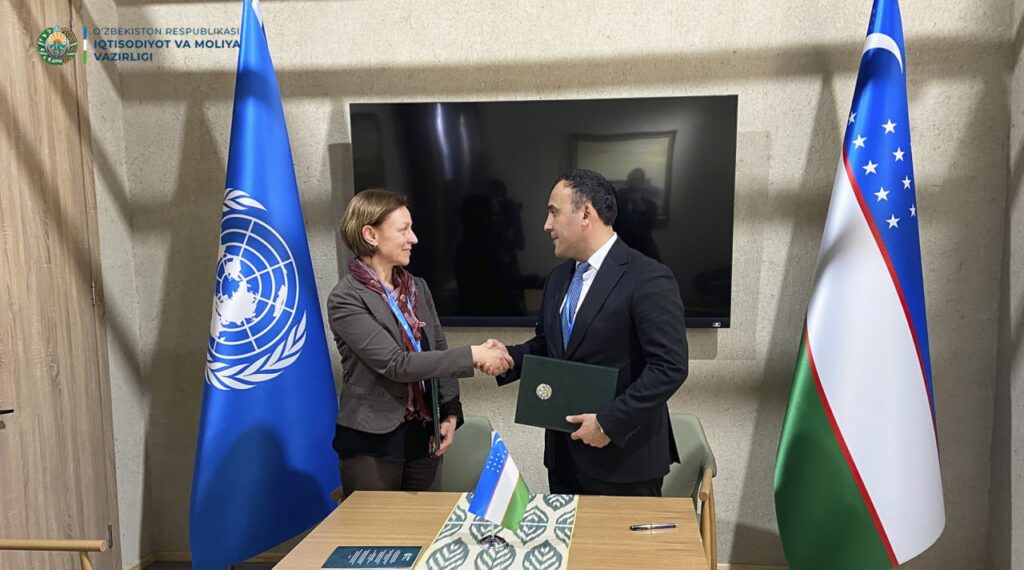
On November 13, at the 29th UN Climate Change Conference (COP29) in Azerbaijan's capital Baku, Uzbekistan's Ministry of Economy and Finance signed a memorandum with the German International Cooperation Society (GIZ) to secure additional funding for a project aimed at supporting the private sector in green industrialization. As part of the initiative, Germany has allocated €9 million to help Uzbekistan’s private sector transition to a green economy. The project is designed to assist the Uzbek government in implementing economic reforms and fostering sustainable economic development, focusing on enhancing the capacity of both the public and private sectors to adopt green industrialization practices. The initiative will also provide technical expertise in measuring and certifying greenhouse gas emissions, supporting Uzbekistan’s participation in international carbon trading mechanisms, and aligning with the European Union’s Cross-Border Adjustment Mechanism (CBAM). Additionally, it aims to promote resource-saving and sustainable production by encouraging the private sector to adopt green technologies, including circular economy practices and green industrial park models. To further bolster the project, a €3 million grant was approved during the conference. This funding will complement the ongoing initiative, titled “Support to the Private Sector and Advice on Economic Policy in Uzbekistan.”
Kazakhstan’s Ministry of Energy and the Asian Development Bank (ADB) have signed a memorandum of understanding, moving closer to the possible early retirement of a coal plant in Kazakhstan under the bank’s Energy Transition Mechanism (ETM) program. Under the memorandum, the ministry and ADB will work toward a pilot transaction that will demonstrate a pathway to significantly reduce Kazakhstan’s greenhouse gas emissions by decommissioning pilot coal plants for renewables or other low-c or repurposing carbon energy technologies. A feasibility study will determine which of the country’s coal-fired power generation, combined heat and power plants and heat-only boilers could be the most viable for early retirement. ADB and Kazakhstan have also agreed to analyze the potential impact of early decommissioning or repurposing of a plant on the country’s power and heat supply, develop the country’s renewable energy generation capacity, and promote regional energy trade. ADB Director General for Central and West Asia Yevgeniy Zhukov commented: “Keeping 1.5 degrees alive means moving away from fossil fuels and toward clean energy as quickly as possible—and ADB’s ETM program aims to do that in a way that considers each country’s energy and socioeconomic development needs. As Asia and the Pacific’s climate bank, we are committed to helping Kazakhstan inclusively decarbonize its economy, and we aim to demonstrate how the clean energy transition can be accelerated in Central Asia.” Minister of Energy of Kazakhstan Almassadam Satkaliyev added, “Kazakhstan will need to develop a new approach in the power, heating, and water sectors as a single technological system, and we rely on ADB’s support and experience. I hope this program will demonstrate new systems' technological shift and reliability through ETM, which can then be replicated in other plants and regions.” Kazakhstan is a major consumer of coal, with 25 billion tons of coal reserves estimated to be the eighth largest worldwide. About 70% of the country’s electricity is produced from coal, while energy-related activity, including heat and electricity production, accounts for more than 80% of the country’s total greenhouse gas emissions. Kazakhstan’s long-term strategy for achieving carbon neutrality by 2060 involves reducing its use of fossil fuels and increasing its renewable power generation capacity.
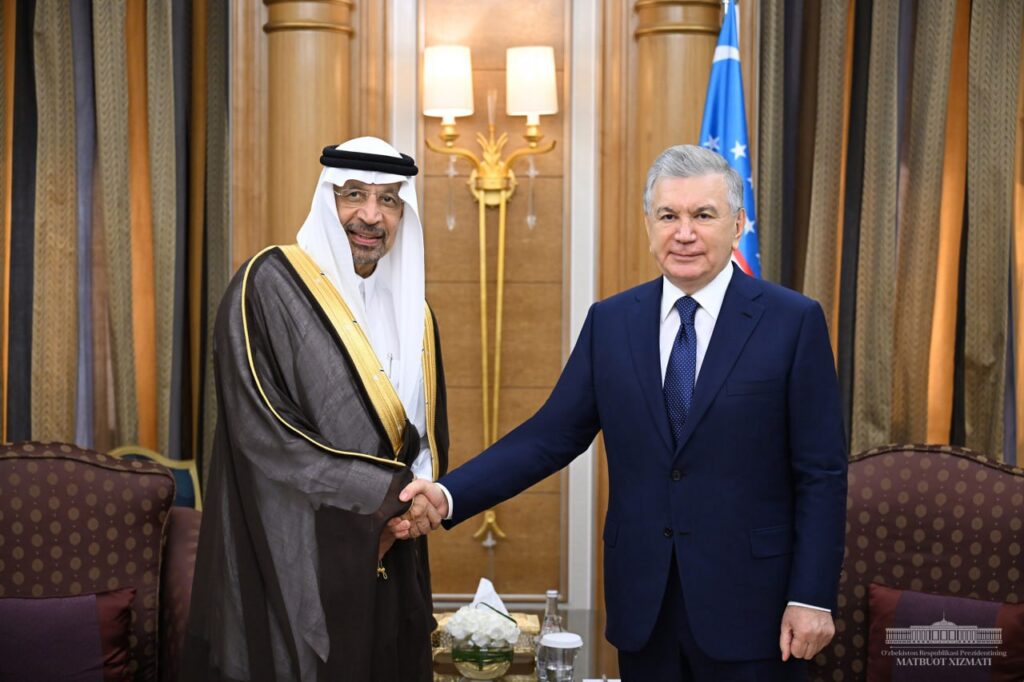
On November 11, Uzbekistan's President Shavkat Mirziyoyev met Saudi Arabia's Minister of Investments, Khalid al-Falih, during the extraordinary Arab-Islamic Summit currently being held in Riyadh. Cooperation between Uzbekistan and Saudi Arabia has rapidly developed in recent years. The volume of mutual trade, the scope of cooperation, and also the number of flights between the countries are increasing. By the end of this year, Saudi Arabian companies are expected to attract about $2.5 billion worth of investments in areas such as “green” energy, healthcare, transport infrastructure modernization, heat and water supply, agriculture, housing, and communal economy. Mirziyoyev also met with Muhammad bin Salman Al Saud, the Crown Prince and Prime Minister of the Kingdom of Saudi Arabia. Mirziyoyev noted that effective cooperation has been established with the leading company “ACWA Power,” which is modernizing Uzbekistan's energy sector through direct investments and advanced technologies. Emphasis was placed on developing wind and solar power plants across various regions of Uzbekistan and accelerating projects to produce “green” hydrogen. Additionally, an agreement was reached to engage Saudi Arabian companies and consultants to localize production and improve energy efficiency in Uzbek enterprises.