• KGS/USD = 0.01144 0%
  • KZT/USD = 0.00213 0%
  • TJS/USD = 0.10767 0.09%
  • UZS/USD = 0.00008 0%
  • TMT/USD = 0.28490 0%
  • KGS/USD = 0.01144 0%
  • KZT/USD = 0.00213 0%
  • TJS/USD = 0.10767 0.09%
  • UZS/USD = 0.00008 0%
  • TMT/USD = 0.28490 0%
  • KGS/USD = 0.01144 0%
  • KZT/USD = 0.00213 0%
  • TJS/USD = 0.10767 0.09%
  • UZS/USD = 0.00008 0%
  • TMT/USD = 0.28490 0%
  • KGS/USD = 0.01144 0%
  • KZT/USD = 0.00213 0%
  • TJS/USD = 0.10767 0.09%
  • UZS/USD = 0.00008 0%
  • TMT/USD = 0.28490 0%
  • KGS/USD = 0.01144 0%
  • KZT/USD = 0.00213 0%
  • TJS/USD = 0.10767 0.09%
  • UZS/USD = 0.00008 0%
  • TMT/USD = 0.28490 0%
  • KGS/USD = 0.01144 0%
  • KZT/USD = 0.00213 0%
  • TJS/USD = 0.10767 0.09%
  • UZS/USD = 0.00008 0%
  • TMT/USD = 0.28490 0%
  • KGS/USD = 0.01144 0%
  • KZT/USD = 0.00213 0%
  • TJS/USD = 0.10767 0.09%
  • UZS/USD = 0.00008 0%
  • TMT/USD = 0.28490 0%
  • KGS/USD = 0.01144 0%
  • KZT/USD = 0.00213 0%
  • TJS/USD = 0.10767 0.09%
  • UZS/USD = 0.00008 0%
  • TMT/USD = 0.28490 0%

Viewing results 1 - 6 of 17

Uzbekistan Expands U.S. Labor Migration Talks in New York

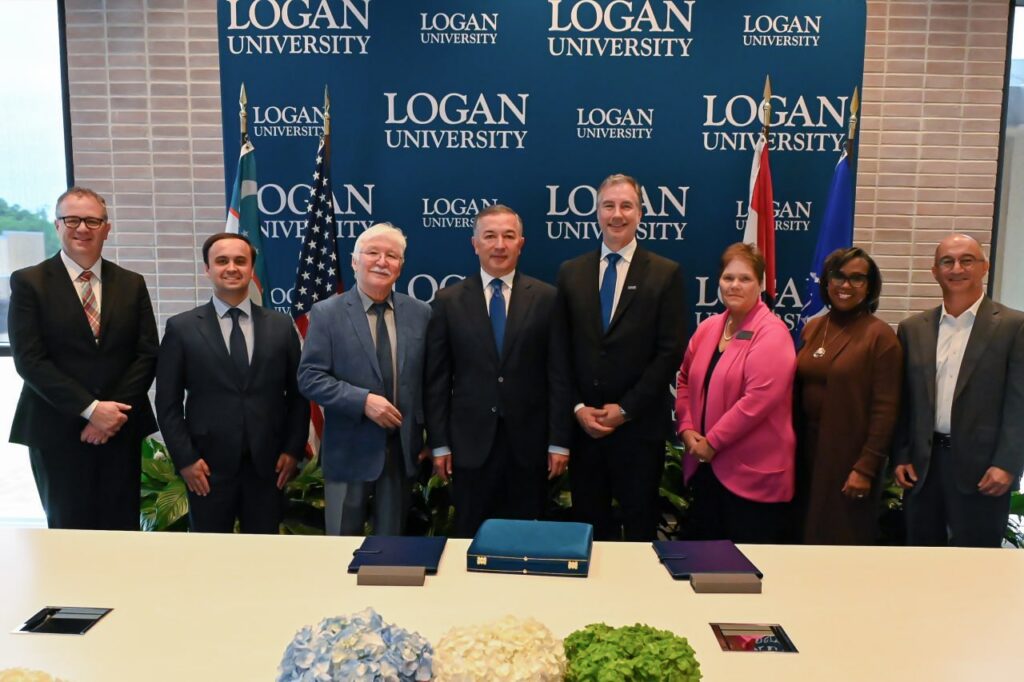
A delegation from Uzbekistan held a series of meetings with international organizations, educational institutions, employers, and law firms during the International Migration Review Forum (IMRF) in New York, as Tashkent seeks to expand legal labor migration opportunities in the United States. According to Uzbekistan’s Migration Agency, the delegation included officials from the agency, the Ministry of Foreign Affairs, and Uzbekistan’s embassy in Washington. The push comes as labor migration remains a major part of Uzbekistan’s economy. The Central Bank of Uzbekistan said remittance inflows reached high levels in 2025, with $9.9 billion arriving through traditional money transfer systems and another $8.6 billion credited directly to bank cards through P2P transfers. That scale has made overseas employment both a household income issue and a policy priority for Tashkent. The forum opened with remarks by UN Secretary-General António Guterres and Amy Pope, director general of the International Organization for Migration (IOM), who outlined priorities for global migration policy and international cooperation. During the event, Behzod Musayev, the head of Uzbekistan’s Migration Agency, presented information on migration reforms underway in Uzbekistan, including vocational and language training programs designed to prepare citizens for overseas employment. Musayev said labor migration should be viewed as an economic necessity and an investment in human capital. The delegation also met with Ugochi Daniels, IOM’s deputy director general for operations, to discuss protecting the rights of citizens of Uzbekistan working abroad and organizational issues related to an international migration forum scheduled to be held in Tashkent. Several meetings focused on expanding cooperation with U.S. educational institutions and employers. Uzbekistan signed a cooperation agreement with Logan University in Missouri on training medical personnel for the U.S. labor market, launching joint educational programs, and developing human resources. Representatives of Missouri Trucking School discussed creating a 160-hour training program to prepare drivers from Uzbekistan according to U.S. standards and support their employment opportunities. Talks with the National Council of Agricultural Employers focused on organizing labor forums with employers and expanding seasonal work programs for citizens of Uzbekistan. The delegation also reached agreements with the recruitment organization Head Honchos on H-2A visa processing, promoting agricultural workers from Uzbekistan in the U.S., and launching preparatory programs lasting eight to ten weeks. In meetings with the New York-based law firm Ballon Stoll, officials discussed work opportunities through O, H-2A, H-2B, H-1B, and E visas, as well as stronger legal protections for citizens of Uzbekistan employed in the U.S. The U.S. route is still at an early stage and will depend on American visa rules and employer demand. Under U.S. regulations, H-2A and H-2B petitions are generally limited to nationals of countries designated by the Department of Homeland Security, though USCIS can approve petitions for workers from non-designated countries on a case-by-case basis if it determines that doing so is in the U.S. interest. The discussions follow statements made earlier this year by President Shavkat Mirziyoyev, who instructed Uzbekistan’s diplomats to begin talks with Washington on including the country in U.S. seasonal labor recruitment programs. The...

Dozens of Human Trafficking Attempts Prevented in Kazakhstan

Kazakh law enforcement agencies have disrupted dozens of serious human trafficking attempts during the nationwide STOP-Traffic operational and preventive campaign, according to the Ministry of Internal Affairs. The ministry reported 39 recorded cases of attempted human trafficking, including six involving minors. In Almaty, authorities dismantled a criminal group engaged in the illegal sale of newborns. According to investigators, the suspects exploited vulnerable young women by persuading them to give up their babies in exchange for money. More than 20 criminal cases have been opened, and all suspects have been detained. If convicted, they face up to 18 years in prison and confiscation of property. In the Abai Region, law enforcement uncovered forced labor operations involving local citizens. Eleven criminal cases have been initiated, and the case files are being prepared for court proceedings, the ministry said. Routine inspections of nightlife venues in several regions, including Shymkent, Zhambyl, Aktobe, West Kazakhstan, Karaganda, and Kostanay, also led to the prevention of exploitative practices involving both adults and minors. In Astana, police and prosecutors conducted targeted raids near the city’s railway station on Goethe Street. Eight individuals are currently under prosecution for organizing and operating brothels for sexual exploitation. Meanwhile, in the Akmola Region, the activities of a religious group operating a so-called “spiritual center” were halted. Law enforcement seized religious literature, ceremonial items, and ritual objects. Expert examinations have been ordered, and the investigation remains ongoing. Authorities also documented the operations of “elite escort” services in Astana, Almaty, and Shymkent. The organizers allegedly recruited young women from nightclubs and bars. Related criminal cases have been submitted to court on charges of organizing prostitution. In the first half of 2025, Kazakhstan recorded 134 crimes related to human trafficking. This comes amid the implementation of a new national law on combating human trafficking, which took effect in 2024. The law was developed by the Ministry of Internal Affairs with technical support from the International Organization for Migration.

Kazakh Singer Dimash Kudaibergen Named UN Global Goodwill Ambassador

On December 8, during the annual session of the International Organization for Migration (IOM) Council in Geneva, world-renowned Kazakh singer Dimash Kudaibergen was officially appointed a Global Goodwill Ambassador. The announcement, highlighted on the artist’s official website, reflects his “long-standing commitment to supporting people in crisis situations.” Kudaibergen had previously served as the IOM’s Regional Goodwill Ambassador since 2024, using his global platform to raise awareness about the challenges facing migrants, promote their integration, and participate in various humanitarian efforts. His engagement with the IOM deepened in 2025. The artist took part in the organization's Ramadan campaign, voiced strong opposition to human trafficking, and met with IOM Director General Amy Pope to reaffirm his support for ongoing humanitarian programs. Throughout his global “Stranger” tour, Kudaibergen championed messages of inclusivity and sustainability, performing in cities including New York, Mexico City, Barcelona, London, and Berlin. More than 100,000 attendees around the world heard his call to support the IOM’s mission. His performance of the iconic composition “S.O.S d’un terrien en détresse” at the Council meeting became an emotional highlight of the session. “Dimash uses his voice not only to touch the hearts of his listeners, but also to help people affected by crises to be heard and seen,” said Pope, praising the artist’s impact. Addressing member state delegations, Kudaibergen said, “Receiving the title of Global Goodwill Ambassador is an incredible honor. I accept it with great humility and a strong sense of responsibility.” The IOM, established in 1951, is the leading intergovernmental organization in the field of migration and joined the United Nations system in 2016. Over the years, other UN Goodwill Ambassadors have included Angelina Jolie, Shakira, David Beckham, and Lionel Messi. Dimash Kudaibergen is a People's Artist of Kazakhstan (2023) and Kyrgyzstan (2025). Known for his extraordinary vocal range spanning seven octaves and seven semitones (G0 to D8), he blends pop, opera, and traditional Kazakh musical elements in his performances.

Nineteen Uzbek Citizens Repatriated from Ukraine After Forced Labor Exploitation

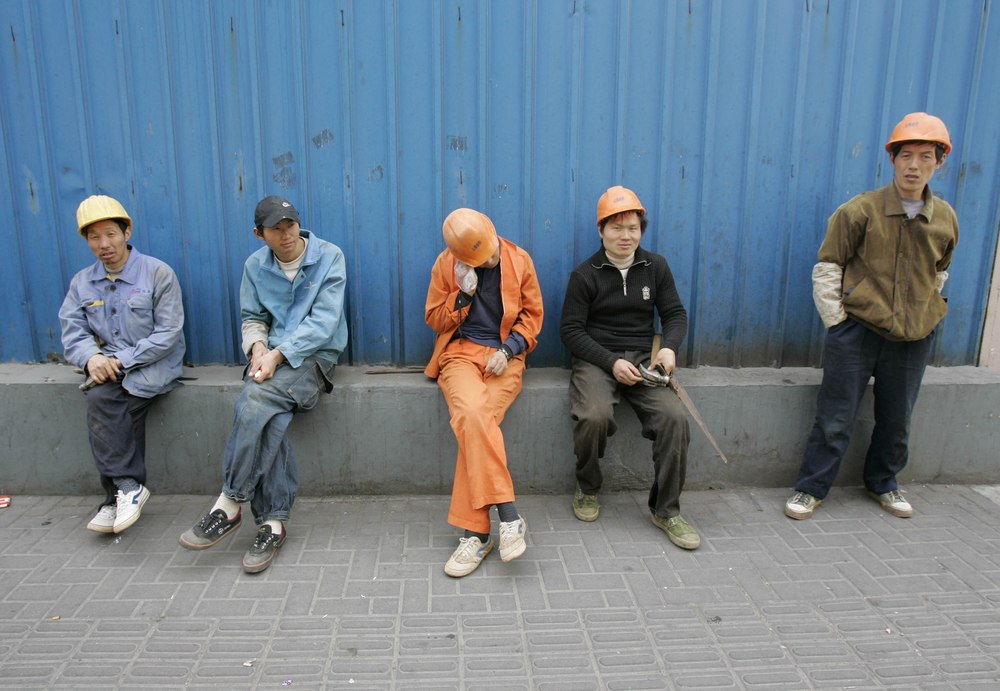
Nineteen Uzbek nationals who were found in exploitative labor conditions in Ukraine’s Kyiv region have been safely repatriated to Uzbekistan, according to the Dunyo news agency. Ukrainian media had previously reported that the group was subjected to forced labor at a greenhouse facility in the region. In response, the Embassy of Uzbekistan in Kyiv, working in coordination with Ukraine’s National Police and the International Organization for Migration (IOM) offices in Ukraine and Moldova, launched an urgent operation to secure their release and safe return. Dunyo reports that the embassy took swift and comprehensive measures to safeguard the victims’ rights, address documentation issues, and facilitate their departure. Following negotiations, all 19 individuals were officially recognized as victims under Ukrainian law, allowing them to avoid legal penalties or administrative charges. On October 28, with financial and logistical support from the IOM, the group was transported by road from Kyiv to Chișinău, Moldova. While in the Moldovan capital, they were provided with food, shelter, and essential services. On November 2 the group flew from Chișinău to Istanbul, arriving in Urgench in Uzbekistan on November 3, accompanied by IOM representatives. The operation was hailed as part of Uzbekistan’s broader commitment to protecting the rights and welfare of its citizens abroad. The Uzbek Embassy in Ukraine continues to monitor the status of its nationals in the country and respond promptly to any reported violations.

Kazakhstan Responds to Claims It Has Abandoned Ethnic Kazakhs in Afghanistan

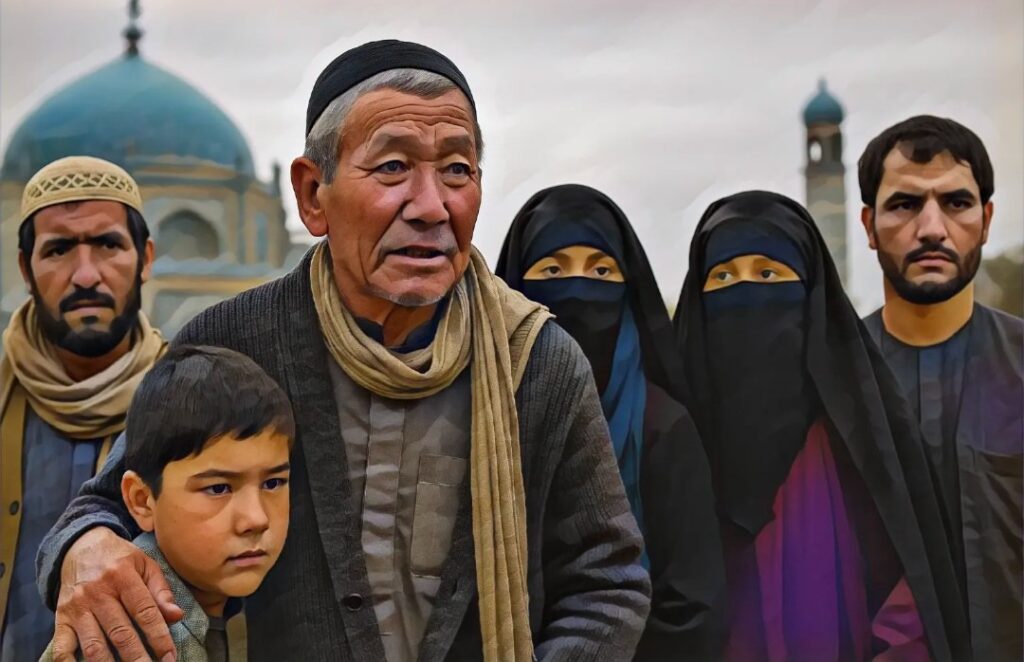
Recent claims circulating on social media have accused the Kazakh government of abandoning ethnic Kazakhs in Afghanistan, with posts often alleging that thousands of Kazakhs have been left to fend for themselves, painting an emotionally charged but factually questionable picture. The Times of Central Asia set out to verify these claims and found a far more complex reality. Historical Background Kazakh migration to Afghanistan dates back over a century. In the late 19th and early 20th centuries, some groups of Kazakhs arrived via Xinjiang, China. Later waves followed during the 1930s, prompted by famine and Stalinist repression in the USSR. Some speculate that early migrants may have included supporters of Kenesary Khan, but this remains the subject of academic debate. While there are no official Afghan census records, estimates suggest that by the mid-20th century, the number of Kazakhs in Afghanistan may have reached 20,000-24,000. However, the repatriation programs of the 1990s drastically reduced these numbers. Since Kazakhstan’s independence, approximately 13,000 Kazakhs have returned from Afghanistan, part of a broader national effort that has repatriated over 1.15 million ethnic Kazakhs from abroad. Even after the Taliban takeover, repatriation efforts continued. In September 2021, for example, 35 ethnic Kazakhs were airlifted to Kazakhstan on a specially arranged flight. Disputed Numbers According to Kazakhstan’s Foreign Ministry and as confirmed by its embassy in Kabul, the number of ethnic Kazakhs remaining in Afghanistan is about 200 people, or roughly 15 families. In contrast, some self-proclaimed “cultural centers” and online activists claim there are “thousands” of families, with some estimates as high as 3,600 people. These figures are not substantiated by either official data or independent research. Verifying Ethnic Identity The Kazakh embassy in Kabul maintains contact with community representatives to track and verify the status of ethnic Kazakhs. Yet, confirming identities is a serious challenge in Afghanistan due to the absence of a comprehensive population registry. Since 2018, Afghan identity cards (e-Tazkira) have included a “nationality” field, but filling it is optional and based primarily on self-declaration or statements by local elders. This system is vulnerable to manipulation. The embassy reports cases where individuals from other ethnic backgrounds have falsely identified as Kazakh in the hope of qualifying for repatriation programs. Additional complications include limited access to remote provinces, weak administrative oversight, and security concerns. The embassy thus relies on field visits, trusted local contacts, and cautious verification to produce its population estimates. Mixed Marriages and Assimilation One of the biggest challenges in identification is interethnic marriage. Over the decades, many Kazakhs in Afghanistan have assimilated into surrounding Uzbek, Turkmen, or Tajik communities. Many no longer speak Kazakh, and identity is maintained through fragmentary knowledge of family genealogies (shezhire), often insufficient for verification. The embassy also raised concerns about “disputed applicants”, individuals attempting to exploit Kazakhstan’s earlier, more lenient kandastar (ethnic repatriation) policy. In the absence of rigorous documentation, ethnicity in Afghanistan has often been based on verbal claims, creating openings for abuse and corruption. Why Not Use DNA? Some social media users...

Kazakhstan Reports 134 Human Trafficking Cases in First Half of 2025

July 30 marks World Day Against Trafficking in Persons, established by the United Nations General Assembly in 2013. On this day, global attention turns to one of the gravest human rights violations: the exploitation of men, women, and children in various forms. According to Kazakhstan’s Ministry of Internal Affairs, 134 human trafficking-related crimes were recorded in the first six months of 2025. The country has maintained an anti-trafficking program since 2002, implemented with the support of the International Organization for Migration (IOM). Over this period, 1,891 victims of labor and sexual exploitation have received assistance. “This day reminds us that human trafficking remains one of the most serious violations of human rights, affecting millions of men, women, and children around the world. No country is immune, whether it is a country of origin, transit, or destination,” the IOM stated. Organized Crime and Exploitation The 2025 IOM campaign theme is “Human Trafficking is Organized Crime - End the Exploitation.” According to the UN, 74% of traffickers are affiliated with organized criminal networks. Between 2020 and 2023, over 200,000 cases of human trafficking were officially reported worldwide, though experts caution the real figure is likely far higher due to underreporting and lack of awareness. Kazakhstan's Role in Regional Trafficking Trends IOM data from 2004 to 2020 indicate that Kazakhstan was the leading destination country for human trafficking victims in Central Asia, with 1,741 cases of exploitation documented. Other destination countries included the UAE (61 cases), Turkey and Russia (28 each), and Iran (7), among others. In terms of origin countries, Uzbekistan accounted for the highest number of trafficking victims (944), followed by Kazakhstan (774), Kyrgyzstan (72), and Russia (28). Smaller numbers came from Tajikistan, Mongolia, Ukraine, the Philippines, and several other countries. [caption id="attachment_34461" align="alignnone" width="300"] @iom.int[/caption] Victim Demographics and Exploitation Types Among the identified victims, 52% were men (981), 47.9% were women (907), and 0.1% (3 individuals) identified as transgender. The majority were working-age adults: 35.8% were aged 18-25, while 36.4% were over 30. Labor exploitation was the most common form, accounting for 1,151 cases (60.9%), followed by sexual exploitation with 711 cases (37.6%). Other forms, such as forced begging, childbirth, or participation in armed conflicts, made up 1.5% (29 cases). Support Mechanisms and Legal Developments Until 2020, IOM played a central role in assisting victims with repatriation, shelter, psychological support, medical care, and documentation. In recent years, these responsibilities have increasingly shifted to the state. In 2024, Kazakhstan enacted a new Law on Combating Trafficking in Persons, developed by the Ministry of Internal Affairs with IOM’s technical support. The legislation outlines protections for victims and mandates public awareness campaigns.