Viewing results 1 - 6 of 7
The global civil society alliance CIVICUS has published an updated report on the worsening state of rights and freedoms in Turkmenistan. The document, compiled by the International Partnership for Human Rights (IPHR) and the Turkmen Initiative for Human Rights (TIHR), covers the period from June to November 2025 and outlines several disturbing trends. According to the report, Turkmen authorities continue to target individuals they deem politically “inconvenient.” This includes former political prisoners, who, despite their release, remain under tight surveillance and face ongoing restrictions. The report highlights an intensifying crackdown on freedom of expression. While state-controlled media project an image of national prosperity, the country is, in reality, grappling with a prolonged socio-economic crisis and widespread human rights abuses. One section focuses on the growing phenomenon of transnational repression. Human rights groups report that Turkmenistan’s security services have increased pressure on dissidents living abroad. These efforts include attempts to forcibly repatriate activists with the cooperation of foreign governments, most notably in Turkey and Russia. CIVICUS also draws attention to expanding internet restrictions. The report suggests that these limitations are not solely politically driven but are also linked to corruption. Cybersecurity officials are alleged to intentionally disrupt internet access to boost demand for censorship circumvention tools, tools that are often monetized through state-controlled channels. Another concern is the continued practice of compulsory mobilization for public events. Citizens are routinely forced to participate in state-organized gatherings, with those who refuse facing threats of punitive measures. Earlier this year, The Times of Central Asia reported that in the lead-up to Turkmenistan’s celebration of the 30th anniversary of its status as a permanently neutral state on 12 December, international human rights organizations had urged Ashgabat to release civil society activists jailed on politically motivated charges.
As Turkmenistan prepares to mark the 30th anniversary of its policy of permanent neutrality, international human rights organizations are urging the government to commemorate the occasion by releasing civil society activists imprisoned for peacefully expressing their views. In a joint appeal, the International Partnership for Human Rights (IPHR), the Turkmen Initiative for Human Rights (TIHR), Turkmen.News, and the Norwegian Helsinki Committee (NHC) called on Turkmen authorities to use the milestone as an opportunity to take a humanitarian step by pardoning activists jailed on politically motivated charges. The organizations emphasized that presidential pardons remain the only available legal mechanism for early release in Turkmenistan. Including these cases in the official pardon process, they argue, would demonstrate the country’s willingness to align with international human rights standards. Among the prisoners named in the appeal is Mansur Mingelov, a human rights activist who has been incarcerated since 2012. He is serving a 22 year sentence after publicly denouncing the abuse of ethnic Baloch people. Another activist, Murat Dushemov, was sentenced to four years for publicly criticizing the government and its handling of the COVID-19 pandemic. He was expected to be released in the summer of 2025. The rights groups also expressed growing concern about activists and citizen journalists who were detained abroad and reportedly subjected to forced return to Turkmenistan, where they face prosecution under opaque legal processes. Citizen journalists Alisher Sakhatov and Abdulla Orusov were detained in Turkey in April 2025 on charges of “threatening public safety.” Farhat Meymankuliev was deported from Turkey in 2023 and, according to human rights monitors, subsequently imprisoned following a closed trial. In another case, Malikberdy Allamyrradov was secretly transferred from Russia to Turkmenistan in December 2023 and later charged with assaulting a cellmate. Saddam Gulamov was also forcibly returned from Russia and sentenced to a prison colony in the Lebap region. The human rights groups argue that freeing these individuals would send a strong message of goodwill during a major national celebration and offer a concrete signal of Turkmenistan’s readiness to uphold its international obligations.
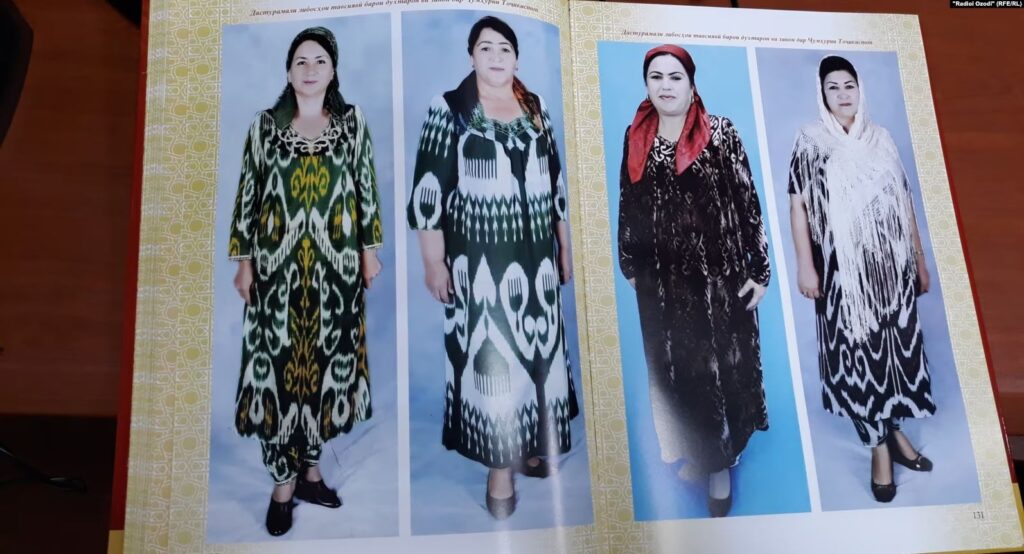
The International Partnership for Human Rights (IPHR) has called on the Tajik authorities to repeal recent amendments to the law imposing restrictions on “foreign” clothing. According to activists, such restrictions violate international human rights, particularly the right to freedom of expression and freedom of religion. In a statement issued on August 19, IPHR emphasized that since clothing is an important element of personal identity as well as religious and cultural beliefs, states have an obligation to protect people's right to choose what they wear. According to amendments to the law “On the Ordering of Traditions, Celebrations and Rites”, enforced in June this year, Tajikistan prohibits “importing, propagandizing and selling clothes that do not correspond to the national culture.” Although a precise definition of such has yet to be provided, there has been a clear focus by authorities on “Islamic” clothing, and in particular, the issue of a fatwa by Tajikistan's Ulema Council urging women to avoid wearing “tight, black or see-through clothing.” Violations of the law are punishable by heavy fines or imprisonment for up to three years. IPHR continues to stress that restrictions based on religious, cultural, or traditional values cannot justify the violation of human rights The amendments were earlier condemned by The League of Muslim Scholars and other international organizations, and the Taliban even declared “jihad” against Tajikistan. In response to international criticism, Tajik authorities reiterated that the new law aims to protect national values and prevent extremism.