• KZT/USD = 0.00225
  • TJS/USD = 0.10850
  • UZS/USD = 0.00008
  • TMT/USD = 0.29850
  • KZT/USD = 0.00225
  • TJS/USD = 0.10850
  • UZS/USD = 0.00008
  • TMT/USD = 0.29850
  • KZT/USD = 0.00225
  • TJS/USD = 0.10850
  • UZS/USD = 0.00008
  • TMT/USD = 0.29850
  • KZT/USD = 0.00225
  • TJS/USD = 0.10850
  • UZS/USD = 0.00008
  • TMT/USD = 0.29850
  • KZT/USD = 0.00225
  • TJS/USD = 0.10850
  • UZS/USD = 0.00008
  • TMT/USD = 0.29850
  • KZT/USD = 0.00225
  • TJS/USD = 0.10850
  • UZS/USD = 0.00008
  • TMT/USD = 0.29850
  • KZT/USD = 0.00225
  • TJS/USD = 0.10850
  • UZS/USD = 0.00008
  • TMT/USD = 0.29850
  • KZT/USD = 0.00225
  • TJS/USD = 0.10850
  • UZS/USD = 0.00008
  • TMT/USD = 0.29850
19 November 2026

Viewing results 1 - 6 of 2

Water Projects in Tajikistan: Japan Learns from a Troubled Grant

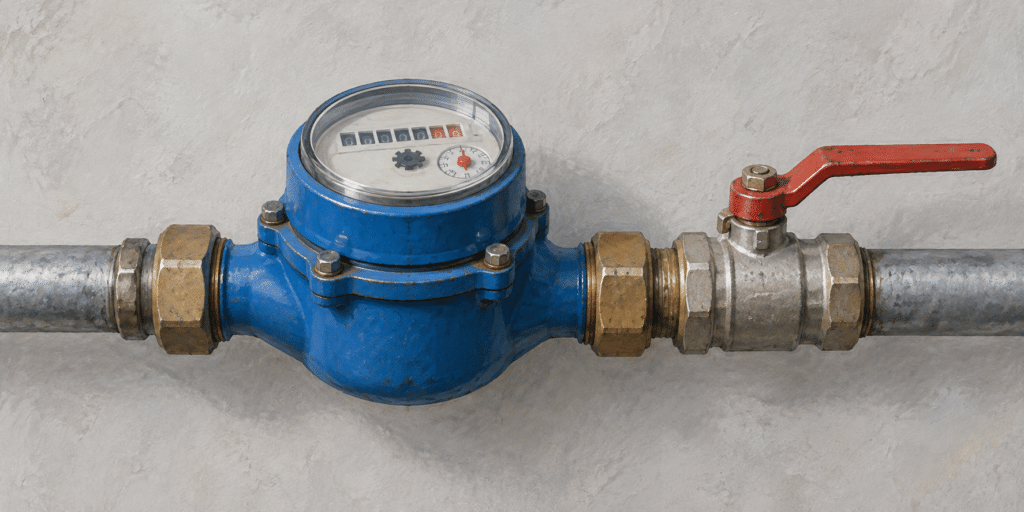
Residents of Moskva in Tajikistan’s Khatlon region reported receiving water for an average of just 10.9 hours a day in a 2017 survey, nearly four years after a Japanese-funded supply system was completed in June 2013. An external evaluation commissioned by the Japan International Cooperation Agency (JICA) gave the project a D rating, the lowest possible. Japan is now financing a new water supply system in Abdurahmoni Jomi district, also in the Khatlon region. The two projects illustrate how its approach to water supply assistance has developed, particularly in metering, utility management, and infrastructure maintenance. A Project That Met Its Targets on Paper Hamadoni district, which includes Moskva and lies near the Afghan border, had a population of approximately 119,000 when the original grant was planned. Some 59% of residents lacked access to a working water supply system, and only 16 of the district’s 47 village wells were operational. More than 70% of residents in village areas relied on canals and rivers for water. The grant financed three deep wells, elevated reservoirs, and a 32.9-kilometer pipeline network in Moskva, as well as a water supply system for two villages and drilling equipment. The project cost 19% more than planned and took 67 months instead of the expected 31. In 2016, the local utility reported that the system supplied water to all 22,505 residents of Moskva and 7,103 residents in the two villages, where it was distributed through communal taps. Leaks, Meters, and a Flat Fee The grant covered pipeline replacement in only part of Moskva. According to the local utility, approximately 70% of the pipes outside the project area needed replacement. Leaks occurred frequently but were not systematically recorded. The utility estimated losses at 35% to 50%, but without household meters it could not accurately distinguish consumption from leakage. Households paid a flat monthly fee of 13.4 somoni (about $1.50 at the time) for unlimited water use. Some residents left their taps running to irrigate gardens, particularly during the summer, reducing water pressure elsewhere in the network. The arrangement provided little financial incentive to reduce consumption. JICA Disagrees with Its Evaluator JICA’s Financial Cooperation Implementation Department issued a separate opinion challenging the D rating, arguing that the evaluation did not adequately reflect the project’s achievements. The department pointed out that the system delivered 7,580 cubic meters of water per day, compared with an originally projected daily average of 5,292 cubic meters. It also cited the expansion in coverage and improvements in water quality. The external evaluator, however, noted that the system had been designed to permit a 24-hour water supply, but service had been limited to a 13-hour daily schedule because of leaks and excessive consumption. The amount pumped into the network did not necessarily reflect how much water reached households. Metering Brings Improvements, 2017–2021 The evaluation recommended replacing deteriorated pipes, installing meters, improving maintenance, and explaining the new arrangements to residents. Japan had already begun a technical cooperation project in April 2017, while the evaluation was underway. It concluded...

Japanese Investment Tackles Uzbekistan’s Aral Sea Crisis

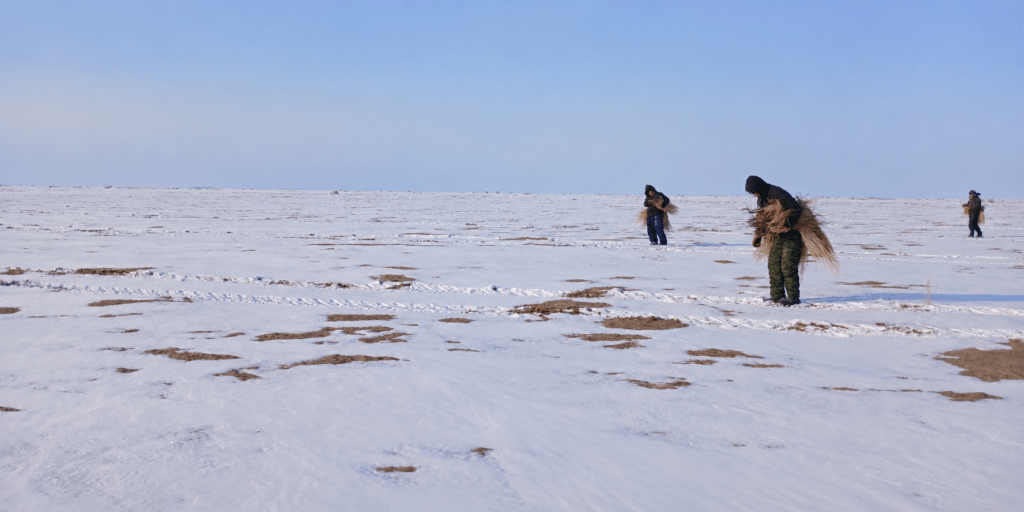
Until recently, the rehabilitation center in Akmangit, a settlement in Karakalpakstan, relied on sewage trucks to remove wastewater. Although it receives about 3,500 patients with disabilities each year, the center had no sewer system. In March 2025, a Johkasou system, a compact Japanese unit that treats wastewater biologically, was installed at the center. The treated water can now be reused for irrigation instead of being hauled away. Similar systems were installed at a kindergarten and a specialized school. In their first four months of operation, the three units treated more than 16,400 cubic meters of wastewater. Although these installations are small relative to Karakalpakstan’s water and sanitation needs, they illustrate Japan’s approach in Uzbekistan’s Aral Sea region through local pilot projects tied to longer-term development programs. During an October 2025 visit, a United Nations Development Programme (UNDP) delegation and a representative of the Embassy of Japan in Uzbekistan saw residents using the program to introduce drip irrigation and expand small businesses. A smoked-fish producer in Samanbay employed 12 people. Since 2020, Japan has funded trials of water-saving and wastewater-treatment technologies in the region, supported climate-resilient agriculture, and introduced local business-development models. These projects draw less attention than Central Asia’s uranium, critical-mineral, energy, and transport deals. In Karakalpakstan, however, Japan has pursued influence through smaller projects intended to remain in place for years. Water and Agriculture Projects In September 2023, Japan provided $2 million for a UNDP program promoting climate-resilient agriculture in four districts of Karakalpakstan. By the program’s conclusion in 2025, more than 7,700 residents had gained access to clean drinking water. The Johkasou units were among the program’s most visible elements. Developed in Japan in the late 1940s amid sanitation problems, the decentralized systems offer an alternative where centralized sewer networks are impractical. Their treated water can be reused for irrigation. The program tested another Japanese technology on the dried Aral Sea bed. In 2024, UNDP planted 1,000 saxaul seedlings using a superabsorbent polymer (SAP) that retains moisture around plant roots. Saxaul, a desert shrub or small tree, helps stabilize sand and limit the spread of salt and dust from the former seabed. The 1,000 seedlings formed part of UNDP’s Green Aral Sea initiative. Between 2020 and March 2025, the program planted 823,000 trees across 658.2 hectares. In February 2026, Japan and UNDP launched a $4.6 million project scheduled to run through 2028. Its work includes irrigation rehabilitation, digital water monitoring, wastewater reuse, and desalination powered by renewable energy. More than 1,000 farmers and households are expected to benefit. Local Business Models Japan has paired these technologies with models for local economic development. One is the One Village, One Product Movement (OVOP), which began in Japan’s Oita Prefecture in 1979. Under the model, communities develop marketable products based on local resources and skills. In Karakalpakstan, OVOP has been applied to agriculture, handicrafts, and food processing, including the small businesses visited by the delegation in October 2025. Another Japanese approach is kaizen ("continuous improvement"). It seeks to improve production and...