• KGS/USD = 0.01144 0%
  • KZT/USD = 0.00193 -0%
  • TJS/USD = 0.10811 -0.28%
  • UZS/USD = 0.00008 0%
  • TMT/USD = 0.28490 0%
  • KGS/USD = 0.01144 0%
  • KZT/USD = 0.00193 -0%
  • TJS/USD = 0.10811 -0.28%
  • UZS/USD = 0.00008 0%
  • TMT/USD = 0.28490 0%
  • KGS/USD = 0.01144 0%
  • KZT/USD = 0.00193 -0%
  • TJS/USD = 0.10811 -0.28%
  • UZS/USD = 0.00008 0%
  • TMT/USD = 0.28490 0%
  • KGS/USD = 0.01144 0%
  • KZT/USD = 0.00193 -0%
  • TJS/USD = 0.10811 -0.28%
  • UZS/USD = 0.00008 0%
  • TMT/USD = 0.28490 0%
  • KGS/USD = 0.01144 0%
  • KZT/USD = 0.00193 -0%
  • TJS/USD = 0.10811 -0.28%
  • UZS/USD = 0.00008 0%
  • TMT/USD = 0.28490 0%
  • KGS/USD = 0.01144 0%
  • KZT/USD = 0.00193 -0%
  • TJS/USD = 0.10811 -0.28%
  • UZS/USD = 0.00008 0%
  • TMT/USD = 0.28490 0%
  • KGS/USD = 0.01144 0%
  • KZT/USD = 0.00193 -0%
  • TJS/USD = 0.10811 -0.28%
  • UZS/USD = 0.00008 0%
  • TMT/USD = 0.28490 0%
  • KGS/USD = 0.01144 0%
  • KZT/USD = 0.00193 -0%
  • TJS/USD = 0.10811 -0.28%
  • UZS/USD = 0.00008 0%
  • TMT/USD = 0.28490 0%
10 December 2025

Viewing results 1 - 6 of 2

How a Kazakh Writer`s Book About American Couch Grass Was Written

During his lifetime, Gabit Musirepov was celebrated as a people’s writer, translator, dramatist, critic, academician, Hero of Socialist Labor, and statesman. Known in Kazakhstan as the “Master of Words,” he became a figure of national pride, and his works continue to be widely read today. What is less known, however, is the story of his very first book. Long before he became famous for his fiction, Musirepov published a small agricultural manual titled Amirkan Bidayygy (American Couch Grass). Released in 1928 by the “Kazakhstan State” publishing house in Kyzylorda with a circulation of 5,000, the booklet sought to answer a pressing question: how could Kazakh farmers improve their fields and livestock fodder? [caption id="attachment_36744" align="aligncenter" width="308"] First page of book Amirkan Bidayygy (American Couch Grass)[/caption] The introduction explained the need for such a work. At the time, Kazakh peasants planted oats, millet, wheat, and barley, but often without proper techniques. Fodder crops were largely unknown, except in limited areas along the Syr Darya River. Previous manuals existed, but they were poorly translated from Russian or intended for experienced Russian farmers, making them inaccessible to Kazakhs. Musirepov’s book, written in plain language and tailored to local conditions, filled that gap. This was Musirepov’s first published book. He wrote it in early 1927, the same year his first prose work, In the Grip of the Sea, appeared later in the autumn. Fellow writer Sabit Mukanov recalled: “After graduating from the Orenburg Workers’ Faculty in 1926, Gabit entered the Agricultural Academy in Omsk. In early 1927, he sent me his booklet Amirkan Bidayygy for publication. We printed it. I still keep his letter where he wrote, ‘The money from this book kept my family fed for half the winter.’” The publisher acknowledged in the foreword that the young author might have overlooked some scientific details, but praised the work as “one of the best guides for improving the lives of Kazakh peasants,” insisting that every farmer should read it. [caption id="attachment_36745" align="aligncenter" width="436"] Musirepov`s introduction[/caption] In his own introduction, Musirepov explained, “I had two goals. First, to show why farming remained unproductive by pointing out poor land conditions. Second, to offer ways of overcoming these problems and raising productivity. I believe I achieved both.” This statement reflects the sincerity and social purpose that would later define his literary career: whatever he wrote, it was always with the hope of benefiting his people. Musirepov also asked a practical question: What kind of grass does the Kazakh land need? His answer was clear - crops that could withstand severe winters, scorching summers, and drought, while producing abundant, nutritious fodder and enriching the soil. After considering various options, he concluded that yellow alfalfa and American couch grass were the most suitable. Of the two, he argued, couch grass was best suited to Kazakhstan’s harsh climate.

QazElles Brings Kazakh Culture to France

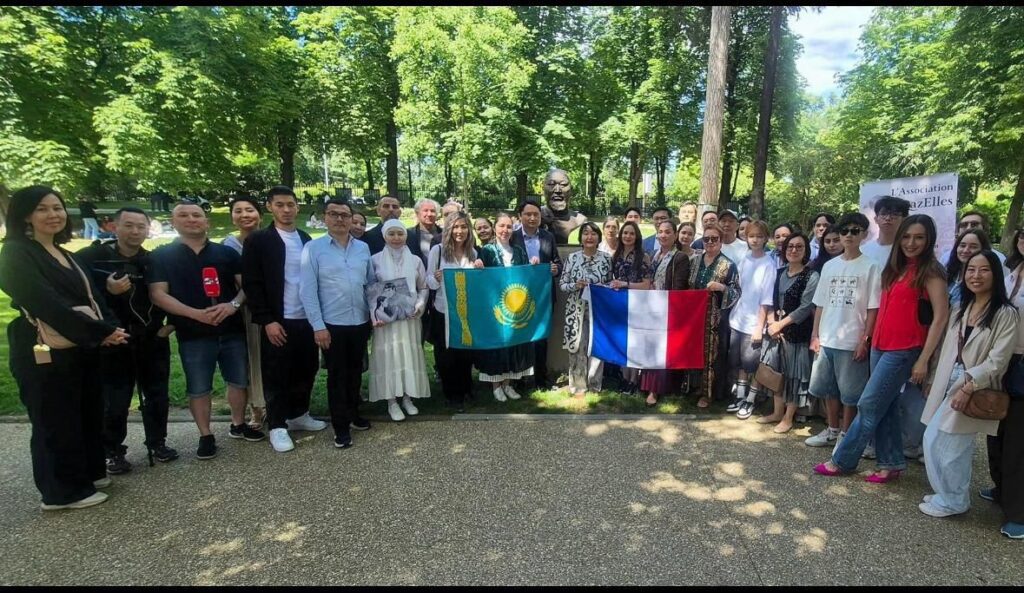
Since 2023, the Association of Kazakh Women in France — QazElles, a name blending "Kazakhstan" with the French word elles (meaning "women") — has gained international recognition for its impactful initiatives well beyond the borders of France. Today, QazElles unites 40 accomplished women living in cities across France, all of whom have personal or professional ties to Kazakhstan. Its diverse membership includes students from leading Parisian universities, engineers at prominent French companies, entrepreneurs, and professionals in the creative industries. The association was established a few years ago in cooperation with the Embassy of the Republic of Kazakhstan in France. “QazElles represents bright, strong, and accomplished daughters of their homeland who dedicate their free time to promoting Kazakh identity in France, building a supportive community of like-minded women," says Madina Kulmanova, president of QazElles, who has lived in France for over 20 years. "Many of us have no close family here in France. This association became our family." Despite its relatively recent founding, QazElles has already organized several high-profile cultural events, all carried out on a fully volunteer basis by Kazakh women living in Paris. In 2023, the group operated a chalet at La Défense, the largest Christmas market in the Paris region, for over a month. Showcasing Kazakh artisans, it quickly became a crowd favorite. Long queues formed for traditional manti (steamed dumplings filled with meat, pumpkin, and dough) and handmade felt slippers. For two consecutive years, a miniature Kazakh aul (village) has come to life during Nauryz (March 21–22) on Place des Ternes, just steps from the Arc de Triomphe. Much like in Kazakhstan, the celebration features a yurt, traditional games, folk music, and festive cuisine. This year, several thousand visitors, mostly local Parisians, many encountering Kazakh culture for the first time, explored the aul. Inside the yurt, guests experienced a guided audio tour written and narrated by Aliya Syzdykova. Outside, dancers from the Kazakh city of Shymkent performed in the square, while artisans sold out of tyubeteikas (traditional embroidered caps). Among the exhibitors was QazElles member Kamila Florenti, a jeweler who creates a distinctive line of delicate silver pieces inspired by Kazakh motifs. "We love this project because it brings people together. There was so much kindness, warmth, and friendship. I think we truly gave Parisians a little journey into a real Kazakh celebration,” shares Madina Kulmanova, her emotion clearly visible. QazElles quickly discovered that the way to a Parisian’s heart is through culinary exploration. One of the association’s most celebrated initiatives was a “four-hands” dinner featuring two renowned chefs: Artem Kantsev from Astana and Frédéric Simonin from Paris. The event was held at Simonin’s Michelin-starred restaurant, where the two chefs collaborated on a unique menu that blended the bold flavors of Kazakh cuisine with the finesse of French culinary tradition. Among the standout dishes was camel meat manti wrapped in coffee-infused dough, served with a sauce made from kurt (a salty, dried fermented dairy product popular in Central Asia) and French cheeses. The success of the event...