• KGS/USD = 0.01144 0%
  • KZT/USD = 0.00201 0%
  • TJS/USD = 0.10515 -0.09%
  • UZS/USD = 0.00008 0%
  • TMT/USD = 0.28490 0%
  • KGS/USD = 0.01144 0%
  • KZT/USD = 0.00201 0%
  • TJS/USD = 0.10515 -0.09%
  • UZS/USD = 0.00008 0%
  • TMT/USD = 0.28490 0%
  • KGS/USD = 0.01144 0%
  • KZT/USD = 0.00201 0%
  • TJS/USD = 0.10515 -0.09%
  • UZS/USD = 0.00008 0%
  • TMT/USD = 0.28490 0%
  • KGS/USD = 0.01144 0%
  • KZT/USD = 0.00201 0%
  • TJS/USD = 0.10515 -0.09%
  • UZS/USD = 0.00008 0%
  • TMT/USD = 0.28490 0%
  • KGS/USD = 0.01144 0%
  • KZT/USD = 0.00201 0%
  • TJS/USD = 0.10515 -0.09%
  • UZS/USD = 0.00008 0%
  • TMT/USD = 0.28490 0%
  • KGS/USD = 0.01144 0%
  • KZT/USD = 0.00201 0%
  • TJS/USD = 0.10515 -0.09%
  • UZS/USD = 0.00008 0%
  • TMT/USD = 0.28490 0%
  • KGS/USD = 0.01144 0%
  • KZT/USD = 0.00201 0%
  • TJS/USD = 0.10515 -0.09%
  • UZS/USD = 0.00008 0%
  • TMT/USD = 0.28490 0%
  • KGS/USD = 0.01144 0%
  • KZT/USD = 0.00201 0%
  • TJS/USD = 0.10515 -0.09%
  • UZS/USD = 0.00008 0%
  • TMT/USD = 0.28490 0%
27 February 2026

Viewing results 1 - 6 of 6

TCA Interview: Director Yernar Nurgaliyev: “It’s Time for Kazakh Cinema to Make Its Mark on the World”

Yernar Nurgaliyev still describes painting as his first love. Only now, instead of a brush, he uses a camera, and instead of a canvas, a screen. Today he shoots comedies, and dreams of a Kazakh multiverse where heroes never die. He is certain of one thing: Kazakh culture will be eternal, and he is doing everything possible to make it so. The Times of Central Asia spoke with the director about how he entered film, what he plans to shoot next, and why he believes it is time for Kazakhstan to make itself known to the world. TCA: Your films are always visually striking. Is this because you were originally trained as an artist? Nurgaliyev: Yes. I graduated from art college, then enrolled at the Zhurgenov Academy of Arts to study set design. I thought I would deepen my craft, but the first courses turned out to be a repeat of the college programme. I was very bored, so I decided to go to work. I didn’t start with music videos, but as an assistant propmaster. At that time, senior students recruited assistants from among firstyear students. An energetic girl, a production designer, asked me to help her with her diploma. Before that, I wasn’t interested in cinema at all, I lived for painting: I painted from life and did portraits. But when I saw the filmset, it was “wow.” I realised I wanted to work there. And I stopped going to the academy. I wanted to quit, but they wouldn’t let me. TCA: But you still got your diploma? Nurgaliyev: Yes, although it was difficult. I had nothing to do at the academy, still life, portraits, I had already done all that in college. There, they didn’t break us but helped us find our own style. At the academy, it was the opposite: the teacher said, “Draw like me.” But I can’t draw like someone else. I can only draw in my own way. TCA: Do you paint now? Nurgaliyev: I hardly have any time, but I recently picked up a brush again, and my hand remembers everything. Oil, watercolour, gouache, it’s as if there was no break. I am grateful to my hand; it remembers everything it was taught. TCA: Which is more important, talent or perseverance? Nurgaliyev: There are people who are gifted by God. But a gift is only the beginning. If you slack off and don’t develop, nothing will come of it. The worst thing is when a person is gifted but does nothing with it. I don’t sit still. If I have one day without work, it feels like I haven’t filmed for a year. I always need to be on the move. If the pause drags on, I start calling my friends myself: “Let’s come up with something.” [caption id="attachment_39639" align="aligncenter" width="300"] @Galiya Baizhanova[/caption] TCA: This year, you turned down many projects, choosing instead to focus on another film. Is this a new stage? Nurgaliyev: I’ve matured. Next year, I plan to shoot three of...

Kazakh Film Brings History and Culture to the 2nd Golden Panda Awards

Chengdu, famed for its pandas and fiery cuisine, takes the spotlight from September 12–13 as it hosts the 2nd Golden Panda Awards, drawing filmmakers and cinephiles from around the world to celebrate storytelling in all its forms. The Golden Panda Awards use China’s favorite furry ambassador as a symbol of friendship and cross-cultural connection. Around 65 works have been shortlisted, with 27 awards to be presented across four categories: Film, TV Series, Documentary, and Animation. Notably, 54.5% of the finalists are international productions, selected from 5,343 entries submitted from 126 countries and regions. One of the standout contenders this year is Qash (Run), nominated for Best Actor in a Leading Role, Best Actor in a Supporting Role, Best Cinematography, and Best Original Score. Starring Yerkebulan Daiyrov and Ondassyn Bessikbassov, the Kazakh film is set against the backdrop of the mass famine of 1931–1933, which wiped out nearly a third of the population. Directed by Aisultan Seitov, the film follows Isatai, a gravedigger tasked by his village head with delivering a message to the nearest city in hopes of saving the starving villagers. Crossing the vast steppe, Isatai faces harrowing trials, including surreal hallucinations driven by hunger and despair. Also known as Asharshylyk, the tragedy was the result of forced collectivization and sedentarization imposed by the Soviet regime. In his drive for rapid industrialization, Stalin ordered the transformation of Kazakhstan’s traditional nomadic, clan-based society into collective farms, where individuals were compelled to meet strict state quotas for meat and grain. The abrupt policy shift, coupled with reckless implementation, led many herders to slaughter their livestock either for immediate food or to sell in hopes of meeting grain requirements. Ultimately, this devastated the pastoral economy and fueled mass famine. [caption id="attachment_36103" align="aligncenter" width="1024"] Director Aisultan Seitov (center) meets fans of Qash in Shanghai, June 14, 2023; image: VCG[/caption] Qash marks the feature-film debut of director Aisultan Seitov, who first gained recognition as a music video producer. Inspired by the growing presence of culturally distinctive films on international screens, Seitov was drawn to make a full-length film. The narrative took shape after a close friend shared a childhood story of his grandfather fleeing his village with his older brother. In interviews, Seitov has said he hopes to showcase Kazakh culture to the world while crafting a story that resonates universally. That aligns neatly with the festival’s own motto: celebrate diversity, spark dialogue, and remind us that stories, whether about pandas, people, or epic journeys, are what bring civilizations together. Beyond celebrating award winners, the Golden Panda Awards serve as a dynamic hub for international film professionals to exchange ideas and explore potential collaborations. Judges, creators of nominated works, and influential directors, producers, actors, and experts from home and abroad come together for in-depth discussions on topics ranging from digital-intelligence empowerment to the art of light and shadow. Collaborative dialogues, exhibitions, and new project launches further expand opportunities for creative partnerships. This September, Sichuan Province transforms into a cinematic playground with events called “Let’s...

Segiz: Exploring Kazakhstan’s Beauty on the Road Less Traveled

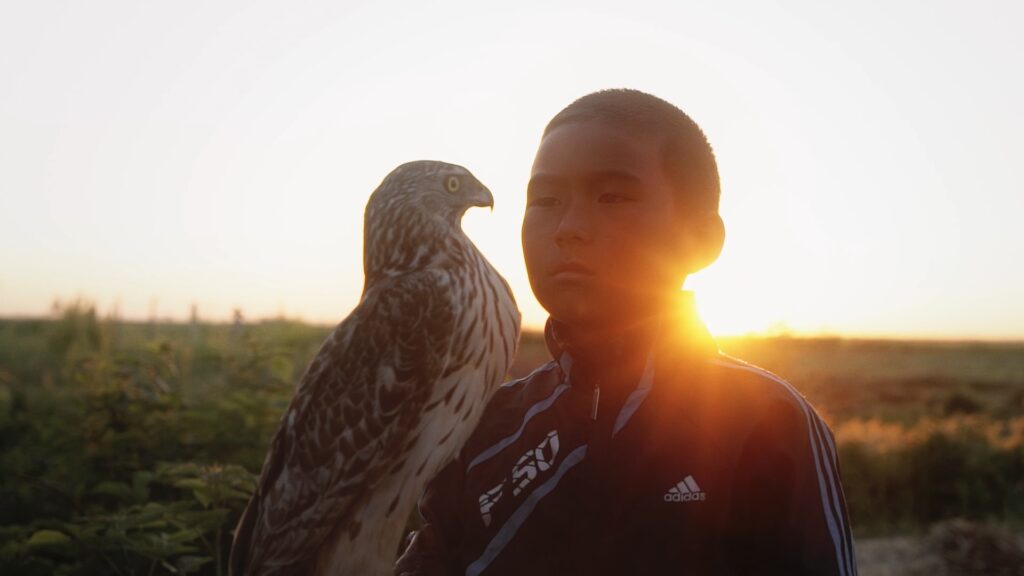
The Times of Central Asia’s cinematographer for the World Nomad Games, Ilyas Otan, is on a mission to put Kazakhstan's tourism on the map. An independent film producer and fixer, Otan took a bold step to showcase his vision, producing Segiz with director Almas Maksut, a captivating short documentary that brings together eight international travelers to uncover the secrets of a mysterious mountain lake in Central Asia. The film premiered at the 2021 Eurasian Film Festival and snagged the Best Documentary award at Czechia's International Road Movie Festival. Now, it is available to stream. A Werner Herzog quote opens the film, setting the tone for a brooding, atmospheric nod to late sixties and early seventies indie cinema. It’s not about the plot or commercial tourism — it’s all about ambiance, feelings, and the road less traveled. The narrator paints Kazakhstan as a land steeped in epic history, from Genghis Khan's sweeping conquests to the first nuclear test. Then the adventurers are introduced, and lured by the wild unknown they share what drove them to wander off the beaten path. A vivid taste of Kazakhstan’s rich culture and rugged beauty, this film dives headlong into an existence deeply connected to nature. Sampling the charms of nomadic life such as camel milk, majestic falcons, galloping horses, and cozying up in yurts. It’s a meat lover's paradise — not exactly a menu for vegans, vegetarians, or the fainthearted. The soundtrack amplifies the sixties' folky vibe, layering guitars, ukuleles, kalimbas, lutes, shakers, drums, harmonicas, and flutes for immersive incidental music. Two of the travelers, both talented singers and musicians, perform 20th-century ballads on the move, transporting listeners to long-lost worlds and forgotten eras. It’s rare to see a short documentary road movie about Kazakhstan hit streaming platforms. You can now catch this unique short film on TV+, Megogo and venture into the pioneer tourism of Kazakhstan today. [video width="1920" height="1080" mp4="https://timesca.com/wp-content/uploads/2025/03/Trailer-SEGIZ.mp4"][/video]

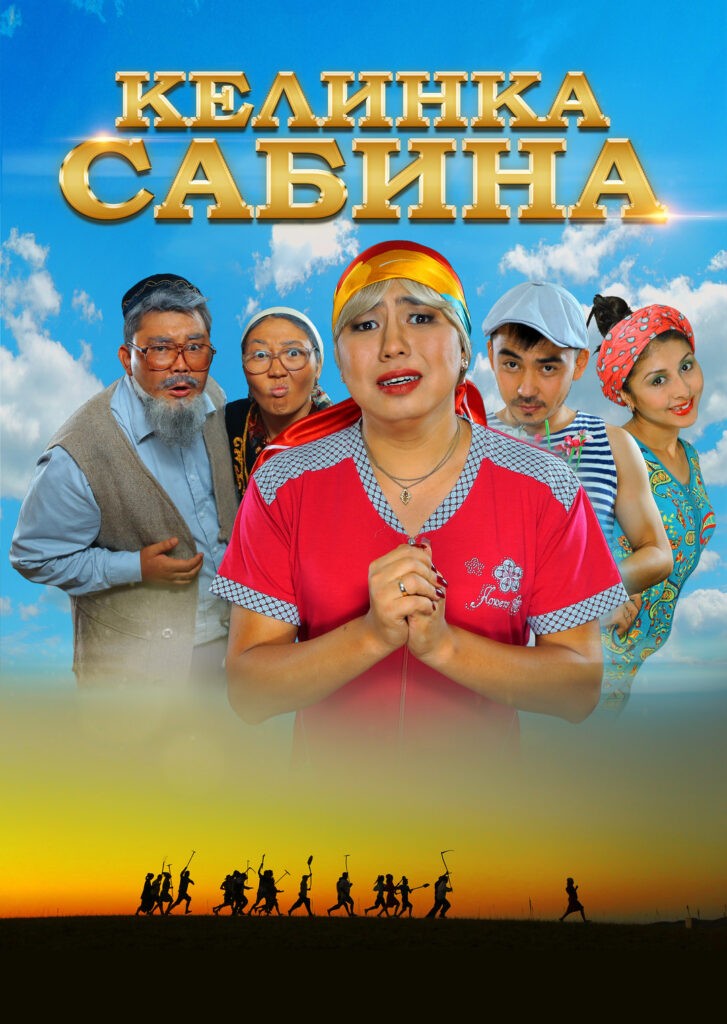
Image of Kelin in Kazakh Films

In Kazakh culture, a special place is occupied by the traditional relationship between yene (mother-in-law) and kelin (daughter-in-law). This relationship is a reflection of family values and cultural norms that have developed over the centuries. In recent years, the theme of yene and kelin has been actively developed in Kazakh cinematography, where directors and screenwriters reveal the depth of these relationships, emphasizing their complexity and multifaceted nature. In a traditional Kazakh family, yene plays an important role. She not only passes on domestic and cultural traditions to the younger generation but also helps the kelin to adapt to the new family. In turn, the kelin is responsible for managing the household and caring for the family, which is perceived as an important and honorable part of her social role. However, this relationship, based on mutual respect and support, is often not without its difficulties. As in any culture, traditions are sometimes the cause of conflict and tension. These complexities, caused by societal expectations and personal ambitions, are reflected in Kazakhstan films, which increasingly focus on the role of the kelin in modern life. The cinematography of Kazakhstan has become a powerful tool for researching and discussing traditional family relations. One of the most popular films on this topic is the comedy film Kelinka Sabina. In this film, the main focus is on the difficulties a young kelin faces when she enters a traditional family. The movie not only demonstrates the clash of cultures but also shows how the characters learn to accept each other despite the differences in outlook and habits. Kelinka Sabina became a sensation in Kazakhstan, not only for its comedic scenes but also for its heartfelt and poignant moments that invite viewers to reflect on family values. The film explores the dynamics between mother-in-law and daughter-in-law while humorously addressing the integration of modernity and tradition, highlighting the challenges of adapting to new ways of life. Another landmark film on this subject is Daughter-in-law is Also Human, which takes a more serious and in-depth look at the issue of female self-identification in traditional society, touching on important topics such as gender stereotypes, prejudice against women, and their role in modern Kazakhstan. The main character has to face the fact that she is expected to fully commit to the traditional role of a kelin, but she strives to maintain her personal space and rights. Her story of self-assertion serves as an example of how young Kazakh women can fight for their rights and change established stereotypes and expectations set by generations. Another film in the same series, Kelinka is Also a Person 2, takes a significant step in addressing the role of women in Kazakh society by broadening perceptions of what it means to be a kelin in the modern world and opening up a discussion on gender roles and women's rights. The image of the kelin in Kazakh films epitomizes the complex and multifaceted aspects of Kazakh culture. The relationship between yene and kelin extends beyond a simple...