• KGS/USD = 0.01144 0%
  • KZT/USD = 0.00207 0%
  • TJS/USD = 0.10463 0%
  • UZS/USD = 0.00008 0%
  • TMT/USD = 0.28490 0%
  • KGS/USD = 0.01144 0%
  • KZT/USD = 0.00207 0%
  • TJS/USD = 0.10463 0%
  • UZS/USD = 0.00008 0%
  • TMT/USD = 0.28490 0%
  • KGS/USD = 0.01144 0%
  • KZT/USD = 0.00207 0%
  • TJS/USD = 0.10463 0%
  • UZS/USD = 0.00008 0%
  • TMT/USD = 0.28490 0%
  • KGS/USD = 0.01144 0%
  • KZT/USD = 0.00207 0%
  • TJS/USD = 0.10463 0%
  • UZS/USD = 0.00008 0%
  • TMT/USD = 0.28490 0%
  • KGS/USD = 0.01144 0%
  • KZT/USD = 0.00207 0%
  • TJS/USD = 0.10463 0%
  • UZS/USD = 0.00008 0%
  • TMT/USD = 0.28490 0%
  • KGS/USD = 0.01144 0%
  • KZT/USD = 0.00207 0%
  • TJS/USD = 0.10463 0%
  • UZS/USD = 0.00008 0%
  • TMT/USD = 0.28490 0%
  • KGS/USD = 0.01144 0%
  • KZT/USD = 0.00207 0%
  • TJS/USD = 0.10463 0%
  • UZS/USD = 0.00008 0%
  • TMT/USD = 0.28490 0%
  • KGS/USD = 0.01144 0%
  • KZT/USD = 0.00207 0%
  • TJS/USD = 0.10463 0%
  • UZS/USD = 0.00008 0%
  • TMT/USD = 0.28490 0%

Viewing results 1 - 6 of 13

Kazakhstan Repurposing Floodwater

In a strategic response to the unprecedented spring flooding this year, Kazakhstan is channeling its efforts towards harnessing the disastrous floods to its advantage. The Ministry of Water Resources and Irrigation in Kazakhstan has embarked on a program to utilize the massive floodwaters for future irrigation and environmental sustainability. In the Atyrau region, which has faced significant flooding, the ministry’s subdivision has taken the initiative of digging 14.5 kilometers of new canals. These aim to redirect the surplus water from the Zhaiyk (Ural) River directly to the Caspian Sea, thereby mitigating the risk of damage in the city of Atyrau. This redirection not only safeguards the city, but also conserves water. According to estimates, up to a quarter of the Caspian Sea – an area the size of Portugal – could be set to disappear by the end of the century. In the West Kazakhstan region, discharge from the Ural-Kushum irrigation system into the Kamysh-Samar lakes, which have been dry for two decades, has been reported, marking a significant step towards reviving these reserves. Meanwhile, the Tobol River has recorded high water levels for the first time since 2000. The reservoirs of the Tobol River cascade have managed the floodwaters and are now 92% full - a record in recent times. The Astana Reservoir, meanwhile, is being filled with floodwater with the aim of securing drinking water supplies for the capital for the forthcoming year. In 2023, a shortfall necessitated additional costly water supplies to be redirected from the Satpayev Canal. In the Akmola region, having been filled with floodwater, irrigation systems such as Alva and Kenbidike are now at full capacity. Rivers in the Tselinograd region have also been replenished, directing a substantial volume of 1.5 billion cubic meters of water towards Lake Tengiz. Furthermore, the Karaganda region's reservoirs are now brimming, ensuring the region's needs are covered for the next year. Water from the Kengir Reservoir in the Ulytau region has also been discharged into the Sarysa River, flowing into the Kyzylorda region’s lake system and enhancing its agricultural prospects. The Almaty region has also benefited from an increased flow from the trans-boundary Ili River into the Kapchagay Reservoir, adding approximately 2.3 cubic kilometers of water into environmentally-threatened Lake Balkhash.


Kazakhstan: Floods Still a Threat, but Some Residents Returning Home as Waters Ebb

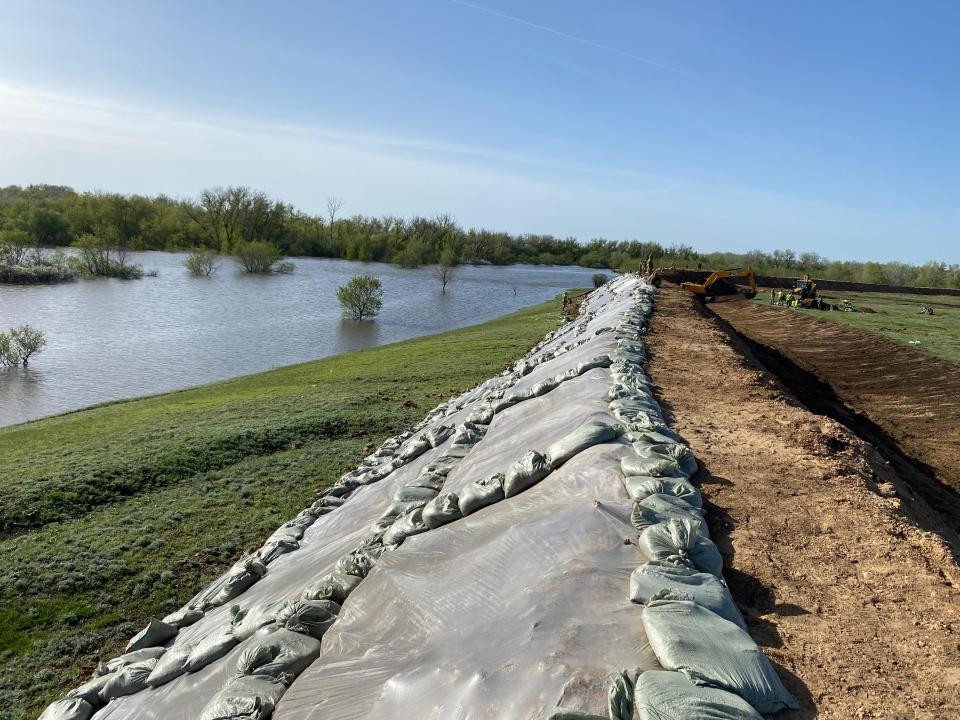
For weeks, it’s been a frantic grind of evacuations, pumping water and shoring up dams as Kazakhstan battles widespread floods. While the threat remains, water levels are declining in some areas and the country is working to help disaster victims in the long term. Some 22,700 people who fled their homes to escape floodwaters have returned, and the flood situation has stabilized in some hard-hit places such as Aktobe, according to the government. Still, thousands, many of them children, remain in evacuation centers, whilst others are in temporary housing. More than 100,000 people have been evacuated over the course of the crisis, which began in March as snow melted in the warmer weather. There is uncertainty about when Kazakhstan can fully shift from an emergency response to rebuilding. Water levels continue to be monitored closely, including on the Zhaiyk River, also known as the Ural. Television and radio reports are providing updates every few hours. The river’s water level has been described as exceeding a “critical level,” though authorities believe there is no danger to the adjacent city of Uralsk. The city is in West Kazakhstan and on the border with Russia, also hit by floods. In East Kazakhstan, the flood situation is considered stable. Providing hot meals and leisure activities for children are among the daily tasks for teams taking care of evacuated residents. But a volunteer network is looking ahead, launching a campaign to offer free legal services for flood victims. Some people are filing claims for financial compensation for their losses. Many are farmers who lost livestock. Transportation links were cut and truckers couldn’t reach their destinations. Kazakhstan’s Ministry of Industry and Construction has been developing a plan to help people affected by the floods, and it’s already being implemented in some areas. If a damaged house cannot be restored, its owner can choose – with state support - between building a new house or buying completed real estate. The building of houses has already begun in the Aktobe area. Apartments for 27 victims were bought in the city of Arkalyk, in the Kostanay region. New housing has also been provided in several other regions. “This work will continue until every victim is provided with housing,” said Minister of Industry and Construction, Kanat Sharlapaev. For all the efforts of the government and society right now, Kazakhstan could experience more seasons of catastrophic flooding. Some scientists suggest climate change intensified this year’s disaster. According to one analyst, uncontrolled construction and other official negligence have only exacerbated the threat.

Kazakhstan Cancels International Forum to Focus on Flood Recovery

Kazakhstan’s president said on Saturday that he has canceled a major international forum scheduled for June in Astana so that the country can tackle nationwide floods. “Due to the severe flooding in Kazakhstan and the need to allocate financial resources for the relief efforts and aid for affected citizens, I have made the decision to cancel the Astana International Forum that was scheduled for June 13-14 this year,” President Kassym-Jomart Tokayev said in a statement. “I sincerely hope that the invited participants will treat this decision with understanding. The Astana International Forum will resume its activities in 2025,” Tokayev said. Floods in many regions of Kazakhstan since last month have forced the evacuation of tens of thousands of people and disrupted transport and communication links. The president has described the floods as Kazakhstan’s worst natural disaster in 80 years. First launched in 2008 as an economic forum, the Astana International Forum aims to attract senior officials from governments, business and other institutions to discuss pressing challenges, such as climate change, food shortages, and energy security.

Kazakhstan Faces Unprecedented Threats from Floods, Droughts, Locust Infestations

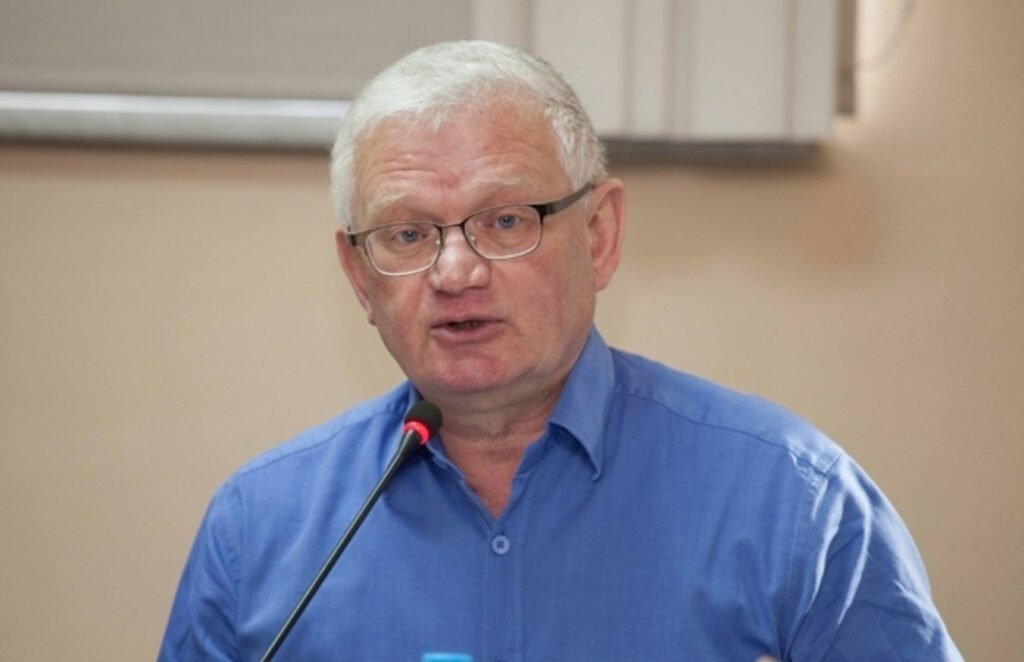
Experts are predicting a severe drought in Kazakhstan. Additionally, locusts are expected to invade the country, and the flood situation will be even worse next year. That's according to Kazakhstani ecologist, Dmitry Kalmykov, who further explained to the Times of Central Asia in an interview that climate change in the region is already irreversible. "There is an increase in the frequency and intensity of all extreme weather events, including drought, floods, catastrophic precipitation, storms, downpours. Simply put, there are, unfortunately, going to be more of these phenomena. In addition, the weather patterns relative to the seasons are changing. Precipitation falls at a different time of the season than we have come to expect. For example, last year in August rains destroyed up to 30% of the harvest in some regions of Kazakhstan. Already now, there are disappointing forecasts going forward. But it's good to have time to prepare," Kalmykov told TCA. Today's floods are an indicator of a lack of clear forecasting, Kalmykov said, stating that the government had information about the amount of snowfall, ground freezing, and moisture reserves. Yet no conclusions were drawn on the severity of the risks of high groundwater levels. "All over the world, even in Kazakhstan's environmental laws, this is called the need to adapt the economy to climate change that has already occurred. This is declared by Kazakhstan at the international level, but it is not fulfilled. Literally everything needs to be changed, including agricultural practices, water management, construction and emergency preparedness. This is an evolutionary law - if a species does not adapt to changed conditions, it does not survive. It is time for us to act," he warned. Dmitry  Kalmykov   Kazakhstan and China are expected to create a research center to combat drought. The two countries' academies of sciences will jointly study problems of ecology and land resources. However, Kalmykov is skeptical about this initiative, as he doesn't believe in the authorities' ability to apply practical science in real life. Earlier, climate change expert Kirill Pavlov released a drought forecast for Kazakhstan, which he attributes to the El Niño effect. Yesterday, TCA published an interview with Dr. Petr Svoik, a Kazakhstani economist and former head of the Anti-monopoly Policy Committee, in which he emphasized the need for a supranational structure to combat climate change, so that each state cannot arbitrarily come to “its own truth… There is only one interstate structure - the Supreme Eurasian Economic Council - where ministers of the Eurasian Economic Union (EAEU) countries can, among other things, make decisions regarding water resources, but these decisions are made by consensus. There is no center that adopts arbitration and final order. That is, this body cannot resolve a water dispute between, say, Kazakhstan and Kyrgyzstan, and there is no economic effect," he stated. In an earlier interview with TCA, despite admitting that this could be “potentially the most severe disaster in over 80 years,” Deputy Foreign Minister of Kazakhstan, Roman Vassilenko, stated that Kazakhstan is “effectively handling the...

No Central Asian Country Can Cope With Floods, Droughts On Its Own, Expert Tells TCA

Lack of funds, the predominantly commodity-based nature of their economies, and the inability to reach agreement at a national level make the Central Asian republics vulnerable to natural disasters, Dr. Petr Svoik, Ph.D, a Kazakhstani economist and former head of the Anti=monopoly Policy Committee has told the Times of Central Asia.   Between Low Water and Flood Last year was marked by a drought in Kazakhstan, and at a critical moment for farmers, neighboring Kyrgyzstan stopped supplying water from the Kirov reservoir to the Zhambyl region, with the Kyrgyz authorities explaining that they were forced to cut off the water supply because of a severe shortage of water resources in the Chu and Talas Rivers for their own agricultural producers. Additionally in 2023, experts stated that the entire Eurasian region is entering a period of low water levels, which means agricultural and livestock sectors are threatened with permanent damage from drought. For Kazakhstan, the water problem is particularly acute, as many of the main water arteries are trans-boundary. This is true not only of the southern regions, but also along the Caspian Sea, which is supplied by Russia's Volga River, and the regions dependent on the Ural River in northwest Kazakhstan, which are at risk of drying up. However, the spring of 2024 has been marked by historic flooding. As of today, according to Kazakhstan's Ministry of Emergency Situations, ten regions of Kazakhstan are subject to flooding, with even multi-story buildings flooded in the regional centers of Kostanay, Aktobe and Atyrau. In a few days, according to the Ministry of Emergency Situations, a "wave" from Russia, where the major cities of Orsk and Orenburg are in danger, will come to Kazakhstan. Such a natural disaster hasn't happened in about 80 years, President Tokayev said. Drought and floods carry extraordinary costs, not to mention social damage. Every year, Kazakhstani villagers claim they are on the brink of ruin, and the state budget allocates significant funds to support them. As for floods, according to the World Bank, more than 1.1 million people have been affected in the five Central Asian states alone since the collapse of the Soviet Union. Each year, natural disasters in the region cause more than $10 billion in losses and affect the lives of nearly 3 million people. In Kazakhstan alone, 1.5 million people are at risk from river overflows, according to the Ministry of Emergency Situations. The country has allocated 7 billion tenge ($15.653 billion) for flood control in 2024 - but these funds are inadequate.   Political and Economic Losses  According to Petr Svoik, floods represent reputational losses for the authorities. The population loses property and faith in the authorities' ability to do something. Moreover, floods by definition have a high degree of predictability because of meteorological forecasts. "What is the problem of predicting the volume of water discharge in a couple of weeks, taking into account which reservoirs will overflow, and which ones need to be strengthened? For some reason, the authorities do not use...

Government and Communities are Tackling Kazakhstan’s Flood Crisis Together: An Interview with the Deputy Foreign Minister of Kazakhstan, Roman Vassilenko

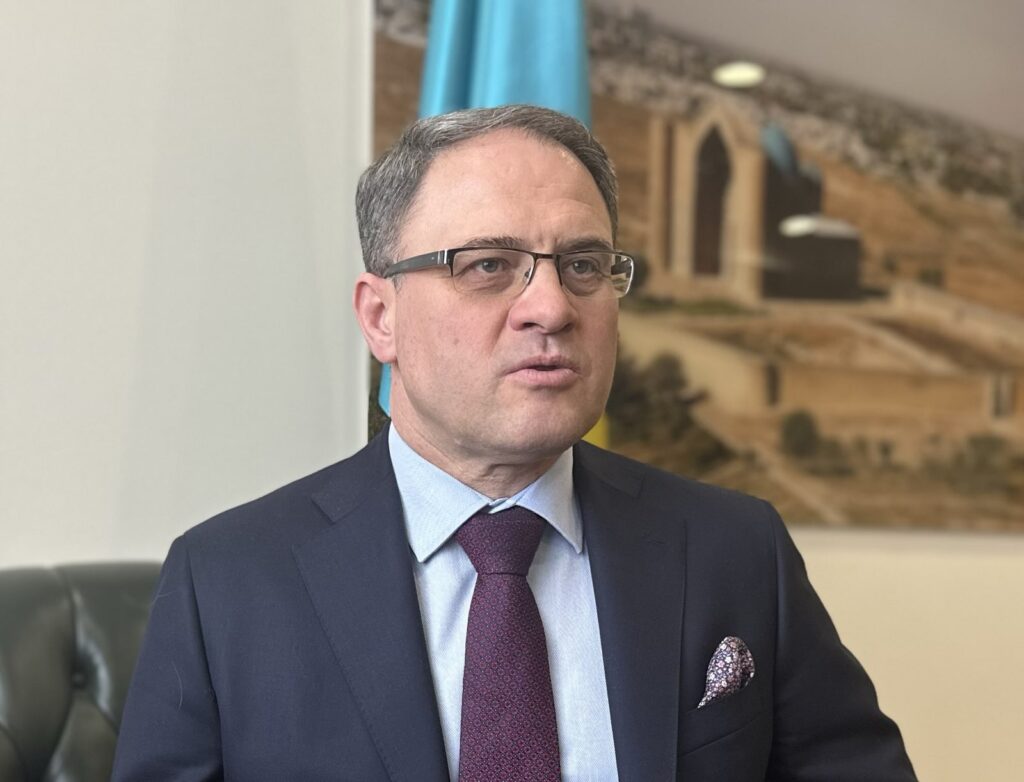
Can you provide an overview of the current flood situation from the perspective of the affected areas and the population?   The current flood situation is serious, though it remains manageable. This year’s floods have exceeded those of 2012 and 2017, which were previously the most significant in the past three decades, making this potentially the most severe disaster in over 80 years. A combination of factors has contributed to this crisis. A late and rainy autumn, followed by a sharp temperature drop in December, resulted in soil freezing up to two meters deep. This was followed by heavy snowfall throughout the winter and a rapid warming and snowmelt in spring, causing significant water flow, mostly originating from the steppes, not from the rivers. Currently, flood relief operations are in progress across eight regions of the country. To date, over 75,000 people, including 17,000 children, have been evacuated. Additionally, more than 60,000 livestock have been relocated for their safety. Kazakhstan’s President, Kassym-Jomart Tokayev, central and local governments, as well as volunteers, are collaborating effectively. Around-the-clock efforts are being made by approximately 17,000 emergency service workers, National Guard personnel, police and the military to safeguard cities and villages, supported by more than 25,000 volunteers. The operations are utilizing over 80 boats, as well as 15 aircraft and helicopters. The President is personally overseeing all operations, ensuring a coordinated and effective response to this challenging situation.   Has the government identified the peak of this crisis? If so, how is the situation being managed now?   Regions across half the country have already been impacted by the flood crisis, or are expected to be affected within the next two to three weeks. The situation is expected to remain serious in the western and northern parts of the country, as well as in the far east, where snow-melt has just begun. We are not yet clear of the water – both metaphorically and literally. Fifteen percent of the country, and up to 40 percent in the northern regions, is still covered by snow. As a result, efforts to combat these natural challenges are ongoing. The national headquarters, under the leadership of the Prime Minister, is actively coordinating flood control measures and managing the aftermath of the flooding. The Prime Minister and their deputies, instructed by the President, are working directly in the regions most affected by the floods, ensuring that all necessary steps are taken. Overall, the state is maintaining control over the situation.   Can you tell us more about the nature of the assistance being provided?   Support is being provided to everyone affected by the floods and adequate compensation will be provided to these people. The government is ensuring that those impacted have access to all necessary resources, including the operation of temporary accommodation centers. Following the President’s instructions, the government has released state material reserve to aid residents. Additionally, significant assistance is coming from large businesses and citizens of Kazakhstan, exemplified by the collection of over 380 tons of...